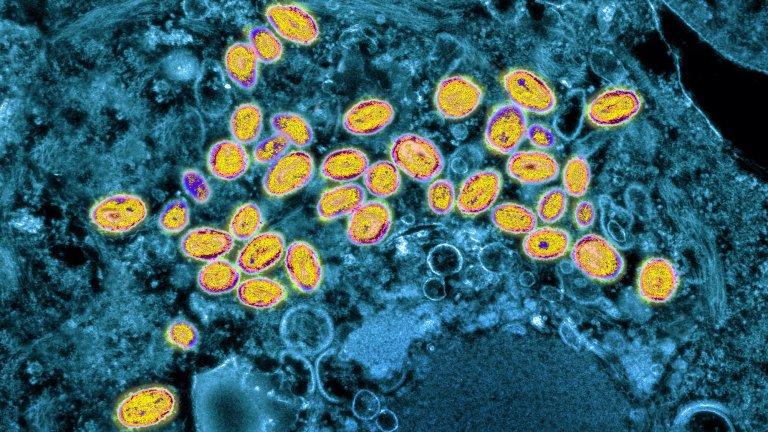
For the first time, scientists have discovered evidence of a human DNA fragment in the genome of bacteria, shedding light on why this particular bug is so adept at surviving in human hosts. The bacteria in question is Neisseria gonorrhoeae, which causes gonorrhea.
Gonorrhea is one of very few diseases exclusive to our species, and is one of the oldest recorded diseases in human history. An ancient disease that resembles gonorrhea’s symptoms is even described in the Bible, according to Hank Seifert, senior author of a paper on the gene transfer.
The bacterium apparently picks up a genetic sequence from the host it is infecting, a novel ability that could help the bacteria adapt to its host, according to Seifert, a microbiology and immunology professor at Northwestern University Feinberg School of Medicine. This ability may enable it to develop different strains of itself, he said. The paper is published today in the online journal mBio.
The human genome has plenty of ghost DNA fragments, relics of viruses that entered after some past infection. Lateral gene transfer is pretty common between bacteria and multicellular organisms, according to several studies. But this is the first time that scientists have seen a bacteria pick up the genes, rather than depositing them.“Whether this particular event has provided an advantage for the gonorrhea bacterium, we don’t know yet,” Seifert said in a NU press release.
Scientists discovered the gene transfer while they were examining the genomic sequences of several gonorrhea strains. Three of them had a piece of DNA wherein the sequence was identical to a sequence found in humans, according to NU. Further examination suggests this evolved relatively recently.
About 700,000 Americans and 50 million people worldwide are infected with gonorrhea every year. It’s curable with an antibiotic, but it developed resistance to several drugs over the past 40 years. Studying the bacteria’s human DNA fragment could conceivably help scientists find better treatments.
“The next step is to figure out what this piece of DNA is doing,” Seifert said.
The incredible innovations, like drone swarms and perpetual flight, bringing aviation into the world of tomorrow. Plus: today's greatest sci-fi writers predict the future, the science behind the summer's biggest blockbusters, a Doctor Who-themed DIY 'bot, the organs you can do without, and much more.


Online Content Director: Suzanne LaBarre | Email
Senior Editor: Paul Adams | Email
Associate Editor: Dan Nosowitz | Email
Assistant Editor: Colin Lecher | Email
Assistant Editor: Rose Pastore | Email
Contributing Writers:
Kelsey D. Atherton | Email
Francie Diep | Email
Shaunacy Ferro | Email
It definitely sounds like some sort of adaptation...
1. if bacteria have cell walls, and we dont, couldnt a drug take advantage of that?
2. interesting fact: the least advanced diseases are the ones that kill the host, because they cant reproduce with dead cells.
3. could this develop into gene therapy? like maybe we could use this to augment our immune systems? like a vaccine?
Perhaps there is something in the DNA that it picks up that it needs to survive or propagate.
Cosmic Joker42 how did you come up with your name? I have had this one for years and was wondering.
Yeah microbiologist definitely use drugs/antibiotics that take advantage of what type of cell wall they have. Also I don't think that all bacteria have cell walls.
Mainly though I am concerned with you taking my gamertag...
In glodious Bibble's Repooblik, klapp catch *you*.
cool story.
I'm pretty certain it wasn't mine
Sonuva... and now there are even more.
Speaking of Gonorrhea the movie Ricochet comes to mind.
That was a crazy movie. It definitely scared me as a kid.
"Further examination suggests this evolved relatively recently."
- When talking about bacteria which can be prolific, how long is "relatively recently?"