The word “plague” typically conjures horrible visions of the bubonic plague , that killed over one third of Europe’s population during the 1300s. The bacterium that causes the plague, however, is much older than the medieval era. In fact, the disease has been torturing humans for at least 5,500 years, according to a study published today in the journal Nature .
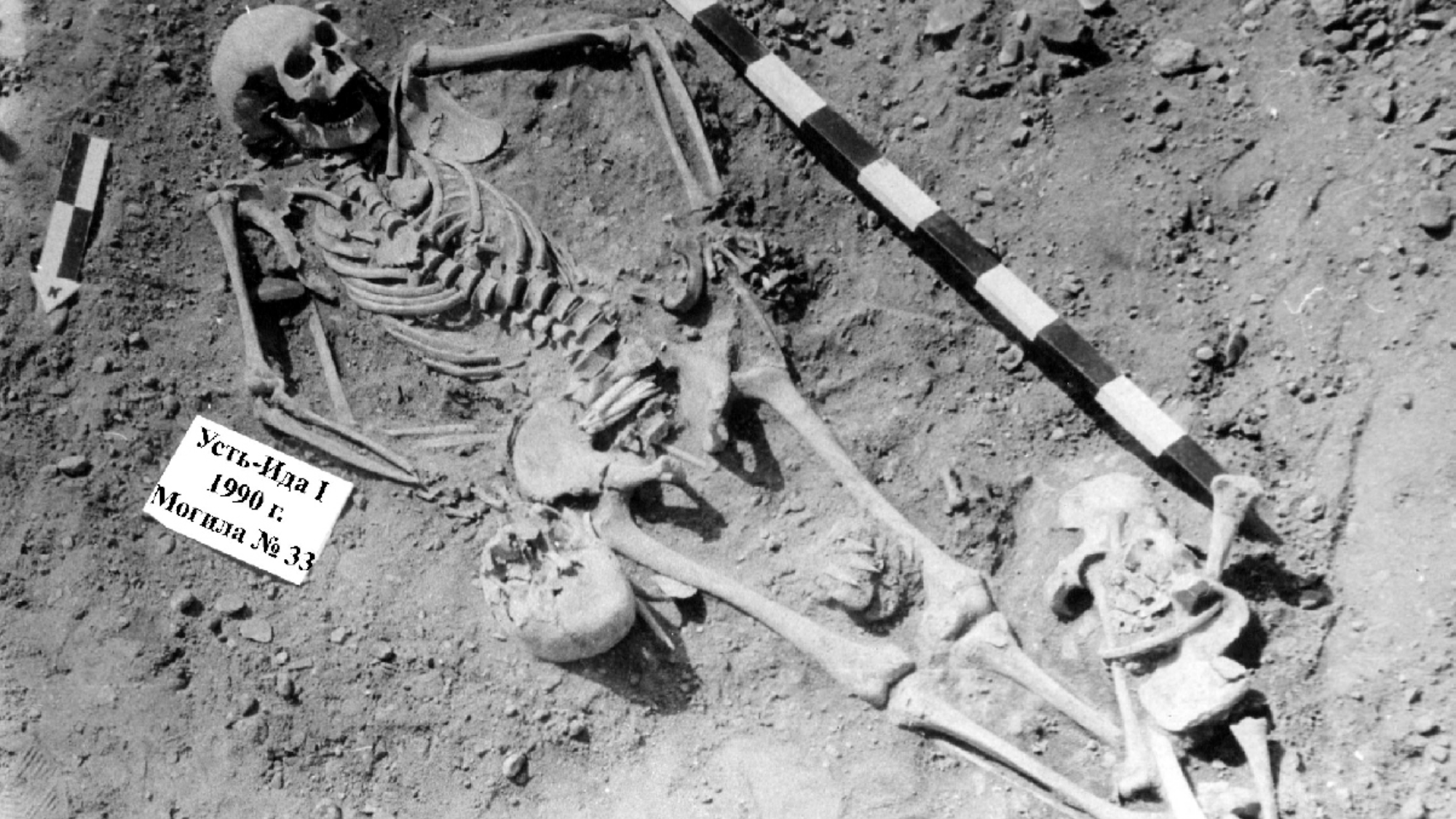
In the paper, researchers detail how they recovered and sequenced ancient DNA from the teeth of 42 prehistoric hunter-gatherers—including several children and teenagers—from four sites near Lake Baikal in Siberia, Russia. The total genetic material included DNA from the individuals themselves, and the plague bacterium Yersinia pestis, which they found in 18 of the hunter-gatherers.
Their work represents the oldest detection of plague outbreaks known to researchers, as well as the first unambiguous evidence that early and genetically different Yersinia pestis strains were deadly for humans. Before now, the oldest identified Y. pestis strains were potentially 5,300 years old, and may not have caused serious disease.
A tale of two outbreaks
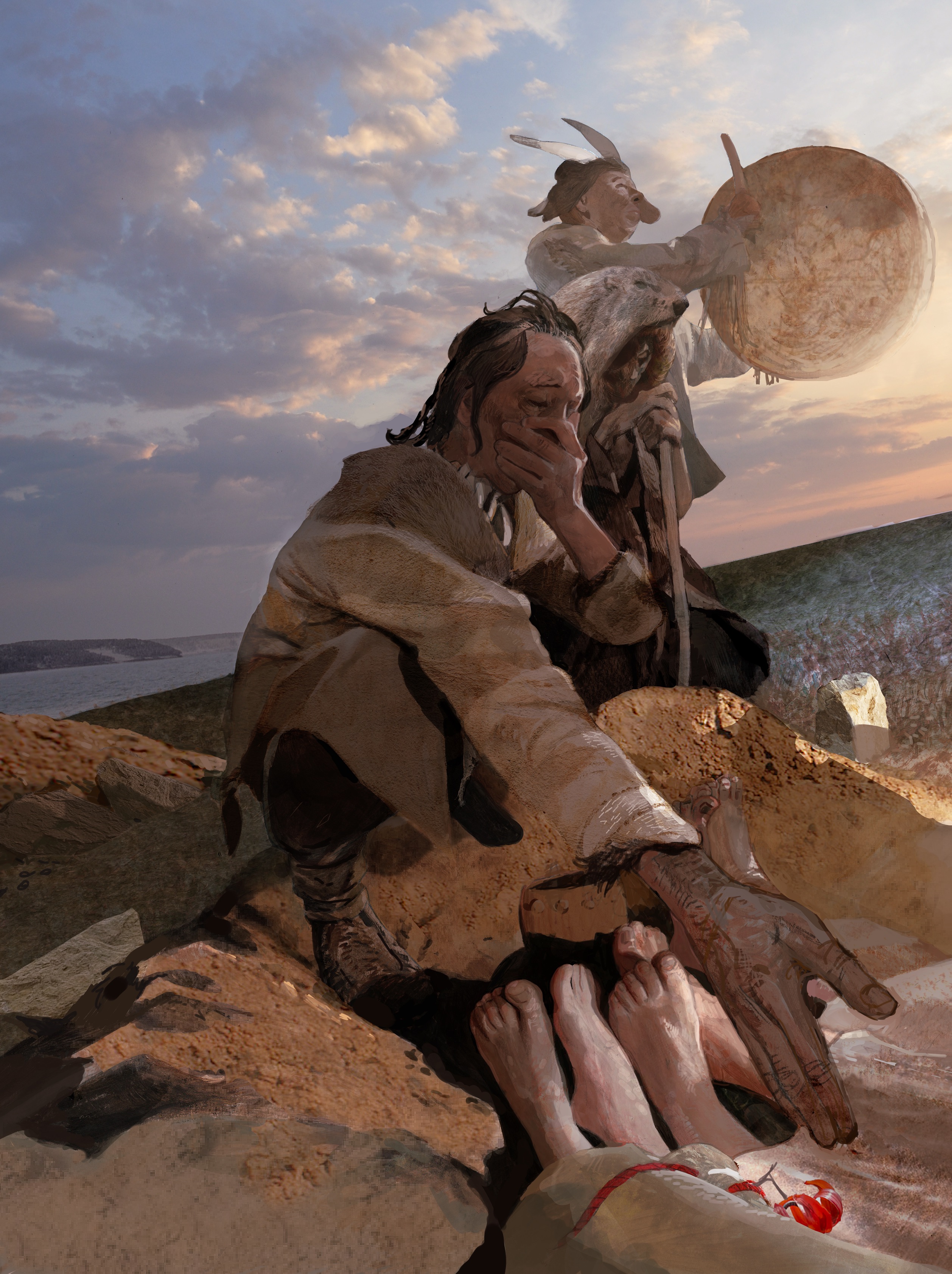
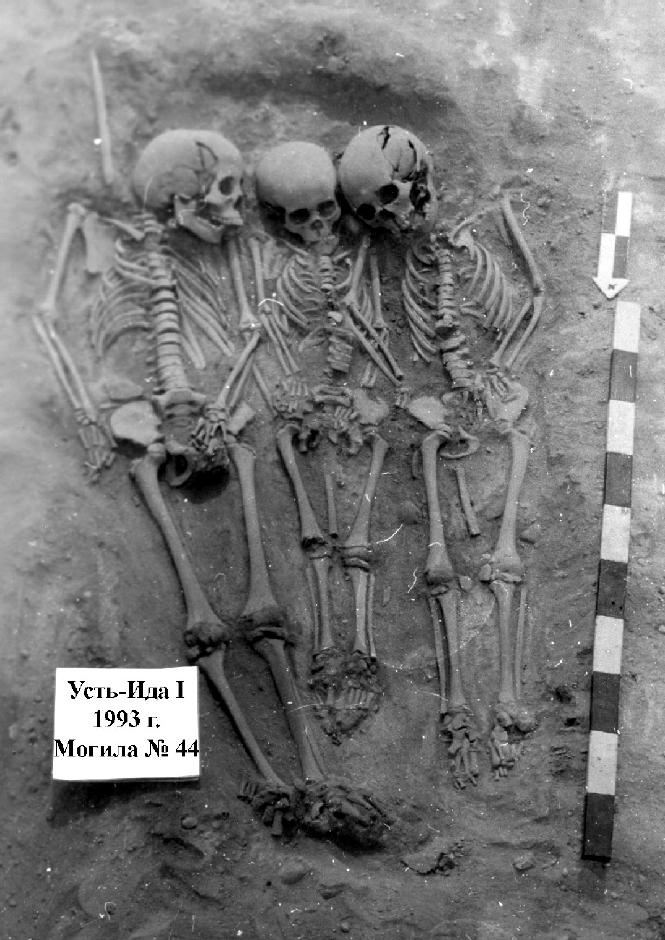
The DNA points to two separate plague outbreaks in the same region of southeast Siberia—one approximately 5,500 years ago, and another a few centuries later. At the time of the first plague event, many close relatives at one of the sites(called Ust’Ida) died in a short period of time and were laid to rest in shared graves.
“The clearest explanation for this mass death is widespread infection with plague, and we find the same strain infecting others at the same time, at another site 37km [23 miles] away,” Ruairidh Macleod, a co-author of the study who researches ancient DNA at the University of Oxford, tells Popular Science. “We interpret this as consistent with human-to-human transmission of the disease.”
However, the team also found blood relations between victims (associated with both outbreaks) buried in different graves. According to the researchers, this “evidence fits with the same populations over hundreds of years being exposed to new outbreaks of plague, coming from the same wild rodent host species of plague (most likely marmots),” Macleod says.
Even children were at risk
A significant number of children were also killed by the plague at Ust’Ida and another called Bratskii Kamen. Child mortality was high in Ust’Ida during the first outbreak, and Bratskii Kamen during the second outbreak. Broadly, the most serious forms of the disease seem to have impacted children between the ages of eight and 11.
According to the team, the Y. pestis strain responsible for the two outbreaks was previously undiscovered, and may have evolved before around 5,700 years ago. What’s more, the strain carried a gene that isn’t present in other modern or historical Y. pestis strains that potentially increased the strength of the disease, especially for children.
The study also challenges some previously held notions about ancient disease occurrence. One is that community-wide outbreaks only took place after humans transitioned from being hunter-gatherers to early farmers. This shift called the Neolithic transition allowed for bigger communities and eventually gave rise to the first cities. These new findings demonstrate that the plague was seriously impacting these mobile, small hunter-gatherer groups before the transition, if not others.
These findings also push back against the theory that prehistoric plague strains may have been less deadly because they don’t have particular genes linked with bubonic plague (the most widespread plague version) and flea transmission. Clearly, this newly discovered strain—which also doesn’t have those genes—could be very nasty.
In addition to the implications of the team’s research, Macleod was moved by the human stories their work hinted at.
“The insight that we get from the way the plague victims are buried is also extraordinary,” he says. “A particularly intriguing example is the case of two teenagers, a boy and a girl, buried together in a shared grave, and who therefore seem to have died of plague at the same time, but who are not closely related to each other–this might be suggestive of another relationship that they might have had in life.”