For every 10 scans containing an abnormality, a radiologist is likely to miss three of them. This is a problem because patient survival depends on early detection.
Now, Dr. Gregory DiGirolamo, a researcher at the College of the Holy Cross in Worcester, Massachusetts, is hoping to make this worrying statistic a thing of the past. And he has recruited some unlikely assistants: pigeons.
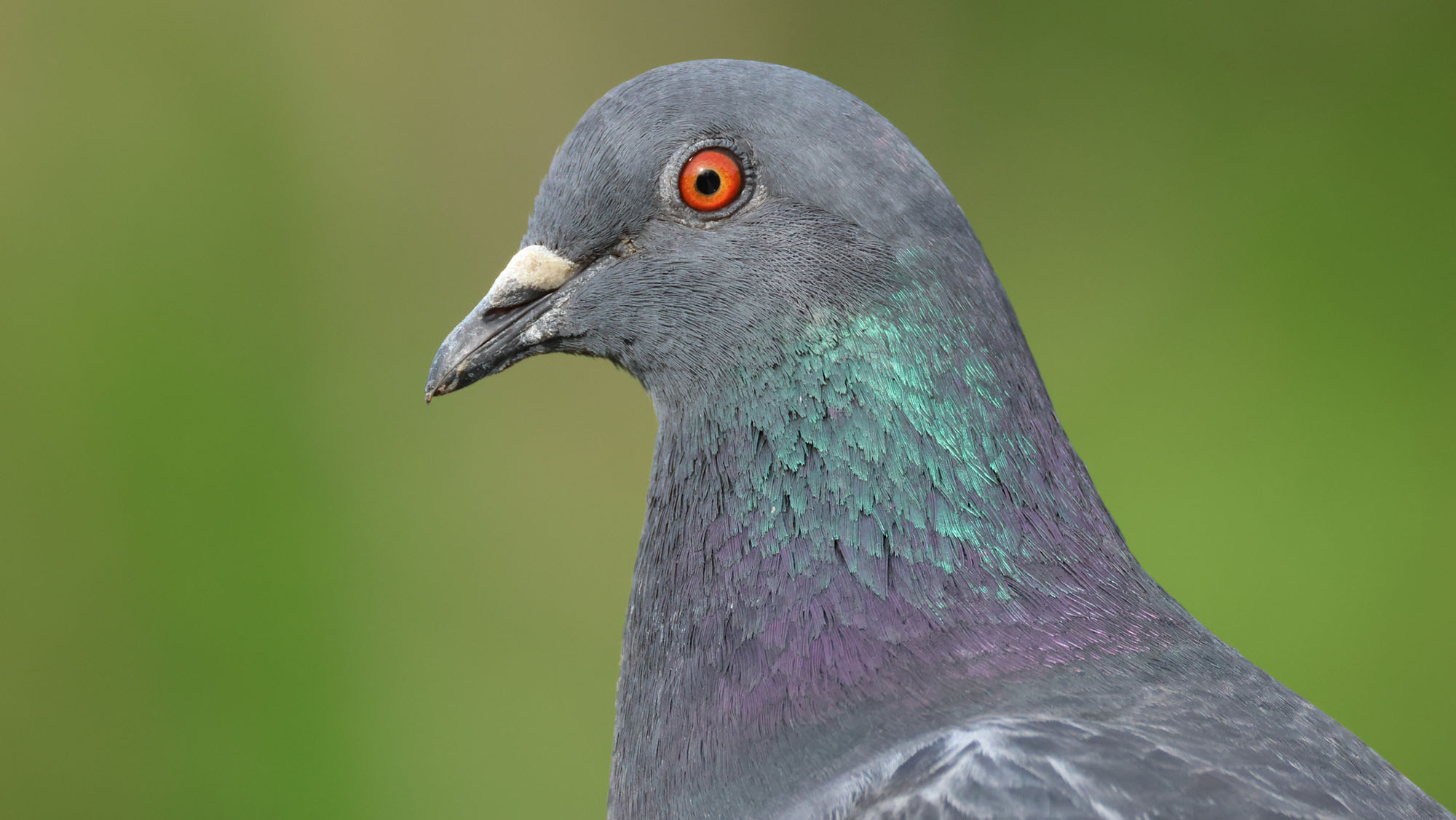
Yes, you read that correctly. In a study published earlier this year, DiGirolamo and his colleagues successfully trained six pigeons to watch short CT scan videos and decide whether or not they showed a lung nodule (growths on the lung that could signal cancer). This sci-fi-esque study actually holds the key to preventing medical imaging misses—but not in the way that you are probably imagining. Rest assured there won’t be a pigeon in a white lab coat at your next medical appointment.
The limitations of the human brain
In 2025, DiGirolamo and his colleagues published a study showing that even when radiologists outwardly miss a lung nodule and give the scan the all-clear, their non-conscious brain actually detects the suspicious nodule.
[ Related: See the most detailed map of human brain matter ever created ]
Using eye-tracking technology, they found that when radiologists look right at a suspicious lung nodule on a chest CT scan, their eyes linger over the spot where the problem is and their pupils widen.
Their eyes and brains have noticed that something is wrong. But sometimes that information doesn’t make it to their conscious brain and they decide the scan looks normal.
Where do pigeons come in?
DiGirolamo wanted to find a way to study the non-conscious visual system, without interference from the conscious human brain. He decided to use pigeons since their visual system works a lot like the unconscious part of human vision.
Radiology training for pigeons went as follows: Half the birds got a food reward for correctly spotting nodules; the other half got rewarded for correctly identifying clean scans. The pigeons got really good at it. They learned to tell the difference between images with and without lung nodules, and could apply what they’d learned to scans they’d never seen before.
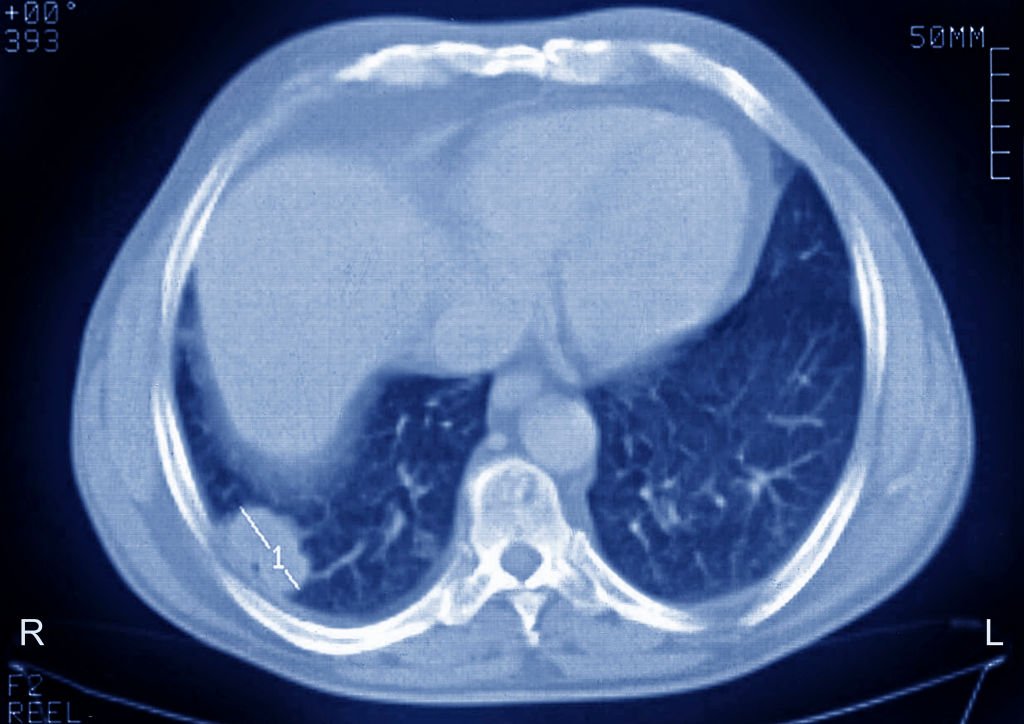
Even cooler: once they learned to spot lung nodules, they began to recognize two other lung problems they hadn’t been trained on—emphysema (a condition where air sacs in the lungs are damaged) and ground-glass nodules (hazy gray areas that can indicate early-stage lung cancer).
To the human eye, emphysema and ground-glass nodules “look totally different from a lung nodule,” DiGirolamo tells Popular Science. But the pigeons’ performance suggests that there’s a common visual sign running through all three conditions. The nonconscious human brain may also pick up this sign, even when doctors’ conscious perception says a scan looks normal.
Putting the results into practice
DiGirolamo hopes to turn these findings into powerful medical AI tools that doctors can use to prevent medical misses.
He plans to use eye gaze-tracking and physiology data (like pupil widening) to capture how radiologists respond to subtle abnormalities—even when they call a scan “normal”—and then feed those eye movement patterns into AI models.
DiGirolamo makes it clear that this medical AI will not replace radiologists, but will act as a tool that learns directly from their eyes, bridging the gap between their conscious and non-conscious brain, and ultimately enhancing their judgment.
[ Related: Pigeons use their livers to sense Earth’s magnetic field ]
The same technology would also be useful to cardiologists reading ECGs for heart attacks. And there are other potential uses outside medicine. This approach—using experts’ eye movements and subtle physiological reactions to train AI—might one day help art historians tell real masterpieces from clever forgeries, or help airport screeners spot bombs in luggage scans they’ve just cleared as safe.
“Right now I’m constraining myself purely to medical misses because those for me seem far more practical,” DiGirolamo said, “but I am hoping to do a little bit of ‘can we tell which Caravaggio are real and which ones are fake?’”