ST. LOUIS — In a nondescript basement lab, jeans-clad engineers clutch blueprints, scrape stepladders across the unfinished floor and chat about the Cardinals as they tighten bolts on a new prototype device. At first glance, it could be any machine shop in the country.
But then you notice the wispy strands of soybean seedlings curling to life, their root tendrils bunched into test tubes lightly packed with soil, and you remember — this place is all about seeds.
Monsanto Co. produces 90 percent of the world’s transgenic crops, using a complex marriage between ancient techniques — cross-breeding different plants to produce a desired trait — and the most modern technologies available, from genomic research to NASA-caliber mechanical engineering.
Originally a chemical company, Monsanto produced some of the world’s most controversial substances — saccharine, DDT, PCBs, Agent Orange — before evolving into the biotech giant it is today. That evolution has been marked by controversy, including lawsuits against farmers, allegations of unfair trade practices, and more. The company produces the herbicide Roundup, and also seeds whose genes have been engineered to survive Roundup’s active plant-killing ingredient. Now the vast majority of this country’s soybeans, corn, sugar beets and canola possess those engineered genes.
For a closer look at the tools of the GE trade, check out the gallery here
Behind every single seed is at least a decade of research involving geneticists, engineers and farmers, working to produce a seed that will grow exactly as expected, and in a way nature may not have intended. Here’s how it’s done.
Step one: Finding a new trait
Ginny Ursin, head of technology prospecting at Monsanto, has been studying plants most of her life; at age 10, she cobbled together a makeshift greenhouse in the front yard. It was well-built enough that a city building inspector dropped by to inquire about a permit, she recalled. After obtaining her Ph.D in genetics from the University of California-Davis, she studied the biochemical pathways that allow plants to accumulate oil. She has spent more than a decade developing a new omega-3 soybean, which actually produces a precursor fatty acid that our bodies convert into a heart-healthy type of omega-3 — fish oil without the fish. Its history includes Alaskan wildflowers, a type of mold used in Indonesian cooking and years of patient cultivation.
To produce a genetically modified organism, you have to identify the trait you want the plant to have, and find out what other organisms already have it. This involves luck as much as careful searching — Monsanto first produced “Roundup Ready” glyphosate-tolerant plants using a gene from bacteria found growing near a Roundup factory. Ursin pored over science texts outlining organisms’ fatty acid compositions, tested hundreds of flowers and fungi, and finally narrowed down the web of life to two fatty-acid-producing enzymes found in primrose flower and a mold called neurospora.
Concocting a transgenic soybean seed also involves testing the plants themselves to find the most worthy subjects. Monsanto invented some cutting-edge technology to help its scientists make that step more efficient.
Step two: Grabbing genes
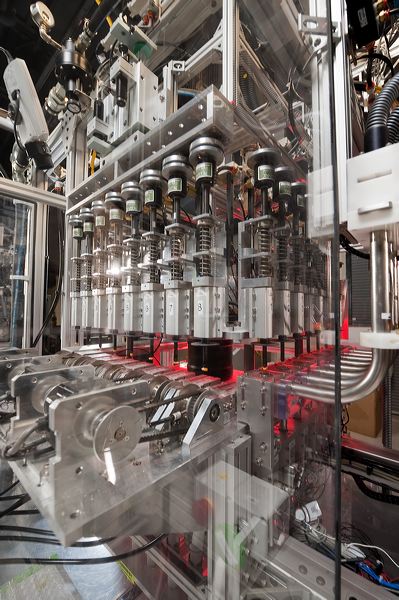
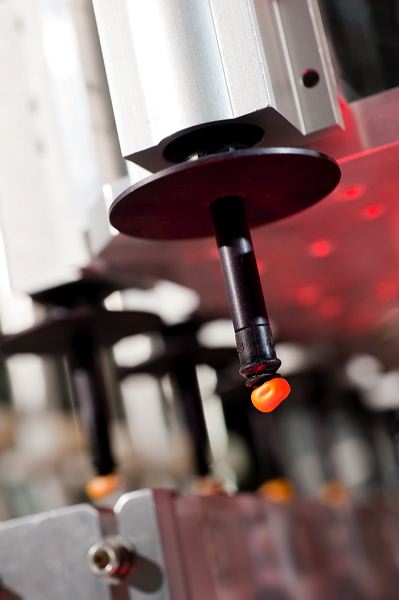
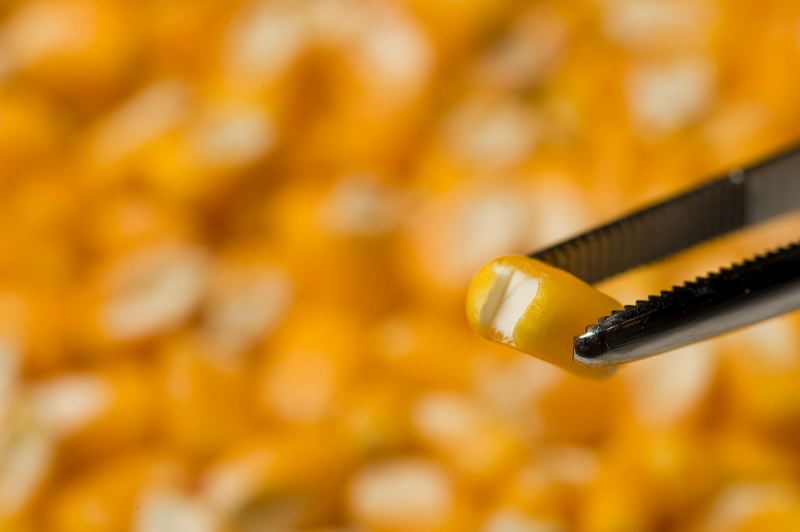
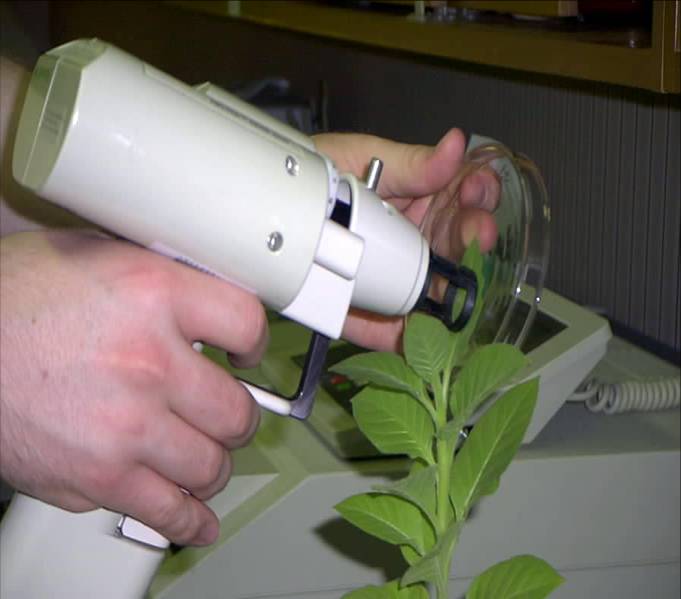
In the past, studying the genetic code of individual seeds required planting the seed, growing the plants to a certain size, and then clipping a paper-hole-puncher through a leaf to gather a sample. But that’s a time-consuming and resource-heavy process, so it’s easier to study the seeds themselves, explains Kevin Deppermann, head of Monsanto’s automation engineering department. This requires grinding them up, which is also inconvenient, because a ground-up seed can’t be planted. To get around this, Monsanto engineers invented a special chipping device that shaves off just a tiny piece of the seed and grinds it into a powder that can be analyzed with genome-mapping technology. Meanwhile, the viable remainder of the seed is preserved for planting and cultivation.
“Now we know what genes are in the seed before it’s in the ground,” Deppermann said.
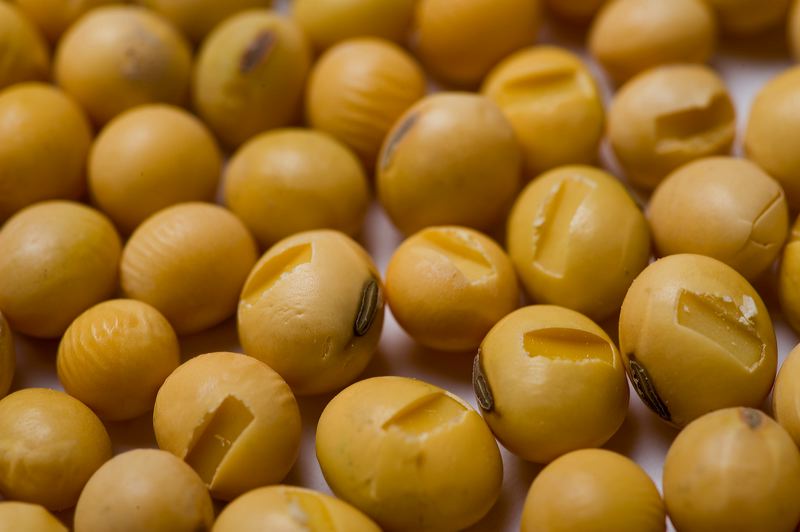
Deppermann boasts that he recently hired away an engineer from NASA’s Jet Propulsion Laboratory and that he believes with the right tools, Monsanto will be able to meet its goal of tripling crop yields while reducing resource use by two-thirds by 2030. He says the chipper, which Monsanto patented last year, is one such tool. A blast of air separates the shavings from the rest of the seed; a bar code system ensures the two can be reconciled later. The device, about the size of a home air conditioner, can chip a seed every second. The chip is ground to a fine powder and analyzed with an automated high-throughput genotyping system, also developed in-house.
It was easy to design a chipper for soybeans, because the seeds are shaped such that they always fall a certain way. But corn kernels are all different, and you don’t want to shave off the wrong part and kill the embryo. Monsanto’s corn chipper uses cameras and object-recognition algorithms to determine how each seed should be aligned for proper chipping. Next-generation chippers for melons and other fruits have a camera that takes 100,000 frames per second — all to help geneticists find new traits even faster.
Step three: “Trait insertion”
Now that you’ve got your genes, the next step is inserting them into the plants. There are a couple ways to do this, including using “gene guns” that literally shoot pieces of DNA. A .22-caliber charge fires a metal particle coated with DNA into plant tissue. Monsanto no longer uses the technique, but it’s still widely used among other biotech companies.
For omega-3 soybeans, Ursin and colleagues used a slightly more delicate process, heating soybean seedlings to place them under stress and make them susceptible to a bug called Agrobacterium tumefaciens. The organism specializes in invading plant DNA and tricking it into producing sugars and amino acids that feed the bacteria. Scientists can exploit this Trojan horse ability and insert new proteins into the plant’s chromosomes. The plant recognizes this foreign encoded protein as one of its own, Ursin said.
“This is now in all the plant progenitor cells. The pollen will have that DNA in its genome, so when you have a pollination event and create new seed, that trait is advanced into the next generation,” she said. And there you have it: a first-generation genetically modified plant.
It’s also a game of chance — just like with breeding, you never know how the offspring will turn out. Ursin and colleagues produced large sets of modified seedlings to make sure the new genes ended up in the right spot on the genome, because if they don’t, the plant could suffer myriad side effects that would make it unsuitable for sale (at a premium price) to farmers. The next step: finding the best candidates.
Step four: The growth chamber gauntlet
After about two years of testing, Ursin narrowed down her soybean seedlings to a handful of potential winners, then further weeded them out to result in one special GM seed. Many legal hurdles lie ahead — Monsanto is no stranger to hurdles — but company officials hope the soybeans will hit the market within two years.
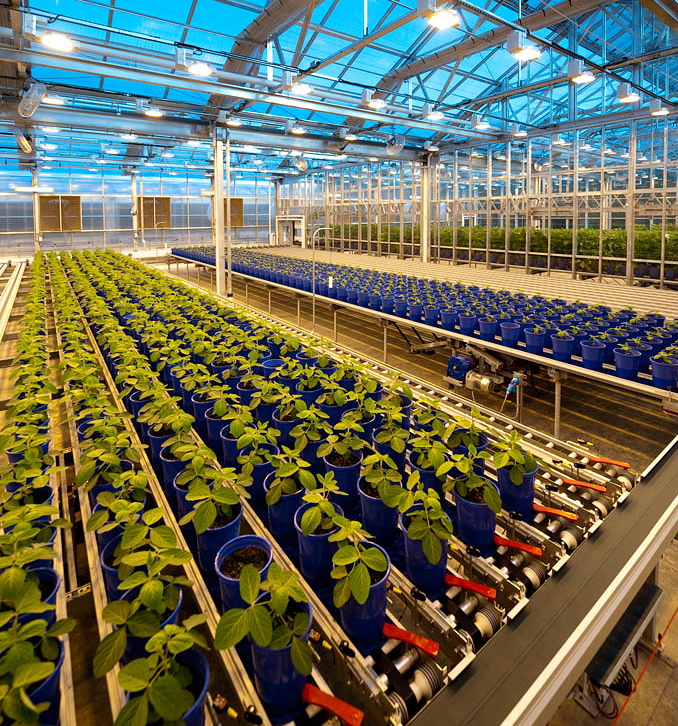
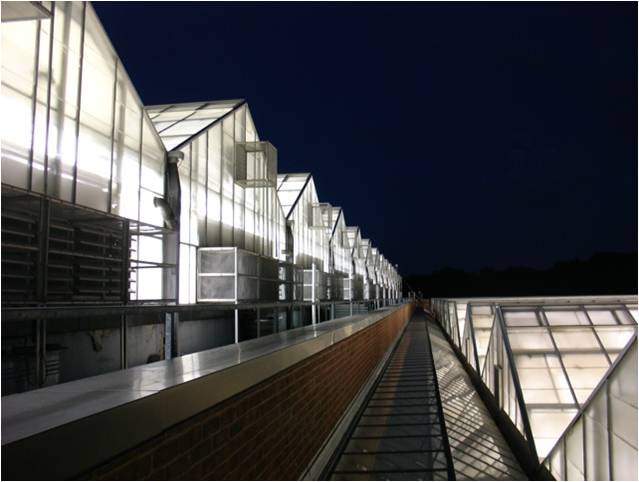
Monsanto’s sprawling, campus-like headquarters has multiple cafeterias and a minivan fleet that shuttles workers among buildings simply named “A” to “Z”; it’s here that Deppermann and his colleagues do their work. Down the road in the St. Louis suburb of Chesterfield is the purview of biologists like Ursin: 108 climate-controlled growth chambers, 26 greenhouses and 250 laboratories on a 1.5 million-square-foot campus, to which the company is currently making $65 million in upgrades.
Those chambers are home to countless thousands of seedlings being tested for drought tolerance, salt tolerance, pest and disease resistance, and more. Currently, plant biologists have to study their charges by hand, taking pictures of their roots and testing their viability. Deppermann would like that entire process to be automated, and along with new seed chippers, engineers in the automation lab are building just such a contraption.
Those wispy soybean seedlings quietly growing amid a cacophony of machine sounds? They’re test candidates for an automatic germination system, which sucks up individual seeds, plants them, blows dirt from their roots to check their health, and automatically supplies nutrients the plant needs to grow.
“We have to keep the thing alive along the way,” Deppermann said.
Step five: Planting
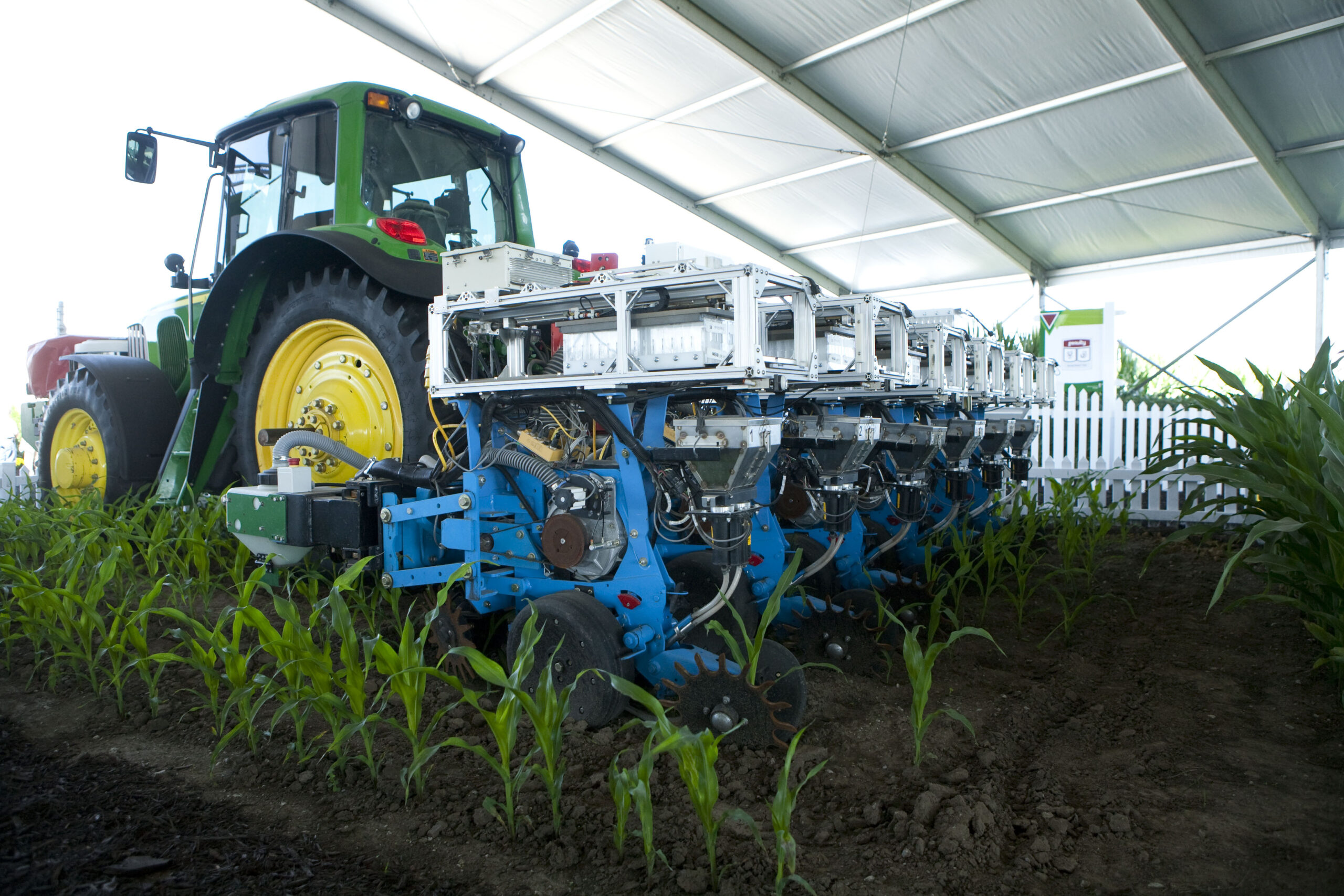
Automated technology is meant to make the geneticists’ work easier, but someone still has to plant the seeds, tend to the plants and bring them to harvest. That’s where Marcus Jones comes in. Jones, who’s built like an NFL linebacker, sports impressive dreads, and plays drums in an African-Cuban band, talks passionately about the “farmscape” and the importance of efficient, productive land use. He helped develop Monsanto’s GenV planter, a sort of souped-up, GPS-enabled tractor that can give a farmer ultra-precise sowing data.
Buy a bag of Monsanto seed, and you’ll get more than a bunch of genetically modified plant embryos — Monsanto provides detailed instructions about plant spacing, water and fertilizer use, plant population and more. Monsanto uses the planter to devise those recommendations. The machine knows its location in a field to within 9 inches and can work 24/7, sowing seeds under cover of night if necessary. It has five separate seed boxes and can distinguish among different hybrid varieties, and it will remember exactly what plant was sown where, ensuring accurate data for Monsanto’s agronomic experts. The planter can sow seeds at variable speeds and spacings, providing a well-rounded picture of how plants grow in certain conditions.
This summer, Jones and colleagues are working on a pilot study with John Deere to develop planting technology that also responds to the environment, recommending spacing, fertilizer and more depending on the conditions. The goal is to grow sturdier crops, and more of them, with less water, less space and less nutrients, Jones said.
“We’re not going to acquire any more land, but we can plant more per acre,” he said.
** Step six: The genes express themselves**
So now you’ve isolated new genes, chipped thousands of seeds to find strong candidates, grown the candidate plants in special chambers, and learned the ideal method to plant them in the ground. Now you have to prevent weeds from stealing their nutrients, and keep pests from harvesting the crops before you do. That’s where Monsanto butters its bread: Genetically modified crops that can resist herbicides and pests.
Farmers who buy Monsanto’s transgenic seeds are free to spray Roundup on their fields throughout the growing season. The company says this reduces the need for tilling and thereby prevents soil erosion. Glyphosate, the active ingredient in Roundup, kills growing plants by preventing them from forming three particular aromatic amino acids, tryptophan, phenylalanine, and tyrosine.
To create “Roundup Ready” plants, Monsanto cloned a gene from a form of agrobacterium found growing at a Roundup factory. Researchers found that this particular bug’s amino production was not affected by glyphosate, and they used E. coli to clone the gene responsible for this trait. Then they used a different agrobacterium — the familiar A. tumefaciens — to stick the gene into the chromosomes of plants. The plants that have the bacteria’s gene are still able to produce the three amino acids, and they survive just fine. Weeds are not so lucky.
Agrobacterium is not the only bacteria the company uses to make genetic modifications. “Bt” varieties of cotton and corn have been modified to produce a chemical that is toxic to insect larvae, and the gene that expresses that trait comes from a bug called Bacillus thuringiensis. (The gene is also inserted using the A. tumefaciens process.) Farmers need to plant “refuges,” areas without their engineered insect-tolerant seeds, so that pests still have a place to feast and will be less likely to evolve resistance. Studies have shown that Bt plant roots can leach Bt toxins into ground soil, however, and while Bt is a native bacteria, the plants’ effects on the other soil flora is still relatively unknown. Bt cotton is widespread in China and India, the world’s two largest cotton producers.
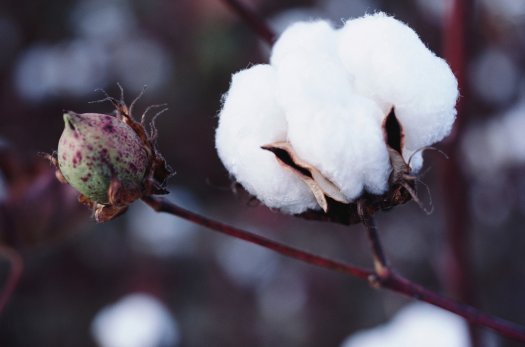
Roundup Ready soybeans were brought to the market in 1996, followed by alfalfa, corn, cotton, spring canola, sugarbeets and winter canola. The crops caught on like wildfire; more than 90 percent of the nation’s soybeans and about 70 percent of its corn have Roundup Ready genes. But weeds have begun evolving to resist Roundup, too — at least 10 glyphosate-resistant broadleaf weed species were found living in 22 states as of last spring. This is why the company is working on soybeans and canola that are resistant to the herbicide dicamba as well as glyphosate — that way, farmers can use both.
“Dicamba is an effective herbicide on broadleaf weeds, and that’s where a number of the challenges have come up in the last few years,” said Steve Padgette, Monsanto’s vice president of biotechnology. He said it’s already approved for pre-emergent use in soybeans, meaning farmers can spray it before the crops sprout; Monsanto wants it approved for post-emergent spraying, like Roundup is now.
Meanwhile, opponents argue Bt and Roundup Ready crops’ environmental effects have not been sufficiently studied. Among myriad concerns and accusations: GM opponents point to studies that claim a strain of Roundup Ready corn was toxic to the kidneys and liver of lab rats (Monsanto says that study was flawed); that crops engineered to produce higher yields actually do the opposite; that Bt corn is toxic to monarch caterpillars; that GM crops encourage farmers to spray chemicals with abandon, harming the environment (proponents point to studies saying the opposite, that the transgenic crops reduce pesticide and herbicide use) and so on.
In December, a lawsuit involving Roundup Ready alfalfa reached a key step that could allow the crop to be planted once again this spring. The alfalfa was approved by the U.S. Department of Agriculture in 2005, and the following year, consumer and environmental groups filed suit under the National Environmental Policy Act. The Center for Food Safety sued won an injunction against the sale and planting of Roundup Ready alfalfa until the USDA’s Animal and Plant Health Inspection Service (APHIS) could complete an environmental review. The U.S. Supreme Court lifted the ban last summer while the study was being completed; now it’s done, and farmers will likely be planting the crop this spring.
Plenty of other cases are ping-ponging through the courts — last fall, a California judge ordered the destruction of transgenic sugar beet plantings, but that ruling was later reversed, allowing the crops to stay in the ground for now.
Future steps: Using nature as a guide to feed the world
Beyond broad-spectrum herbicide resistance, the future of transgenic seeds lies in loftier (and more difficult) goals like increased crop yields, drought tolerance, improved nitrogen uptake and even value-added traits to make mass-produced food more nutritious. Monsanto is working with the African Agricultural Technology Foundation to license the technology it used to make drought-tolerant corn, which it hopes will debut in this country by 2012. Corn is a huge cash crop in this country, so Monsanto isn’t exactly giving it away — but the public-private partnership, financed in part by a $47 million grant from the Bill & Melinda Gates Foundation and the Howard G. Buffett Foundation, will help African companies develop their own strains, which theoretically can thrive in dry areas of western Africa.
Ursin is no longer in the lab, now prospecting for other biotech companies Monsanto might like to partner with or buy someday. But she said she looks forward to standing in a field full of omega-3 soybeans next year, which for her will be a dream come true.
“It’s one thing to have a garden in your yard, and get tomatoes and basil all summer, but it’s another thing to talk about feeding 9 billion people (by 2050). For every plant breeder, everyone involved in producing food, there are some really big challenges,” she said. “(Biotech) is not the only thing … I know people have their issues with this technology. But it’s a tremendous technology. It’s using nature as a guide.”
Monsanto is far from the only biotech company marching down this path. Archrival DuPont, which produces transgenic seeds under its Pioneer brand, and Swiss firm Syngenta are also working toward value-added crops. Syngenta is producing golden rice with higher concentrations of vitamin A, for instance. Studies have shown the added trait could combat vitamin A deficiency in developing countries. And DuPont is making its own soybeans capable of producing healthier oils. DuPont’s high-oleic soybean reduces trans fats by eliminating the need for hydrogenation, and it won FDA deregulation in June, meaning it could be in the food supply by 2012. Monsanto executives hope their omega-3 soybeans will be available worldwide by 2012, too.
Though it has met with resistance — especially in Europe and, to a growing extent, in countries like India and China — this new wave of value-added traits is the next step for genetic engineering. For one thing, modifying food to provide better nutrition and greater yield seems much more honorable than simply selling more herbicide. And as patents expire, seed companies will seek to profit from characteristics that could help farmers market their wares to health-conscious consumers.
While social, economic and political changes are doubtless more important to ensuring a healthy food supply for the world’s poor, experts from a wide range of ideologies say a second green revolution driven by biotechnology is increasingly necessary, too. Even the Vatican has weighed in, saying developed nations have a moral responsibility to guarantee food security. Vatican science advisers released a 14-page document last fall that said GM crops are no more dangerous than natural evolution, and that opponents in developed countries are unjustified in opposing them.
Such policy debates will continue, but transgenic crops, like those frail little soybeans struggling forth in the Monsanto machine shop, are very likely the food of the future.