A proposed suborbital space transport will put boots on the ground anywhere in the world in two hours or less. But can it overcome huge technological-and political-hurdles?

Overstepping Boundaries

Finding routes through diplomatically friendly airspace and then arranging for timely delivery of U.S. forces are key complications, especially on today´s world political stage. Sustain would solve both problems in a single stroke. According to international agreement, a nation´s airspace extends 50 miles from the Earth´s surface, just short of low orbit. A spacecraft would allow the U.S. to step over other countries and insert forces where they´re needed.

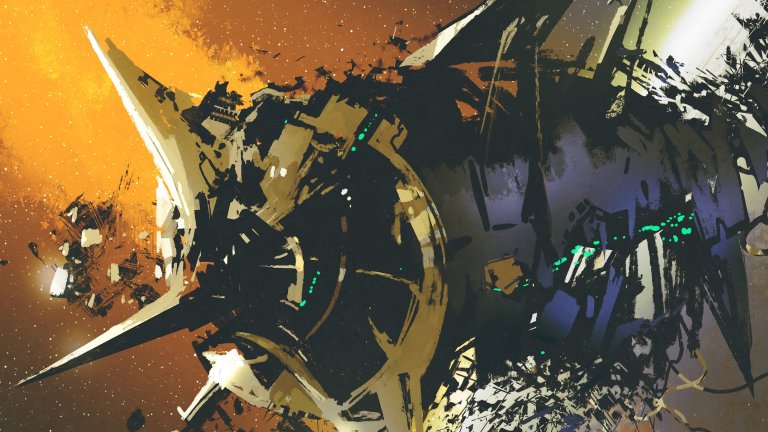
Each Sustain lander is intended to hold a squad of 13 Marines. Mounted on wedge-shaped carrier aircraft, the lander would detach, climb, and accelerate with scramjet engines to 100,000 feet and then fire rocket engines to get above 50 miles, following an arc over hostile countries. Composite shields would absorb or deflect the searing heat of reentry as the vehicles angle for the landing zone.

Lafontant arrived at this Space Marines vision after years of analyzing military space needs. A 44-year-old Queens, New York, native who joined the Corps in 1984 as an infantry officer and progressed through Naval Postgraduate School in Monterey, California, where he studied space systems operations and joined the small fraternity of Marine Space Operations Officers. In 2001 he took a job in the Pentagon working for the National Reconnaissance Office. He was serving as liaison to the Joint Chiefs of Staff in November 2001 when the Marine Corps launched its deepest air assault ever.

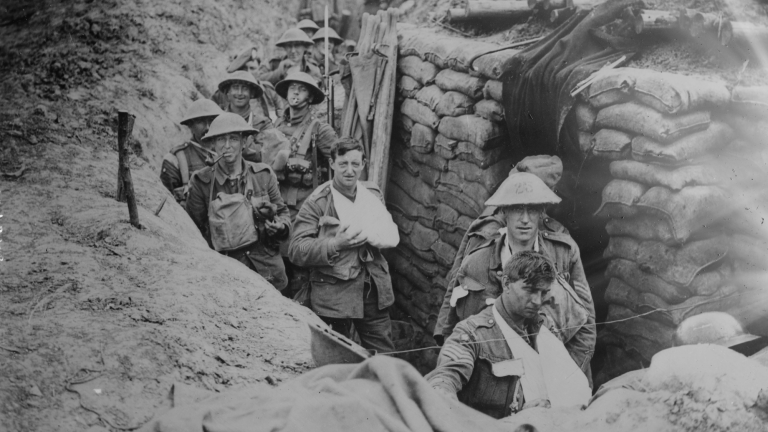
Five hundred Marines from the 15th Marine Expeditionary Unit prepared to fly 441 miles through the mountains of northern Pakistan in CH-53E Sea Stallion helicopters to capture an airstrip near Kandahar, Afghanistan. It was to be the beginning of the first large offensive against the Taliban and Al Qaeda. If all went well, the Marines expected to walk away with Osama bin Laden.

But political considerations sabotaged the mission. For weeks, the Marines had bobbed on the Indian Ocean aboard two assault ships while State Department officials negotiated with Pakistan for the right to fly through the country´s airspace. Pakistan granted access only after winning economic and military concessions that, some say, have reinforced a repressive regime. When U.S. troops finally touched down on November 25, bin Laden´s trail was cold. â€We ended up selling our soul to the devil to get through,†Lafontant says. He grew determined to find a way around that sort of diplomatic entanglement. â€What if we don´t have to have anybody´s permission?†he asked himself. â€What if we just go above and drop in?â€

0 Comments


Download Our iPhone App

Stay up to date on the latest news of the future of science and technology from your iPhone with full articles, images and offline viewing


Follow Us On Twitter

Featuring every article from the magazine and website, plus links from around the Web. Also see our PopSci DIY feed


Become a Fan On Facebook

Share links with friends, comment on stories and more


December 2009: Best of What's New

In our December issue, Popular Science names the 100 best innovations of the year: bombproof wallpaper, self-parking cars, the fastest helicopter, and 97 more. Plus inventor profiles and videos.

Check out the best of what's new here.

Popular Science Photo Pool


Share your photos in the Pop Sci pool at www.flickr.com!
tags_sprite.png
POP_embeddedForm_cover_May09.jpg