
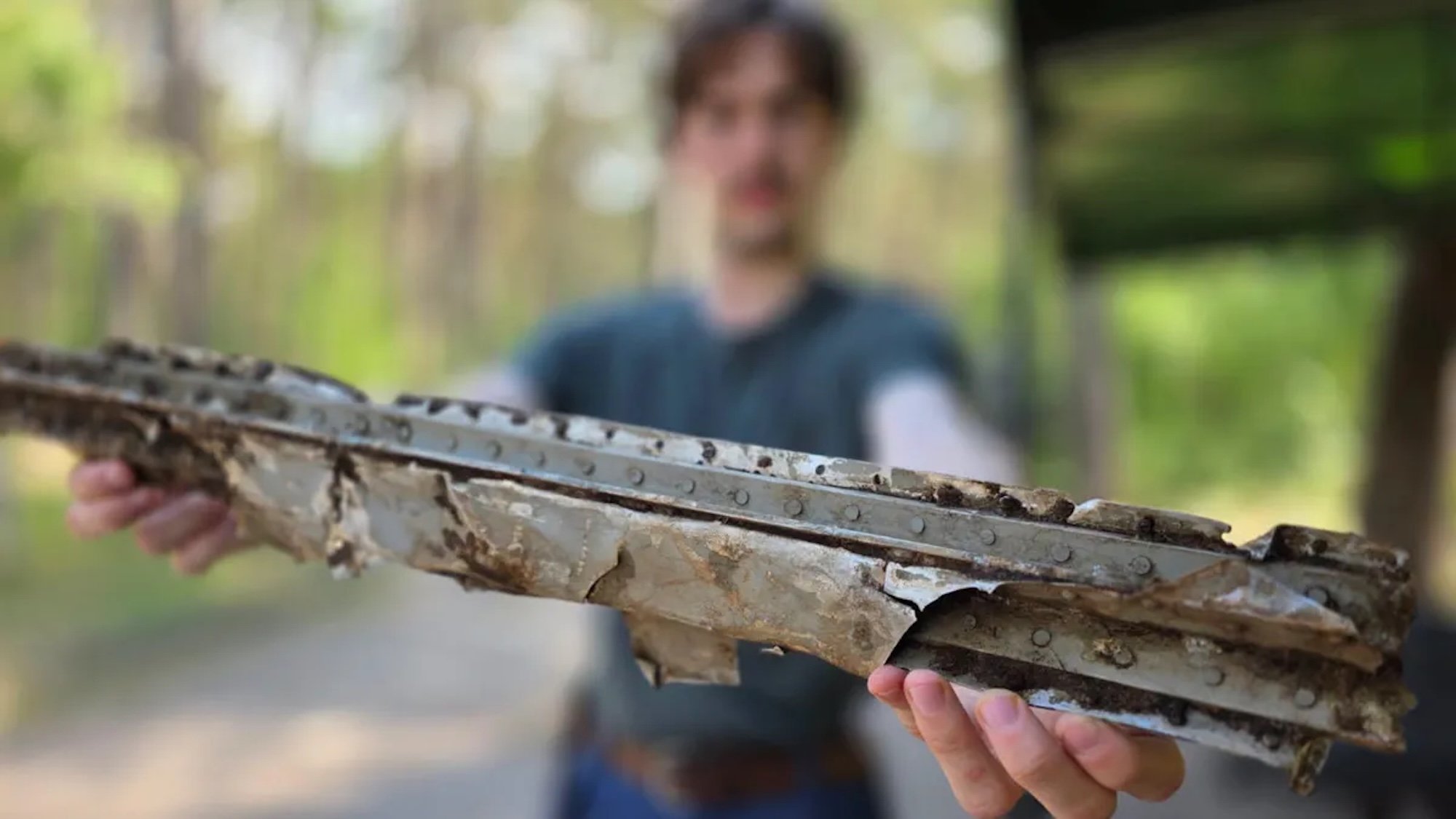
A hiker’s recent berry-picking trip in the woods along the northern Polish-German border yielded more than a basket of fruit. After inspecting metal fragments found among the trees near the city of Świnoujście, historians say the area may hide further remains of an Allied airplane crash from World War II.
“The very first inspection indicated that this was no random piece of scrap metal,” Wiktor Czeszewski at Poland’s Coastal Defense Museum told TVP World, the nation’s public broadcast news outlet. “The nature of the sheet metal, riveting, traces of aircraft structure, and spent ammunition indicate these are fragments of an aircraft.”
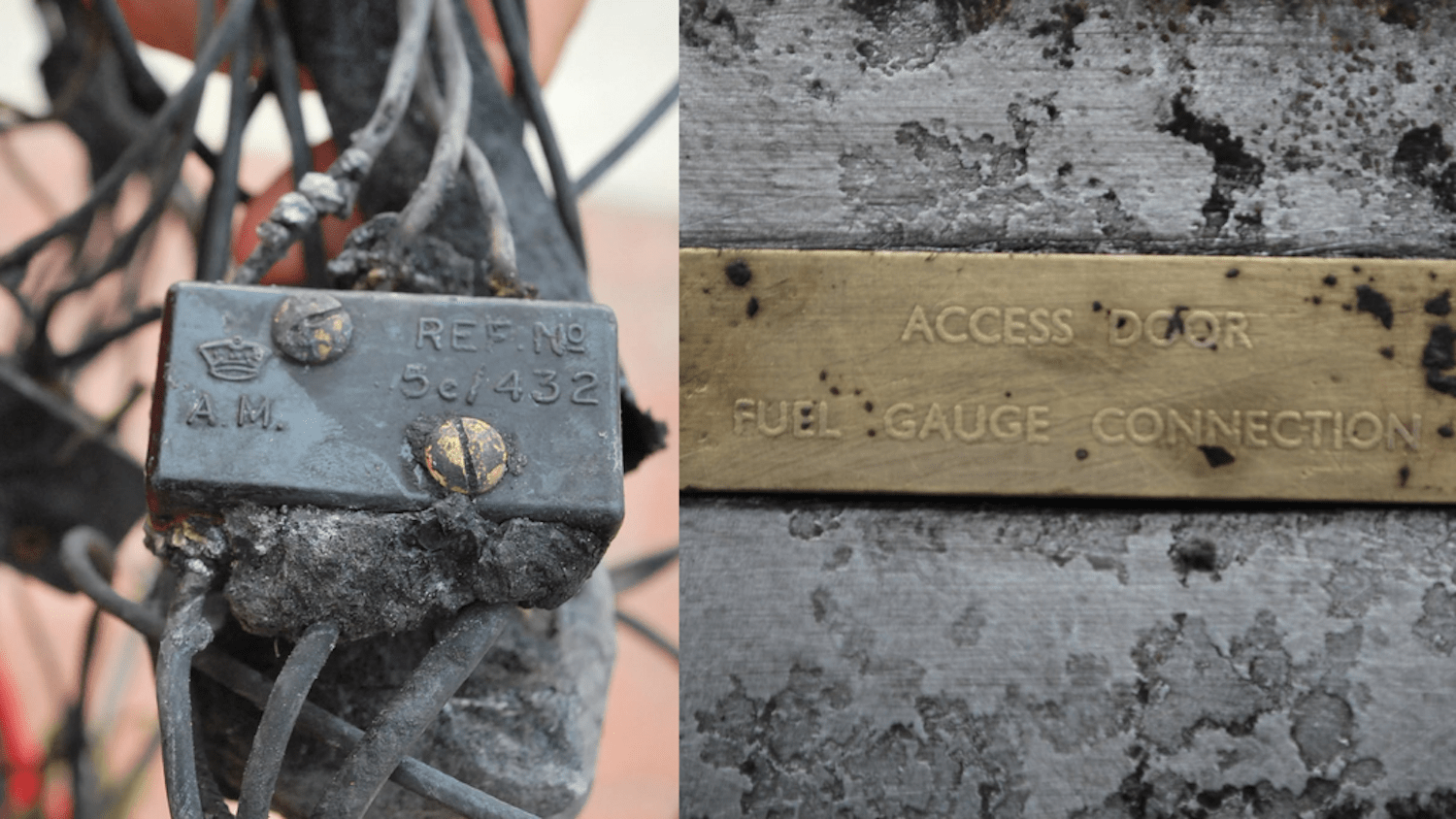
Czeszewski’s team quickly traveled to the site of the hiker’s find, where they discovered even more wreckage, as well as spent ammunition traced to a type used in British airplane machine guns. A small tube artifact also featured an identification number that possibly links to a Rolls-Royce Merlin engine. Developed by the British manufacturer in the early 1930s, the liquid-cooled, 27-liter, V12 piston aero engine became synonymous with Allied fighter planes like the Hawker Hurricane and Supermarine Spitfire, as well as the Avro Lancaster heavy bomber.
Known as Swinemünde during German occupation, Świnoujście became a focal point of combat during World War II’s final months. Allied forces targeted industrial hubs across the area during multiple aerial missions, leading to casualties on both sides. Based on the condition of the wreckage, historians believe the aircraft was likely shot down by coastal anti-aircraft batteries.
Little else can be gleaned from the artifacts at the moment, but museum officials are now urging local authorities to treat the area as a potential crash site. Since pilot and crew remains may also still be buried underground, careful excavation work is even more important.
“We still have many questions and likely more than one surprise ahead of us,” added museum official Milan Litwinowicz.
