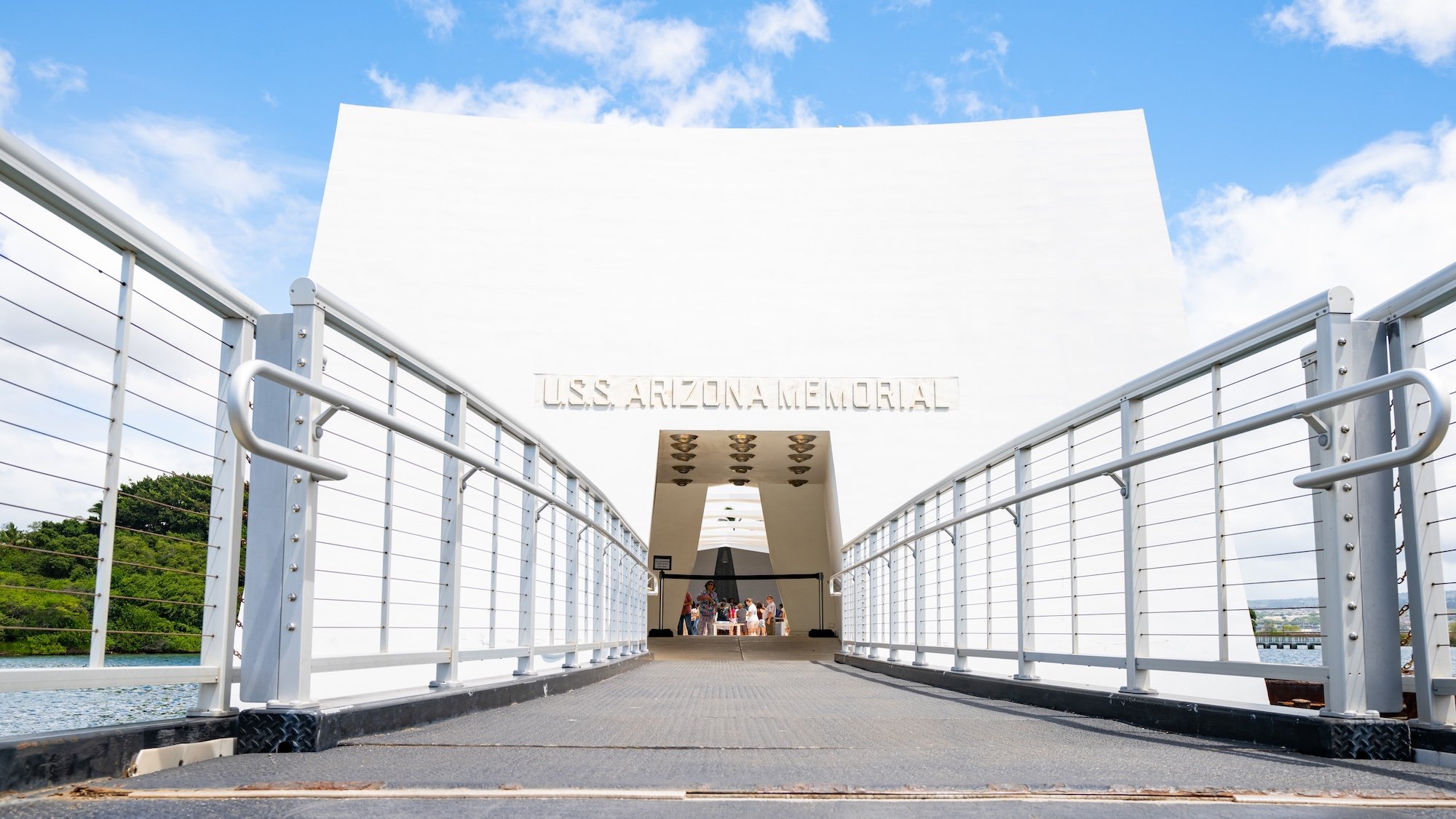
The United States’ 63 official National Parks are often renowned for their natural beauty, but many of them are also hubs of history. To help honor both the country’s 250th birthday and the upcoming 85th anniversary of the attack on Pearl Harbor, more than a dozen locations are participating in World War II Across America’s National Parks. According to a recent announcement, three parks from around the country will highlight “different parts of America’s wartime story, including both triumphs and tragedies” every week leading up to December 7.
“This list of parks is by no means exclusive, nor are the stories that will be shared,” park representatives wrote on social media. “They represent just a fraction of the war’s impact on our parks and the nation, with many of those impacts still felt today.”
While the project began with the Pearl Harbor National Memorial itself, the two subsequent entries are arguably lesser known for their relationships to WWII—Governors Island National Monument in New York and Golden Gate Recreation Area in California.
An eastern military headquarters
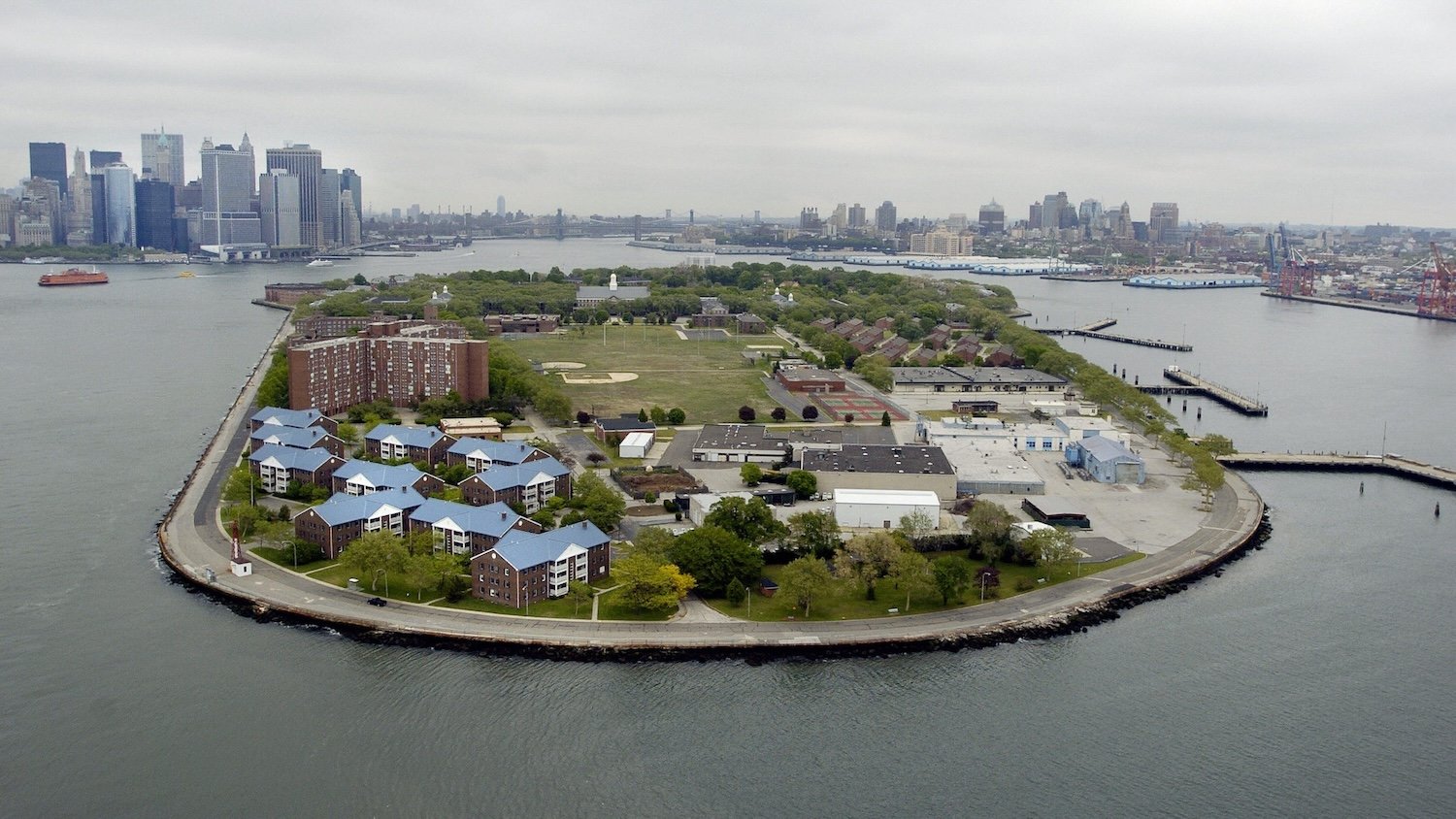
Located in New York Harbor near Lower Manhattan, Governors Island National Monument commemorates the location of the Eastern Theater of Operations, later renamed the Eastern Defense Command in 1942. The U.S. established the military headquarters here two weeks after the attack on Pearl Harbor. This headquarters oversaw protecting the then 40 states, Washington D.C., as well as Army bases in Bermuda, Iceland, Greenland, and Newfoundland.
Governors Island also oversaw New York City’s defensive brownouts and blackouts to guard residents against any suspected aerial bombardments.
Anti-submarine nets, blackouts, and other domestic defences
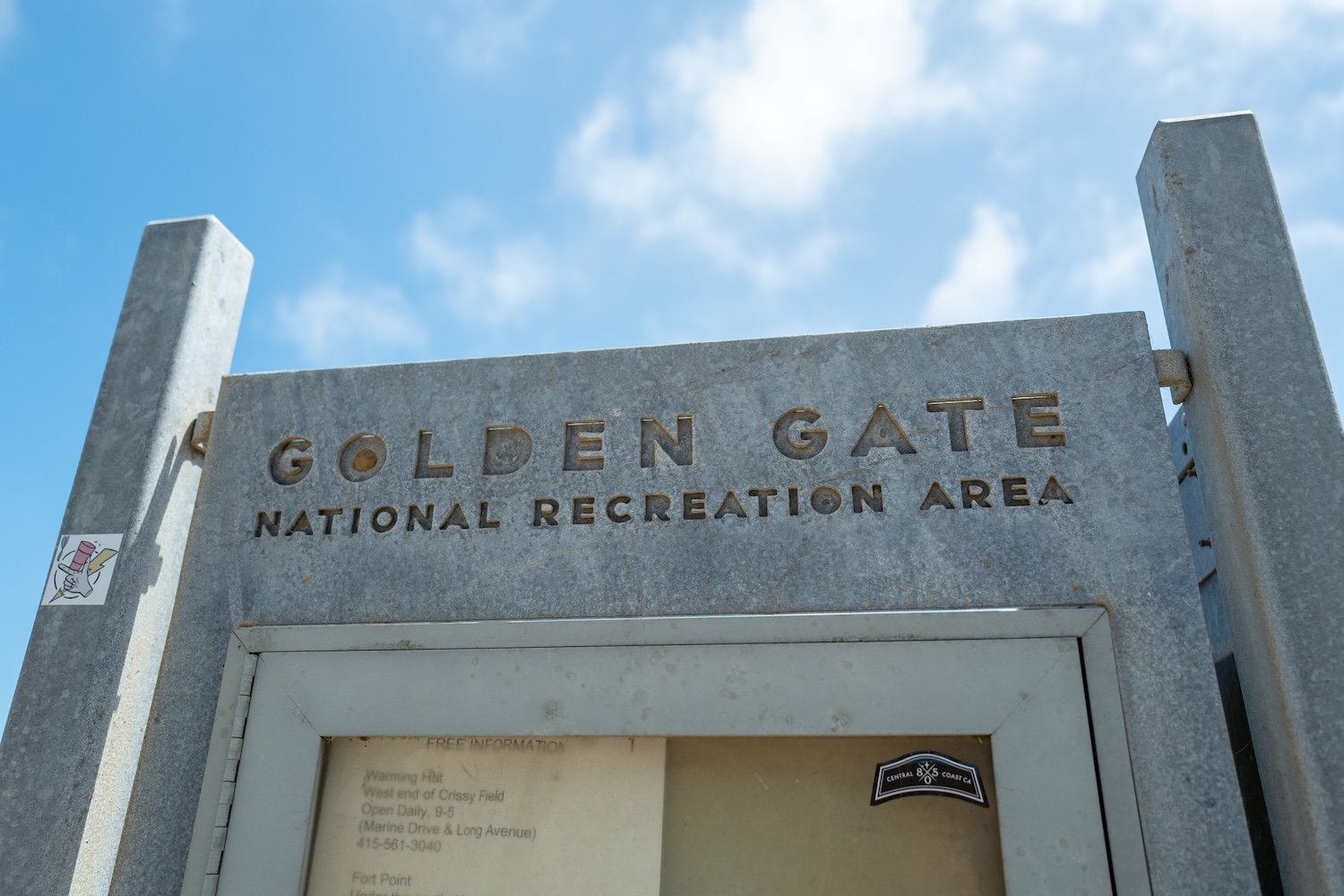
On the other side of the country,the Golden Gate Recreation Area, was vital to the West Coast’s domestic defense during WWII. At the newly established Fort Cronkhite, thousands of troops in the Harbor Defenses of San Francisco mandated evening blackouts around the Bay Area, while maintaining an anti-submarine net, anti-aircraft weapons, and 600 underwater mines. The fort also included two 500-pound battery guns that were ready to aim at any potential incoming enemy naval vessels. Even today, many of the site’s hastily built, temporary wooden structures are still used by non-profit and educational park partners.
To keep up with the series, the National Park Service recommends following the #WWIINPS and #Freedom250 hashtags on social media. Next up for celebration: the Redwood National and State Parks.