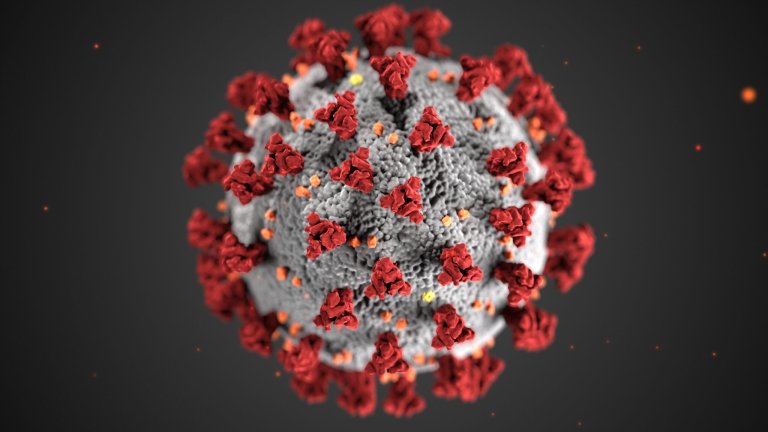
cdc

Feature

My Quest To Analyze Every Man-Made Chemical In My Body

Every day we're exposed to thousands of man-made chemicals, some of which seep into our bodies and remain there for decades. What that means for our health, we don't fully understand--but I subjected myself to a battery of new tests in search of answers

Let’s start with the bad news: You are saturated with man-made chemicals, some of them toxic. Today’s exposure began when compounds in your shampoo and shaving cream seeped into your skin cells, and during your morning coffee, when you drank chemicals that were released into your brew as hot water ran against the plastic walls of your coffeemaker. It continued all day as you touched industrial chemicals in packaging, or walked through pesticide-sprayed lawns, or cooked dinner on nonstick pans.

[ Read Full Story ]
Feature

Instant Expert: the Return of Swine Flu

The Big Question: How many people will it infect this year?

Flu season in the Southern Hemisphere is almost over—and now it’s heading back our way. At the time this issue went to press, there were more than 162,000 confirmed cases and 1,154 deaths worldwide from “novel H1N1,” a.k.a. swine flu, but the Centers for Disease Control and Prevention believes this figure is a gross underestimate, especially since only a fraction of people who have the flu go to the hospital.

[ Read Full Story ]

New Flu Treatment Outsmarts Mutations

A new drug could foil any outbreak

Before swine flu swept through the U.S., the virus had bounced around South America undetected for years. The H1N1 strain caught scientists by surprise, and without a vaccine. But a few weeks before the first North American case popped up, researchers successfully tested a therapy that could knock out almost any flu, and possibly any virus.

[ Read Full Story ]

Swine Flu Is Still Here

Mexico returns to normal while other countries grapple with the spread of the disease. Plus, a flu blog roundup

While the streets of Mexico City once again host the packed crowds, dense traffic, and general activity familiar to capitolinos before the outbreak of swine flu, other cities have now moved to stop the spread of the disease.

Here in New York City, a school assistant principal who contracted the flu died from complications related to the disease. However, even though Mitchell Wiener had an existing condition that contributed significantly to his death, 11 New York City schools remain closed.

[ Read Full Story ]

Cheney Cut Testimony on Health Consequences of Climate Change to Avoid Regulation, Claims EPA Official

A former adviser says the Vice President ignored important testimony from the CDC that linked carbon dioxide to health problems

In addition to drowning polar bears and winning Al Gore a Nobel Prize, climate change may have serious public health consequences. But thanks to Vice President Cheney, you may not find out what those health implications are until you feel them. Today a former Environmental Protection Agency official said Cheney pushed for the deletion of key components of congressional testimony.

[ Read Full Story ]

Toxic Travel Trailers

FEMA is urged to move residents after reports that their trailers have dangerously high levels of formaldehyde—but the news is nothing new

As the third Spring since hurricane Katrina approaches, officials at the Centers for Disease Control today urged FEMA to move the 114,000 people who still live in "temporary" travel trailers as quickly as possible. The problem? Dangerously high levels of formaldehyde—a known carcinogen and respiratory irritant—which will only increase as the heat takes its toll on unstable building materials.

[ Read Full Story ]


Download Our iPhone App

Stay up to date on the latest news of the future of science and technology from your iPhone with full articles, images and offline viewing


Follow Us On Twitter

Featuring every article from the magazine and website, plus links from around the Web. Also see our PopSci DIY feed


Become a Fan On Facebook

Share links with friends, comment on stories and more


December 2009: Best of What's New

In our December issue, Popular Science names the 100 best innovations of the year: bombproof wallpaper, self-parking cars, the fastest helicopter, and 97 more. Plus inventor profiles and videos.

Check out the best of what's new here.

Popular Science Photo Pool


Share your photos in the Pop Sci pool at www.flickr.com!
tags_sprite.png
POP_embeddedForm_cover_May09.jpg