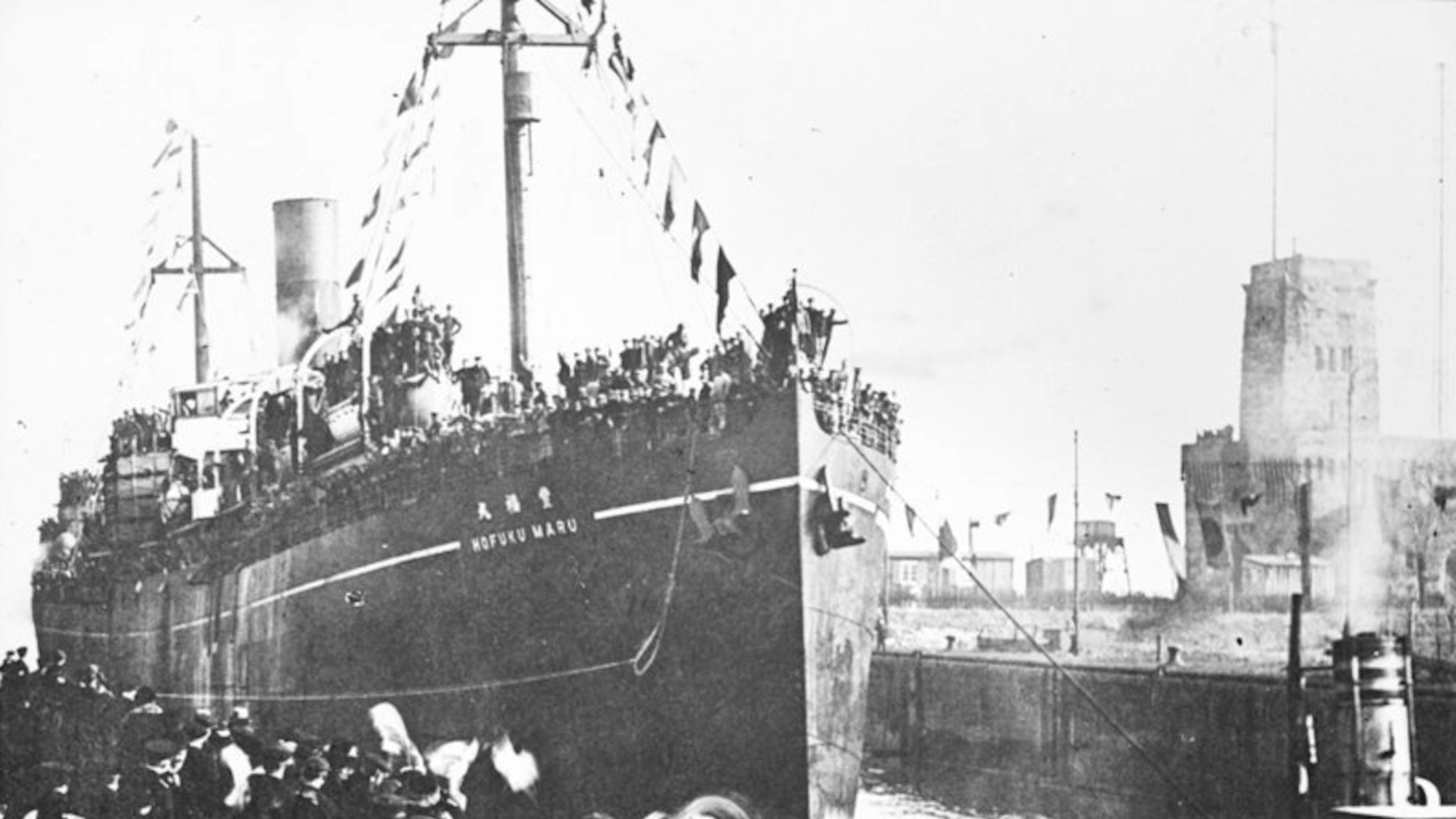
After over 80 years, a team of marine archeologists and historians believe that they’ve uncovered a lost piece of World War II history. The remains of the Japanese freighter Hōfuku Maru were spotted off of the western coast of the Philippines. But the Hōfuku Maru was not just a run of the mill military vessel. The freighter was called a Hellship.
Hellships were requisitioned merchant ships that the Japanese Navy used to transport prisoners of war during WWII in horrific conditions. Inmates died from thirst, heat, beatings, and executions—as well as inadvertent Allied attacks. Hellships traveled within military convoys, and the Allies didn’t know they were transporting prisoners of war. Historians estimate that 20,000 of the over 125,000 Allied prisoners that traveled on Hellships died onboard.
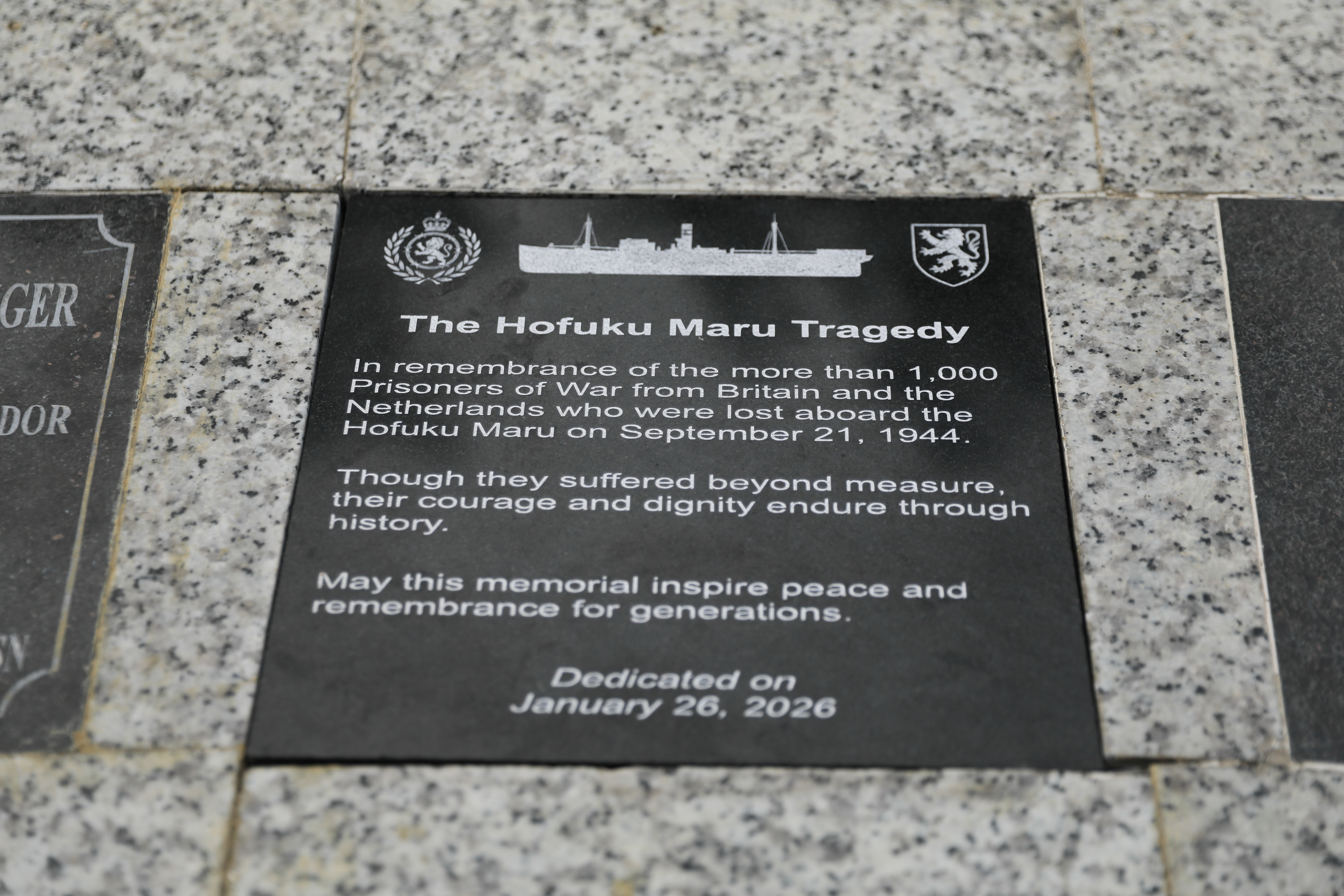
The remains of Hōfuku Maru were discovered off the coast of the Philippines’ Zambales province. On September 21, 1944, more than 1,000 Allied servicemen died aboard the Hōfuku Maru, when it sank in less than three minutes.The ship had up to 1,000 British and Dutch prisoners in its holds, but the shipwrecks’ identity and location was forgotten.
In both American and Japanese military archives, the Hellships Memorial Foundation found documents claiming that the Hōfuku Maru sank over 30 miles away from where it was assumed to have gone down..
“We were absolutely stunned that Japanese sources had information on where the convoy was attacked and what ships were hit – this was a smoking gun,” retired Naval Officer Randy Anderson and Hellships Memorial Foundation founder, said in a statement.
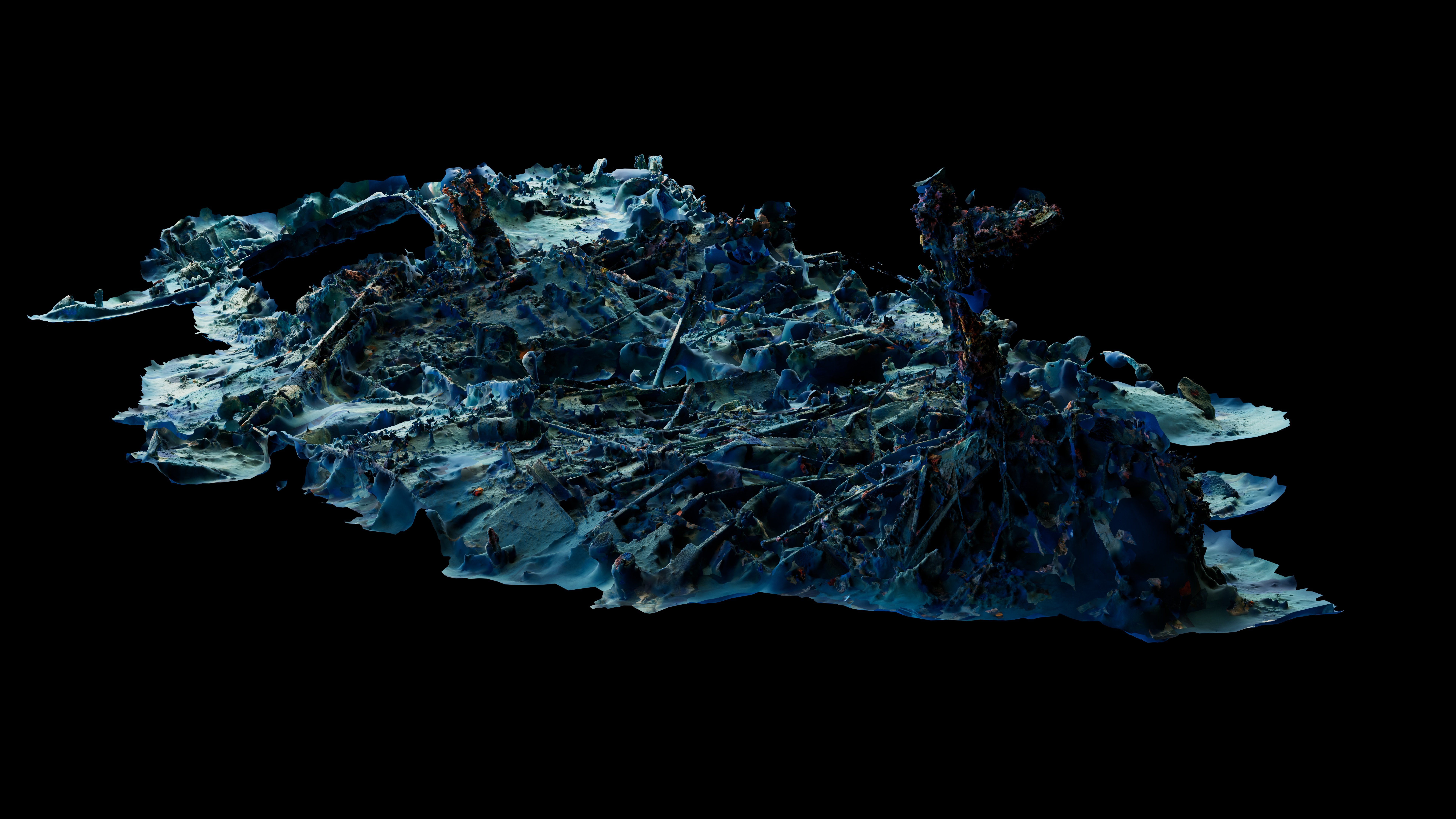
Thus a team, including imaging specialist Evan Kovacs, maritime archaeologist Calvin Mires, and TV presenter/explorer Josh Gates, came together to track down the mysterious shipwreck. Sonar imaging verified the presence of an uncharted wreck in the area they were investigating, and then identified the wreck during deepwater dives. The team also found human remains.
The available evidence points to the Hōfuku Maru. Various elements align perfectly with the vessel’s blueprints, and the wreck is broken into two parts, which matches descriptions by both Americans and Japanese. The remains of the vessel lay beneath over 160 feet of water.
“The pieces all fit,” said Tim Beckensall, a researcher at the Hellships Memorial Foundation, “the vessel is the right size, in the right place and from the correct period. I am convinced this is the Hōfuku Maru.”
The findings will feature in the two-part premiere of Discovery’s Expedition Unknown airing on June 24th.
“The story of the Hellships is a chapter in the history of WWII that demands to be brought to light,” highlighted Gates. “The research and dives that led to this groundbreaking discovery can hopefully offer closure to the families of more than a thousand servicemen who made the ultimate sacrifice. It’s a privilege to work alongside the Hellships Memorial Foundation to honor their memories; they are lost no more.”