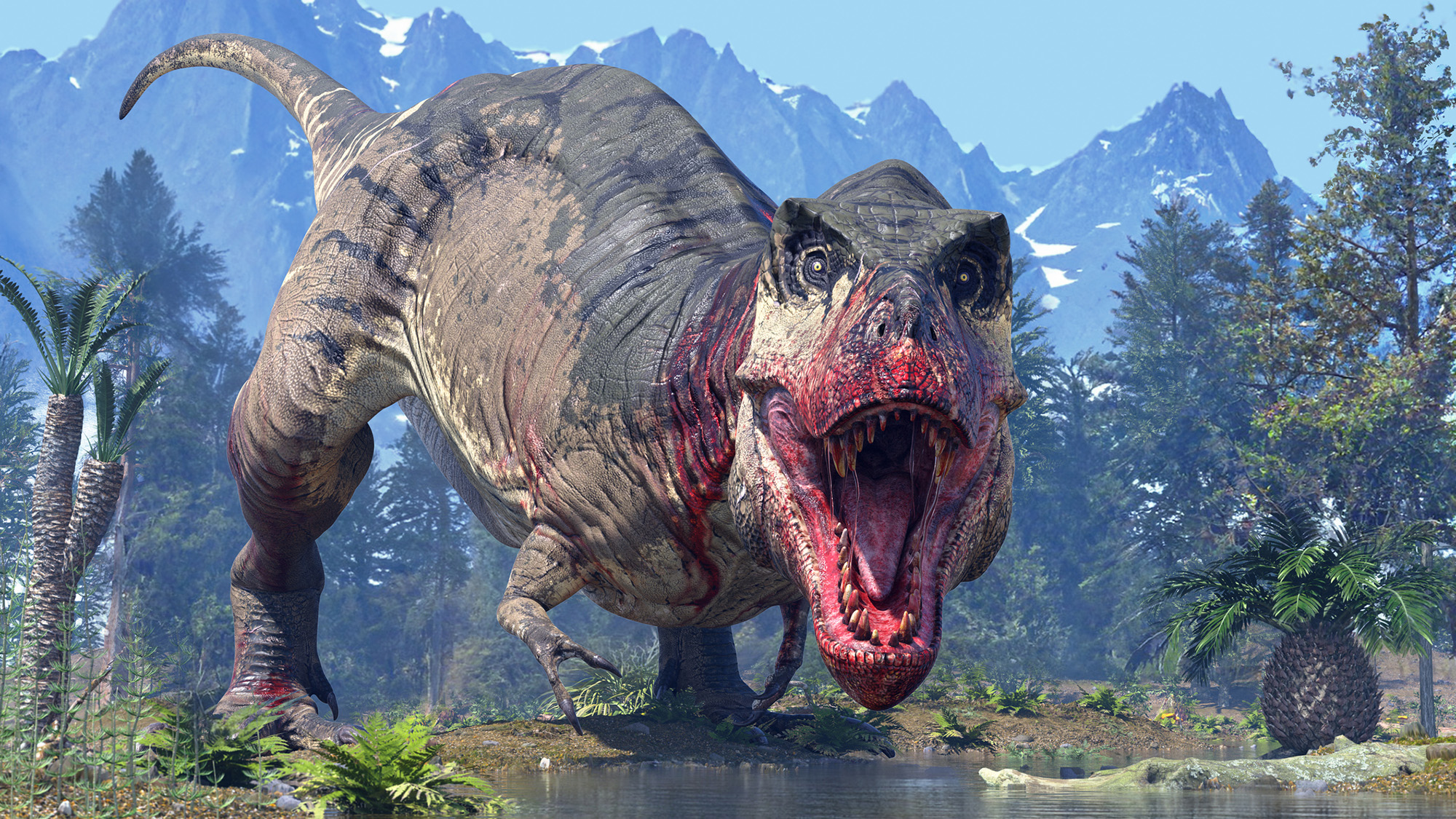
Imagine the world millions of years ago. You’re in forest clearing bordered by tall conifers. Suddenly, the trees part and a Tyrannosaurus rex stomps into view. As it gets closer, the air fills with the smell of fear. And the smell of T. rex. It’s pretty pungent. But what exactly did T. rex’s breath smell like? Experts reckon it wasn’t pleasant.
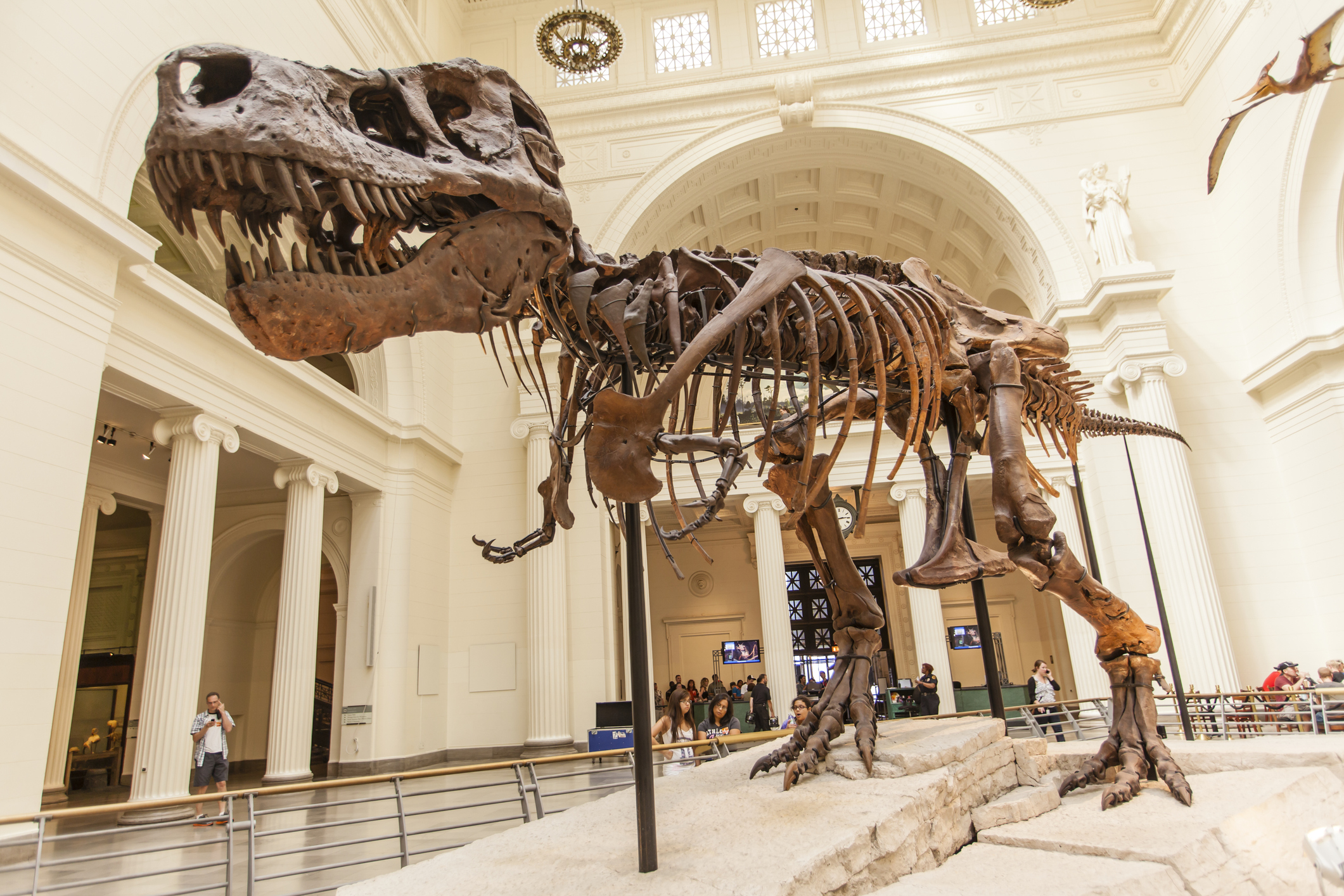
In 2018, the Field Museum in Chicago opened a new exhibit centered around Sue, a 13-foot-tall, 40-foot-long T. rex fossil. Sue is one of the most complete T. rex fossils ever found, and Ben Miller, an exhibition developer at the museum, wanted to make Sue’s exhibit as immersive as possible by stimulating visitors’ senses, including their sense of smell.
“Everybody knows what a T. rex is about, but have they considered what its breath smells like?” he asks Popular Science.
T. rex had very stinky breath
The exhibit incorporated a total of four different scents. Three were plant odors, and the fourth represented Sue’s breath. This last smell was, in short, awful.
“T. rex has fairly widely spaced teeth,” says Miller. “It would be eating mostly by swallowing things whole, and the result of that would probably be that it got a lot of bits of meat stuck in its mouth for long periods of time.”
The team aimed to fashion a rotting meat smell to recreate this slightly unhygienic oral arrangement. The solution came from an unlikely source.
“As it turns out, the way you can get that is there is a synthetic rotting corpse smell that is produced to train disaster response dogs.”
The corpse stink was, at first, slightly too repulsive to unleash on the Field Museum’s unsuspecting visitors, so it was toned down slightly.
What did a Late Cretaceous forest smell like?
Sue likely was too busy hunting to notice she was very much in need of a breath mint. But the massive dinosaur certainly would’ve been able to smell the world around her with great accuracy. So what did Sue’s forest world smell like?
While the fauna of this ancient world was different from ours, we can find approximations of many of these long-gone scents today.
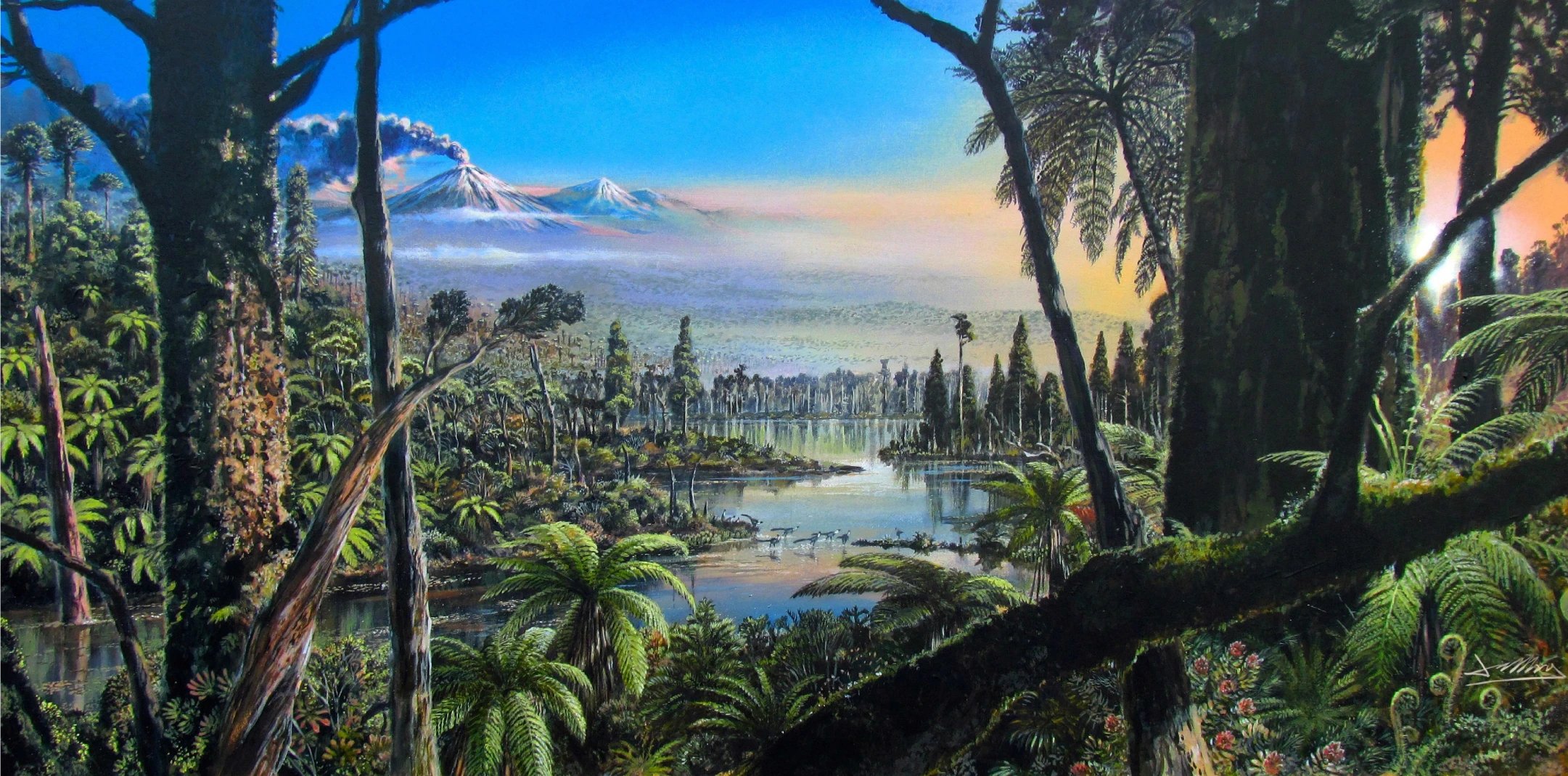
The other three scents Miller developed for the Field’s exhibit reflected the prehistoric forests T. rex once stalked across North America. In fact, the scents are more familiar than you might think.
“By this point in time, 66 million years ago, flowering plants had pretty much taken over,” says Miller. To recreate the smell of the ancient forest, the team used three scents: ginger root, tulip poplar, and cypress.
The smells have been a part of Sue’s exhibit ever since, and have proved a hit with kids visiting the museum.
What did dinner smell like to T. rex?
The Field isn’t the only museum to send visitors’ noses back in time. The Children’s Museum of Indianapolis’s Dinosphere exhibit incorporates scents into its immersive world, which transports visitors back to the Late Cretaceous period between 68 and 66 million years ago.
In part of this display, a kiosk asks visitors to choose between three scented containers and decide which one represents something a T. rex would want to eat.
Melissa Pederson, an exhibit developer at the Children’s Museum of Indianapolis, says that two scents were plants—magnolia and pine—which would be of little interest to the carnivorous T. rex.
Pederson’s team wanted the third scent to mimic the dung of the duckbill dinosaur, Hadrosaurus. Pedersen says that the museum contacted a scent fabricator, who recommended that the best way to mimic the droppings of this large, plant-eating beast would be to use the scent excreted by a non-extinct, similarly large vegetarian. The team ended up with a jar of elephant dung scent.
The jar’s odor wasn’t totally unpleasant, says Pederson. It’s “kind of a sweet scent,” she explains.
Pederson says her museum’s scent experiments help immerse visitors in its exhibits.
“It’s always the goal, in at least some capacity, to evoke emotion in our spaces.”
Opening a window into a time long past, only to discover that some scents persist for millions of years, consistently draws a reaction from the kids and families exploring the museum.
“In a lot of our spaces, the emotions we try to evoke are surprise and delight. We see a lot of that,” Pederson says.
In Ask Us Anything, Popular Science answers your most outlandish, mind-burning questions, from the everyday things you’ve always wondered to the bizarre things you never thought to ask. Have something you’ve always wanted to know? Ask us.
Related 'Ask Us Anything' Stories