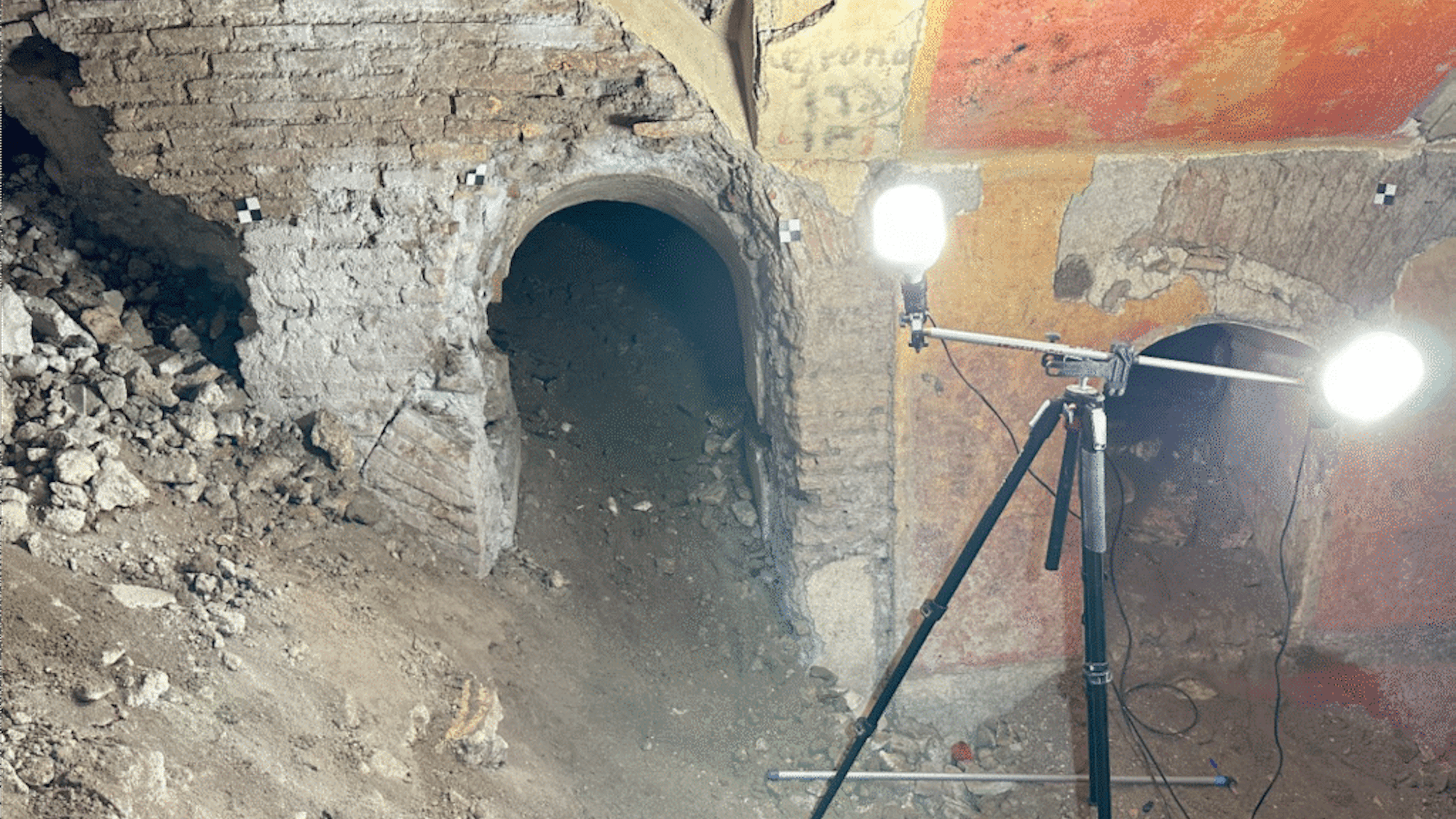
Like all high schools, Cavour Scientific High School has its fair share of rumors. For years, students swore that their classrooms were built atop ancient, unexplored Roman ruins. Their theories were understandable given the school’s impressive view.. From its front steps on Via degil Annibaldi, Cavour Scientific High School is less than a five minute stroll to the Colosseum. Yes, that Colosseum.
The monumental symbol of ancient Rome is only one example of the surrounding neighborhood’s historical significance. Famous figures including Pompey, Cicero, and Emperor Augustus all lived there, but much of the vital archaeological record remains buried underneath centuries of municipal development. The school, originally built during the late 19th century as a missionary complex, is its own testament to this constant change. Although construction work at the time revealed portions of a large Roman villa home known as a domus, no one conducted extensive surveys of the remnants. Instead, the domus’ true size and condition was a matter of speculation for generations.
Knowing this, local students recently undertook multiple clandestine explorations through passageways underneath the gymnasium and finally confirmed longtime suspicions: an ancient, luxurious Roman abode resides beneath their hallways. After their history and Latin teacher reported the findings to the Special Superintendency of Rome, archaeologists spent months excavating the area earlier this year. Now known as the Domus Liceo Cavour (House of the Cavour High School), is offering experts a remarkable glimpse of Roman life circa the mid-second century CE.
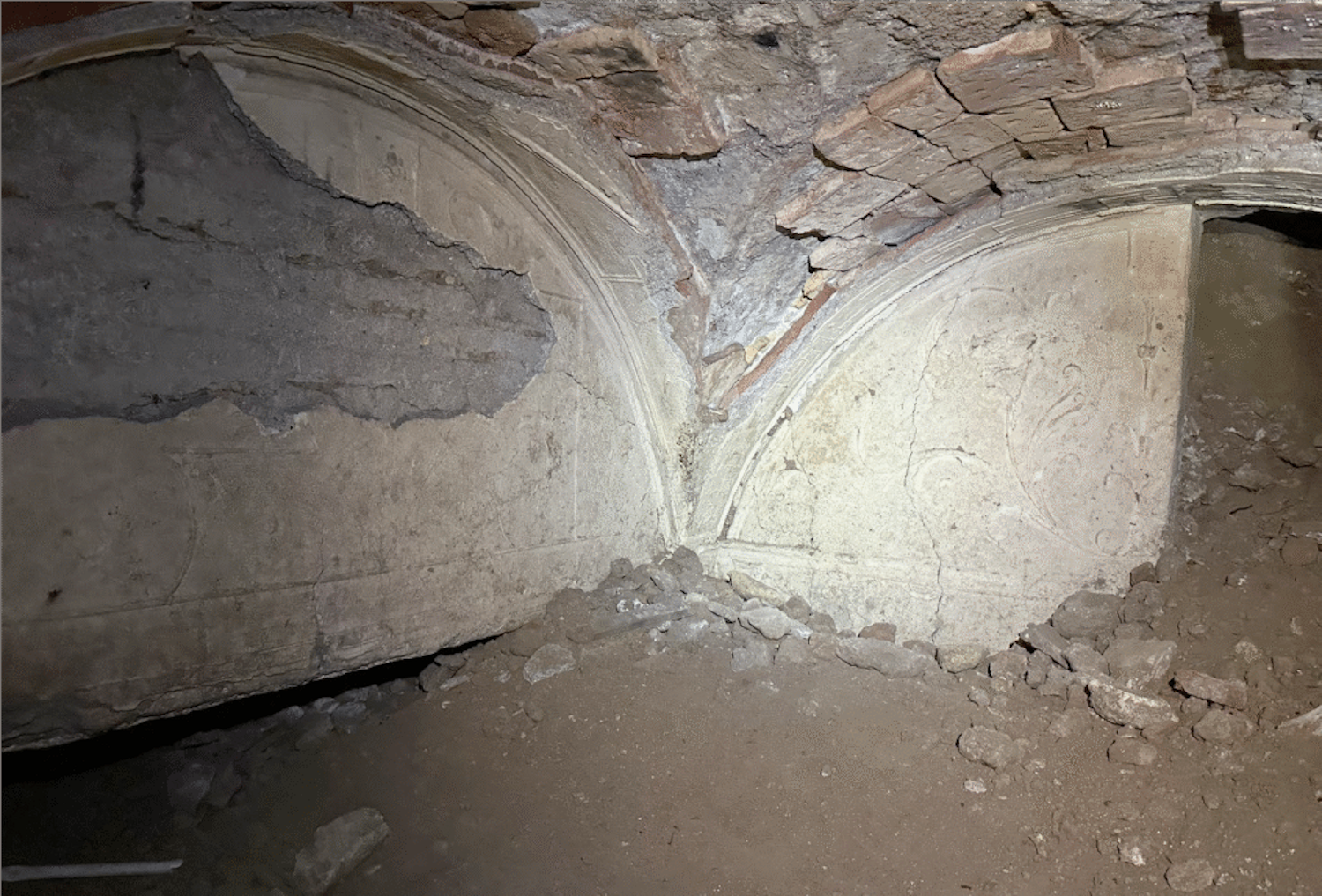
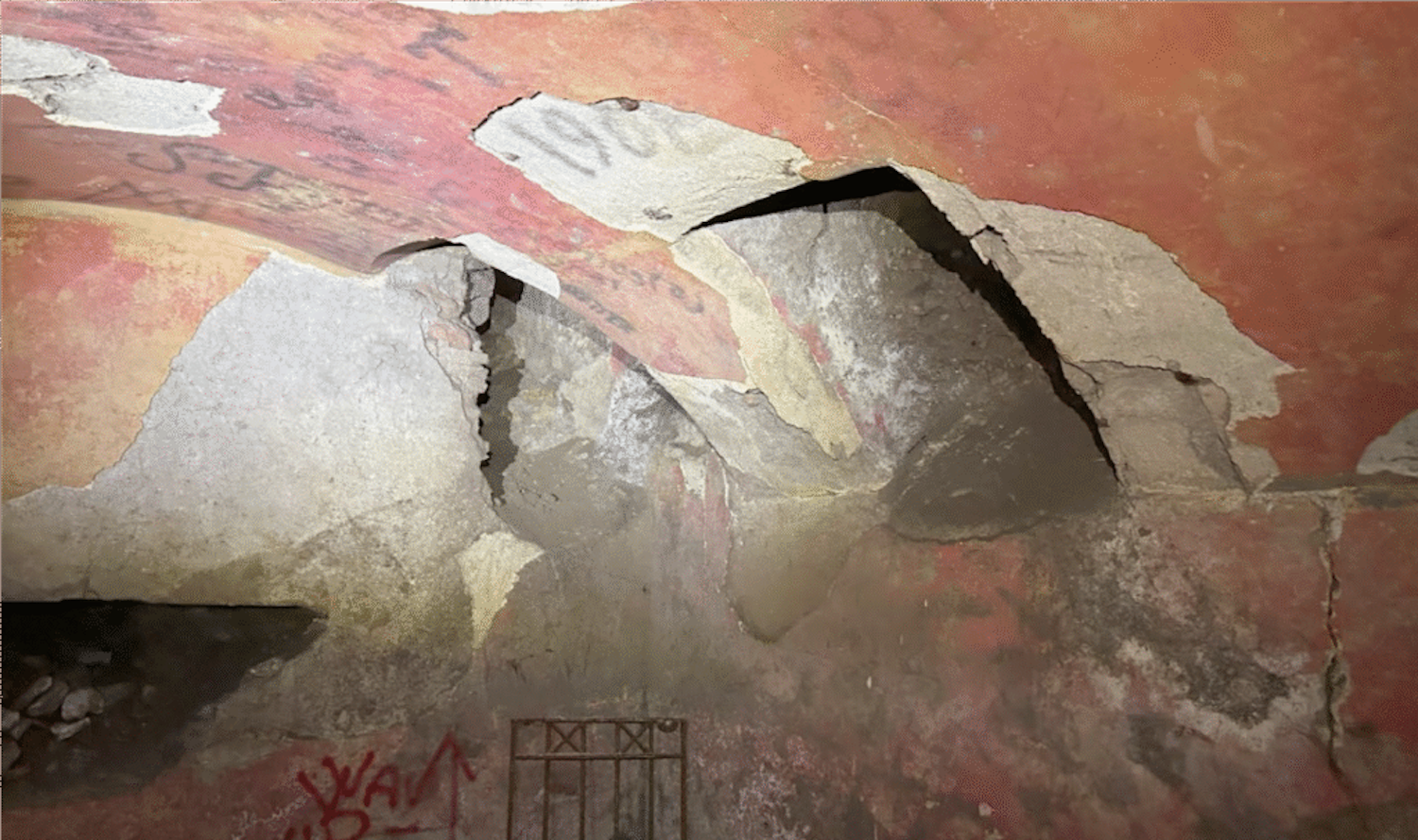
The house is impressively preserved despite its age. Archaeologists documented decorative stucco along the vaulted ceilings, floral wall frescos, and even a detailed mosaic featuring irregularly shaped tiles that were popular with wealthy Romans at the time. An inscription left during the first excavation project in the 19th century reports the home likely belonged to someone in the Umbrius family. Although not much is known about them, they possibly originated in Samnium, an area in south-central Italy near Pompeii.
Archaeologists hope to continue their work sometime in the future, and school officials plan to eventually open the site to the public. Until then, much more of Domus Liceo Cavour remains to be examined—including a fair amount of graffiti from former students and urban explorers.