Complex problems require creative solutions, and wildlife veterinarian Nielsen Donato is no stranger to what might seem like out-of-the-box problem solving. Last month, Donato and his team at Vets in Practice in the Philippines fixed temporary wheels onto an Aldabra giant tortoise (Aldabrachelys gigantea) that was struggling to walk.
More recently, they built a contraption to care for a four-year-old African spurred tortoise (Geochelone sulcata) that had been run over by a car not once but twice. When the unfortunate reptile was first brought to the clinic, Donato—who is the clinic’s chief surgeon and exotic animal medicine specialist—wasn’t there.
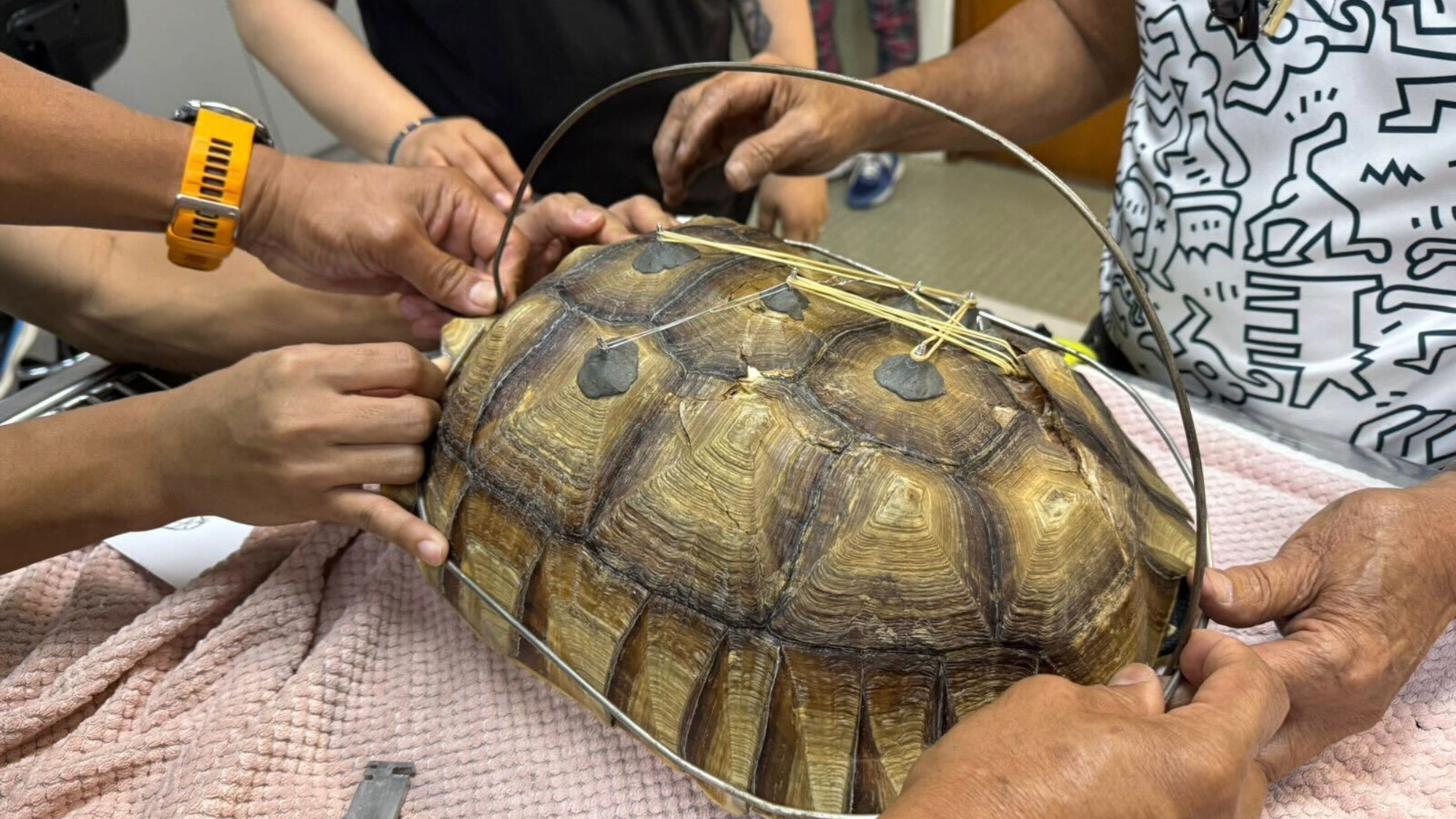
Over the phone, Donato instructed the team to keep the tortoise’s exposed soft tissue damp by rinsing the shell with saline (salt water). They also tried to stabilize the cracks, by fixing inverted screws onto various parts of the shell with epoxy putty, and then tying rubber bands around the screws.
“At this point, our main concern is to stabilize the condition of the turtle from shock, from the injury. So for the first three weeks, we made sure that there were no flies that laid eggs and turned into maggots,” Donato tells Popular Science.
They kept the tortoise hydrated, tube-fed it, kept its wound clean, basked it in the sun, and gave it antibiotics and pain medication.
“And once the tortoise, the sulcata, was more mobile and showing interest in eating on its own, we planned to repair the shell,” he says
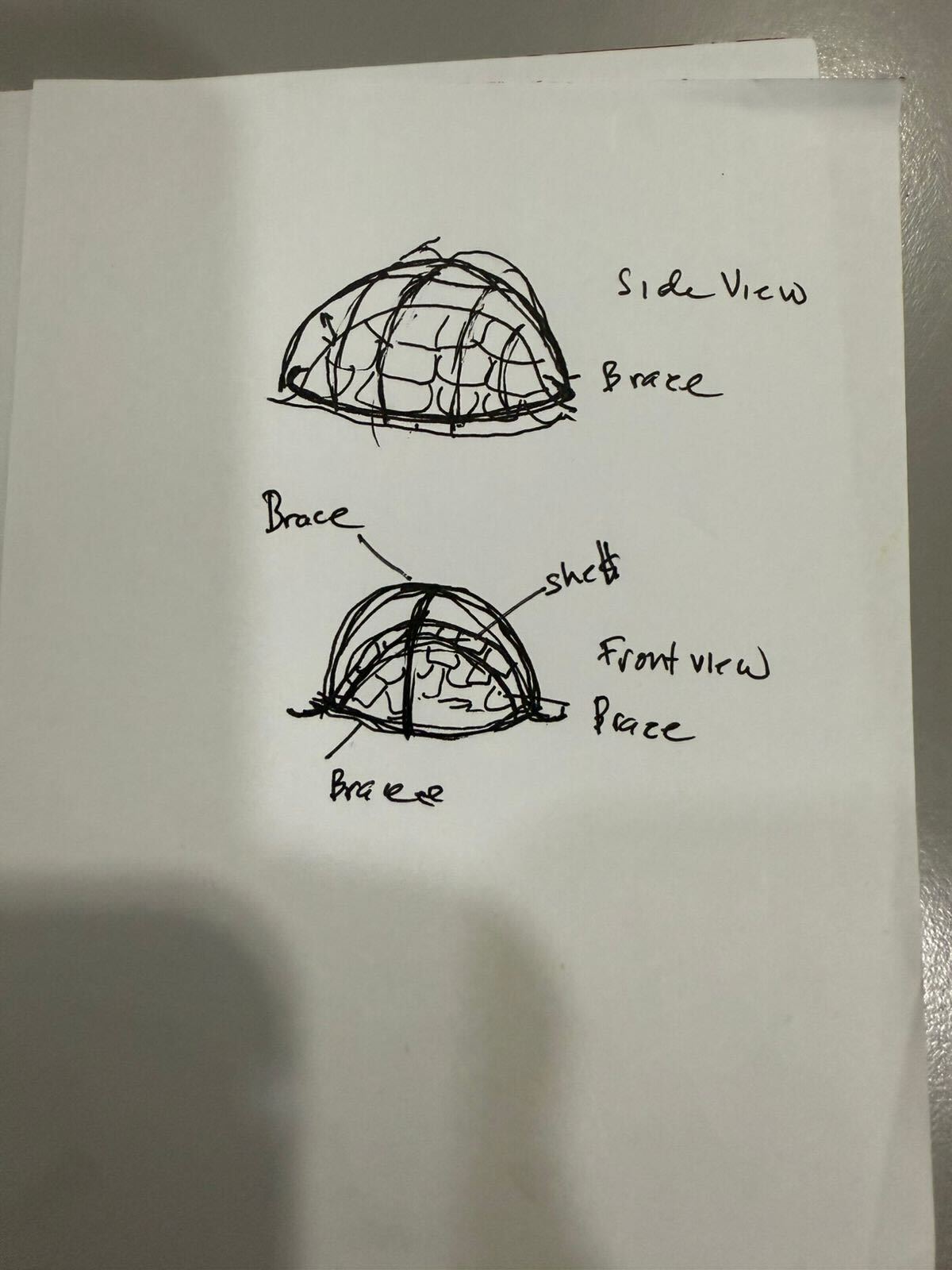
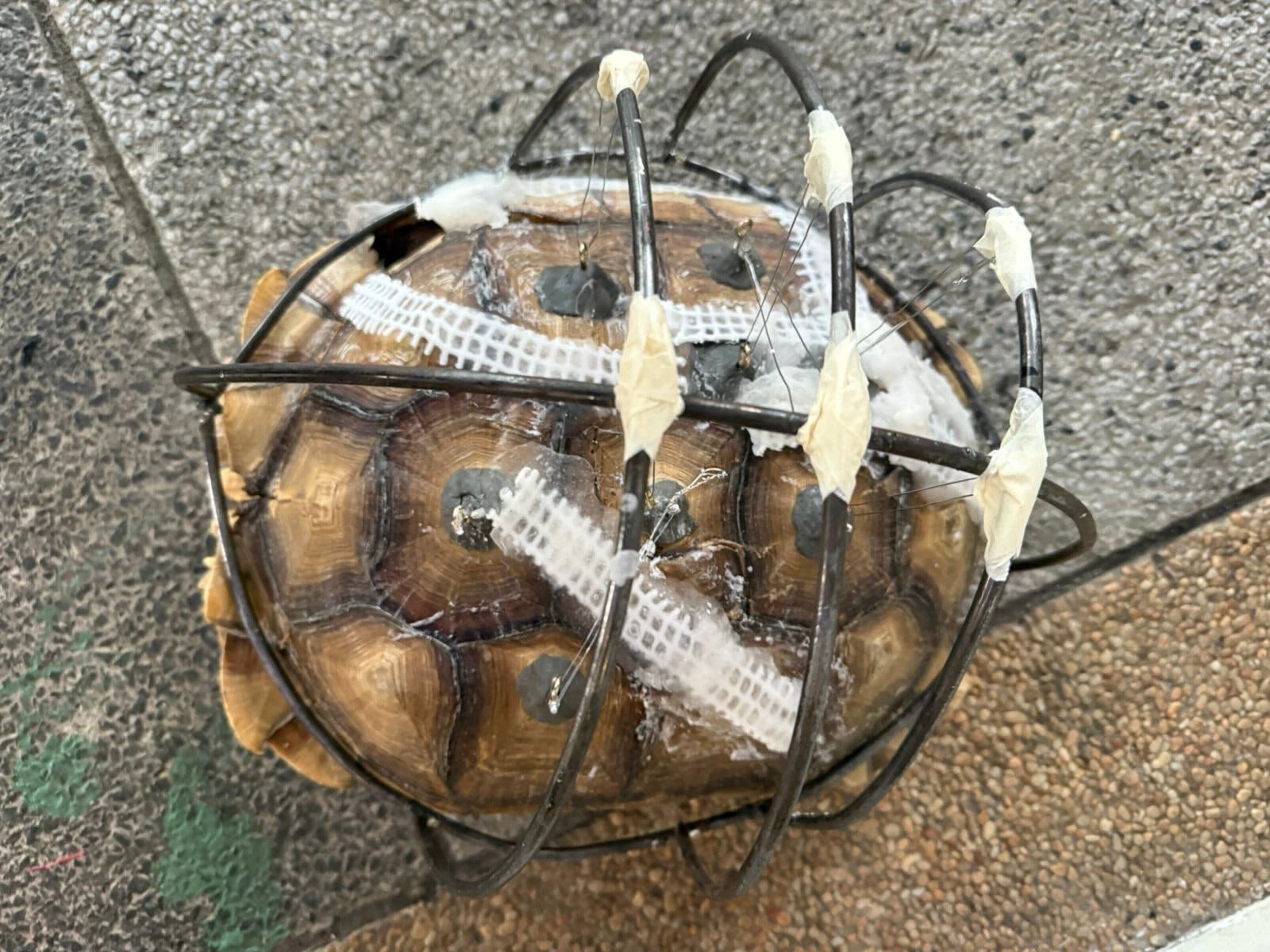
According to Donato, the most difficult part for him was lifting the crushed parts of the shell. So he designed a frame for the shell that, with the help of wires, would pull up these shell parts. And the contraption worked.
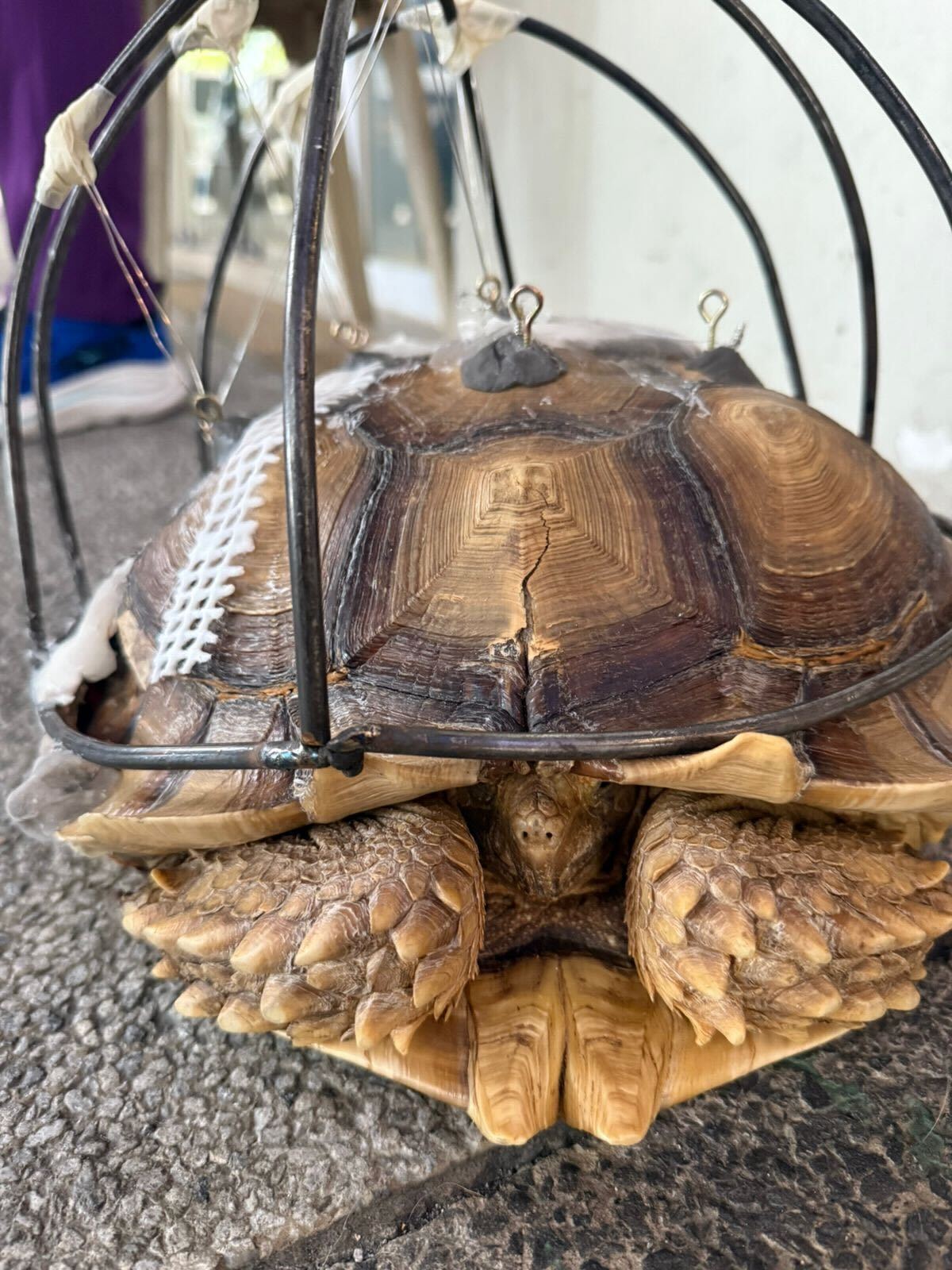
“When we were twisting the wire, we noticed that we were starting to align the shell and the cracks were becoming more opposed to each other,” he explains. The team sealed the cracks with dental acrylic and asked the turtle’s owner to bring it back after three weeks. By the time the tortoise was back in their clinic, the shell had become more stable. The team removed the brace, wires, screws, and putty, and sent it back home again before its next appointment.
“When it visited us lately, it started moving around more actively and the owners were not worried about its appetite because it was eating again,” Donato reports.
One thing is for certain—this tortoise went to shell and back again.