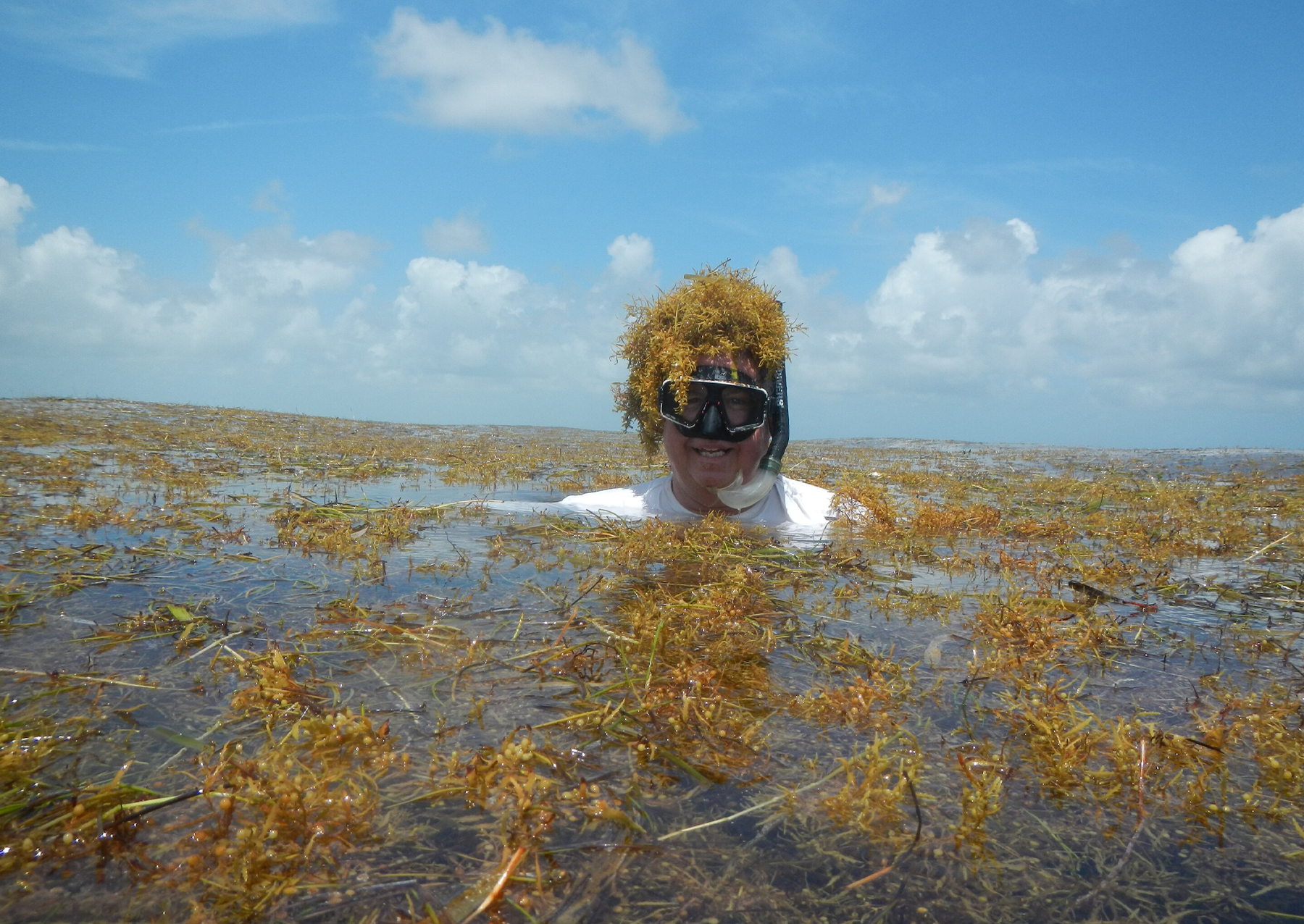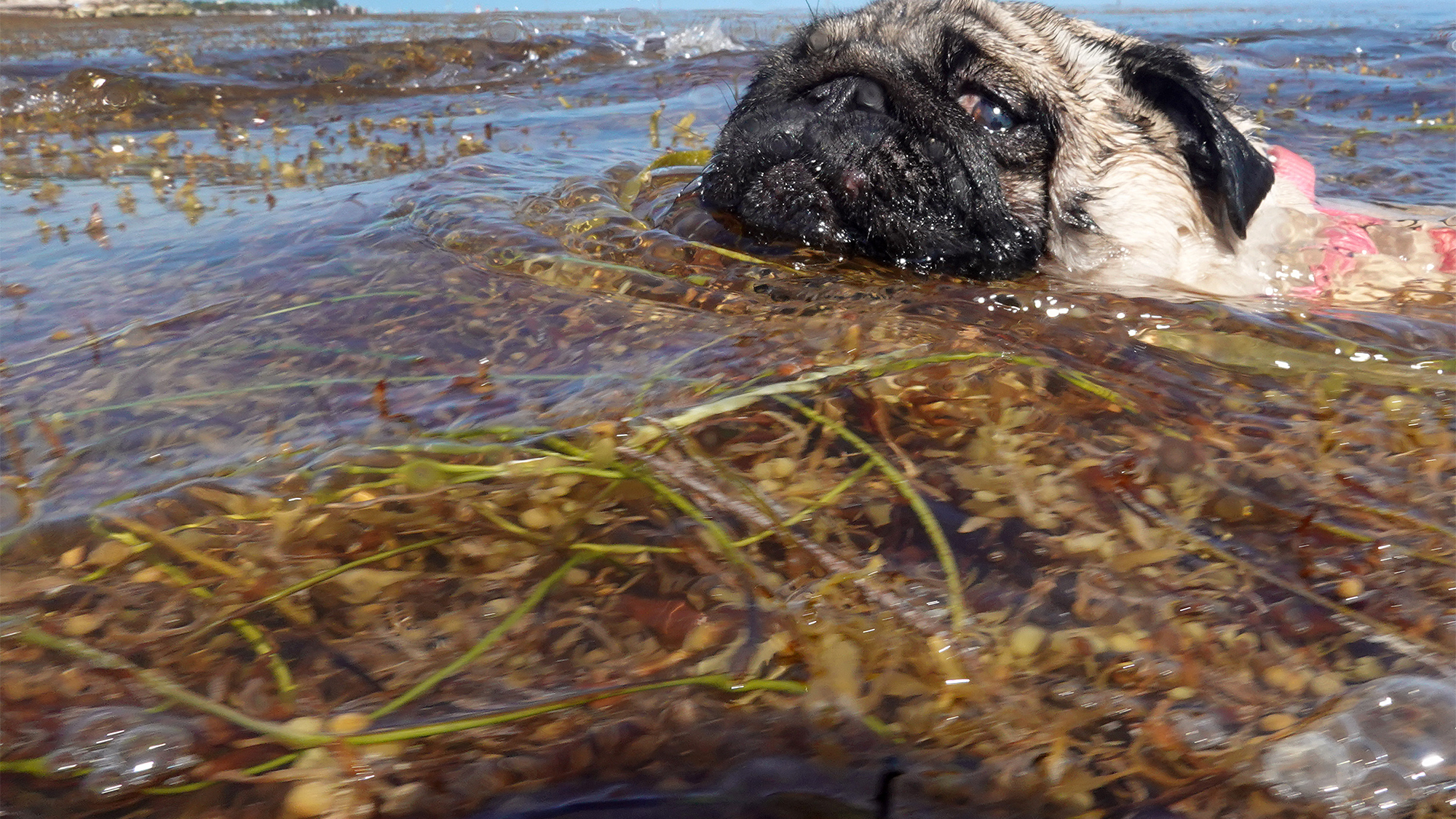
The smelly, gigantic blobs of brown seaweed that drift across the Atlantic Ocean every summer may not seem like a major threat at first glance. Yet, they are major players in Earth’s marine ecosystems. Once believed to be restricted to the nutrient-deprived Sargasso Sea off the United States’ eastern coast, marine biologists now better understand pelagic Sargassum for what it is—a fast growing organism found across a vast range of waters, with complex ramifications for its surroundings.
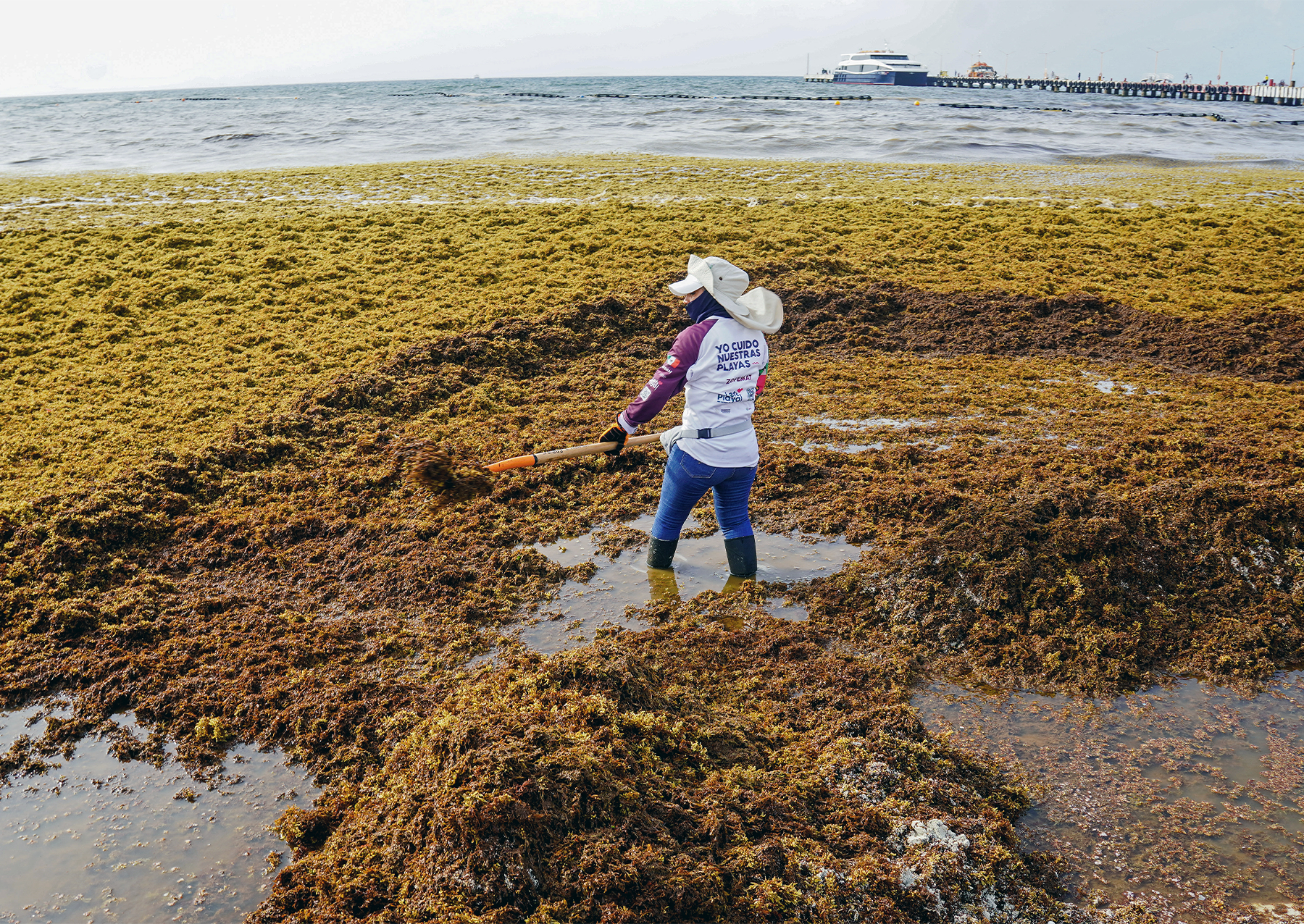
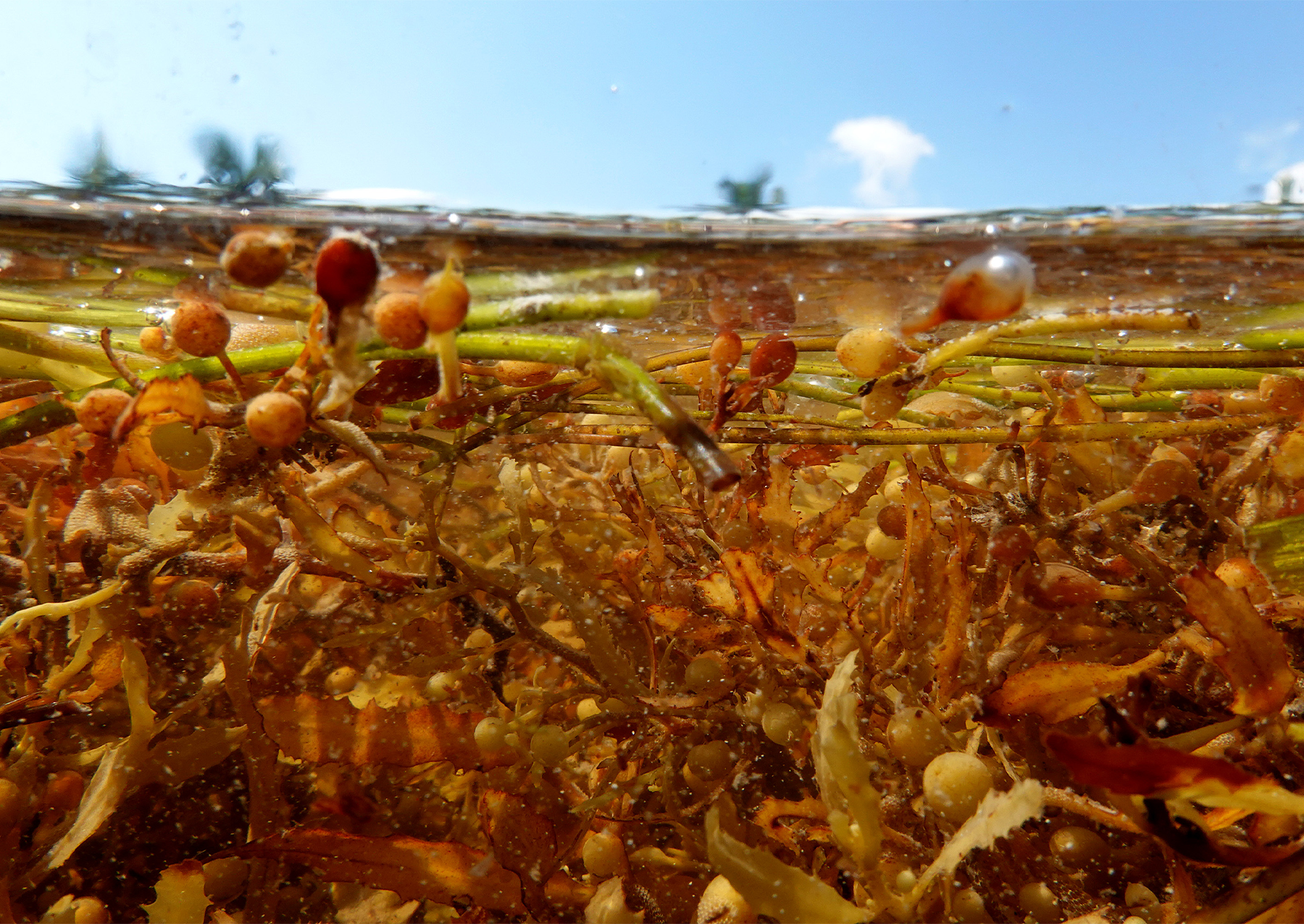
Sargassum is a genus of brown seaweed (and therefore an algae) abundantly found across many of the planet’s oceans. The leafy organism also features gas-filled sacs called pneumatocysts that allow it to float atop water as both a habitat and food source for multiple marine species. However, it quickly can become a nuisance once it washes up on coastal shores. As Sargassum rots, it releases noxious hydrogen sulfide gas which emits its trademark “rotten egg” smell. Although not dangerous in small amounts, exposure to enough of it can cause eyes, nose, and throat irritation.
To better contextualize and study the seaweed, researchers at Florida Atlantic University’s Harbor Branch Oceanographic Institute published a review of 40 years’ worth of data in the journal Harmful Algae that analyzes 40 years of pelagic Sargassum’s development, expansion, and environmental impacts.
“Our review takes a deep dive into the changing story of sargassum– how it’s growing, what’s fueling that growth, and why we’re seeing such a dramatic increase in biomass across the North Atlantic,” FAU Harbor Branch oceanographer and study co-author Brian Lapointe said in a statement.
By better understanding its shifting nutrient composition (particularly its carbon, nitrogen, and phosphorus contents), Lapointe and colleagues hope to understand how the pungent algae changes over time amid its larger ecological context.
Researchers became particularly interested in the seaweed after the first appearance of the Great Atlantic Sargassum Belt in 2011. Stretching from the West African coast all the way to the Gulf of Mexico, the bloom has returned every year except for 2013. And with each reappearance, the Belt only grows larger. In May, it reached a new record biomass of 37.5 million tons, and this excludes the Sargasso Sea’s base biomass of around 7.3 million tons.
Part of Sargassum’s surprise entry onto the global stage appears to be based on initial faulty assumptions. According to the historical review, early oceanographers initially only tracked Sargasso Sea’s seaweed based on surface sightings due to the belief that it flourished in warm, clear, nutrient-lacking waters. By the mid-20th century, researchers realized the region was a “biological desert,” leading them to question Sargassum’s needs.
In recent years, advanced ocean circulation models, field studies, and satellite observations have helped clarify the situation. It now appears that Sargassum actually thrives in nutrient-rich coastal spaces like the western Gulf of Mexico. From there, it likely enters the open ocean through the Loop Current and Gulf Stream, where it eventually feeds into Sargasso seaweed.
But what’s causing the Great Atlantic Sargassum Belt’s exponential growth in recent years? In short, nitrogen. Between the 1980s and 2010s, Sargassum’s nitrogen content rose by more than 50 percent.
“These changes reflect a shift away from natural oceanic nutrient sources like upwelling and vertical mixing, and toward land-based inputs such as agricultural runoff, wastewater discharge and atmospheric deposition,” explained Lapointe.
As for how the Belt formed in the first place, experts now theorize that an extreme atmospheric event is to blame. Between 2009 and 2010, a negative phase of the North Atlantic Oscillation potentially sucked Sargassum southward out of the Sargasso Sea and into tropical Atlantic waters. Basically, extreme environmental occurrences coupled with extreme human influences are the likely culprits.
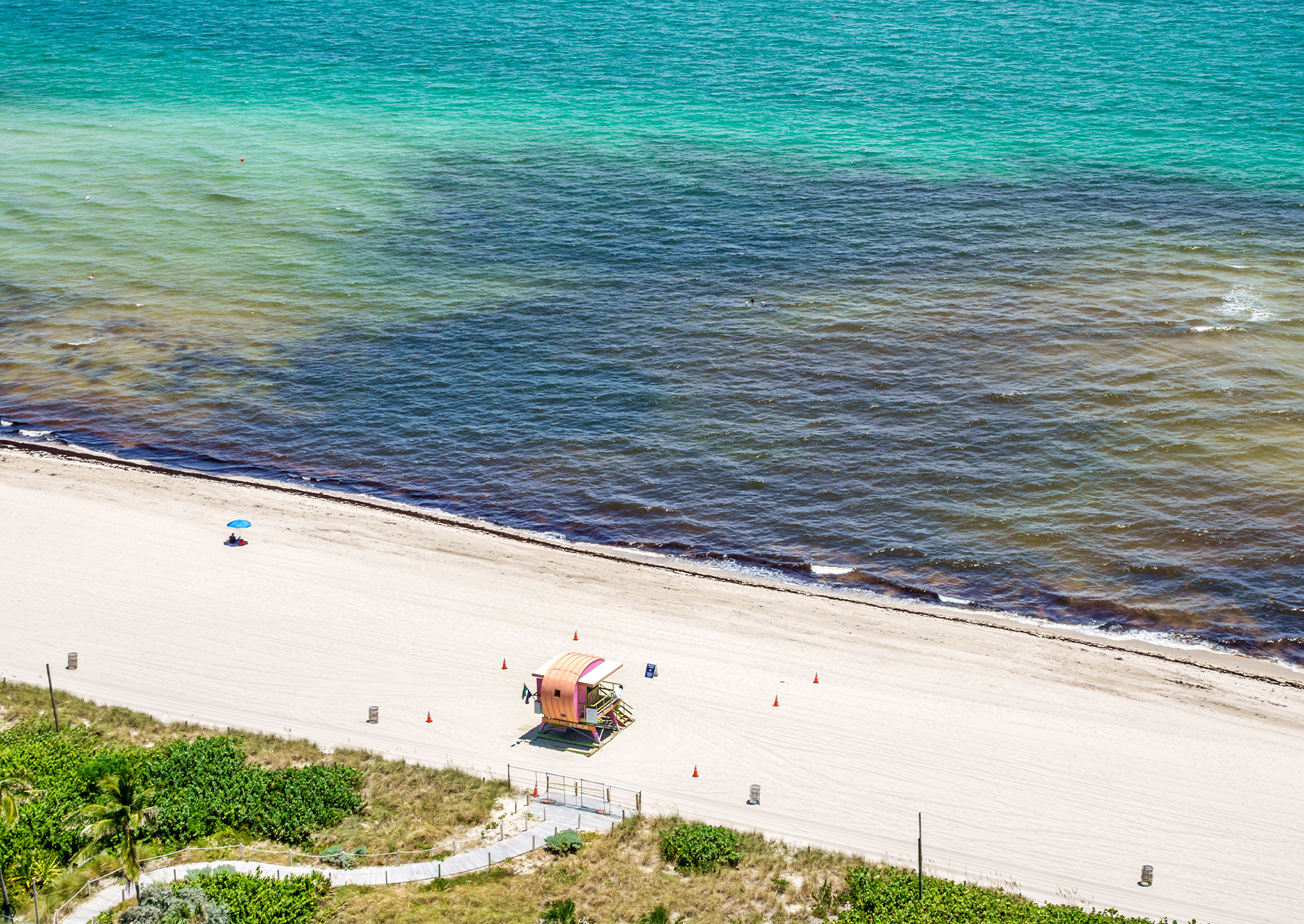
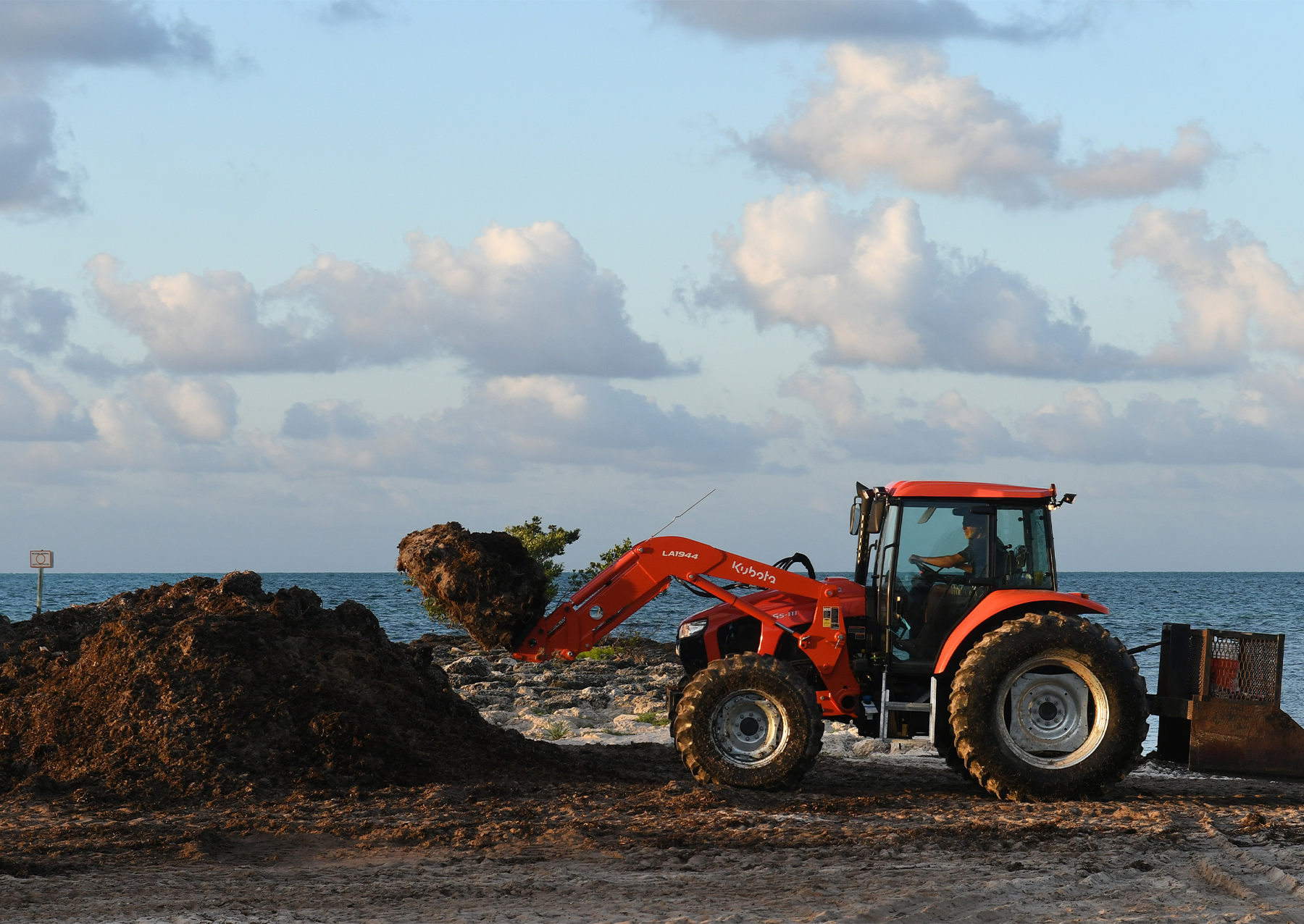
“The expansion of Sargassum isn’t just an ecological curiosity–it has real impacts on coastal communities. The massive blooms can clog beaches, affect fisheries and tourism, and pose health risks,” Lapointe said. “Understanding why Sargassum is growing so much is crucial for managing these impacts.”