
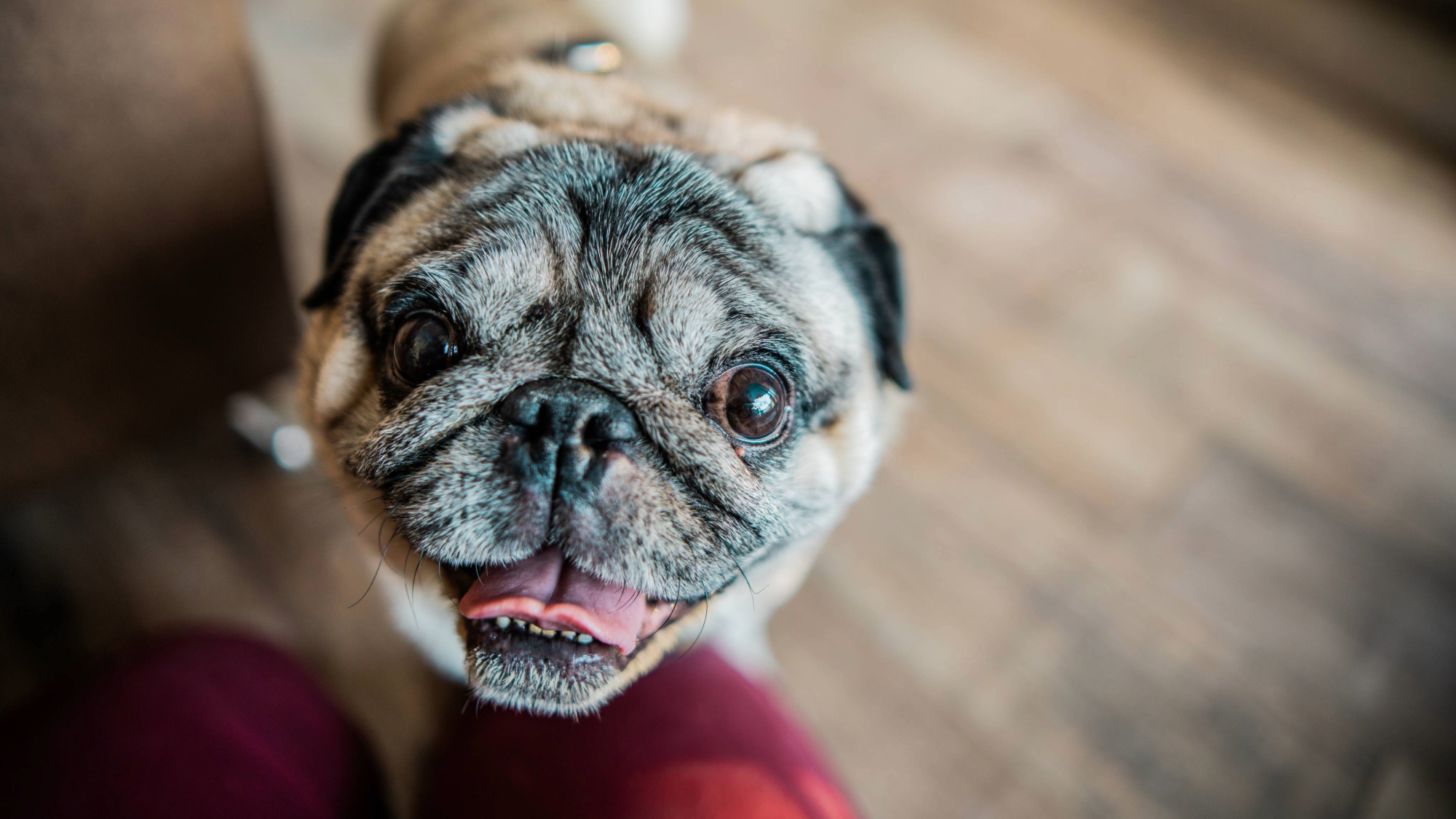
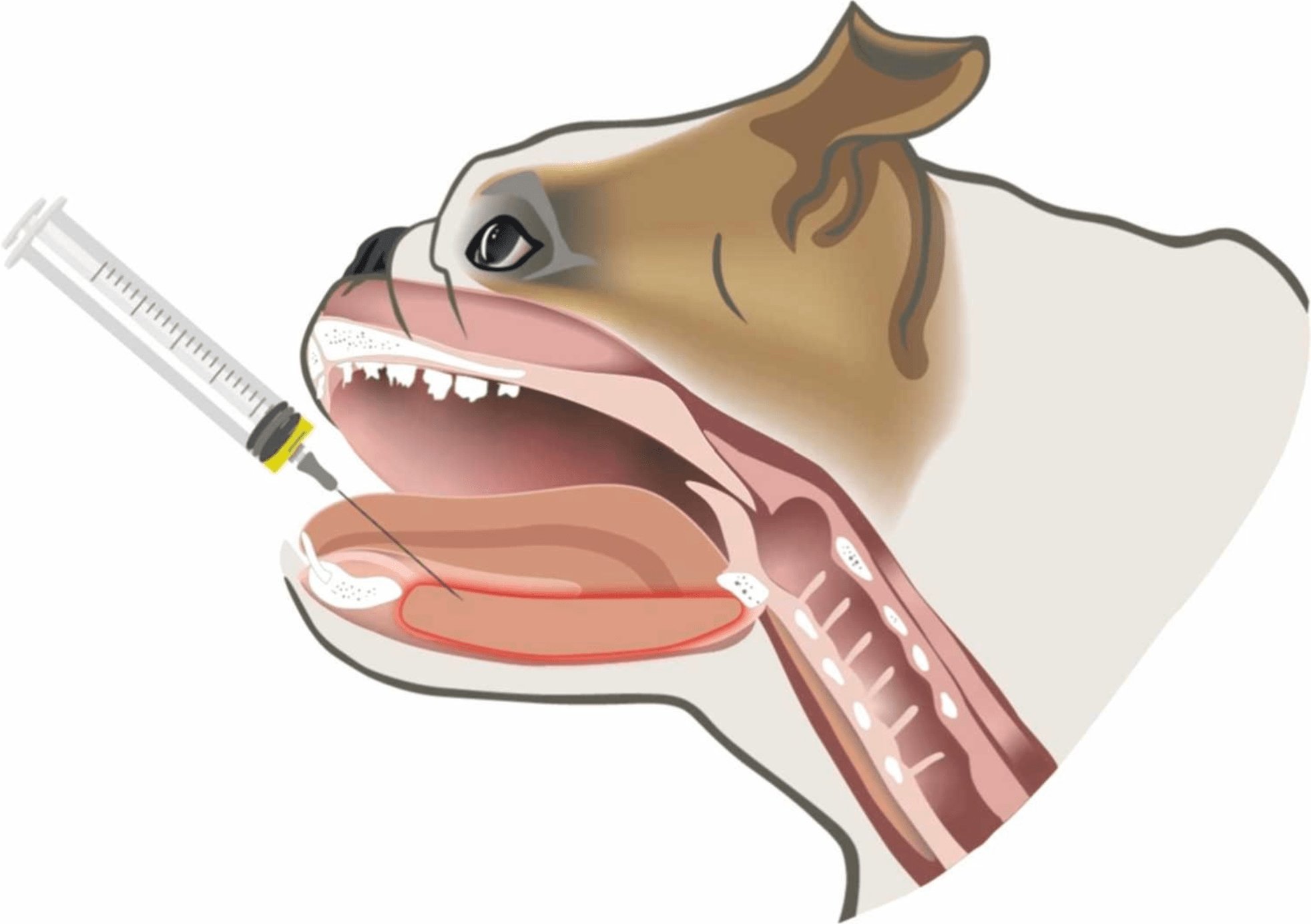
Some much-needed relief may be on the way for beloved “flat-faced” dog breeds. After over 15 years of research, a team of scientists from the Royal Melbourne Institute of Technology in Australia and biotechnology company Snoretox have created a new treatment they say can ease breathing in flat-faced dogs. Called Snoretox-1, the new injectable treatment uses a modified version of tetanus toxin. It is placed directly into the dog’s geniohyoid muscle—in the inside of the mouth, on top of the throat area. Snoretox-1 works to improve muscle tone in the mouth, which helps keep the airway open, and could potentially be an alternative to invasive surgery.
While pugs, bulldogs, and similar flat-faced dogs are adored by many for their snubbed-nose look, their undeniable cuteness comes at a steep cost. Generations of selective breeding have shortened the bones in the skull, blocking airflow and leading to a condition called BOAS (brachycephalic obstructive airway syndrome).This chronic upper airway obstruction condition is responsible for the breeds’ notoriously beleaguered breathing. A study published in the journal PLOS One in February, found that nearly 90 percent of flat-faced dogs studied had at least some difficulty breathing. More than half (54 percent) fell into the more concerning category “clinically significant.” The issue, which limits the dogs’ ability to sleep and exercise, has even prompted some countries including Norway and The Netherlands to ban the breeds altogether.
As far as new breathing treatments, Snoretox-1seems to work so far. In clinical tests of six bulldogs, each saw improvement and could complete a brief walk that had previously left them struggling to breathe. And while the researchers are focusing first on BOAS due to its widespread impact, the team believes a similar treatment could be adopted down the line to address other medical issues involving weak muscle tone in dogs, and possibly even other animals. Results of the study were recently published in The Veterinary Journal
“This project is focused on making a real difference to animals, with the potential for broader impact in the future,” Calum Drummond, RMIT Deputy Vice-Chancellor Research and professor said in a statement.
The cost of cuteness
While BOAS has been widely observed in pugs for years, more recent research suggests that the condition affects a wider range of dog breeds than once thought, including Shih Tzus, Boston terriers, King Charles spaniels, Pomeranians, boxers, and Chihuahuas. At its worst, airflow blockage impairs the dog’s breathing at all times, leading to difficulty sleeping and constant snoring even while they’re awake. Difficulty tolerating walks or exercise leads some dogs to put on excess weight, worsening their health problems as they age. These breathing issues are also a major contributor to why short-nosed breeds tend to have a lifespan several years shorter than longer-nosed dogs.
Until now, owners of these dogs had two real options: Medical management like weight loss and applying sedative, or invasive surgery to widen nostrils and remove excess throat tissue. Surgery can provide a lifeline for dogs with severe BOAS cases, but it doesn’t always work and it exposes the dog to another danger. Past studies show dogs undergoing BOAS surgery have a mortality rate of just under three percent.
“BOAS Syndrome is a highly significant yet often inadequately treated condition,” the team wrote in the paper.
Bulldogs could walk without choking
This new injection works by combining an active tetanus toxin with inactivated, or “decoy,” tetanus toxin. The underside of the throat was chosen as the injection site both for its efficacy and relative ease of physical access. In testing, the six bulldogs received the treatment and assessments were taken 14 days after, 28 days after, and then every four weeks. To gauge whether it was working, the dogs’ owners were asked to provide daily observations about their pets’ alertness, appetite, drinking behavior, and any observable signs of distress. The most important finding was that all of the dogs appeared to handle their walk with noticeably less physical burden and effort.
It’s still not entirely clear how the treatment will hold up over longer periods of study or among more dogs and breeds. When or where it will be available is also unclear. Popular Science reached out to Snoretox about when the treatment is expected to reach the market but had not heard back by the time of publication. More testing will also be needed before we know if a similar treatment could work for other medical issues.
If it becomes widely accessible, the drug could be a welcome development for flat-faced dogs and their owners. Scientists previously developed a special collar called the FitBark. Similar to how smartwatches and rings track sleep in humans FitBark provides more precise analysis of a dog’s sleep patterns before and after BOAS surgeries.. Prior to that, knowing whether surgeries actually improved a dog’s breathing relied largely on subjective observation from owners, which isn’t ideal.
While there are still some unknowns, the new findings suggest pugs and other flat nosed dogs may soon be able to breathe just a bit easier.
