
Some more independent baby animals—from precocial species—hit the ground running almost as soon as they’ve popped or hatched out. Others—called altricial animals—need parental attention before venturing out on their own.
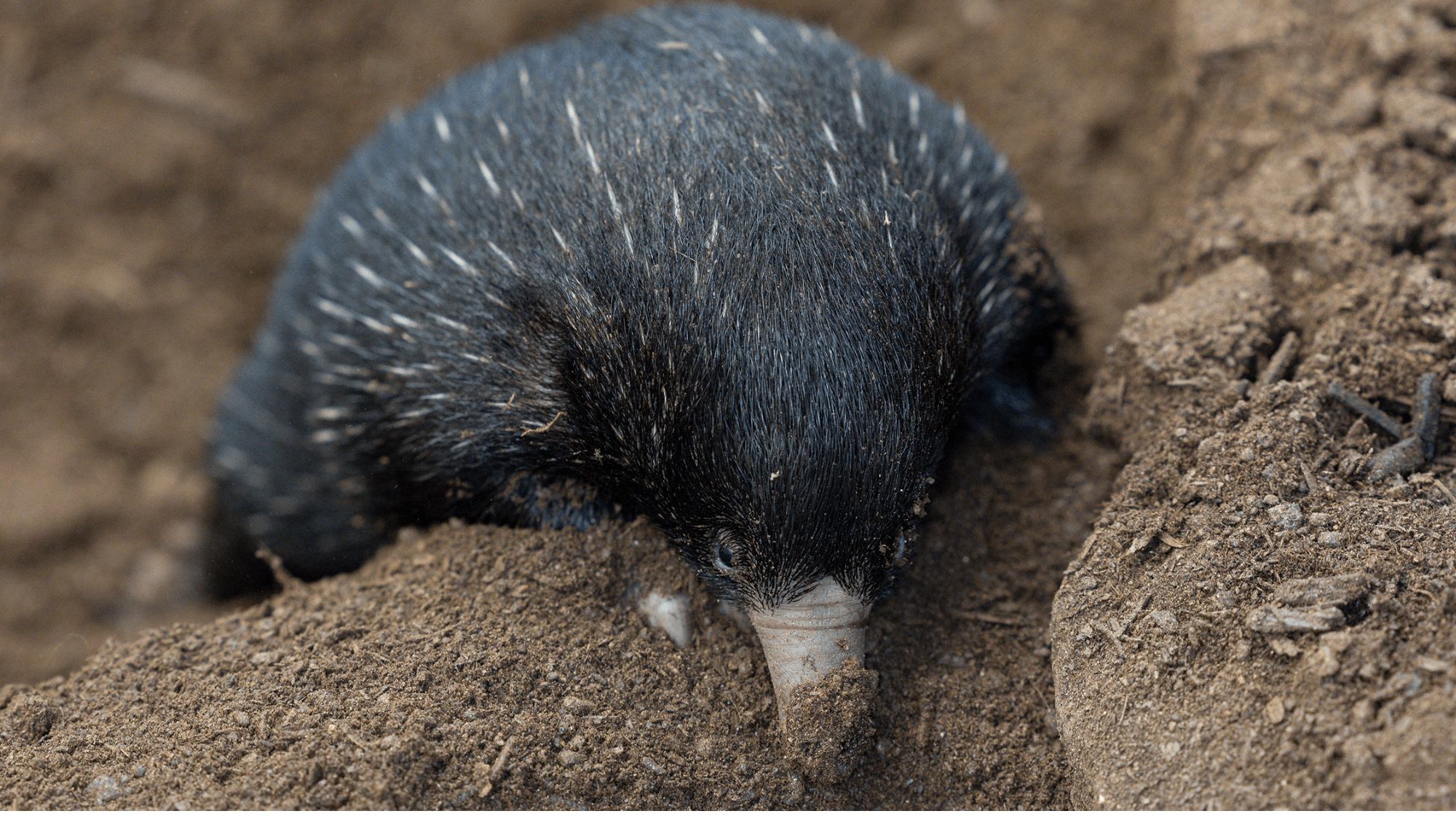
Echidnas are altricial animals, and their young (called puggles) need lots of attention. Staff members at Harter Veterinary Medical Center in San Diego, California are experiencing their neediness first hand. At the San Diego Zoo Safari Park, Kathryn the short-beaked echidna (Tachyglossus aculeatus) has given birth to two puggles in one season, and one is being hand-raised.
Echidnas are spiky, long-nosed animals native to New Guinea and Australia. Along with platypuses, they are one of two monotremes, or egg-laying mammals. An echidna egg hatches after around 10 days of incubation in the mother’s pouch.The puggle then emerges fur- and spine-less, and weighing approximately as much as half a miniature marshmallow.

Rare echidna twins born in San Diego
“Unlike a marsupial pouch, an echidna has a temporary “pseudo-pouch” that is only present when they are incubating an egg and raising a puggle,” Jennifer LeBeau, lead wildlife care specialist at San Diego Zoo Safari Park, tells Popular Science.
The puggle then enjoys the pouch for around two months before the mother transfers it into the far end of a nursery burrow. Her work is far from over, however. For a few more months, the puggle will remain in the burrow, which the mother backfills with dirt. She will then return to the baby every few days to feed it. The puggle will start learning about the outside world once the mother stops backfilling the nursery.
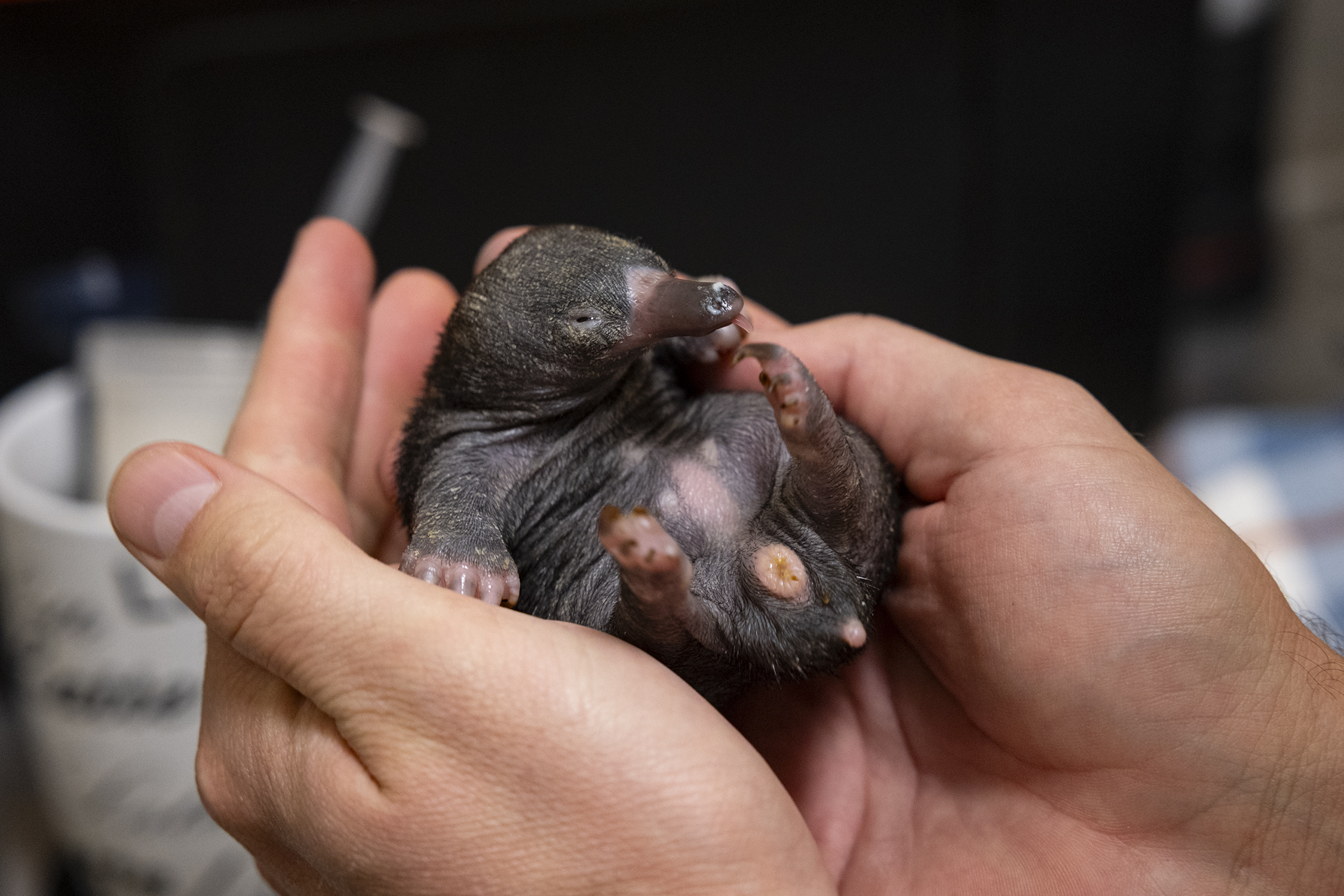
Kathryn is currently raising one of her babies in the burrow. Because the other sibling wasn’t gaining weight, it was transferred into human care at Safari Park’s Harter Veterinary Medical Center. Part of the puggle’s hand rearing included veterinarians taking regular ultrasounds of the puggle’s stomach, which enabled them to better understand the speed at which the puggle digested its formula. As a result, they came to a more precise decision of how often it needed to feed.
“The puggle that is being hand-reared is having daily checks by veterinarians and a minimum of twice daily checks by wildlife care specialists,” says Anthony Cerreta, a San Diego Zoo Wildlife Alliance clinical veterinarian. “Hand-rearing puggles from this age tends to have a lower success rate, so we will continue to closely monitor and intervene as needed should any further challenges arise.”
