
Popular Science. Demystifying the worlds of science and technology since 1872.

For ancient Romans, pooping was a group activity
Imagine shared sponges, open seating, rats, and the occasional burst of fire.






Podcasts


Latest Articles
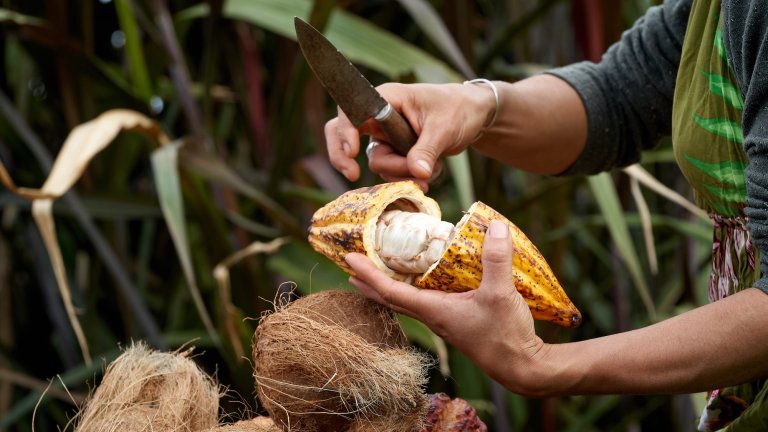
Indigenous nations in present-day Georgia may have enjoyed cacao
The chocolate ingredient likely made its way from the southwest via extensive ancient trade networks.

Butterfly wing crystals inspire new eco-friendly glitter
What better way to honor Dolly Parton?

Continental Tire’s newest line takes on the oldest tradeoff in driving

Taxi drivers rarely die of Alzheimer’s
How complex mental maps and spatial reasoning protect your brain.
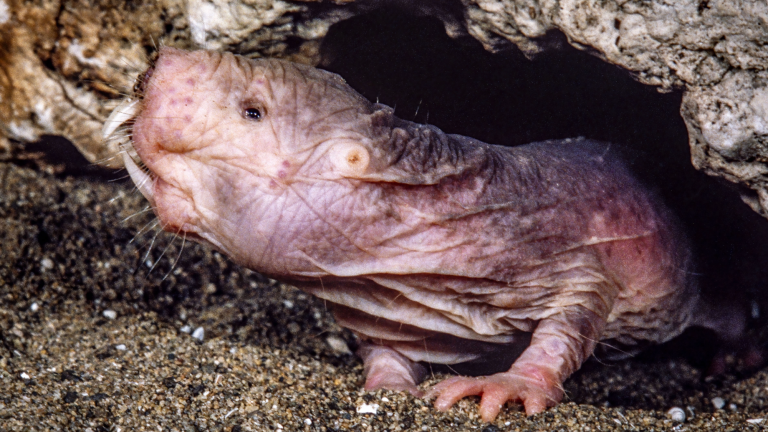
Naked mole rats make their own perfume—and it’s excellent birth control
Plus other weird things we learned this week.

Kaydee the bald eagle visits Shadow’s nest with a feather in her nostril
The newcomer also continued to rearrange sticks on the nest over Big Bear Lake.

400-year-old ‘vampire’ grave discovered in Poland
The wealthy young woman was buried with a sickle over her neck and a padlock on her toe.

Police seize massive Burmese python near Coney Island boardwalk
PSA: Don’t bring illegal pets to Brooklyn—or anywhere.

Over 200 million migratory birds are hitting the sky this week
The central U.S. should be a particular hot spot for birds heading south.
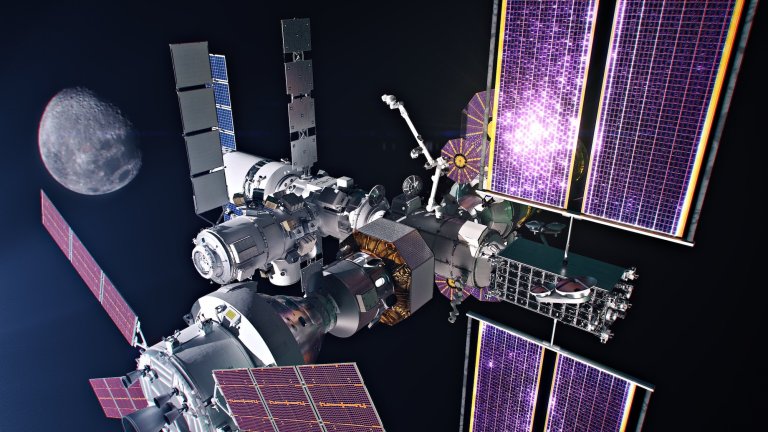
How NASA is prepping for lunar traffic jams
Gateway spaceport will make Earth’s air traffic control look easy.

Apple’s new M6 Mac mini and M5 Ultra Mac Studio: 10 details you might have missed
The new Apple silicon desktops boast 2nm chips, quad-die architecture, and massive AI multipliers. Here is the fine print before you upgrade.
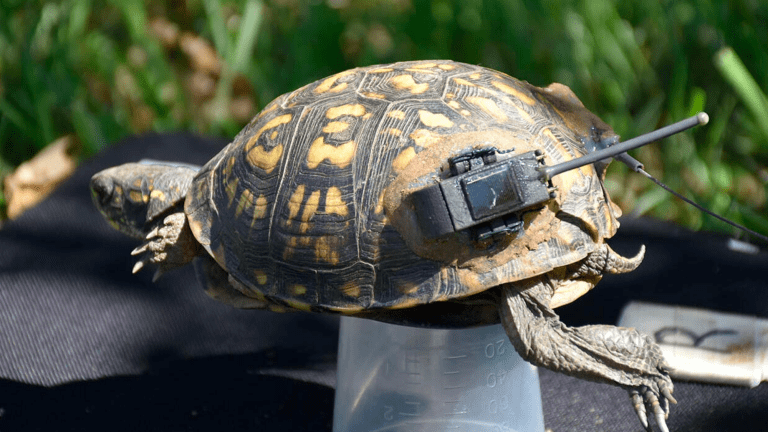
How do you find Eastern box turtle nests? You’ll need a spool of thread.
Nests are frequently attacked by predators, so building is serious business for these vulnerable reptiles.
Popular Science Cover Art Store
Own a piece of science history.





Popular Science has been demystifying the worlds of science and technology since 1872. We explain the inner workings of the phone in your pocket, explore world-changing innovations, and examine everything from the marvels of deep space to the secret lives of staples like bread. We deliver an engaging, approachable, and inclusive look at emerging technologies and scientific advances.
Daily, Popular Science unpacks the science behind the top current new stories, dissects the latest technology and digital trends, and helps readers live smarter, safer, and happier through clever DIY projects.
Meet the team
Our writers and editors


