Plunging Underwater Google Earth

Google Earth broke new ground (new water?) when they took the world of virtual-earth-exploring into the oceans. Of course, the oceans are kind of big. They fill up nearly three-quarters of the earth's surface area, and most of that area hasn't been mapped out. But now you can tour roughly half of the known area without pulling on any SCUBA gear, thanks to Google's new underwater terrain explorer.

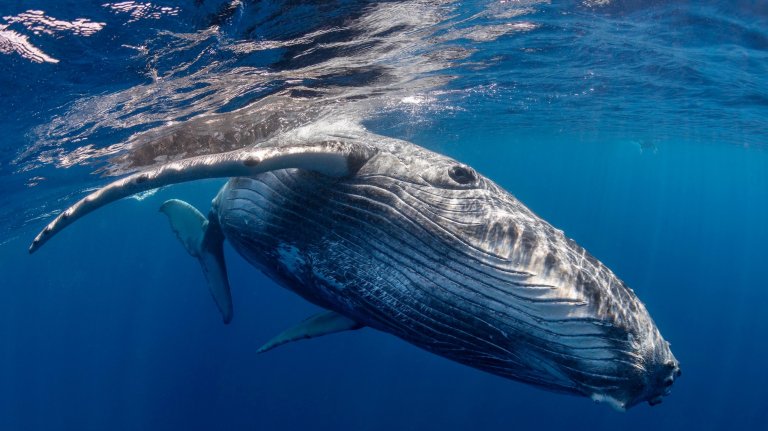
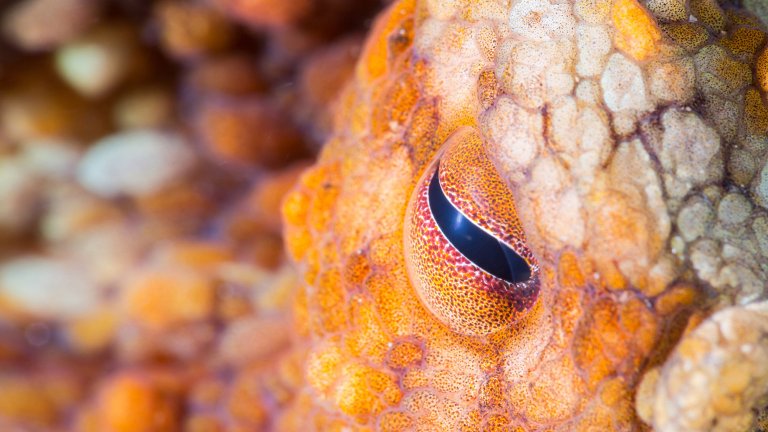
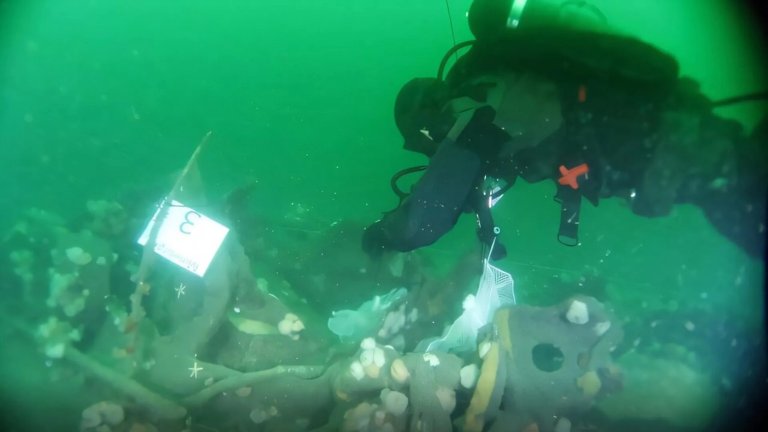
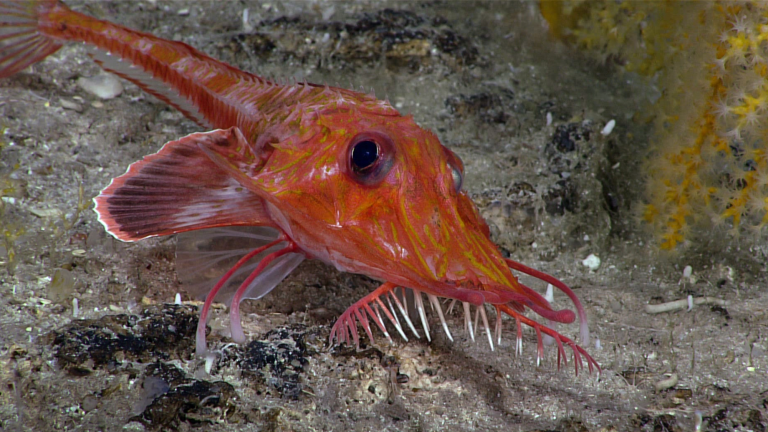
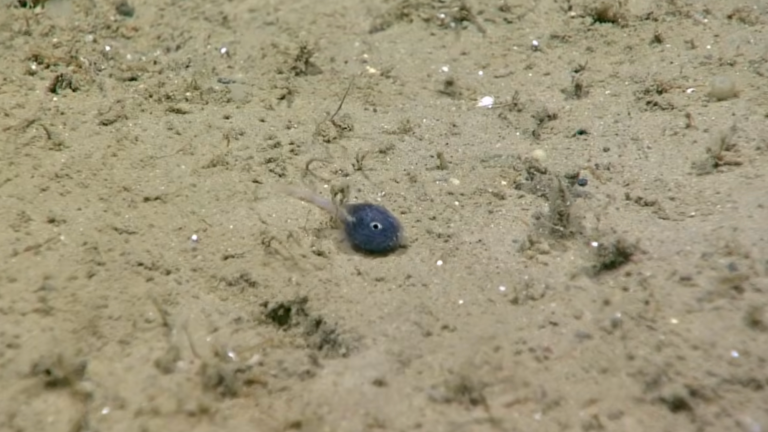
Seeing the sea floor is just the beginning of the fun. Along the way, Google Earth points out eruptions, sea animals and other scientific points of interest from Hawaii to New York, all in nicely clear high resolution. (You can take a virtual tour through some highlights if the entire ocean world seems overwhelming.) This imagery represents nearly two decades of collected data from research ships that travelled about three million nautical miles and a partnership with scientists at Columbia University's Lamont-Doherty Earth Observatory.

It's a pretty amazing tool--finally, there's a reason to venture off the green-brown mass on which we live and venture beneath the blue. At least on Google Maps. We'd understand if you wanted to sit inside today and enjoy your air conditioning.

Click here for a glimpse of the underwater experience.

[Google Earth]

4 Comments

first Google earth, than Google Sky now Google ocean? whats next? wow this is spectacular. this technology is one of the greatest ever created by man.

mad_max

from Morgantown, WV

Google's underwater terrain isn't new. It's been around for at least a year if my memory serves me well. What's new is Google teaming up with Columbia University to expand and refine the underwater topos.
See this Washington Post story: http://goo.gl/Sk9dg

Yes, the ocean view has been around for a while. I remember people reported "structures" and "cities" for a while after (it was from the boats doing the scanning).

But for other google goodness, last I checked there's a google mars and a google moon. Probably more by now.

We need a Google Europa...


138 years of Popular Science at your fingertips.

Innovation Challenges


Popular Science+ For iPad

Each issue has been completely reimagined for your iPad. See our amazing new vision for magazines that goes far beyond the printed page


Download Our App

Stay up to date on the latest news of the future of science and technology from your iPhone or Android phone with full articles, images and offline viewing


Follow Us On Twitter

Featuring every article from the magazine and website, plus links from around the Web. Also see our PopSci DIY feed


March 2012: The Future of Medicine

A 10,000-rpm, no-pulse heart is completely revolutionizing how we think about transplants. Plus: rapid-response virus hunters, a shocking cure for migraines, the world's youngest person to have achieved nuclear fusion (in his parents' garage!), and much more.


circ-top-header.gif
circ-cover.gif