Pavlosk Station Plants Vavilov Institute of Plant Industry

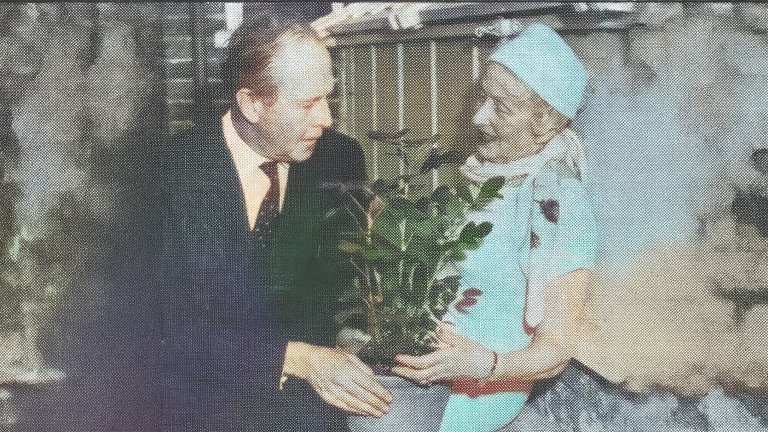
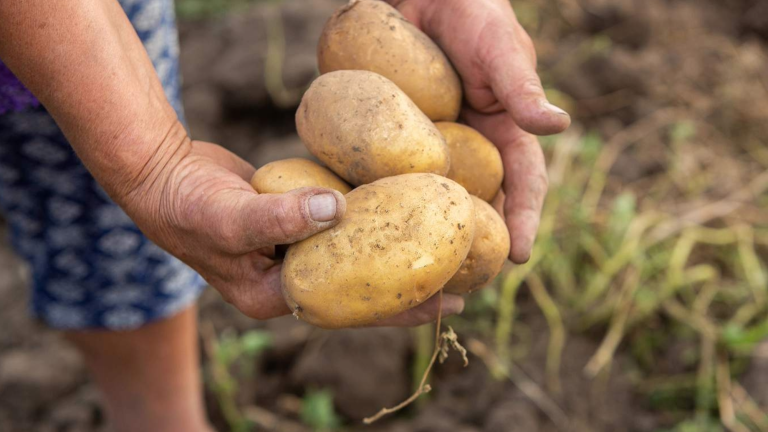
During the siege of Leningrad, 12 scientists starved to death rather than eat the grains stored at Pavlosk Agricultural Station, the world’s first seed bank. According to an AP story, their efforts to save the seeds for future generations may now be in vain after a Russian court approved plans to raze the station’s fields of plants so a developer can build luxury homes.

Though Russian president Dmitry Medvedev has ordered an investigation, the first plot of land goes up for auction Sept. 23, leading scientists to wonder if Medvedev’s intervention may come too late.

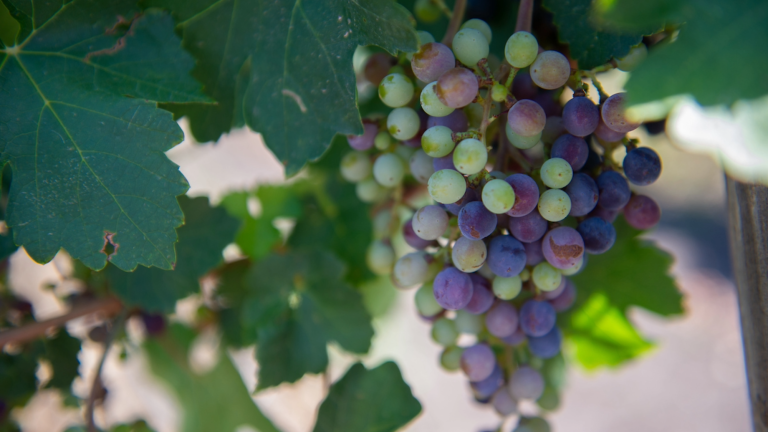
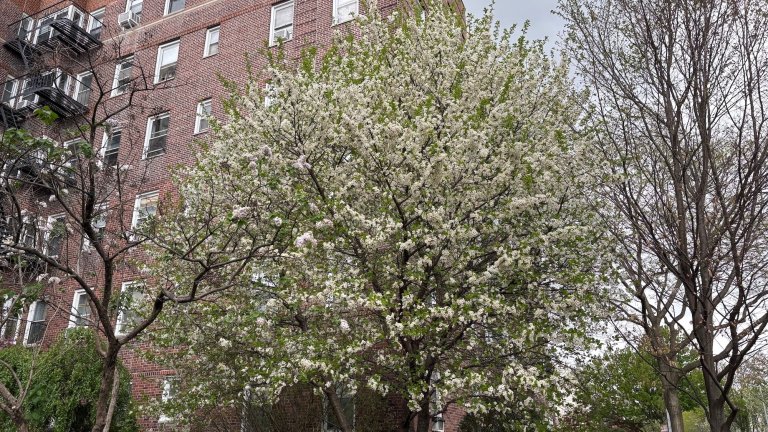
The seed bank is home to one of the world’s largest collections of fruits and berries, including almost 1,000 types of strawberries from 40 countries, 300 varieties of cherries and almost 900 kinds of black currants, as the AP reported Sunday.

Many of the crop varieties at Pavlosk Station are no longer in use, but they could be valuable for breeding new varieties — like ones that can handle the intense heat Moscow has experienced this summer.

Seed banks act as a botanical Noah’s Ark, ensuring the world has access to genetically diverse crops. They act as a hedge against future threats like climate change, drought, insects and war.

We've previously featured the Svalbard “doomsday vault” seed bank, which stores seeds from around the world in an underground facility designed to protect them from any potential catastrophe. But as many as 90 percent of the varieties at Pavlosk Station are not found anywhere else.

Other seed banks have already succumbed to war; during the U.S. invasion of Iraq in 2003, that country's national seed bank was destroyed. Similarly, Afghanistan's seed bank was destroyed in the 2001 overthrow of the Taliban, but sister seeds were being stored at the U.S. seed bank, located on the campus of Colorado State University. The American researchers sent the Afghan seeds home.

International organizations, including the Global Crop Diversity Trust and Biodiversity International, mobilized on social media sites to encourage Medvedev to stop the construction plans. The crop trust is calling the development plans "the second siege."

Medvedev sent a message on his Twitter page last week saying he “gave the instruction for this issue to be scrutinized,” AP reports. The government Audit Chamber is meeting Aug. 27 to decide how to proceed.

[Crop Trust Report [PDF] via AP/NPR]

3 Comments

Why don't we just digitize the plants and use a dna synthesizer when we want to grow one.

Because we don't have an accurate way to analyze and synthesyze DNA. So it is in everyone's best interest to store as many seeds as possible. If we can store as many seeds as possible for every possible environment, plus fertilized ovum of all the spesies we can find, this bings us closer to being able to survive a global catastrophe.

We may or may not live. But it will be a better chance to know the game.

John

Seems like another instance of people not being able to think more than a year or even generation beyond their own. Maybe if they make the luxury homes out of nontoxic edible materials we can compromise?


June 2013: American Energy Independence

Five amazing, clean technologies that will set us free, in this month's energy-focused issue. Also: how to build a better bomb detector, the robotic toys that are raising your children, a human catapult, the world's smallest arcade, and much more.


Online Content Director: Suzanne LaBarre | Email
Senior Editor: Paul Adams | Email
Associate Editor: Dan Nosowitz | Email
Assistant Editor: Colin Lecher | Email
Assistant Editor: Rose Pastore | Email

Contributing Writers:

Kelsey D. Atherton | Email
Francie Diep | Email
Shaunacy Ferro | Email

circ-top-header.gif
circ-cover.gif