CES 2012
Who doesn't like putting their head on technology?

Robot Pillow Susannah F. Locke

There are plenty of pillows out there designed to properly cradle the weary noggins of back sleepers or side sleepers or front sleepers. Today, I saw one that does both. The intelliPillow is a self-adjusting pillow that senses which position your body is in and then inflates or deflates itself according to your preferences. The prototype, brought to us by Innvo Labs (the same people who made the Pleo, the robot dinosaur) made its first public appearance today. The system involves a thin, pressure-sensing mat placed on the bed beneath the user's shoulders to sense his position (beneath sheets is fine), a pillow, an air pump, and a controller. After setting preferences for flat sleep and side sleep, the user goes to bed and the pillow quietly does the rest. As the sleeper changes positions, the mat senses the change, triggering the pillow to slowly adjusts its two internal air chambers (upper head and lower head) in about half a minute so to not disturb the sleeper. The air pump is quiet (37dB, two feet away--definitely silent in the crowded conference center where I saw it). The company says the pillow should be available in mid-2013 and will probably cost between $250 and $300.

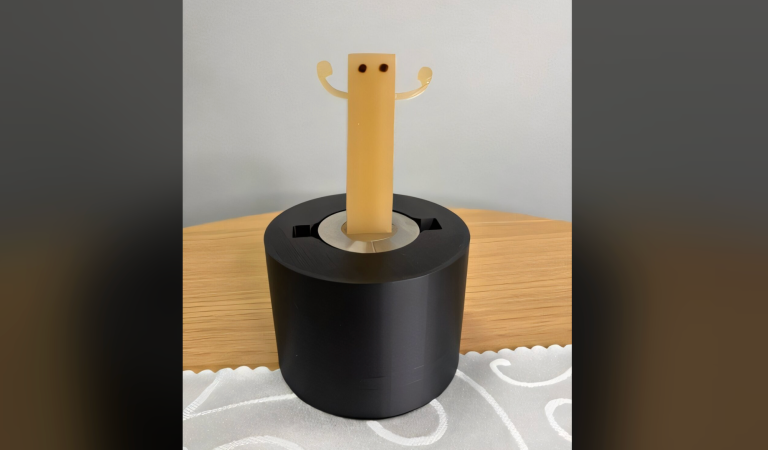
For those of you disappointed that this is not another robot creature, take heart. The company also shared prototypes of CuddlePanions, a robotic dog intended for seniors, and a disembodied eye on a stick called yurBOT, a USB-connected computer companion that expresses various emotions based on input from your computer, such as music and email alerts. Both should launch in 2012.

Control Your Comfort:  Susannah F. Locke

0 Comments

Popular Tags

Regular Features


138 years of Popular Science at your fingertips.

Innovation Challenges


Popular Science+ For iPad

Each issue has been completely reimagined for your iPad. See our amazing new vision for magazines that goes far beyond the printed page


Download Our App

Stay up to date on the latest news of the future of science and technology from your iPhone or Android phone with full articles, images and offline viewing


Follow Us On Twitter

Featuring every article from the magazine and website, plus links from around the Web. Also see our PopSci DIY feed


March 2012: The Future of Medicine

A 10,000-rpm, no-pulse heart is completely revolutionizing how we think about transplants. Plus: rapid-response virus hunters, a shocking cure for migraines, the world's youngest person to have achieved nuclear fusion (in his parents' garage!), and much more.


circ-top-header.gif
circ-cover.gif