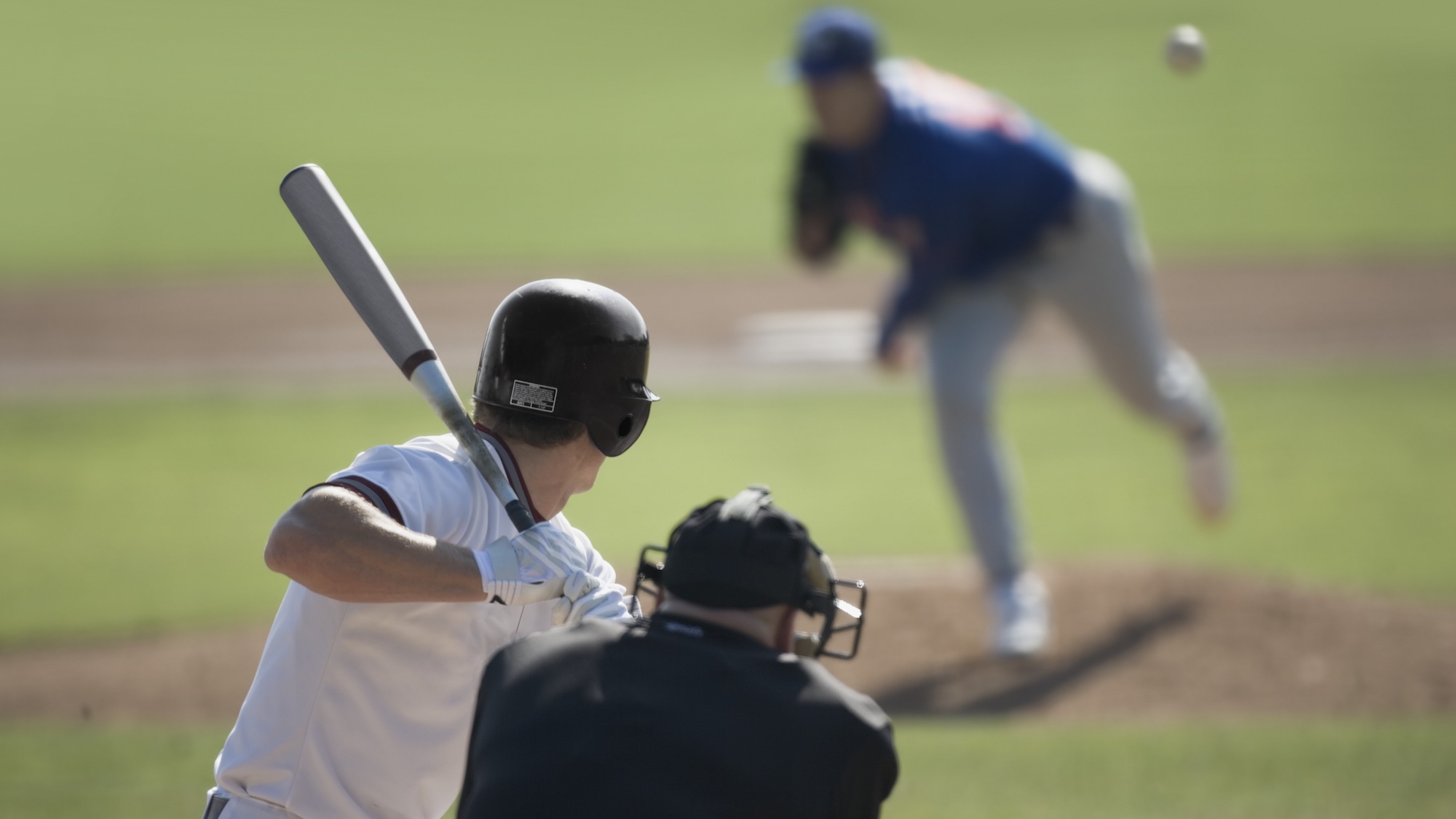
When it comes to making fair calls, the Korea Baseball Organization (KBO) deploys robots. The nation’s professional league added a fleet of so-called robot umpires to the field during its 2024 season, hoping to even out the playing field. Called the Automatic Ball-Strike system (ABS), it utilizes pitch-tracking sensors and camera arrays to quickly analyze when a pitch crosses the strike zone—not uncanny machines wearing catcher’s gear. The ABS data is then presented to the human home plate umpire, who announces their call based on the additional analysis.
ABS is designed to offer more accurate decisions while reducing overall bias in games, but did it deliver? Two years later, researchers at the University of Michigan (UM) say effects are already clear—although not necessarily what some baseball fans (or players) anticipated.
According to a study published in the journal European Sport Management Quarterly, famous top-ranking hitters performed worse during the 2024 KBO season compared to previous year for statistics involving strike-zone judgment. Meanwhile, the high status players walked less, struck out more, and reached bases less often when ABS entered the equation.
“This suggests that there may have been an existing bias in favor of prominent batters before ABS,” Jimin Song, a UM kinesiologist and study co-author, said in a statement. “Before ABS, when a big-name batter was at bat, umpires may have given more favorable calls on borderline pitches.”
While the top batters saw statistical declines across multiple plate-focused areas after the introduction of ABS, the shift in wider-ranging hitting performance was less noticeable. Song and colleagues believe this strengthens the theory that it’s the umpire calls that changed between seasons, and not the KBO’s players themselves. However, these patterns weren’t apparent in major name pitchers, which researchers attributed to potentially more varying performances for the position or fewer opportunities to show a decline.
“We’ve all seen calls that have influenced outcomes at the end of the game,” said study co-author and UM kinesiologist Richard Paulsen. “Some decisions made by officials, like ball-strike decisions or out-of-bounds calls, are very objective and could be automated easily.”
Song and Paulsen say their findings extend beyond baseball. Higher status bias frequently occurs in professional life, educational institutions, and other situations involving power dynamics. Although the ABS system likely won’t find its way into the office building, the team believes their study underscores the importance of working to reduce biases as much as possible through a range of methods like blind performance reviews and evaluations.
Meanwhile, don’t expect the robots to come for the actual umpires—despite Major League Baseball incorporating its own ABS system this season.
“Human judgment, in my view, remains useful for more subjective decisions, and for that reason I do not believe we will see human officiating go away completely anytime soon,” said Paulsen.