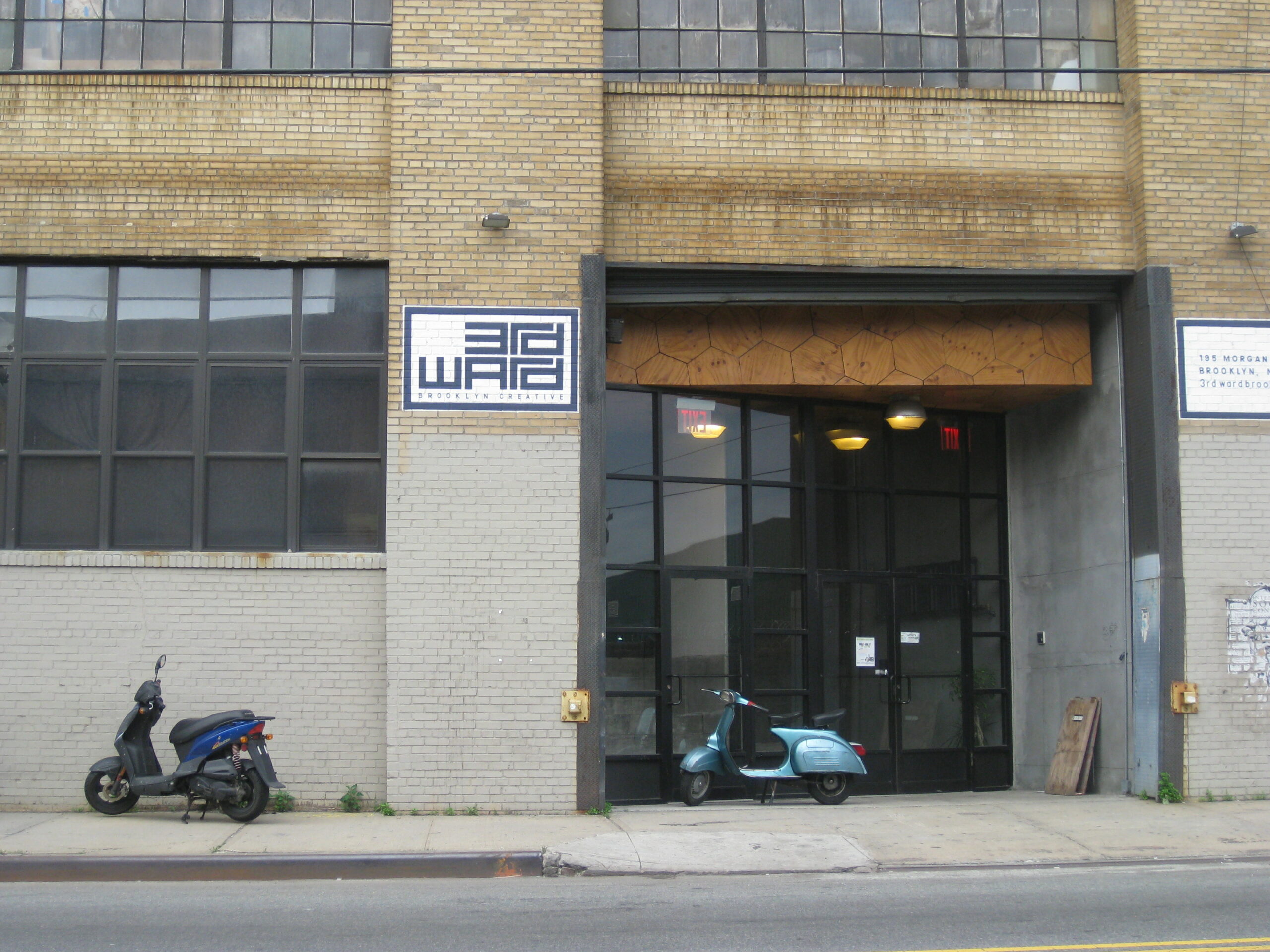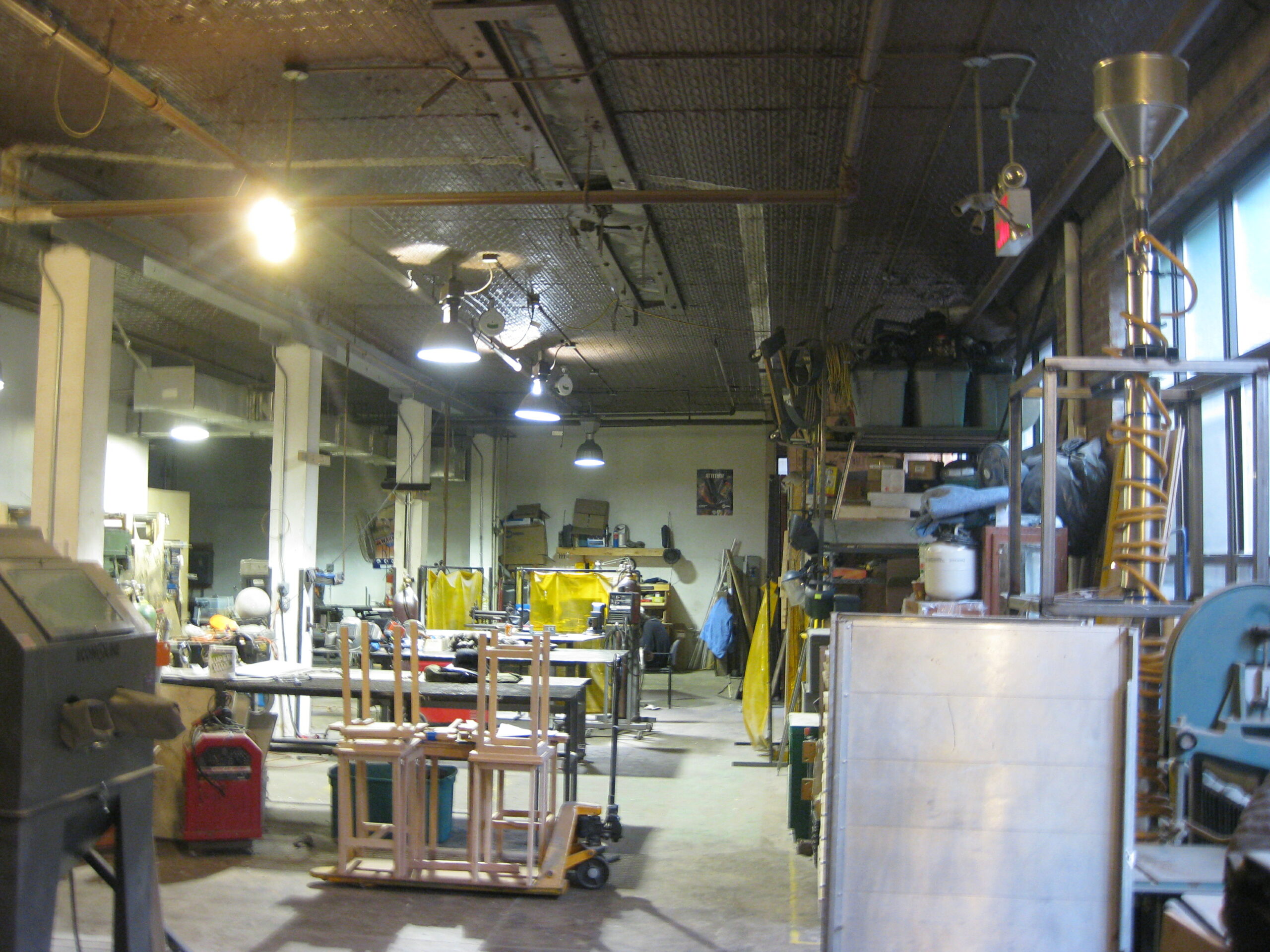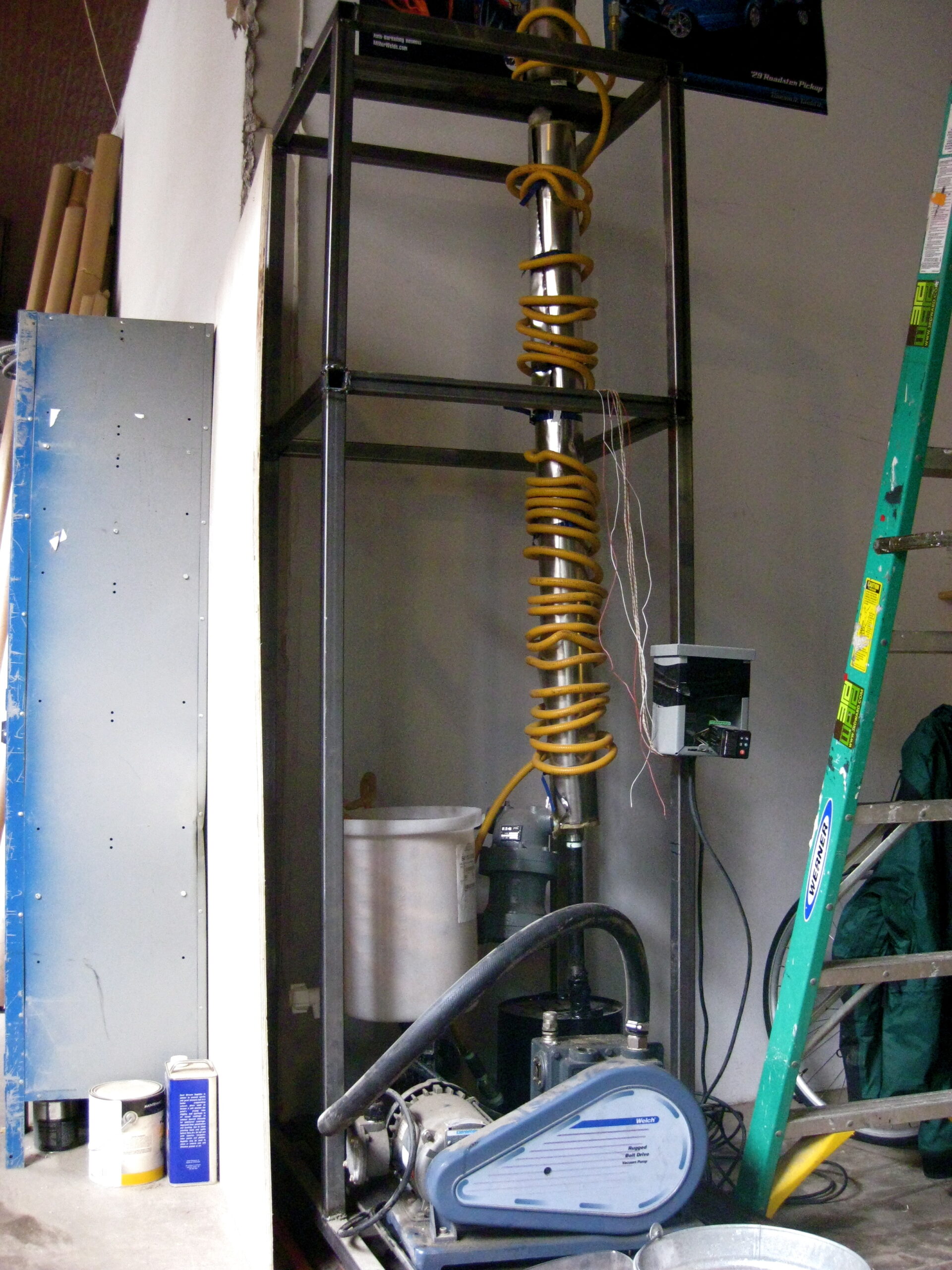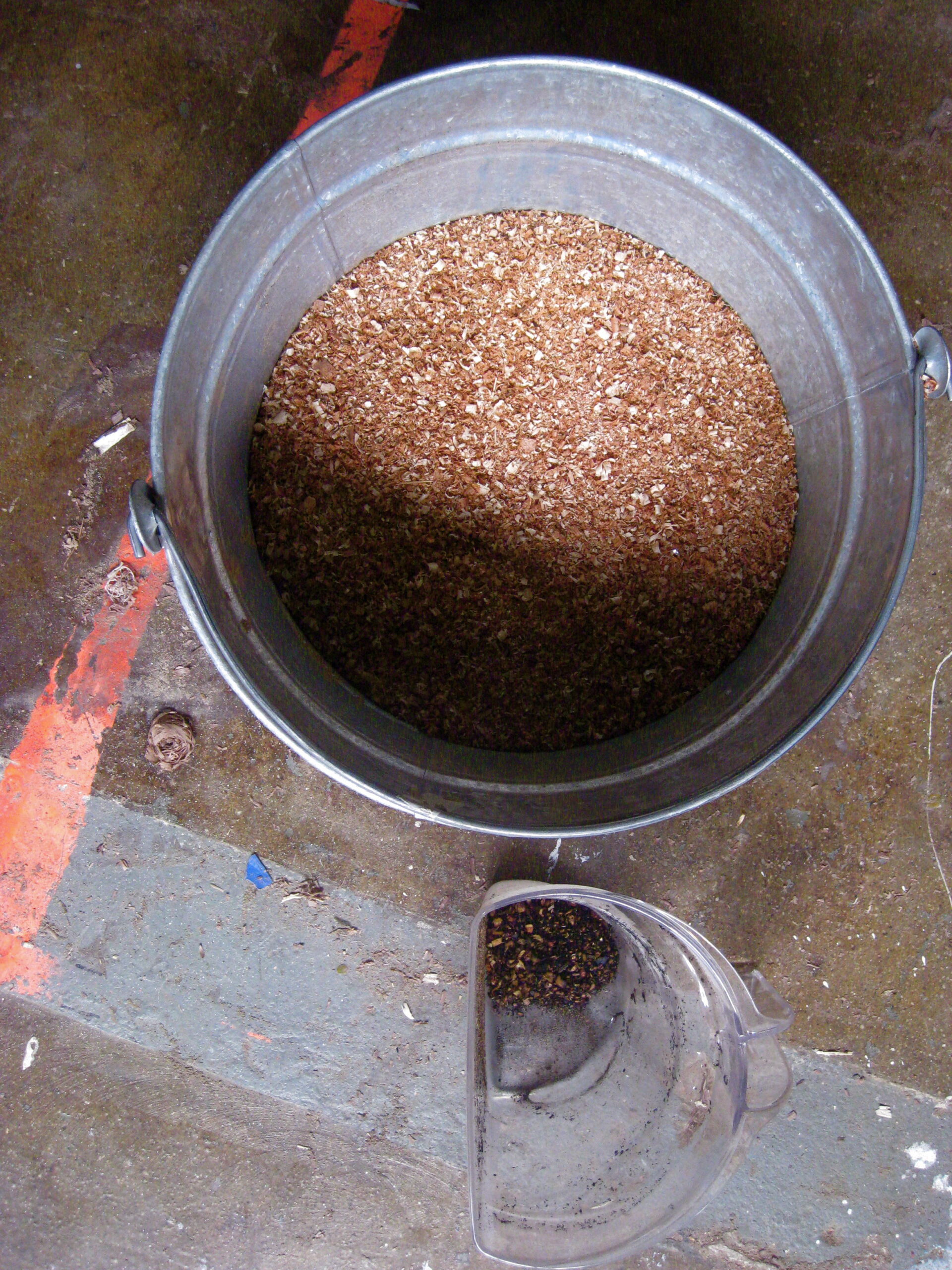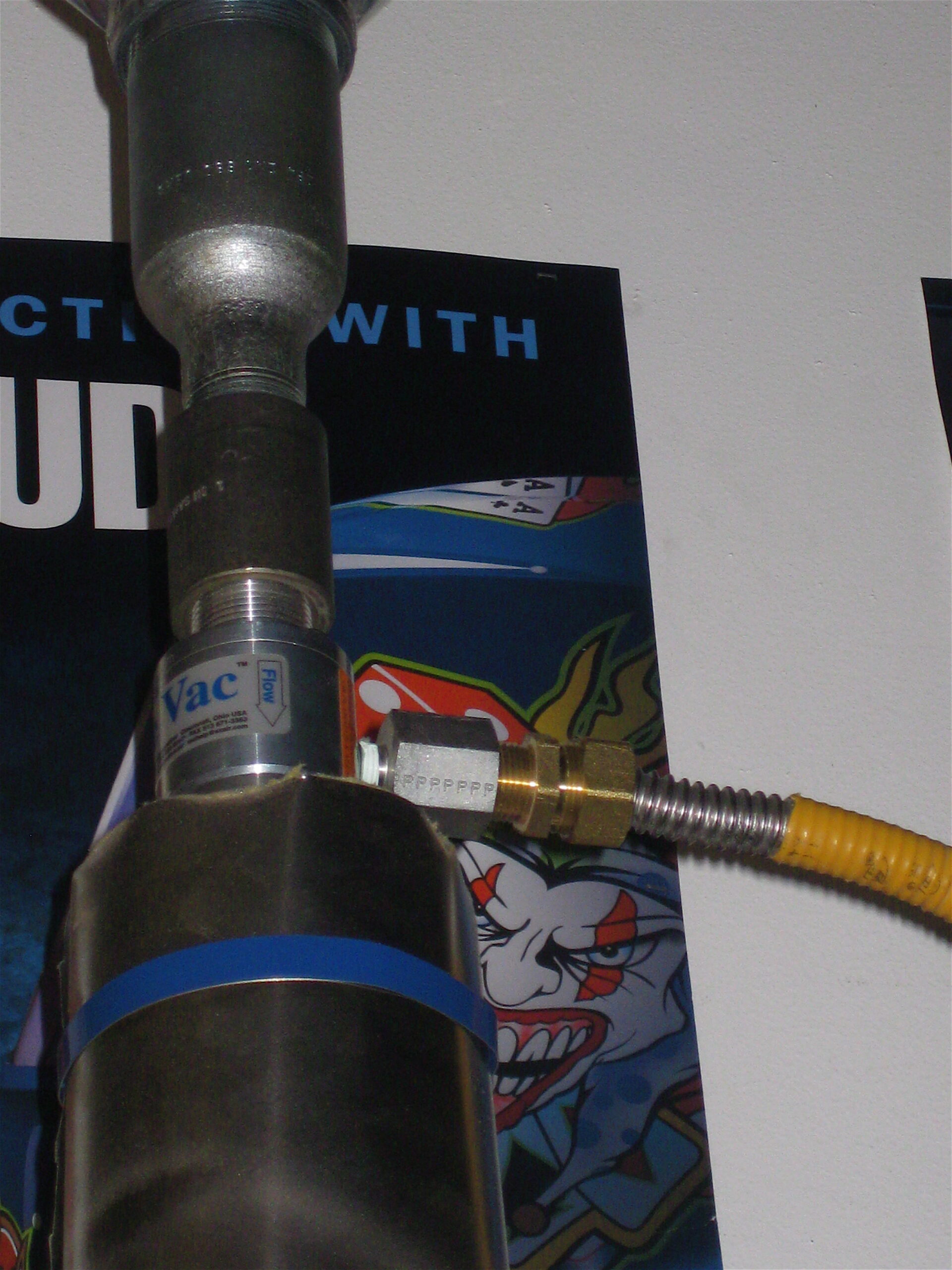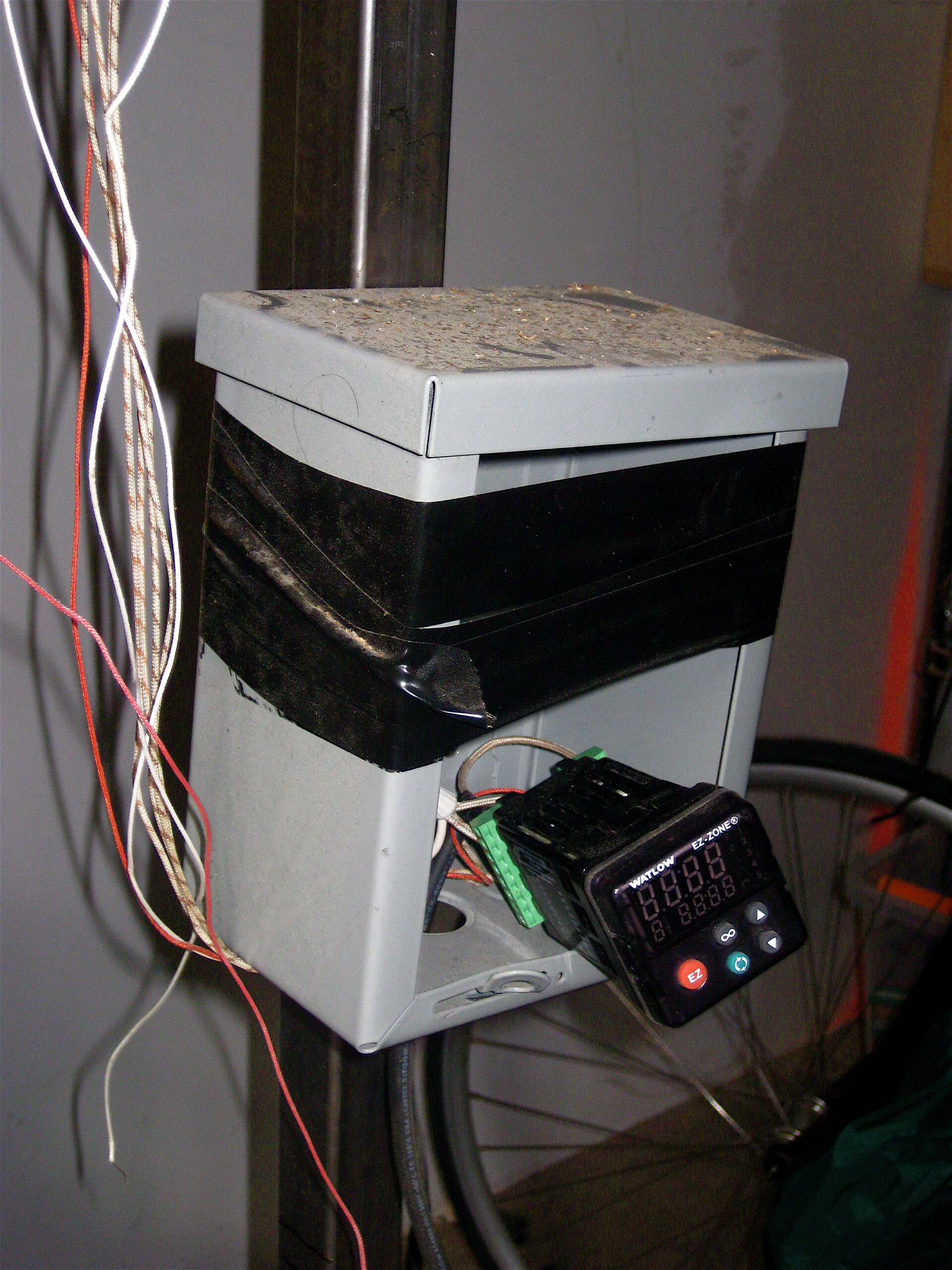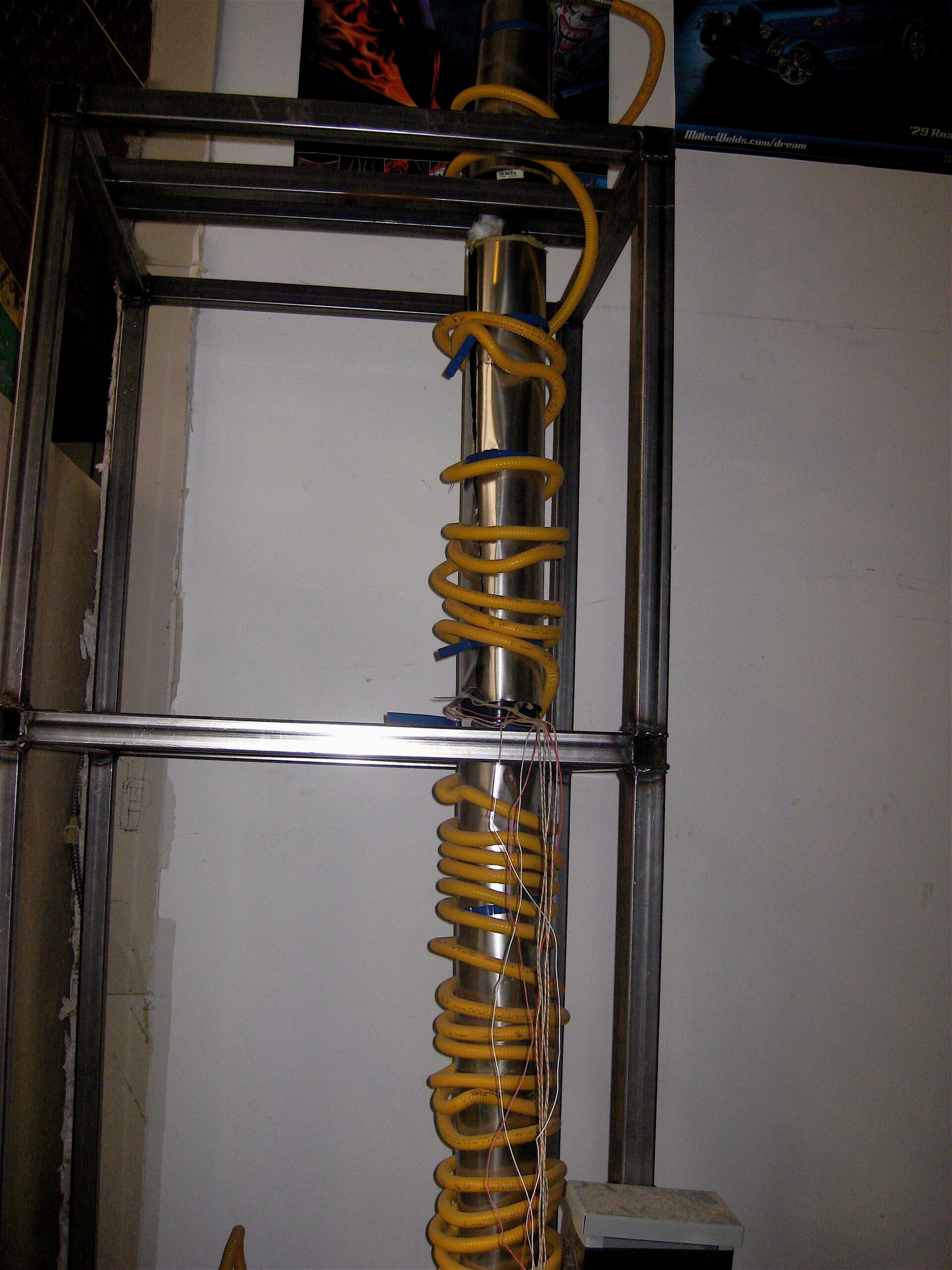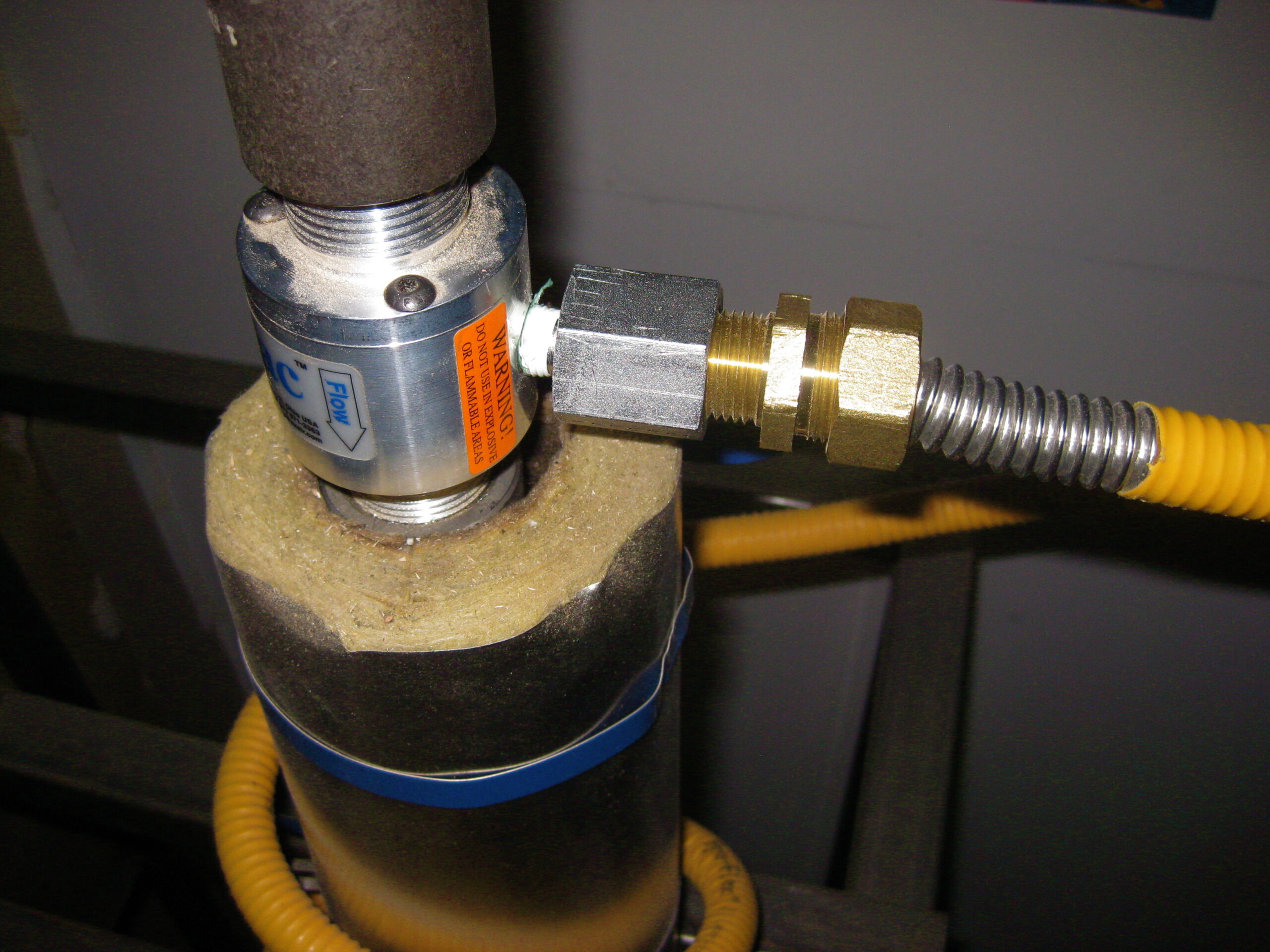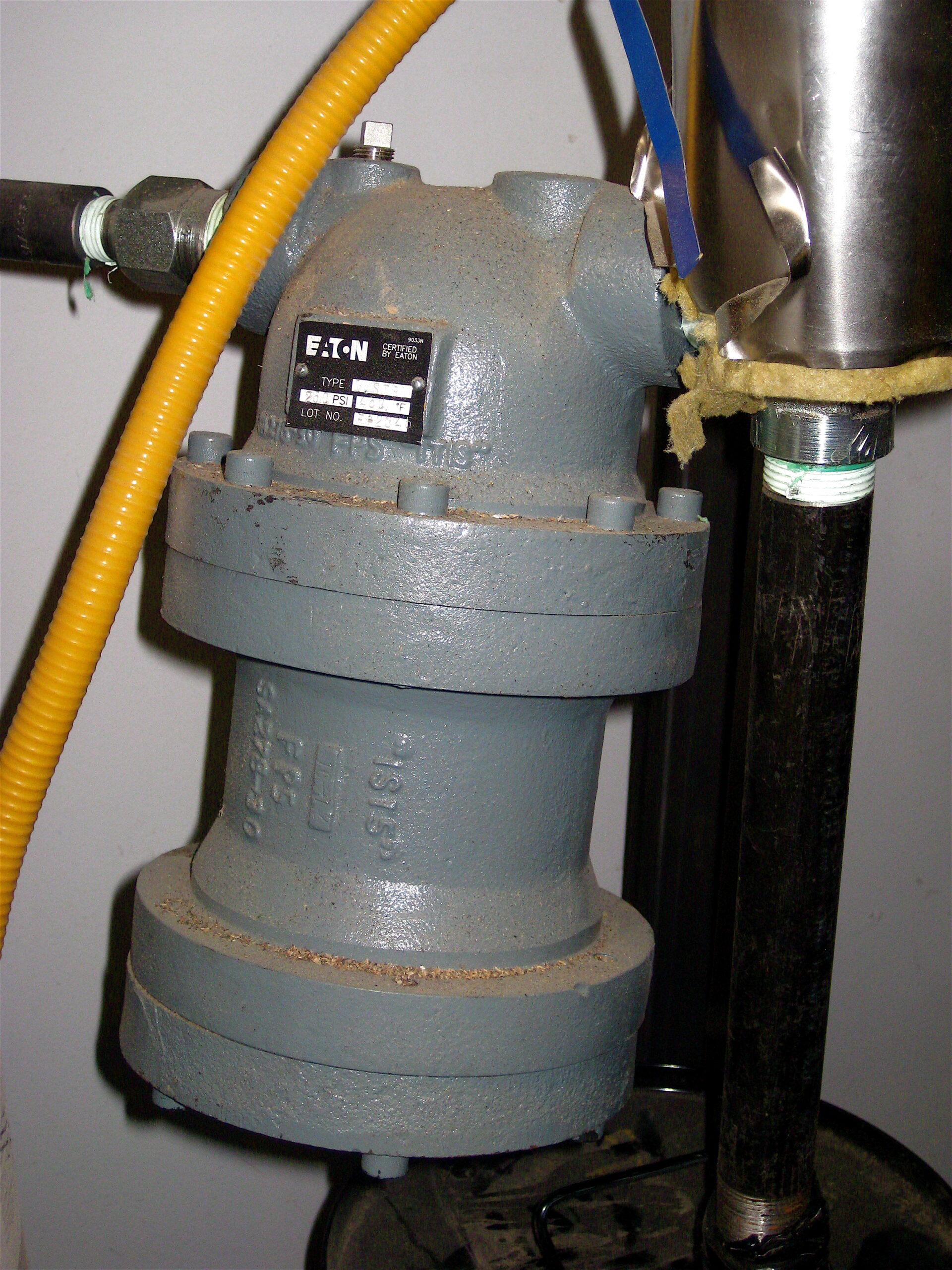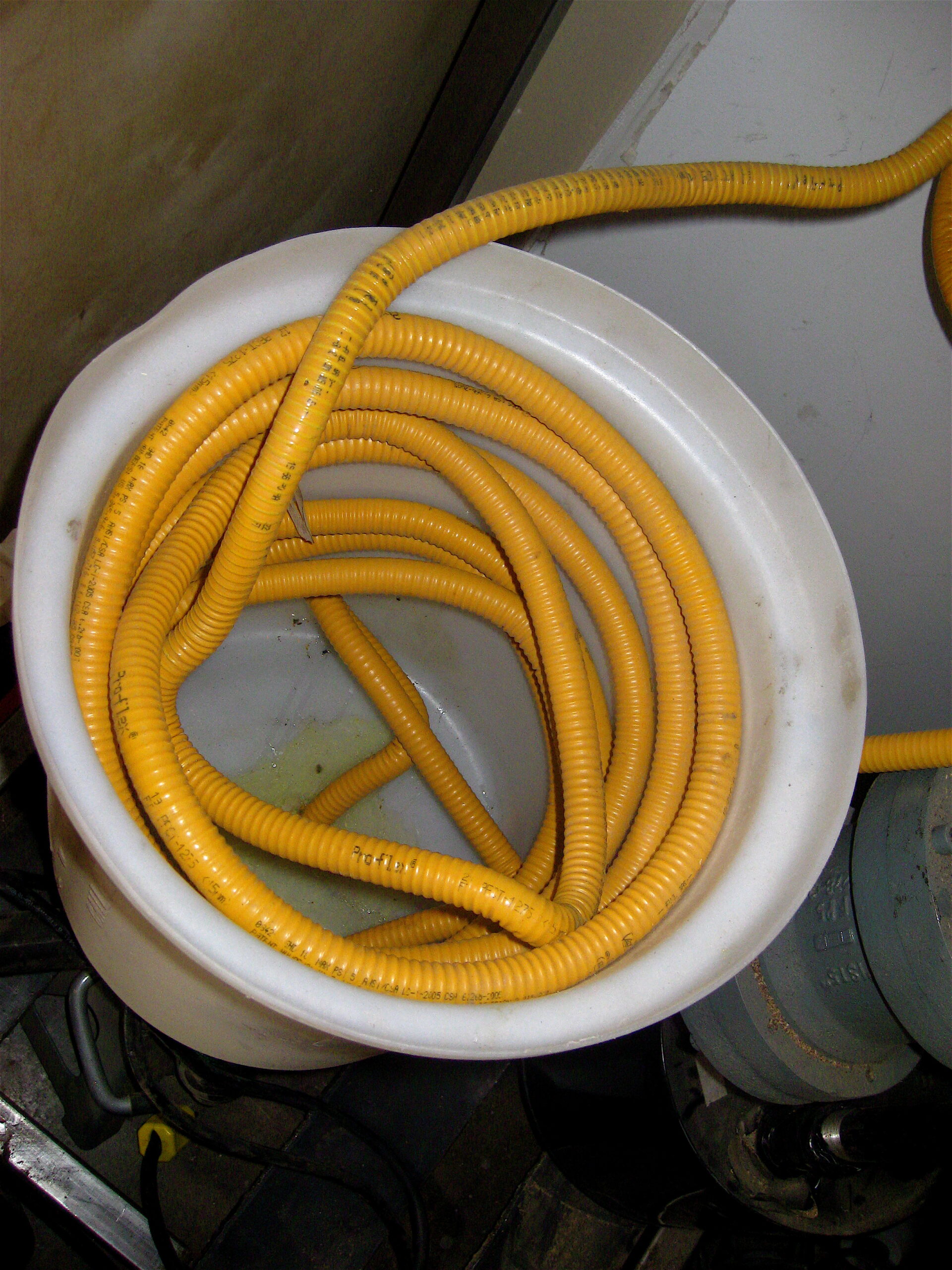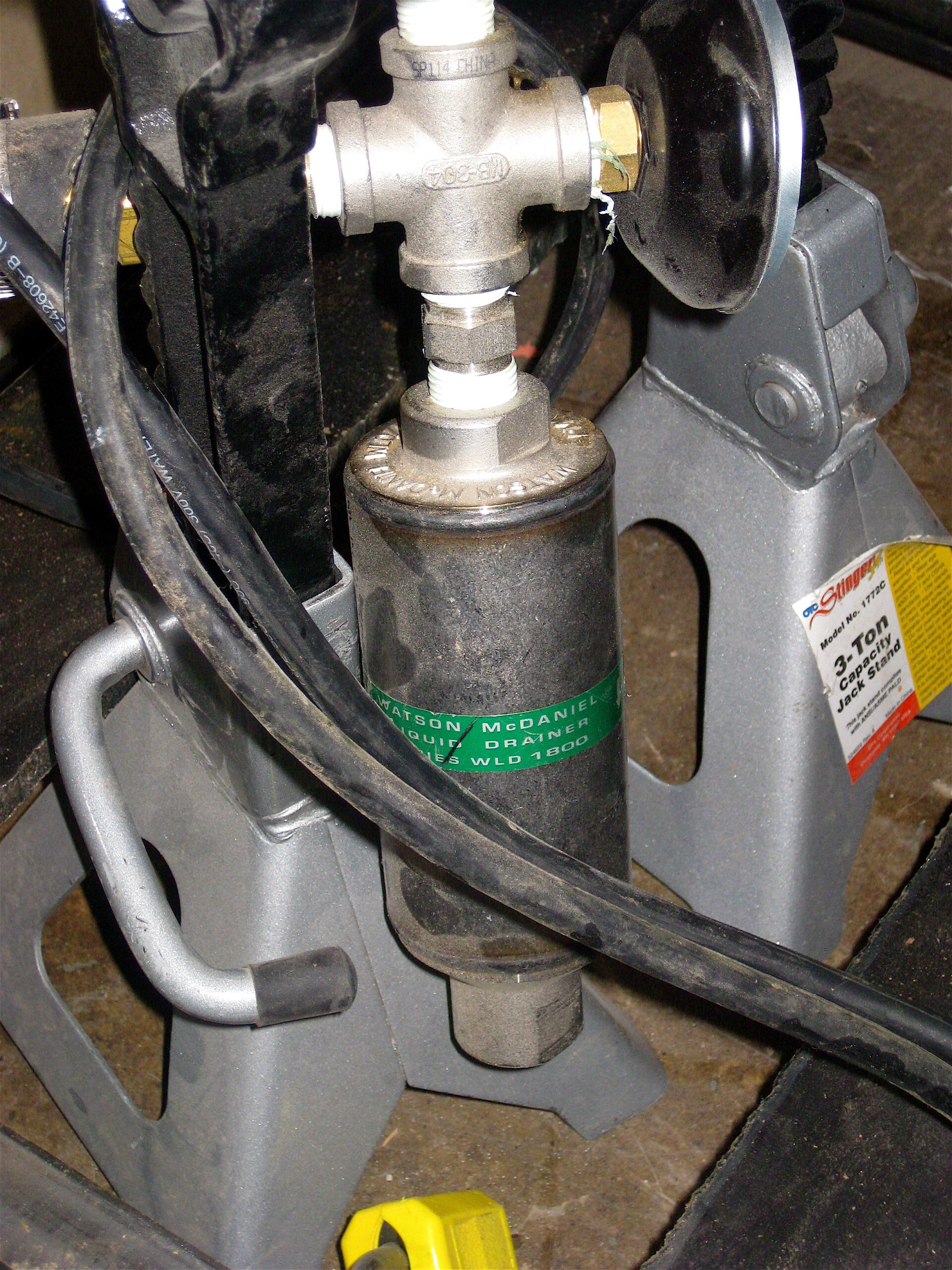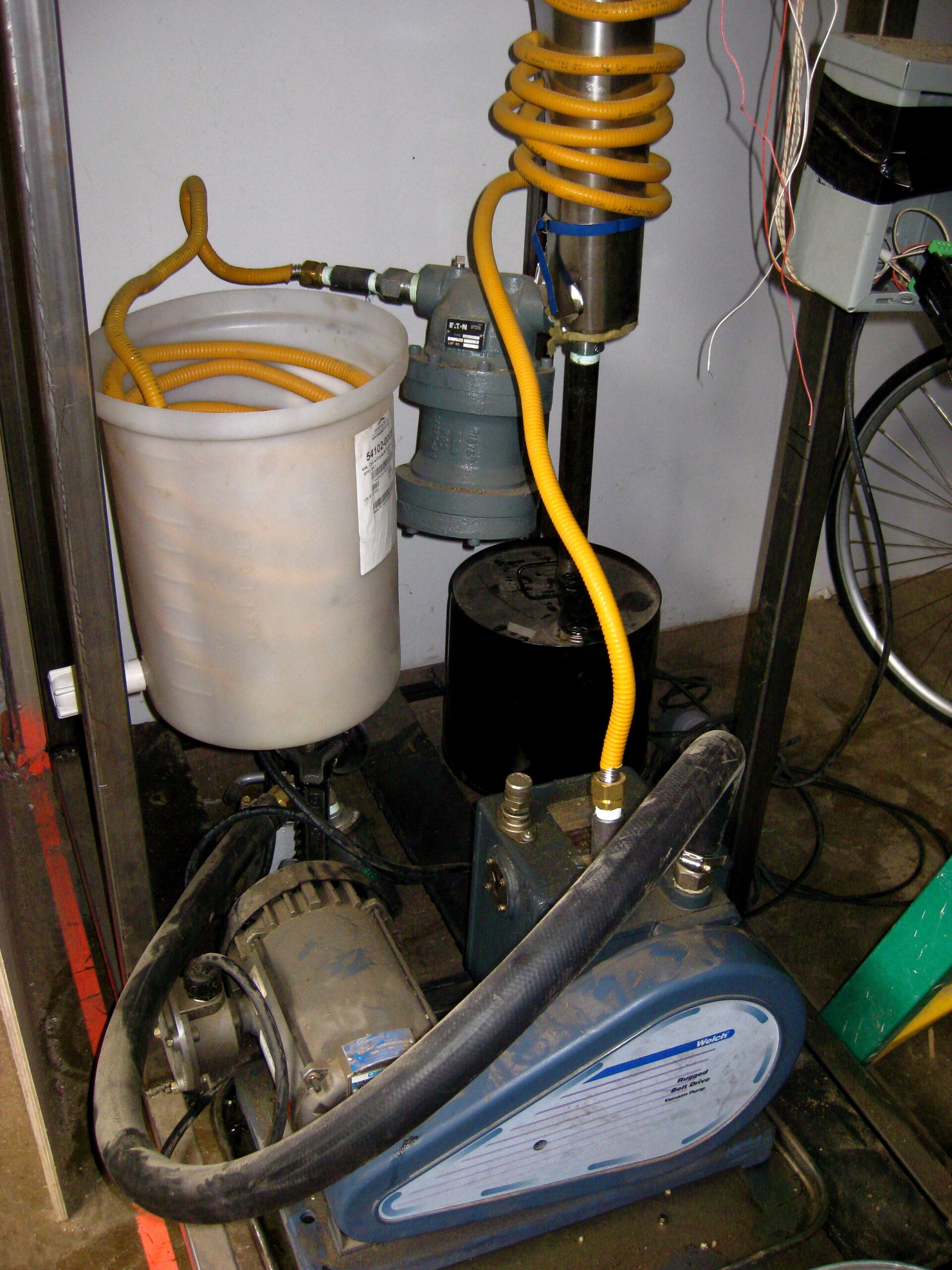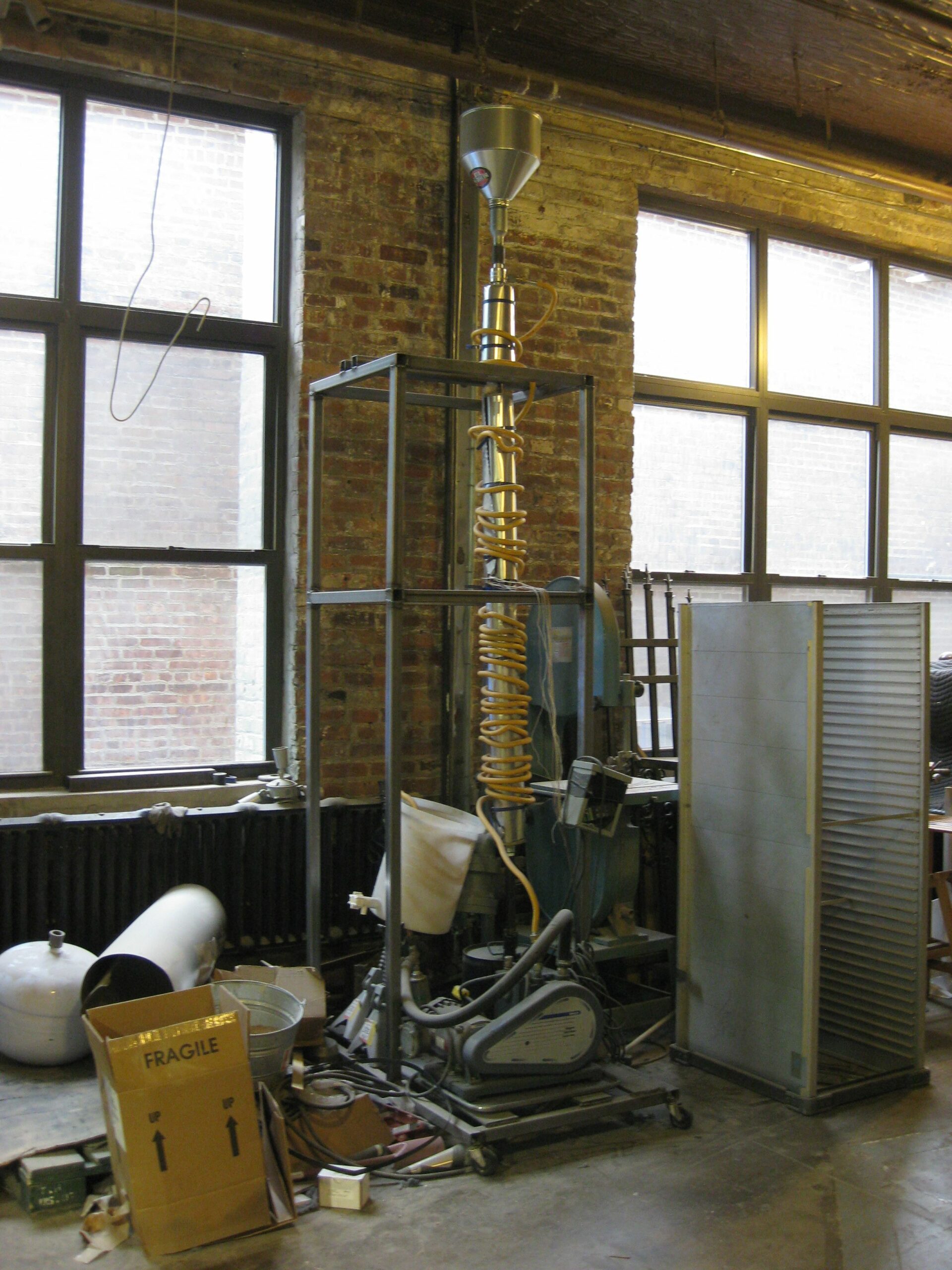
Among the hot new ideas afloat in the world of geoengineering is biochar, a form of charcoal that some say could significantly help in carbon sequestration in the future. Re:char, a fledgling company working out of a corner of a cluttered warehouse in a shared artist loft in Brooklyn, New York, is experimenting with biochar production on a very small scale.
The re:char team is developing a low-cost mobile pyrolyzer to burn agricultural biomass waste and turn it into biochar, which acts as a fertilizer, in addition to sequestering carbon dioxide. The unit also produces bio-oil, a hydrocarbon fuel that can be used as heating oil, run a diesel engine, or burned to power a microturbine and generate electricity. Technology like re:char's may soon help small, remote farms increase crop growth, generate energy and survive off the grid in one fell swoop. Sounds great. But what does this mean and how does it work? And what is biochar?
Biochar is made when biomass is burned in the absence of oxygen, a process called pyrolysis. The substance was first discovered in the Amazon, and it is believed that agricultural groups there used it to fertilize the rainforest's nutrient-poor soil, somewhere between 2,500 and 6,000 years ago. Biochar is a great fertilizer, because it contains high levels of nutrients vital for plant growth, like nitrogen, phosphate, and calcium. It is also highly porous, which helps soil retain water, and provides a nice environment for various microbes that are beneficial for plant growth. And it locks carbon dioxide away, possibly for thousands of years. Any biomass can yield biochar, including wood, as well as agricultural waste like hulls and stems. The pyrolysis process also yields hydrocarbons, which can be made into fuel.
The Hot Sweet Spot
The outcome of the pyrolysis reaction depends on how much you heat the biomass. Scientists are still working out the details, but some research suggests that pyrolysis at temperatures under around 900°F cause volatile materials in the burning biomass -- hydrocarbons -- to remain locked in the biochar after the reaction. There are two negatives in this scenario: first, biochar that contains an abundance of hydrocarbons may actually have negative affects on soil, and second, failure to release hydrocarbons in a vapor or gas form means that you can't make the hydrocarbons into fuel.
According to Jason Aramburu, re:char's co-founder and technical developer, the sweet spot for making biochar falls between 900° and 1000°F. When pyrolysis is done at this temperature, it yields both biochar and hydrocarbon vapor, which can be collected and condensed into a substance called bio-oil. The oil can be dumped directly into a boiler and used for a heating system, or it can be refined to run a diesel engine (some hardy engines may even be able to run on bio-oil straight from re:char's device). Aramburu says that the bio-oil works best in microturbines, small turbines that can run on gas or oil to generate electricity. At higher temperatures (around 1500°-1800°F), the reaction still works, but yields hydrocarbon gas instead of vapor. The gas could be used for fuel, but it isn't as clean as the vapor and bio-oil, and requires an expensive and lengthy filtering process in order to make it into usable fuel.
The current prototype can process up to a ton of biomass per day, running full time. Half of the output is bio-oil, thirty percent is biochar, and the rest comes out as gases that are fed back through the system and react further to make more hydrocarbon vapor. According to re:char, every pound of biomass processed is able to sequester nearly four pounds of carbon dioxide.
Compared to current carbon sequestration systems, which can cost around $60 per ton of carbon dioxide captured and sequestered, re:char's unit is far cheaper. If their unit has operating life of ten years (they're still working out the details of this) then it will cost around two to five dollars per ton of CO2 sequestered. Another key aspect of re:char's design is that it is mobile. Large-scale stationary pyrolyzers are already available on the market, but these are expensive and have a lot of moving parts, which means there are more places where they can break down. Biomass has to be transported to these units, rather than the other way around, which increases carbon output. As far as mobile pyrolyzers go, there are others available. But re:char's design is currently the only small-scale mobile pyrolyzer that makes both biochar and bio-oil.
Off the Grid
Re:char's future goal is to manufacture its pyrolyzer for small-scale agricultural operations. The idea is simple: the operators burn waste agricultural biomass (husks, stems, etc) in a pyrolyzer. The resulting biochar is then worked back into the soil, increasing fertility and sequestering carbon dioxide from the air. The bio-oil generates electricity via a microturbine to power equipment and, potentially, nearby homes. The unit is especially promising for small farms in remote locales because it could help them generate electricity.
Early-stage projects are already underway. Researchers at the University of Michigan are working with re:char to test a prototype based on Aramburu's design, and a working prototype on a small farm in Norfolk, Connecticut processes waste wood from trees that were destroyed in an ice storm last winter. The Brooklyn location receives several requests per week from farmers, ranchers and vineyard owners from across the U.S., as well as Mexico, Puerto Rico and Canada. These operations send in biomass samples in order to determine the quality and energy density of the biochar and bio-oil, to see if the device is a worthwhile investment for their operations. There has also been interest from groups who would like to bring the technology to the developing world.There is an ongoing debate over whether or not biochar is a viable option for combating climate change. Some tout biochar as a miracle material that could significantly aid in carbon sequestration. Proponents include such climate science superstars as James Hansen, the head of NASA's Goddard Institute for Space Studies and independent climate scientist James Lovelock, developer of the Gaia hypothesis. Others, however, question whether or not it makes sense to put biomass through this process, instead of using it directly as fuel or to help generate electricity, by, for example, co-feeding a coal plant. Daniel Schrag, a climate scientist at Harvard University, says that the use of biomass to make bio-oil is a reasonable approach to getting energy out of biomass for small-scale farms, but cautions against focusing on biochar as a viable carbon sequestration technique: it is hard to determine exactly how long biochar will sequester CO2.
Only time will tell how effective biochar is and whether or not bio-oil can be realistically used to generate electricity. But in the meantime, see our photo gallery of re:char's Brooklyn prototype.
Five amazing, clean technologies that will set us free, in this month's energy-focused issue. Also: how to build a better bomb detector, the robotic toys that are raising your children, a human catapult, the world's smallest arcade, and much more.


Online Content Director: Suzanne LaBarre | Email
Senior Editor: Paul Adams | Email
Associate Editor: Dan Nosowitz | Email
Assistant Editor: Colin Lecher | Email
Assistant Editor: Rose Pastore | Email
Contributing Writers:
Kelsey D. Atherton | Email
Francie Diep | Email
Shaunacy Ferro | Email
I loved this article!
It is wonderful to see that young people from all disciplines are taking interest in cleaning up our energy sources. Keep up the good work!
Question: wouldn't this be a great technology to incorporate in the phasing out of coal mining in our country and abroad? Places like West Virginia that have logging and coal production could potentially utilize fast-action pyrolysis to revamp their energy production, yes?
Thank you for the kind comments. Yes, pyrolysis technology can be used to create a clean-burning, biomass-based alternative to coal. Such technology would be ideal in places like West VA where there is an abundance of biomass.
Jason Aramburu
re:char
Biochar Soil Technology.....Husbandry of whole new orders of life
Biotic Carbon, the carbon transformed by life, should never be combusted, oxidized and destroyed. It deserves more respect, reverence even, and understanding to use it back to the soil where 2/3 of excess atmospheric carbon originally came from.
We all know we are carbon-centered life, we seldom think about the complex web of recycled bio-carbon which is the true center of life. A cradle to cradle, mutually co-evolved biosphere reaching into every crack and crevice on Earth.
It's hard for most to revere microbes and fungus, but from our toes to our gums (onward), their balanced ecology is our health. The greater earth and soils are just as dependent, at much longer time scales. Our farming for over 10,000 years has been responsible for 2/3rds of our excess greenhouse gases. This soil carbon, converted to carbon dioxide, Methane & Nitrous oxide began a slow stable warming that now accelerates with burning of fossil fuel.
Wise Land management; Organic farming and afforestation can build back our soil carbon,
Biochar allows the soil food web to build much more recalcitrant organic carbon, ( living biomass & Glomalins) in addition to the carbon in the biochar.
Biochar, the modern version of an ancient Amazonian agricultural practice called Terra Preta (black earth, TP), is gaining widespread credibility as a way to address world hunger, climate change, rural poverty, deforestation, and energy shortages… SIMULTANEOUSLY!
Modern Pyrolysis of biomass is a process for Carbon Negative Bio fuels, massive Carbon sequestration,10X Lower Methane & N2O soil emissions, and 3X Fertility Too.
Every 1 ton of Biomass yields 1/3 ton Charcoal for soil Sequestration (= to 1 Ton CO2e) + Bio-Gas & Bio-oil fuels = to 1MWh exported electricity, so is a totally virtuous, carbon negative energy cycle.
Biochar viewed as soil Infrastructure; The old saw;
"Feed the Soil Not the Plants" becomes;
"Feed, Cloth and House the Soil, utilities included !".
Free Carbon Condominiums with carboxyl group fats in the pantry and hydroxyl alcohol in the mini bar.
Build it and the Wee-Beasties will come.
As one microbiologist said on the Biochar list; "Microbes like to sit down when they eat".
By setting this table we expand husbandry to whole new orders of life.
This is what I try to get across to Farmers, as to how I feel about the act of returning carbon to the soil. An act of pertinence and thankfulness for the civilization we have created. Farmers are the Soil Sink Bankers, once carbon has a price, they will be laughing all the way to it.
Dr. Scherr's report includes biochar. www.worldwatch.org/node/6124
I think we will be seeing much greater media attention for land management & biochar as reports like her's come out linking the roll of agriculture and climate.
Unlike CCS which only reduces emissions, biochar systems draw down CO2 every energy cycle, closing a circle back to support the soil food web. The "capture" collectors are up and running, the "storage" sink is in operation under our feet. Pyrolysis conversion plants are the only infrastructure we need to build out.
Another significant aspect of bichar and aerosols are the low cost ($3) Biomass cook stoves that produce char but no respiratory disease. //terrapretapot.org/ and village level systems //biocharfund.org/ with the Congo Basin Forest
Fund (CBFF). The Biochar Fund recently won $300K for these systems citing these priorities;
(1) Hunger amongst the world's poorest people, the subsistence farmers of Sub-Saharan Africa,
(2) Deforestation resulting from a reliance on slash-and-burn farming,
(3) Energy poverty and a lack of access to clean, renewable energy, and
(4) Climate change.
This ordering of priorities is a compelling mantra against the Biofuel Watch UK group who have consistently misrepresented Biochar research work.
Major Endorsements:
Senator / Secretary of Interior Ken Salazar has done the most to nurse this biofuels system in his Biochar provisions in the 07 & 08 farm bill,
www.biochar-international.org/newinformationevents/newlegislation.html
NASA's Dr. James Hansen Global warming solutions paper and letter to the G-8 conference, placing Biochar / Land management the central technology for carbon negative energy systems.
//arxiv.org/ftp/arxiv/papers/0804/0804.1126.pdf
Dr. James Lovelock (Gaia hypothesis) says Biochar is "The only hope for mankind"
Charles Mann ("1491") in the Sept. National Geographic has a wonderful soils article which places Terra Preta / Biochar soils center stage.
//ngm.nationalgeographic.com/2008/09/soil/mann-text
Soil Carbon Sequestration Standards Committee. Hosted by Monsanto, this group of diverse interests has been hammering out issues of definition, validation and protocol. The past week, this group have been pressing soil sequestration's roll for climate legislation to congress.
www.novecta.com/documents/Carbon-Standard.pdf
Along these lines internationally, the work of the IBI fostering the application by 20 countries for UN recognition of soil carbon as a sink with biochar as a clean development mechanism will open the door for programs across the globe.
www.biochar-international.org/biocharpolicy.html.
Reports:
This new Congressional Research Service report (by analyst Kelsi Bracmort) is the best short summary I have seen so far - both technical and policy oriented.
://assets.opencrs.com/rpts/R40186_20090203.pdf .
This is the single most comprehensive report to date, covering more of the Asian and Australian work;
www.csiro.au/files/files/poei.pdf
Biochar data base;
TP-REPP
terrapreta.bioenergylists.org/?q=node
Given the current "Crisis" atmosphere concerning energy, soil sustainability, food vs. Biofuels, and Climate Change what other subject addresses them all?
This is a Nano technology for the soil that represents the most comprehensive, low cost, and productive approach to long term stewardship and sustainability.
Carbon to the Soil, the only ubiquitous and economic place to put it.
Cheers,
Erich
Erich J. Knight
Eco Technologies Group Technical Adviser
University of California Riverside advisory board member
Shenandoah Gardens (Owner)
1047 Dave Barry Rd.
McGaheysville, VA. 22840
540 289 9750
Co-Administrator, Biochar Data base & Discussion list TP-REPP
I will be speaking at the first North American Biochar Conference, at CU in Boulder , about my efforts to network the many disciplines and organizations researching and implementing biochar systems.
Keynote speaker Secretary Tom Vilsack & Dr. Susan Solomon (NOAA's head atmospheric scientist) at.
www.regonline.com/builder/site/Default.aspx?eventid=684390
My attendance is thanks to the folks at EcoTechnologies Group .
( www.ecotechnologies.com/index.html , they have also fully funded my field trials with the Rodale Institute & JMU)
There is real magic coming out of the Asian Biochar conference.
15 ear per stalk corn with 250% yield increase,
Sacred Trees and chickens raised from near death
Multiple confirmations of 80% - 90% reduction of soil GHG emissions
The abstracts of the conference are at
www.anzbiochar.org/2009presentations.html
lnwolf41 This is a good idea, and would be effective if you can convince The rebels; revolutionaries, dictators,and basic depots to let their people use this system, but that won't happen because they are all narrow minded warmongers.
As for us farming, most is big corporations, convince them they'll increase profit and yield more food they might invest in it.
Note: it's been brought to my attention that the substance discovered in the Amazon is not technically biochar. It is called terra preta, and includes charcoal (biochar) as well as bones, pottery shards, etc. However, it appears to be the presence of biochar that makes the substance good for fertilization etc (although experts still aren't 100% sure about this)
For more info on terra preta, see: www.ft.com/cms/s/2/67843ec0-020b-11de-8199-000077b07658.html
-Brooke Borel
Welcome friends
I hope this it will help you !
I found the best book about biochar with a special holiday price http://biochar-books.com/TBRsale
http://biochar-books.com/
It is a truly biochar Bible.
I believe this is the most beautiful holiday gift for your loved ones.
A real deal at a great price