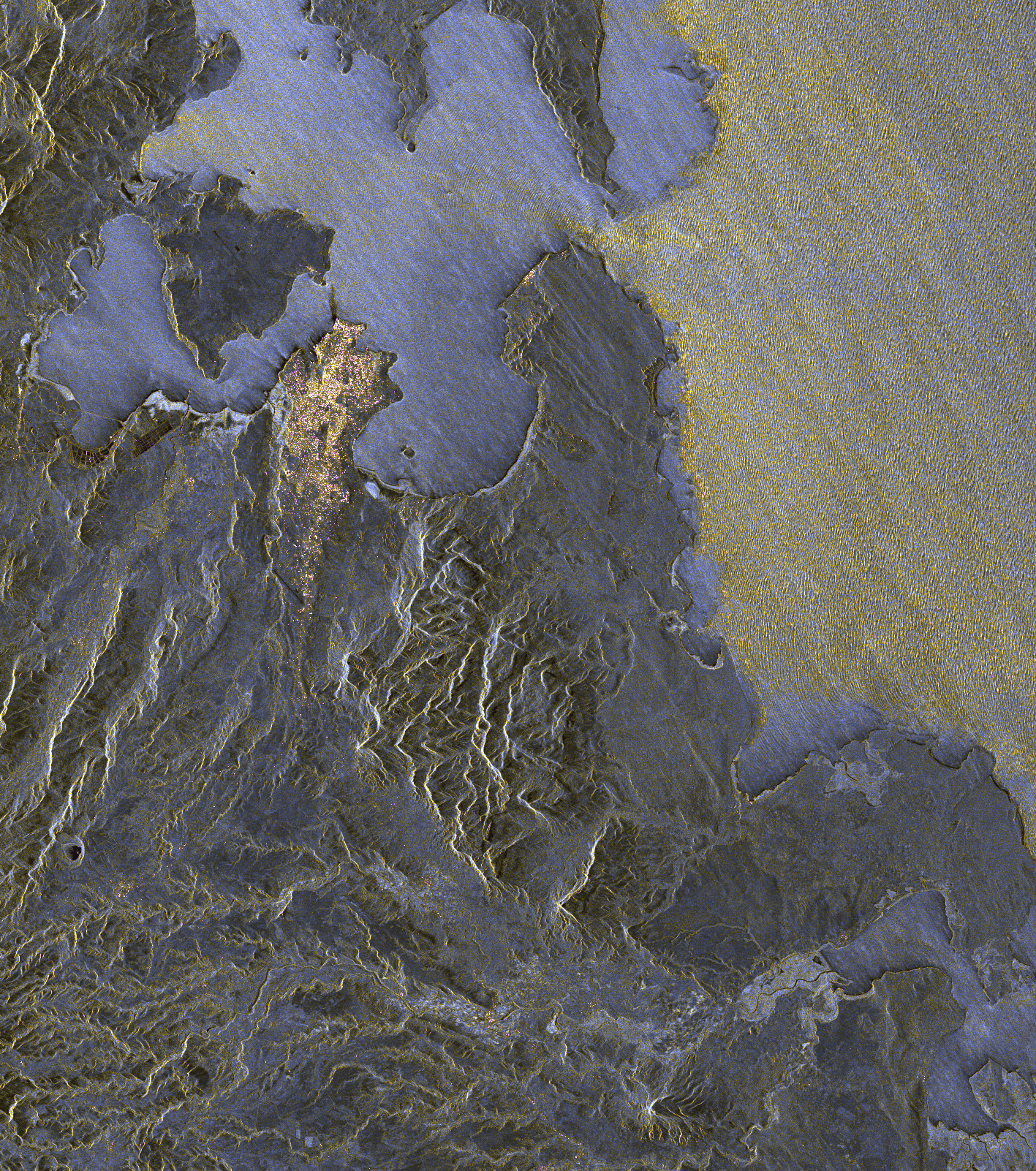
The super-accurate Earth-mapping satellite TanDEM-X has beamed back its first images, and they’re detailed enough to show waves breaking in the Indian Ocean.
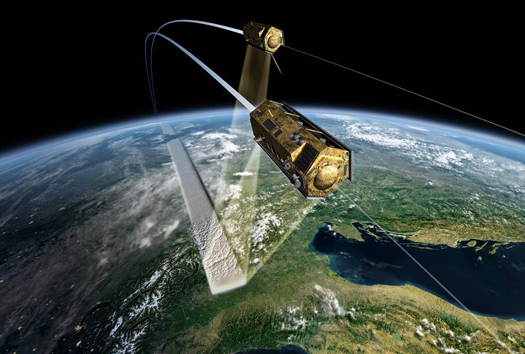
The German satellite is in excellent health and ready to team up with the TerraSAR-X satellite to create the most precise world maps ever made, BBC reports.
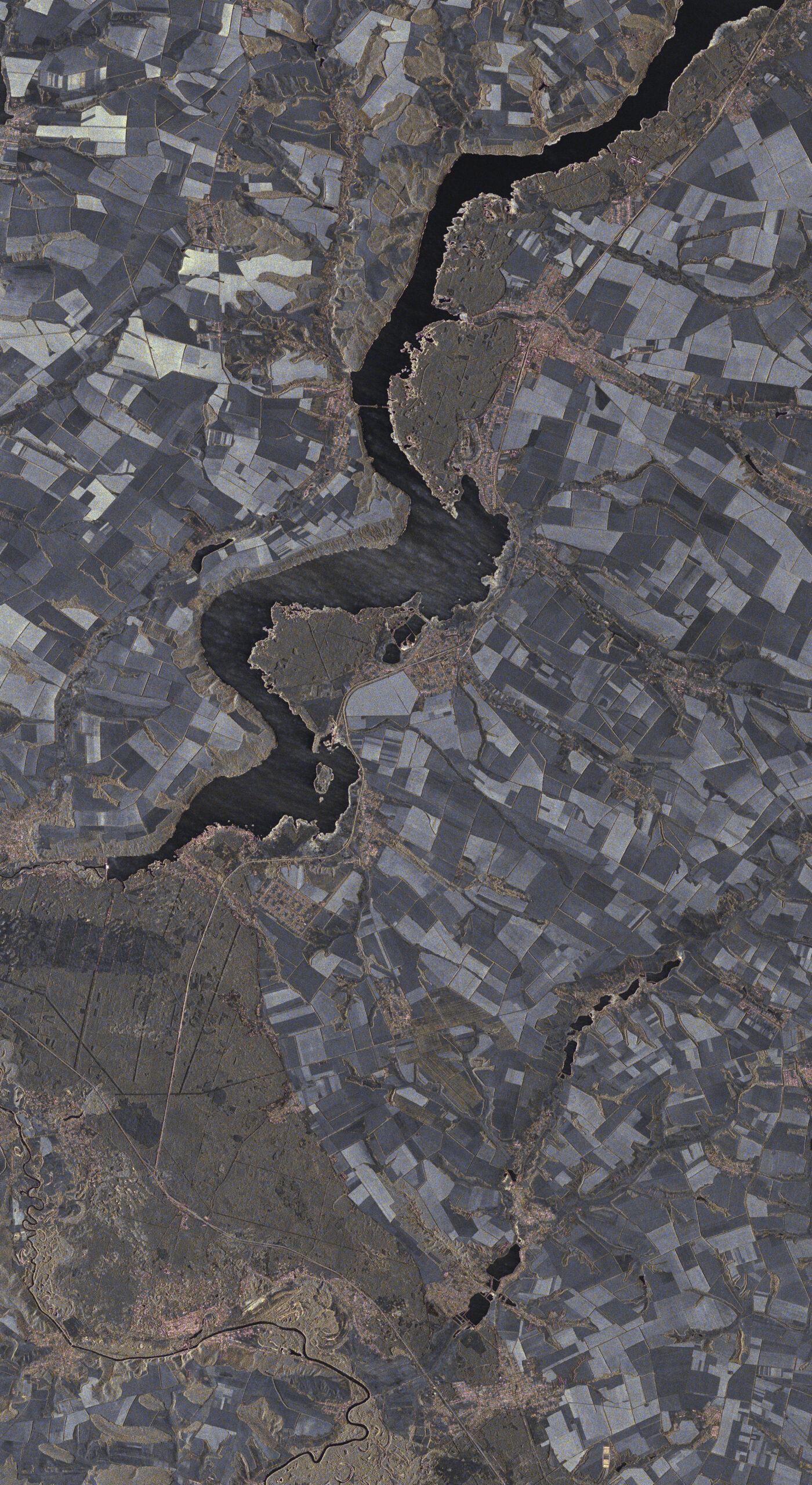
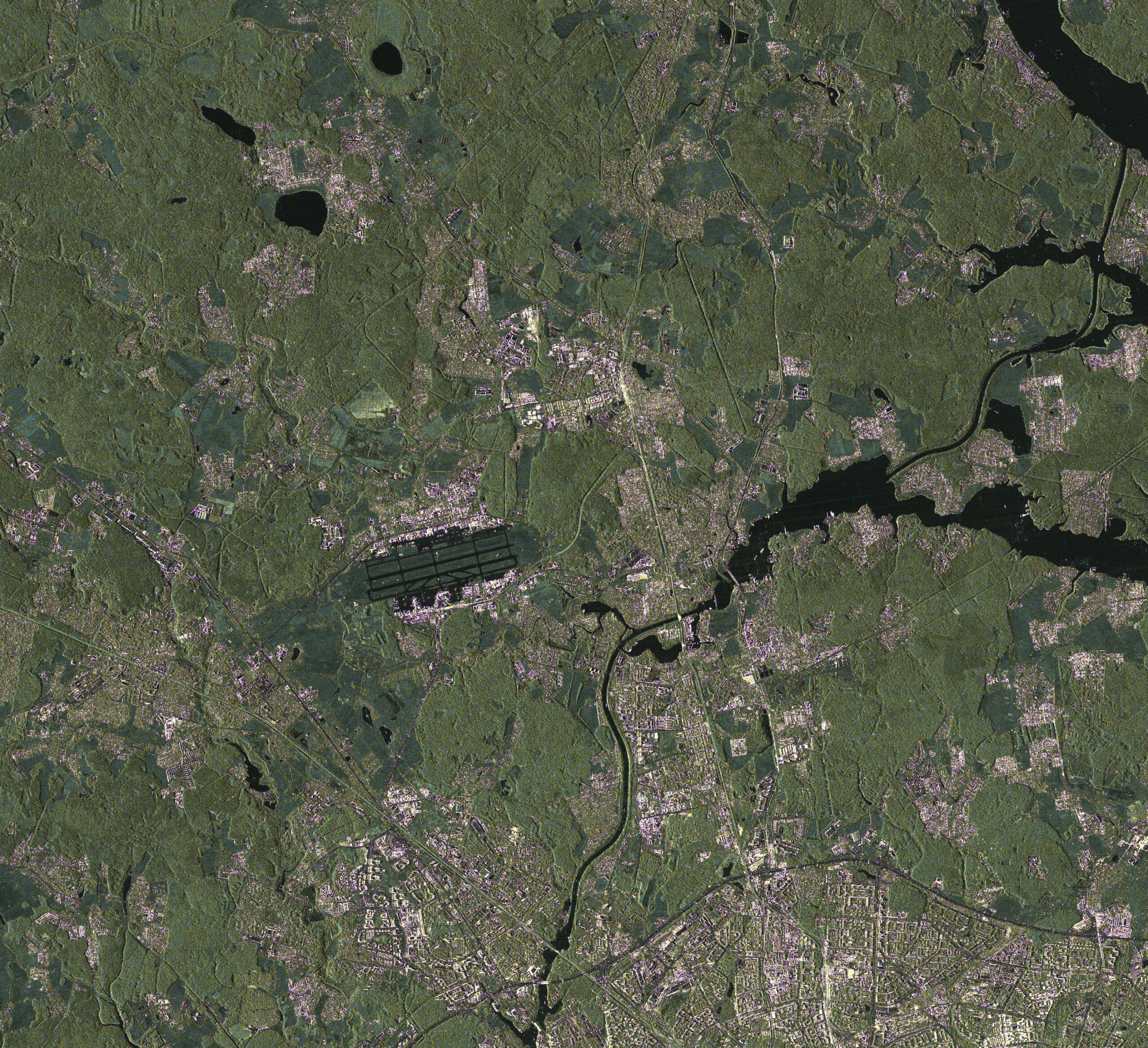
TanDEM-X’s first images show the runways at Moscow’s airport; a cubist-looking grid of forests and fields in Ukraine; and the difference between choppy and calm waters off Madagascar.
The spacecraft is flying over Earth at roughly 4 miles per second, and will join its partner satellite in a tight dance by this October.
The duo will bounce microwave pulses off Earth’s surface and time the return signals, allowing them to map the entire land surface of the planet in extreme detail. TerraSAR-X has already mapped the surface within an accuracy of about 30 feet. The tandem satellites should be able to map the variation in height of the Earth’s surface to within about six and a half feet.
This digital elevation information could enable military jets to fly ultra-low, or it could help relief workers spot damage wrought by natural disasters.
The satellites will orbit in a complicated dance that brings them within 700 feet of each other. They’ll start making 3-D maps sometime in January, and it will take about three years to create a seamless map of the globe.