
Pneumonia is a common affliction among whales and dolphins. In a first for marine mammals, veterinarians have used bacteria-killing viruses to treat a beluga whale (Delphinapterus leucas) with a drug-resistant infection.
Jetta, an 11-year-old beluga whale at Mystic Aquarium in Connecticut, developed chronic pneumonia caused by multi-drug-resistant E. coli bacteria. After powerful antibiotics proved mostly ineffective, the experts from the aquarium and University of Florida developed a bacteriophage treatment for Jetta, according to a statement sent to Popular Science. Bacteriophages are viruses that kill bacteria, and Jetta’s treatment used bacteriophages specifically chosen to fight the E. coli strain causing her infection.
“Whales, dolphins and seals, in the wild and under human care alike, are especially prone to gram-negative bacterial infections, a category of pathogens notoriously difficult to cure with antibiotics,” Molly Martony, senior veterinarian at Mystic Aquarium, tells Popular Science. “That’s the opposite of most land mammals, which more commonly battle gram-positive infections with a wider range of treatment options. As a result, marine mammals face multidrug-resistant infections far more often.”
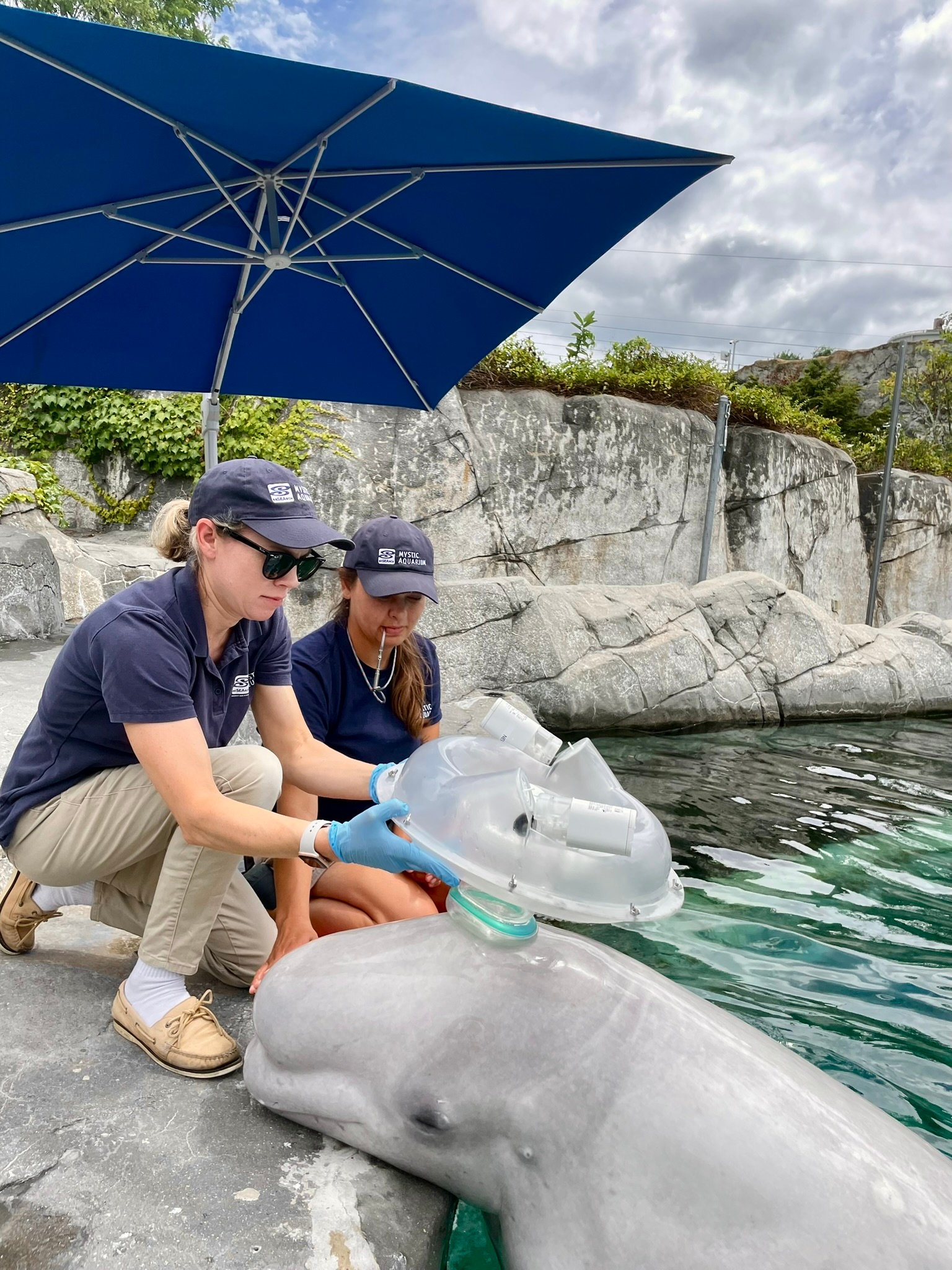
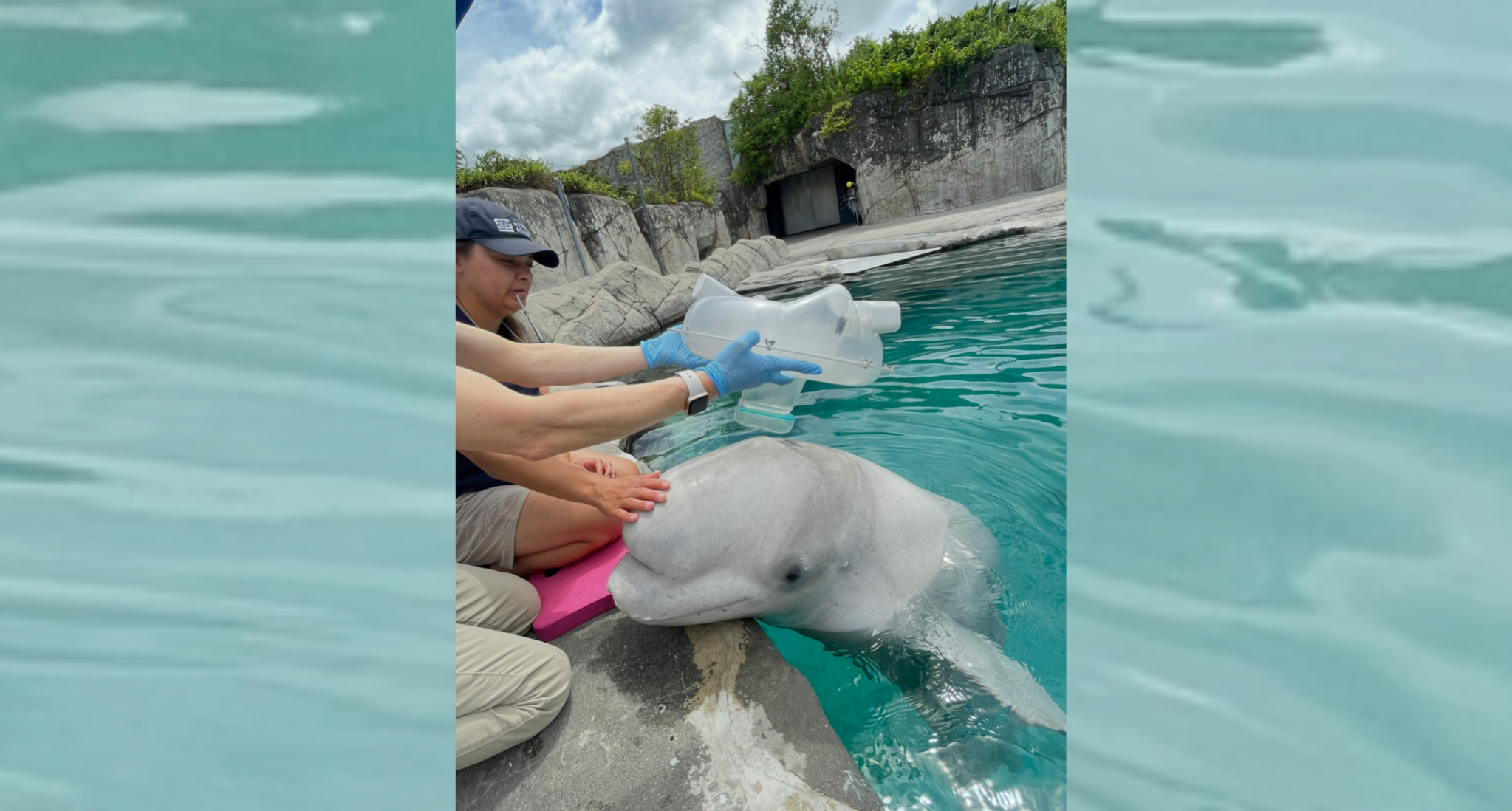
The team delivered the treatment in various ways, including through a nebulizer. Jetta was trained to swim to the pool’s edge three times a day and inhale deeply through the nebulizer, which was crafted specially for a beluga blowhole. Jetta was treated over a year ago. Since then, her care team hasn’t found any evidence of recurrence, nor any negative side effects from the bacteriophage therapy.
“Bacteriophage therapy isn’t entirely new. It has also been used experimentally in humans. However, Jetta’s case highlighted something unexpected: the delivery method itself.” Martony explains. “Administering the phages via nebulization, essentially having her breathe them in, proved remarkably effective and stress-free. Human researchers have also started to show that it’s a route worth exploring in human medicine, potentially offering a faster, less invasive way to fight multidrug-resistant infections in people.”
Martony will be presenting the success at the University of Florida’s Phage Across One Health Symposium next month. She and partners at the University of Florida are also preparing the research for publication.
