
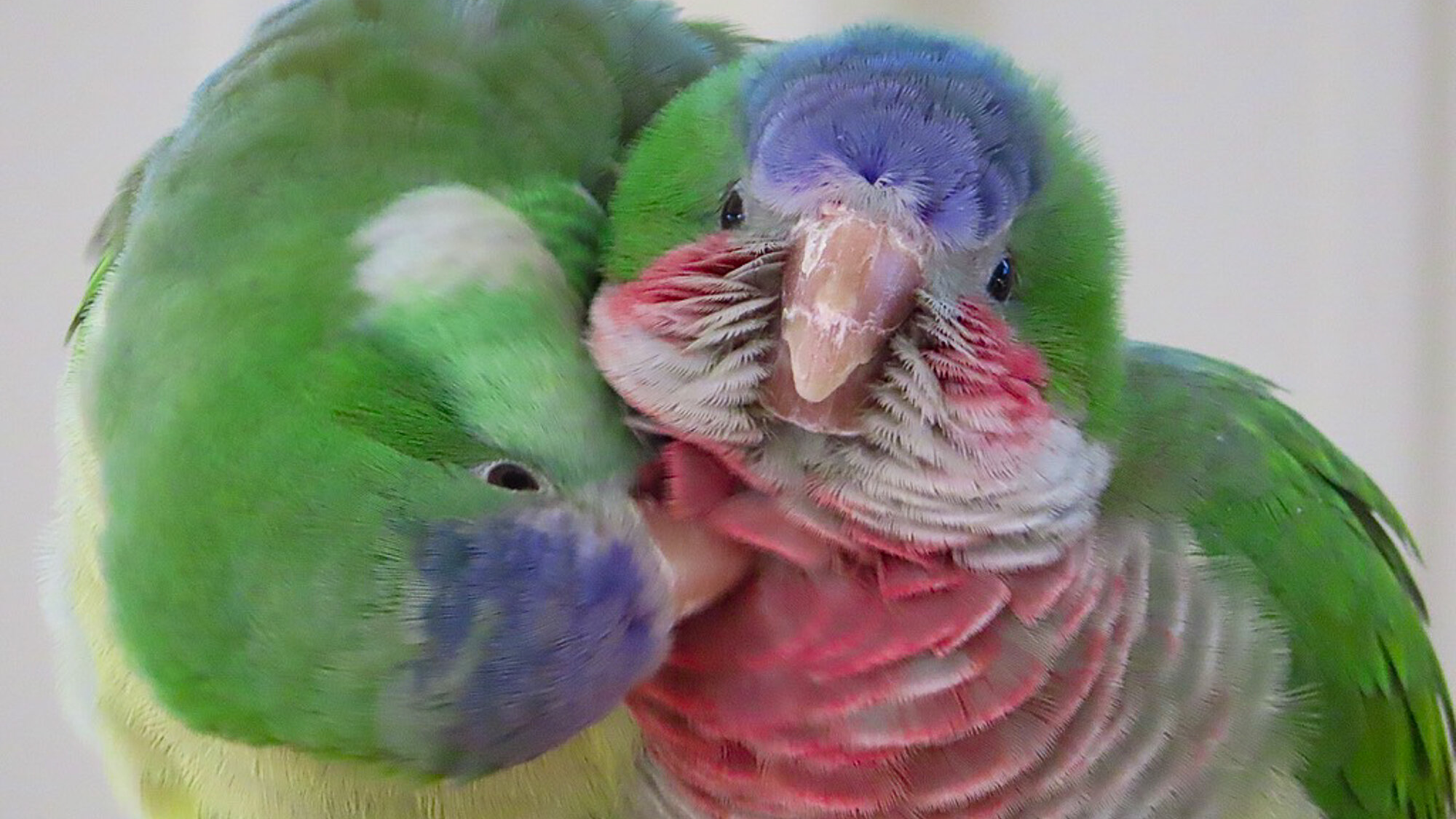
Making new friends (especially as an adult) can be challenging. It’s also tough for some of our feathered friends. When new birds are introduced to a group, monk parakeets will “test the waters” to avoid getting injured by defensive strangers. The parakeets will gradually approach the new bird, taking some time to get familiar before ramping up to more risky or vulnerable interactions that are needed to form the bonds necessary for survival. The findings are detailed in a study recently published in the journal Biology Letters.
“There can be a lot of benefits to being social, but these friendships have to start somewhere,“ said Claire O’Connell, a study co-author and a doctoral student in the University of Cincinnati, said in a statement. “Many parrots, for example, form strong bonds with one or two other birds. Partners often spend most of their time together, preen each other or sometimes form reproductive relationships.”
Maintaining these tight social bonds is generally associated with lower levels of stress and higher reproductive success. However, that first contact can be risky. When the animals are unfamiliar with one another, they may bite, hiss, or chase one another.
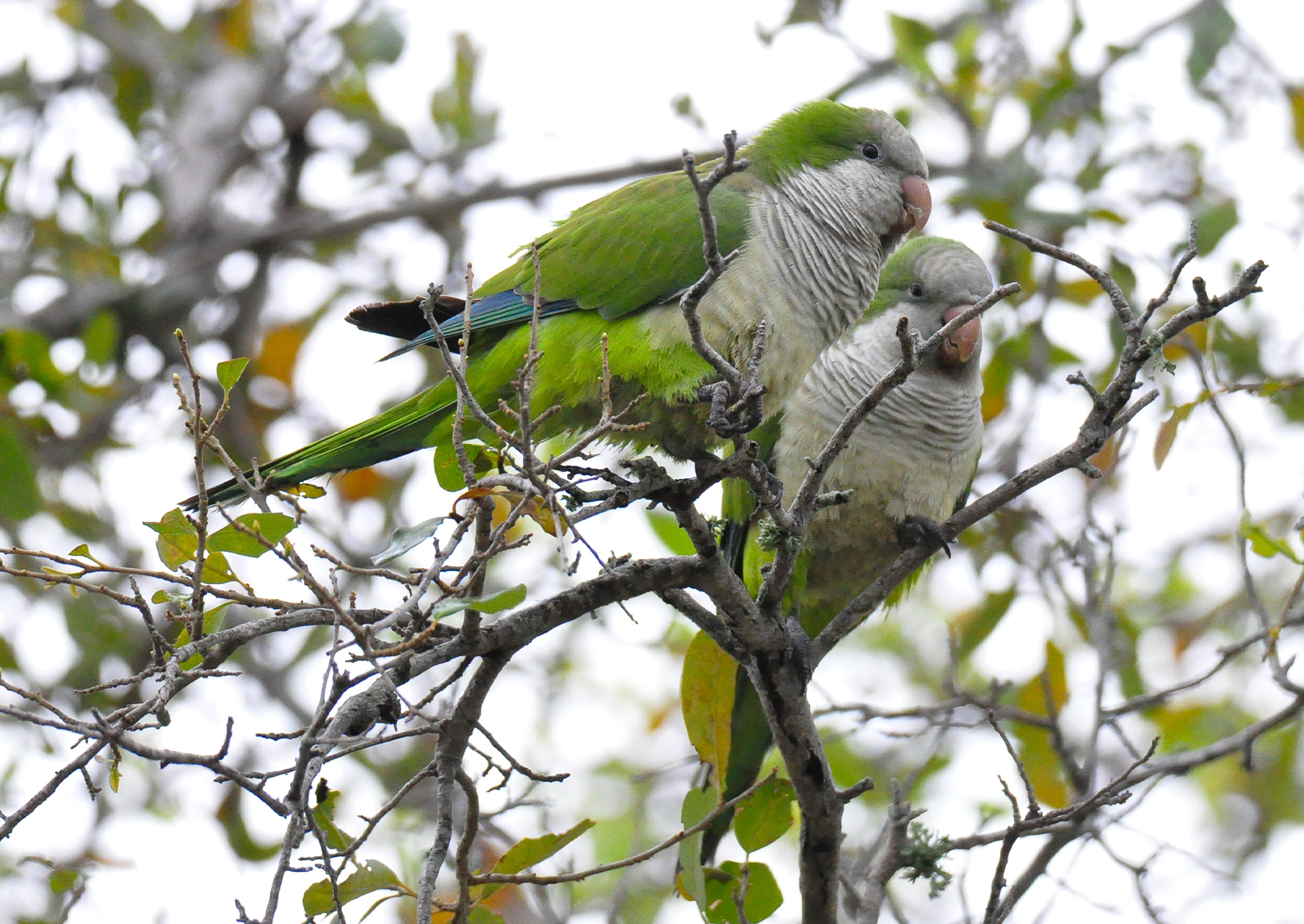
According to O’Connell, birds that don’t welcome a newcomer’s attention can be aggressive, leading to injuries.
In the new study, the team combined groups of wild-caught parakeets in a large flight pen. Some of the parakeets in the group were strangers, while others were more familiar. The team then collected data on when and how new relationships formed, by watching how physically close the birds got over time, which birds groomed each other, and other friendly behaviors. The recorded five specific physical interactions as they occurred:
- Shoulder contact–two birds perched next to each other so that they are touching
- Allopreening–social grooming
- Beak touching–birds simultaneously touching beaks
- Allofeeding–the regurgitation of food into another’s beak
- Copulation
In total, they analyzed over 179 relationships and used computational methods and statistical models to determine if relationship formation followed the pattern predicted by previous studies exploring the theory of testing the waters.
“Capturing the first moments between strangers can be challenging, so we were really excited that our experiments gave us the chance to observe that process up close,” O’Connell said.
Strangers were more likely to approach with caution. These new birds also took time to share space with the ones that they did not know, before eventually perching shoulder to shoulder, touching beaks, or preening others. Some of the strangers even took these relationships to the next level by sharing food and even mating.
These results are similar to a 2020 study of vampire bats that showed new bats also test the waters, gradually increasing from social grooming relationships up to food-sharing relationships with trustworthy partners.
“What’s really fascinating about testing the waters is how intuitive it feels,” O’Connell said. “I can definitely relate! I started observing the parakeets shortly before I moved to Cincinnati to start graduate school. I was excited but also a little nervous about making new friends. At the same time, I was literally watching the parakeets make new friends themselves, although some did better than others. I started realizing there may be something I could learn from the parakeets.”
