
Popular Science. Demystifying the worlds of science and technology since 1872.
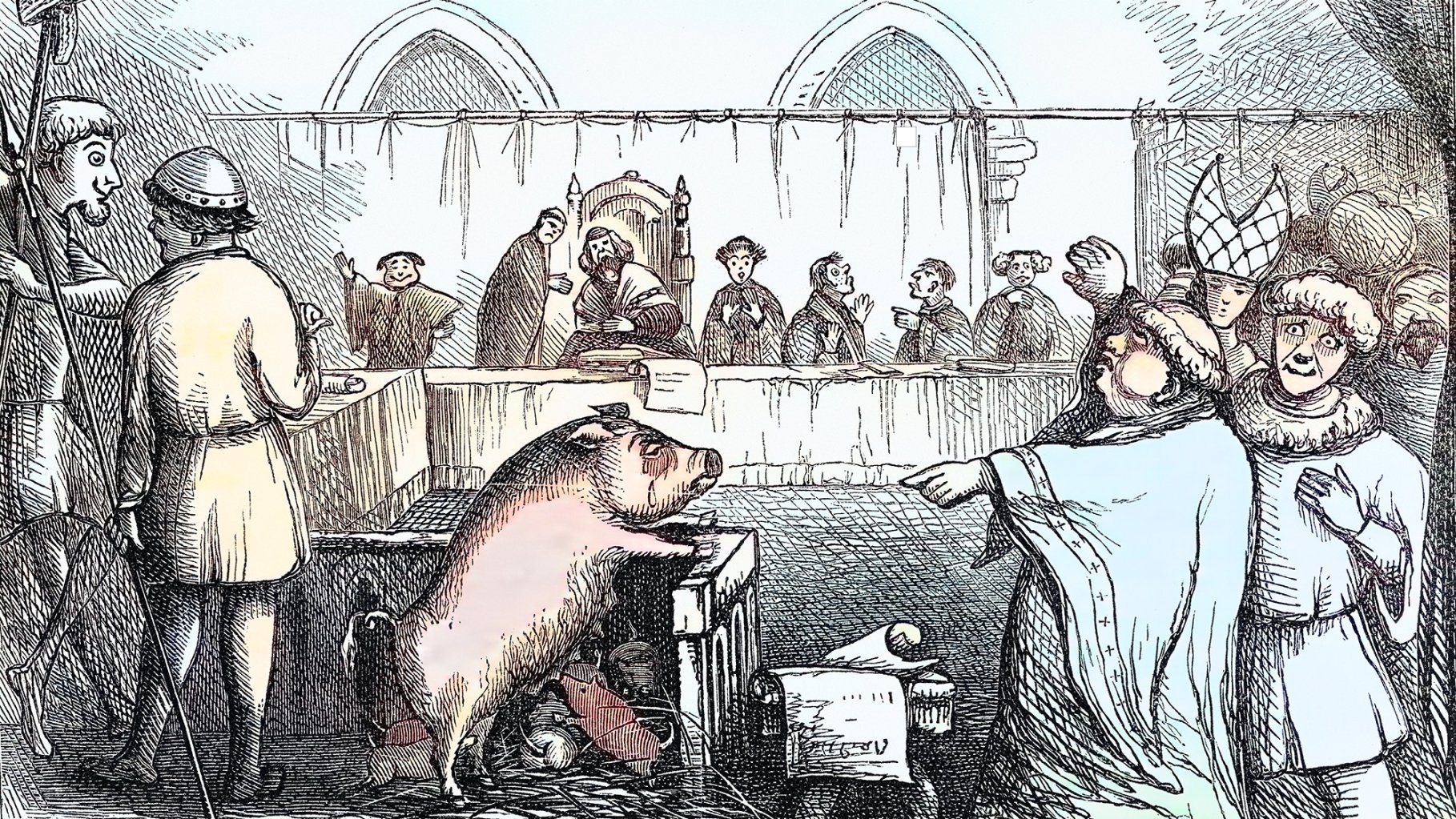
In medieval France, murderous pigs faced trial and execution
Animal trials helped to restore order when the unspeakable happened.

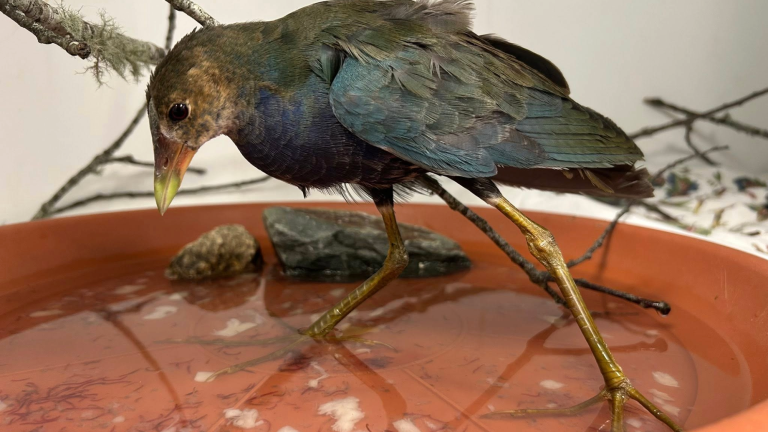





Chicago’s rat hole wasn’t made by a rat
Plus a retirement home for penguins and other weird things we learned this week.

Rachel Feltman
At Popular Science, we report and write dozens of stories every week. And while a lot of the fun facts we stumble across make it into our articles, there are lots of other weird facts that we just keep around the office. So we figured, why not share those with you? Welcome to The Weirdest Thing I Learned This Week.
Latest Articles

Abandoned pigs rescued on Tennessee’s Looney Islands
The animals are in good hands thanks to patience and a ‘pig whisperer.’

600-year-old Viking shipwreck is the largest of its kind
The medieval ‘cog’ was nearly 92 feet long and featured castles on its bow and stern.

Test your apple farming skills with this free video game
Race Against Rot shows how engaging with community may be a valuable resource.
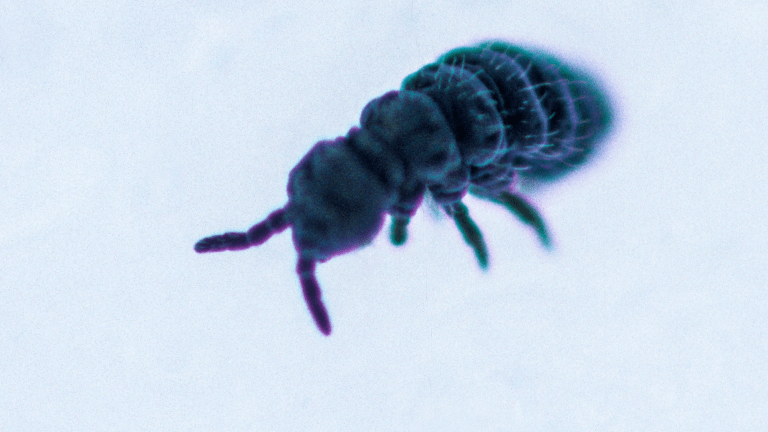
Snow fleas use their tail to jump around the ice
The tiny insects are older than dinosaurs.

How pilots avoid thunderstorms—and what happens when they can’t
Most commercial planes get struck by lightning a couple times a year.

3D map of Easter Island takes you places visitors aren’t allowed
One of the world’s most isolated islands is open to virtual tourists.

Ornate medieval ring discovered in Norway’s oldest town
The roughly 800-year-old ring shines with a brilliant blue gemstone.

5 ways to improve your health this year that don’t rely on losing weight
Back off the alcohol and get more sleep.

Nature could take over an abandoned NYC surprisingly quickly
Even the Empire State Building would eventually crumble.
Popular Science Cover Art Store
Own a piece of science history.

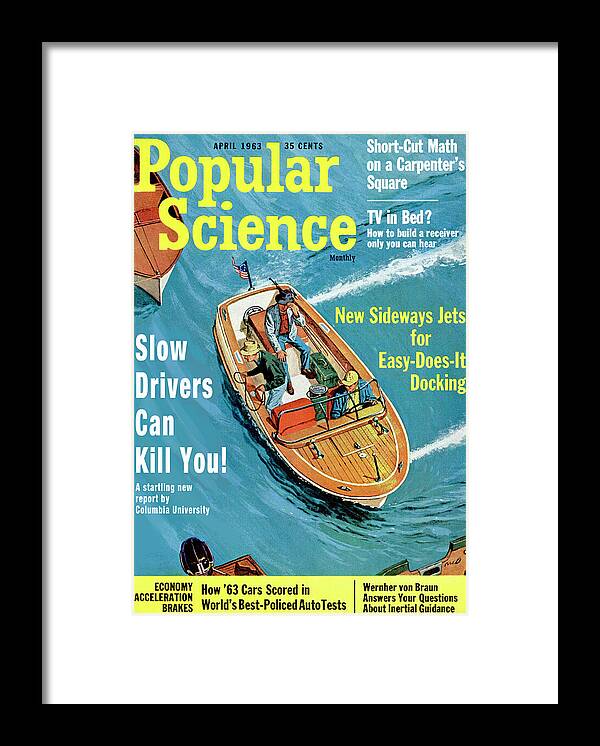
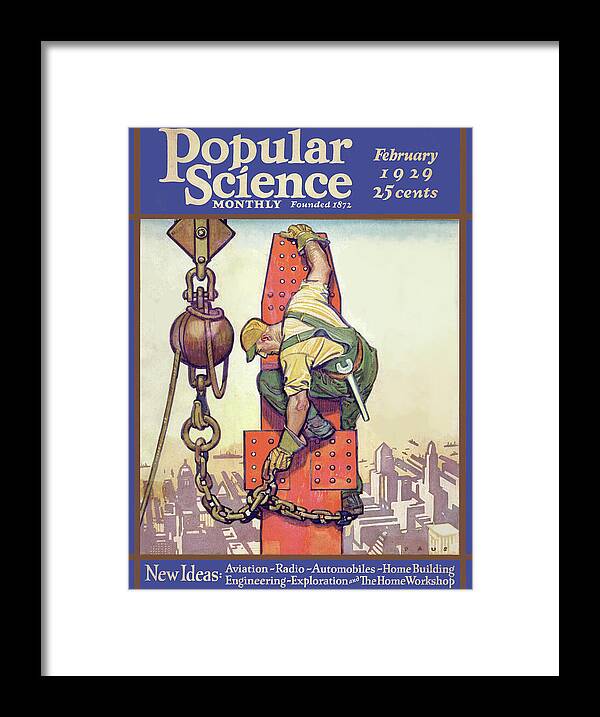

Popular Science has been demystifying the worlds of science and technology since 1872. We explain the inner workings of the phone in your pocket, explore world-changing innovations, and examine everything from the marvels of deep space to the secret lives of staples like bread. We deliver an engaging, approachable, and inclusive look at emerging technologies and scientific advances.
Daily, Popular Science unpacks the science behind the top current new stories, dissects the latest technology and digital trends, and helps readers live smarter, safer, and happier through clever DIY projects.
Meet the team
Our writers and editors


