
Lost: Old Trees
Yosemite National Park lost a quarter of its large trees over the past 60 years, according to a recent study that analyzed the park’s meticulous records. Ecologists suspect warmer temperatures have cut the trees’ water supply and that the trend could be just as bad around the world. Old trees survive forest fires and infection better than younger ones, and thus are critical for maintaining ecosystem health.
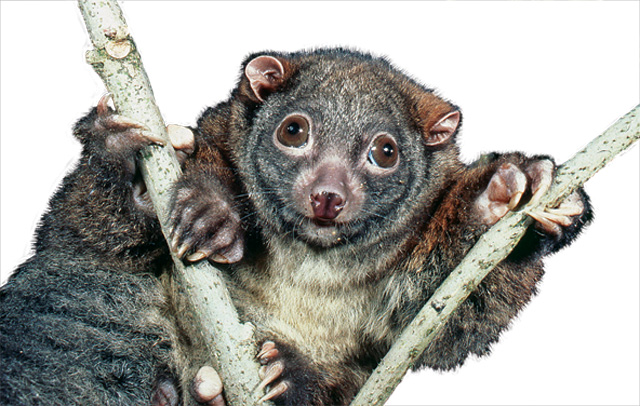
Found: Extinct Marsupial
This spring, a scientist spotted three lemuroid ringtail possums, which earlier this year had been reported as the first animal driven to extinction by climate change. The marsupial had not been seen since its northeast Australia rainforest home experienced a record hot summer in 2005. If warmer-than-normal conditions in the possum’s restricted habitat persist, however, the animal could still earn the distinction of being global warming’s first casualty.

Lost: The Farthest Star
In April, astronomers observed gamma rays from the farthest star ever found, which died 13 billion years ago. The radiation could yield clues about the early universe.
Found: The Galaxy’s Flavor
Astronomers detected the chemical responsible for raspberries’ flavor—and one of the largest molecules ever found in space—in a dust cloud at the center of the Milky Way.
