
We may earn revenue from the products available on this page and participate in affiliate programs. Learn more ›
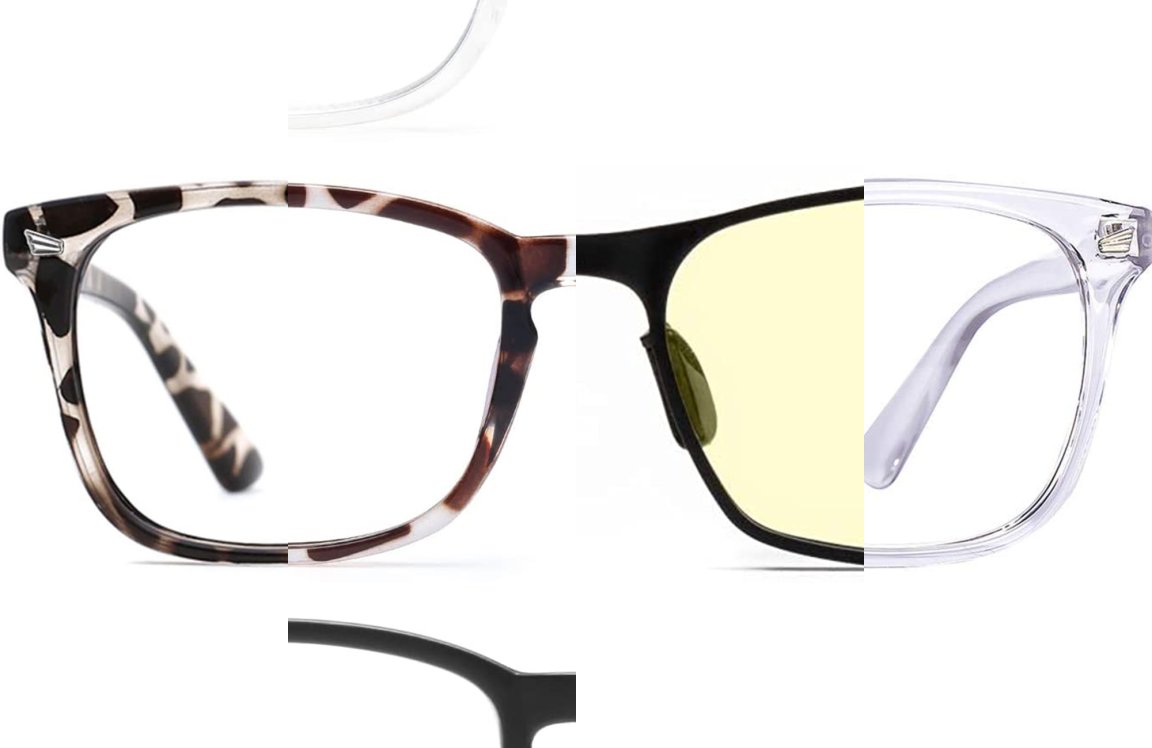
Here’s the pitch for blue light glasses: our screens emit all kinds of light, notably blue, and this light, the argument goes, can affect your eye health, your sleeping patterns, and your health. Blue light glasses—technically, they should be called “blue light blocking glasses”—filter out blue light, letting in the other wavelengths of light, thus theoretically reducing the danger that blue light presents. We’re all spending more time staring at glowing rectangular screens than ever before—and, frankly, more than we ever wanted to. You may have experienced headaches, dry eyes, and other uncomfortable symptoms, or you may just assume that all of this screen time simply can’t be good for our vision. The best blue light glasses can alleviate these symptoms without cramping your style.
- Best overall: TIJN Blue Light Blocking Glasses
- Best for gamers: GUNNAR Razer Edition Gaming Glasses
- Best stylish: Gaoye Glasses
- Best for kids: SEEAFUN Kid’s Glasses
- Best retro-style: Livho Blue Light Glasses
- Best budget: MAXJULI Blue Light Blocking Glasses
How we chose the best blue light glasses
Not all blue light glasses are created equal. Whether using them to protect your eyes from the blue light emitted from your eReader while getting in some pre-bedtime reading or to stop your daytime computer use from keeping you up at night, a good pair of blue light glasses should be able to do it all. We looked at reviews, recommendations, conducted our own testing (read: wore a bunch of blue light blocking glasses), and researched heavily to separate the flops from the favorites.
The best blue light glasses: Reviews & Recommendations
Blue light can get a bad rep: If it’s so bad, then why does the sun emit blue light? And being exposed to sunlight has multiple benefits! And wearing blue light glasses isn’t the only way to reduce eye strain. Consider blue light glasses a tool in your arsenal to reduce eye strain and blue light exposure—one of our options should have you seeing clearly in no time.
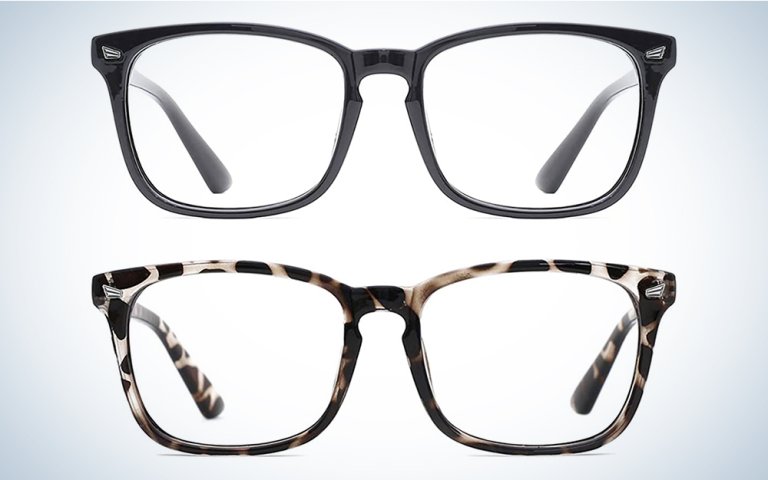
Best overall: TIJN Blue Light Blocking Glasses
Pros
- Lots of options available
- Lightweight
- Stylish
Cons
- One size
Specs
- One size?: Yes
- Color options: 32
- Polarized?: No
- Dimensions: Lens width: 53mm; Bridge width: 18mm; Arm length: 140mm
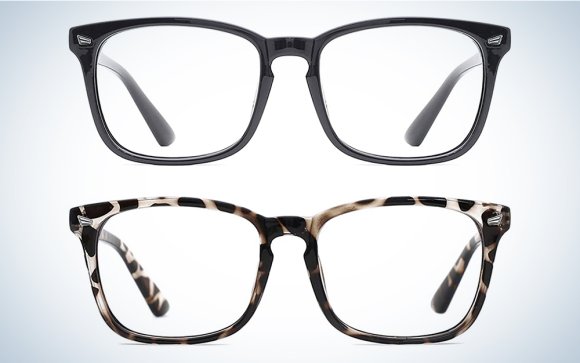
If you’re looking for blue light glasses that are lightweight, stylish, and work, consider these from TIJN. There are 32 style options available, including pairs that come in packs of two and gaming glasses that have a yellower lens for more intense protection. Although they only come in one size, spring hinges that bend more than 90 degrees compensate for wider faces, and a keyhole bridge makes for a more comfortable fit than nose pads. You can get away with wearing them out and about (our staff writer definitely has), and they block out blue light without the lenses being noticeably yellow. The lenses are also UV400 protected to block out almost 100% of UV rays. At less than $20? Talk about an easy investment.
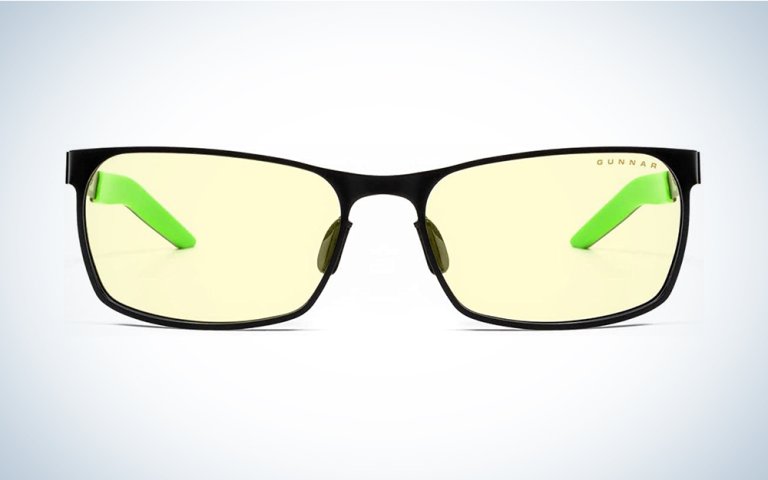
Best for gamers: GUNNAR Razer Edition Gaming Glasses
Smaller Frame
Pros
- Patented blue light blocking tech
- Built for gamers
- Lightweight
Cons
- Expensive
- One size
Specs
- One size?: Yes
- Color options: One
- Polarized?: No
- Dimensions: Lens width: 57mm; Lens height: 26mm; Bridge: 18mm; Arm: 138mm
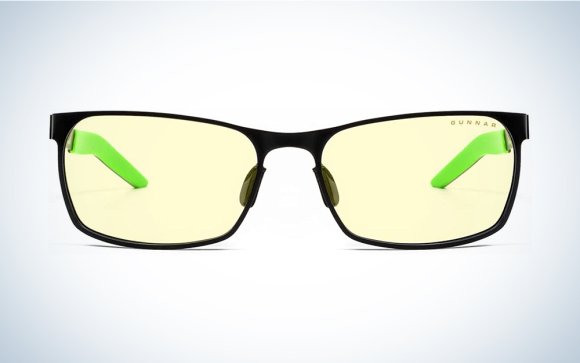
Gamers are among the most likely to suffer from digital eye strain; after all, they’re staring at screens very intently for hours on end. These yellow-tinted frames from GUNNAR aren’t fakeouts—they block 450nm (nanometers) of blue light and have patented lens tech to protect your eyes (look it up for yourself). They’re also designed for panoramic viewing if you game with a curved monitor. They also are compatible with gaming headsets so that you won’t get a glasses-arm-related headache and a screen headache. If you’re shopping for a young gamer, consider these HyperX Spectre Scout glasses. And if you’re looking for something more stylish, GUNNAR has computer glasses with a stylish round frame and 70s-inspired aviator glasses. If you can’t justify the price, fear not: any yellow-tinted lens will work, including these cheap wireframes our staff writer rocks on the daily.
Best stylish: Gaoye Glasses
Classic Design
See It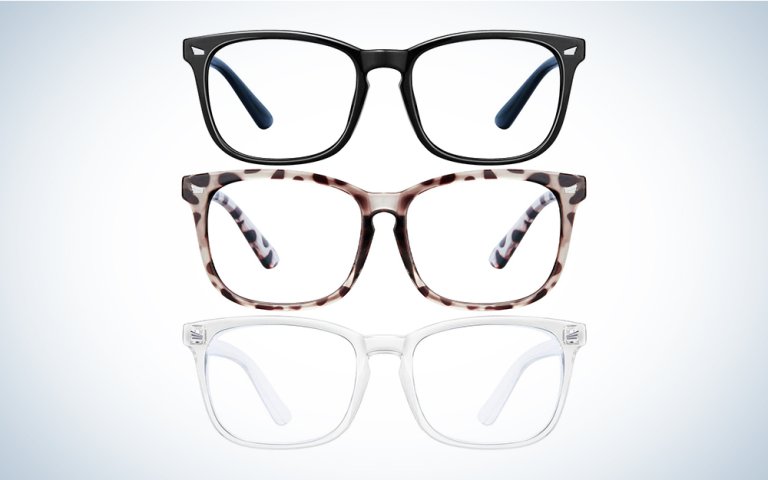
Pros
- Classic design
- UV400 protection
- Anti-reflective
Cons
- Only available in a multiples
Specs
- One size?: Yes
- Color options: 15
- Polarized?: No
- Dimensions: Lens width: 52mm; Lens height: 42mm; Temple length: 140mm; Nose bridge: 14mm; Frame width: 140mm
If you’re looking to block blue light but don’t want to look like an extra in The Matrix, this Gaoye three-pack might be right for you. Available in tons of different patterns and combinations, the square design is a classic for a reason. Plus, it’s hard to beat that price. UV400 protection gives you peace of mind out and about, and the lenses are treated with an anti-reflective coating. If you don’t believe these blue light glasses are the real deal, each pair comes with a test card: simply place the glasses in front of the card, shine the light, and see them block blue light in real-time.
Best for kids: SEEAFUN Kid’s Glasses
Fun for All
See It
Pros
- Comes with adjustable lens strap
- Cute carrying case
- Tough for kids
Cons
- One size
Specs
- One size?: Yes
- Color options: 8
- Polarized?: No
- Dimensions: Lens Width: 48mm; Lens height: 41mm; Nose bridge: 15mm; Frame width: 125mm; Temple length: 131mm
It’s not just us adults who are subjected to excessive screen time these days. Kids, whether they’re attending school remotely, working on homework, gaming, or chatting with friends, are staring at screens, too. This SEEAFUN set is perfect for kids, with cheerful colors and a fantastic car-shaped carrying case. It also comes with an adjustable lens strap if your child is prone to losing things (it’s way harder to lose something strapped tightly to your head), and the arms are flexible. They also block 400-450nm of blue light.
Best retro style: Livho Blue Light Glasses
Vintage Style
See It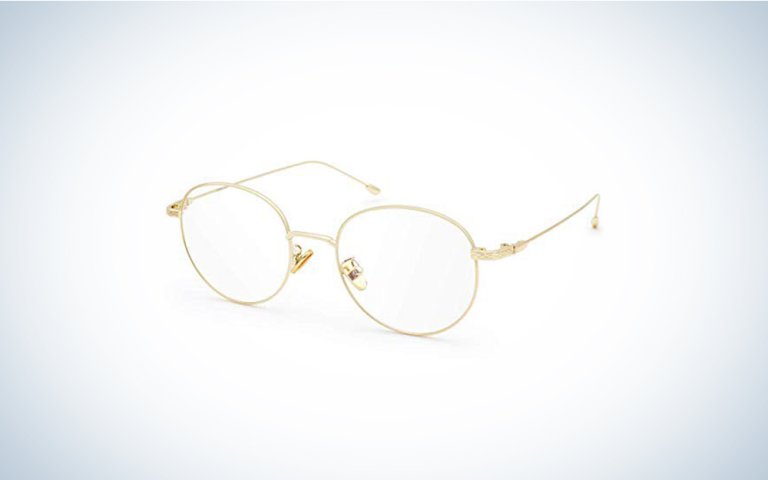
Pros
- Glare reduction
- Anti-scratch lenses
- UV400 protection
Cons
- Slightly flimsy, per reviews
Specs
- One size?: Yes
- Color options: 7
- Polarized?: No
- Dimensions: Lens width: 51mm; Lens height: 45mm; Frame width: 134mm; Temple length: 140mm; Nose bridge: 19mm
After years of chunky plastic frames, wireframes have come right back around to be trendy again. So you don’t have to sacrifice style just to protect your eyes. This Livho set is available in multiple colors, all with a classic round wireframe design. They include glare reduction, anti-scratch lenses, and UV400 protection. The company also offers a 1,000-day warranty (around three years) in case you’re not satisfied with your purchase.
Best budget: MAXJULI Blue Light Blocking Glasses
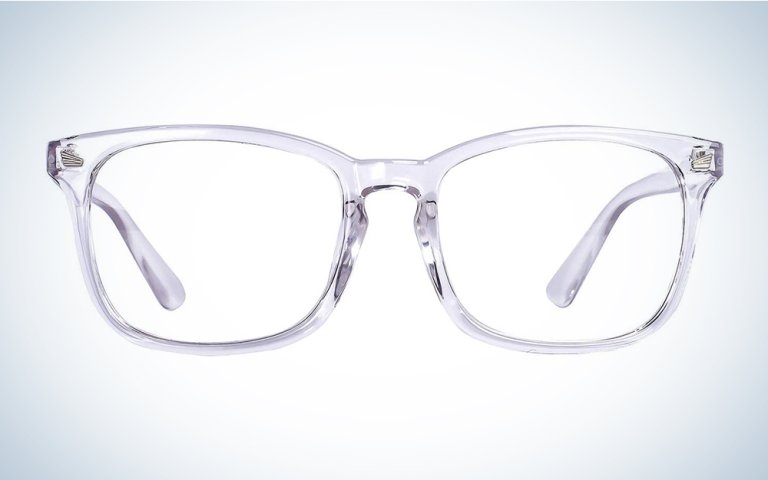
Pros
- Lightweight
- Cheap
- Come in many colors
Cons
- Reviews note they fit a little tight on the face and head
Specs
- One size?: Yes
- Color options: 22
- Polarized?: No
- Dimensions: Lens width: 52mm; Lens height: 47mm; Frame width: 141 mm; Temple length: 138mm; Nose bridge: 14mm
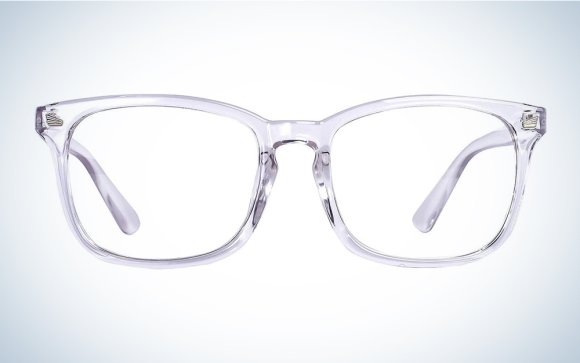
Many of the glasses on our list come in packs of two, three, or more. “I just need ONE pair of blue light blocking glasses,” you grumble to yourself, a pragmatic minimalist. Look no further than this single pair. Just one. And it will only cost you $7. Sure, it doesn’t make sense when you do the math (technically, the Gaoye glasses on the list are the best bang for your buck), but having exactly what you need without extras rotting in your office drawer makes up for technical cost-effectiveness. They work, there is one of them, and they only cost $7. That should put a smile on your face.
What to consider when buying the best blue light glasses
Thanks to both the COVID-19 pandemic and a general technological transition, more and more of us transitioned to remote/work-from-home setups, and more and more of our days are spent peering into screens. Now, with even meetings that used to be face-to-face happening as face-to-screen-to-face meetings, plus the predominance of smartphones, we’re all staring at blue light more than ever before. Here is what you should know before snagging a pair for yourself:
Why are blue light glasses so popular?
There’s a significant industry in making our computer time healthier; you may have spotted gadgets like under-desk bikes or standing desks or guides on proper keyboard posture and ergonomic offices. These can all help with the strain that a sedentary workspace forces on our bodies. But what about blue light glasses?
Blue light glasses are designed to reduce what’s known as digital eye strain, or DES. There are an array of symptoms associated with DES, including headaches, dry eyes, and blurred vision.
How effective are blue light glasses?
We’ll start with the bad news: there is no evidence that blue light glasses have any effect on eye strain from digital screens. One recent study used blue light blocking filters, which filter out 99% of blue light from screens. These screens are far more effective than blue light glasses, which block out, at most, around 65% of blue light and more often can only block under 40%. That study tested subjects for a half-hour and found no correlation between symptoms of DES and blue light. No other study has indicated anything different. In fact, one British optician was actually fined for insinuating that blue light glasses can protect against DES, given that there’s no scientific evidence of this.
What’s more likely is that DES is caused by the overuse, or misuse, of screens. After all, the sun is a substantially more powerful purveyor of blue light than our screens, and DES isn’t associated with the decidedly analog sun at all. The general consensus is that DES is caused by spending too long, staring too hard, and sitting too close to our screens. Health experts generally recommend taking breaks to combat DES, rather than relying on blue light glasses.
But there is one thing that blue light glasses might help with. Some studies have indicated that blue light can be bad for our circadian rhythms; a review of the available studies found that it seems likely that blue light inhibits the brain’s ability to produce melatonin. In other words, exposure to blue light could make it harder to fall asleep. There haven’t been enough studies to tell if blue light glasses, worn for a few hours before bed, could help you sleep better, but it’s not out of the question.
That said, there are anecdotal reports of people loving their blue light glasses. Even if it’s just the placebo effect, well, that can be incredibly powerful, and if it works for you, keep doing it.
FAQs
Depending on features, blue light blocking glasses cost between $7-$80. Those made for a specific purpose, like gaming, tend to be more expensive, but worth it if you do it frequently.
Yep! Just like sunglasses, be aware of when you wear them—you wouldn’t wear sunglasses in a tunnel. And if they’re hurting your head, take them off and potentially look for a size that’s better for your face.
Unless they break or the lenses get scratched, no. The lenses are infused with a pigment that mimics natural light, meaning it’s not a coating that can wear away over time.
Power glasses are prescription-based. Computer glasses can have a prescription in them, but all computer glasses at least have blue light filtering abilities. You can have prescription glasses with blue light filtering lenses, and your computer glasses can have a prescription in them, just like reading glasses.
Final thoughts on the best blue light blocking glasses
- Best overall: TIJN Blue Light Blocking Glasses
- Best for gamers: GUNNAR Razer Edition Gaming Glasses
- Best stylish: Gaoye Glasses
- Best for kids: SEEAFUN Kid’s Glasses
- Best retro-style: Livho Blue Light Glasses
- Best budget: MAXJULI Blue Light Blocking Glasses
The best blue light blocking glasses are equal parts stylish and helpful. Although the word is out on the science of blue light filtering, it can’t hurt to protect your eyes with a fun pair of glasses. Blue light glasses are just one of the many tools you can keep in your “stopping digital eyestrain” toolbox, along with resting your eyes for 20 seconds every 20 minutes. You’ll be sleeping soundly, better focused, and looking at things with infinitely less-dry eyes in no time.
