
| September 9 | Epsilon Perseids Predicted peak |
| September 22 | Autumnal Equinox |
| September 26 | Neptune in Full Opposition |
| September 26 | Full Harvest Moon |
The days are getting shorter, the nights are getting longer, the temperature is dropping. That’s right, folks, summer is officially over! Well, not quite yet, but the month of September ushers in the official beginning of fall, along with a rare chance to see the solar system’s most distant planet, the Epsilon Perseids meteor shower, and a full moon that lives up to its name. So brew a nice cup of tea, put on a Leonard Cohen record and immerse yourself in pleasant melancholy, then grab some binoculars and get stargazing.
September 9: Epsilon Perseids Predicted Peak
Compared to the exciting celestial pyrotechnics of August, September is a pretty quiet month for meteor showers, but there’s at least one shower you can catch. The Epsilon Perseids are predicted to peak on September 9. These are a different meteor shower than the more famous Perseids. They share the same name simply because they both appear to originate from radiant points in the constellation Perseus. The constellation will rise in the northeast and move to the east over the course of the night. Expect to see about five meteors an hour, and be patient. There are not quite as many meteors in this shower.
September 22: Autumnal Equinox
If you’re as tired as we are of the heat, humidity and mosquitoes that come with summer, then rejoice: September 22 is officially the first day of autumn.
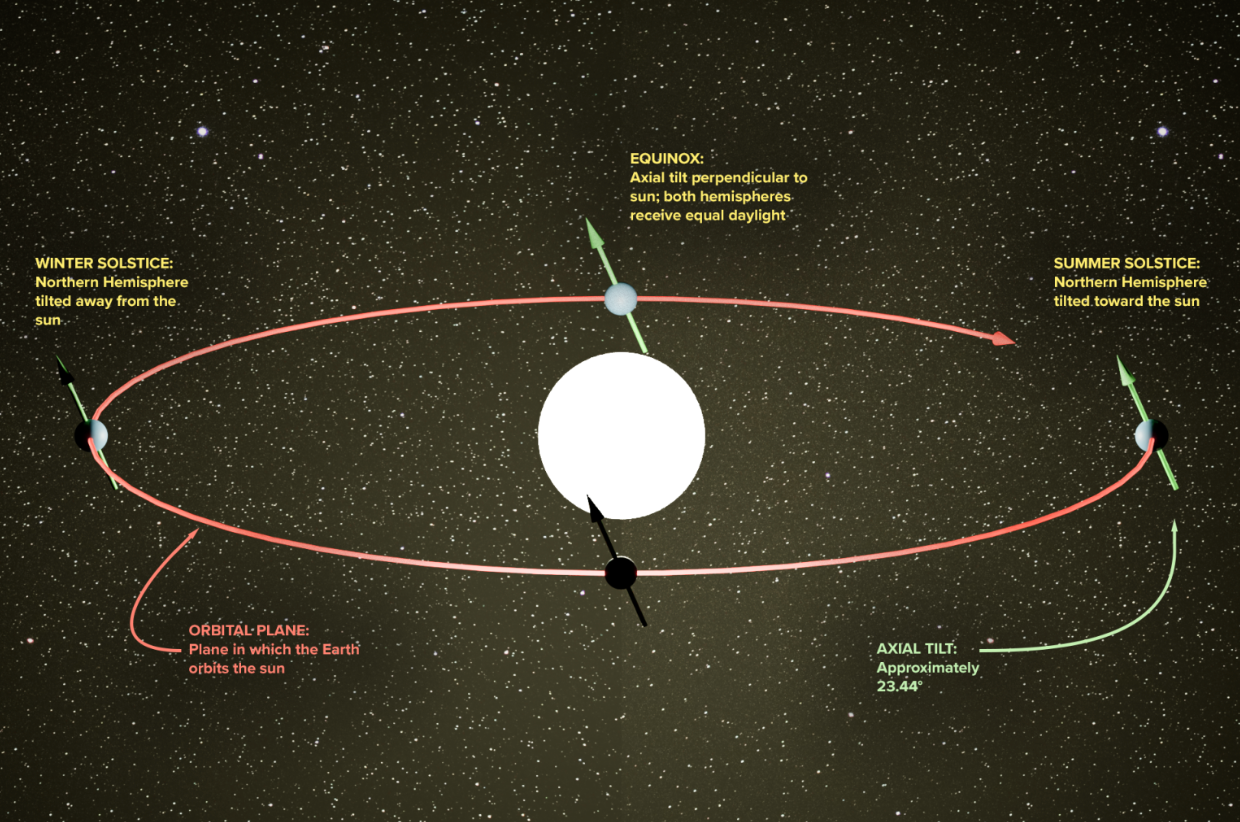
The two annual equinoxes mark the midpoint between the summer and winter solstices. On an equinox, the earth’s axial tilt is perpendicular to the sun, meaning that both the Northern and Southern Hemispheres receive equal daylight.
September 26: Neptune in Full Opposition
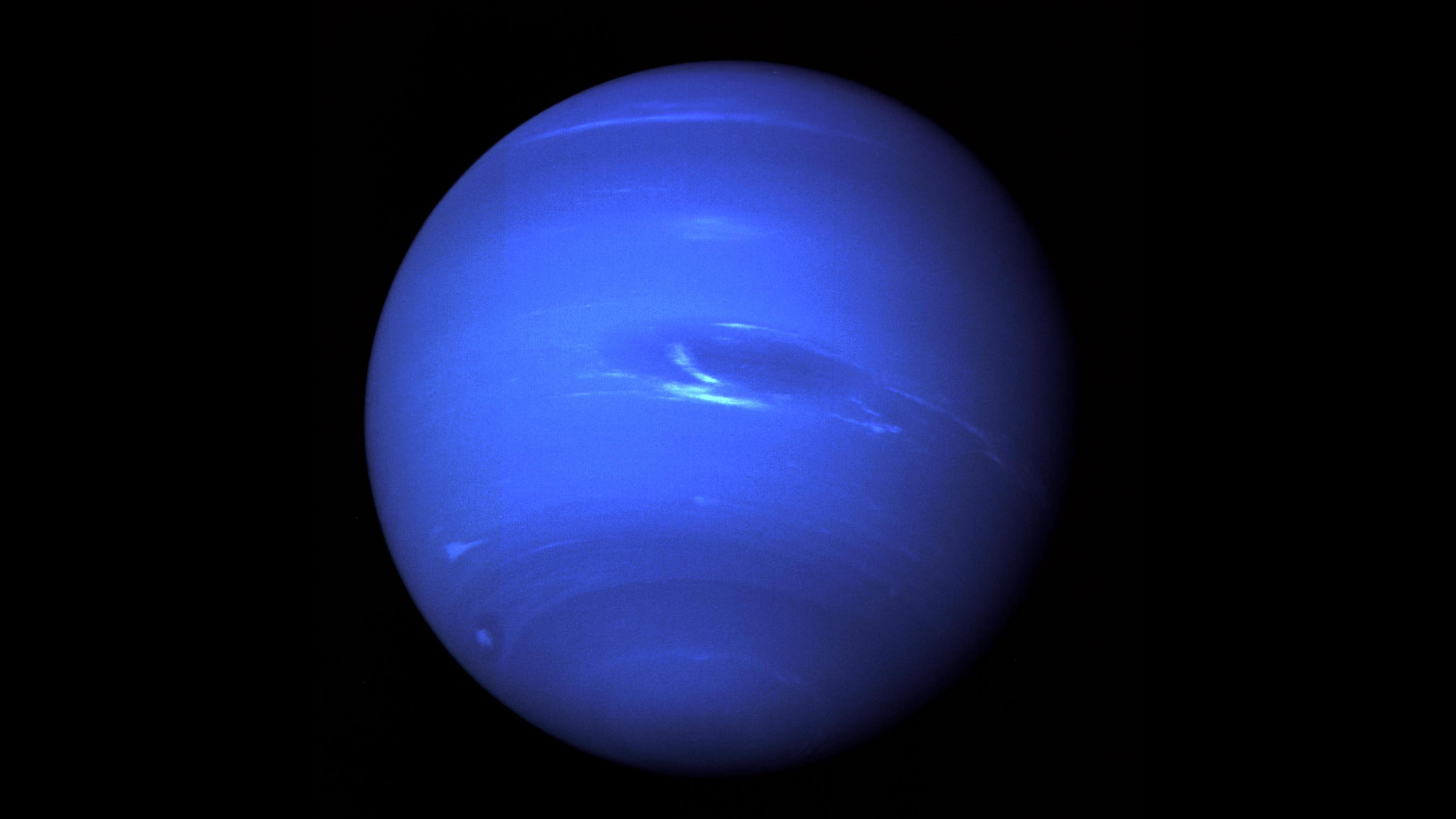
If there’s one planet that doesn’t get a ton of attention, it’s Neptune. There’s a pretty simple reason for this: the cranky king of the sea is really, really far away. On any given day, Neptune is about 2.8 billion miles from the sun and 2.79 billion miles from Earth. Both distances are so large that they’re honestly pretty much incomprehensible. But here’s one way to think about it: we all learn at school that light takes eight minutes to get from the sun to the Earth. To reach Neptune, sunlight needs four hours.
Neptune’s remote spot in our solar system means that spotting it is a challenge for amateur astronomers. However, if you want to give it a shot, the evening of September 25 brings an excellent opportunity. At about 10 p.m. EDT, Neptune will be in full opposition. This means that the Earth will be directly between the sun and Neptune, and that Neptune will be as close to us as it gets.
How close? Well, it’ll only be a mere 2.68 billion miles away! You’ll need good binoculars or a telescope to see it, and you’ll need to look east towards the constellation Pisces.The planet will rise in the east and will be visible all night. Happy hunting!
September 26: Full Harvest Moon
Most of the names given to the full moon are poetic, but not quite reflective of reality: the Pink Moon is not pink, the Sturgeon Moon is not fishy, and so on. The Harvest Moon, however, really does have some significance for the annual harvest. As the Farmer’s Almanac explains, September’s full moon is close to the autumn equinox, so the moon “rises about the same time for several nights, providing extended evening light… [for] farmers to complete their harvests before fall frosts.” This year’s Harvest Moon will reach peak illumination at 12:49 p.m. EDT.
Remember that you’ll get the best experience gazing up at the cosmos if you get away from any sources of light pollution. You should also give your eyeballs some time to adjust to the darkness, and review our stargazing tips before setting out into the night.
