
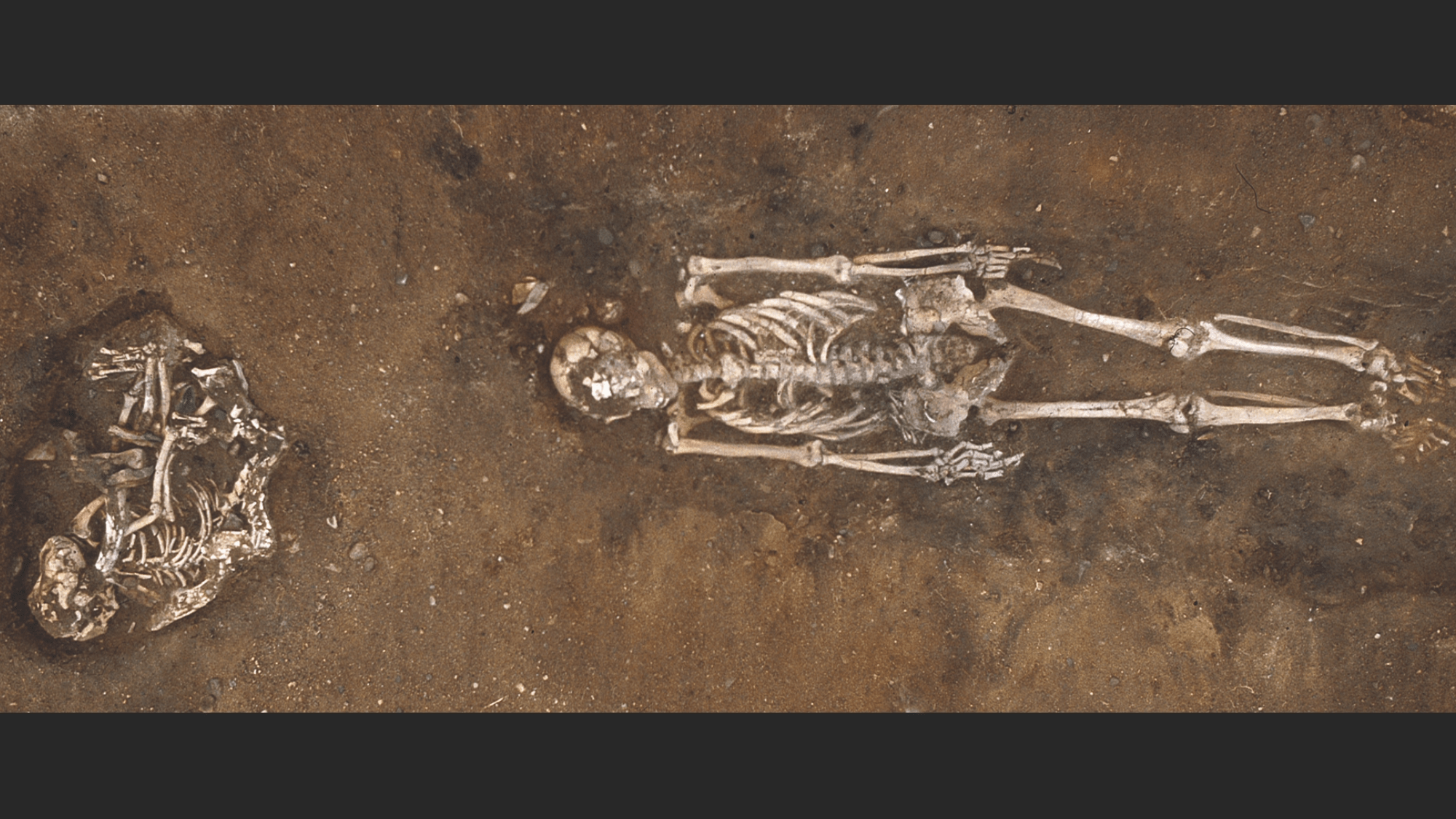
Geneticists are pushing back the timeline of when people first domesticated dogs in Europe. Using the DNA from over 200 ancient dogs, geneticists found that we domesticated our best friends over 14,000 years ago. The dogs living in pre-agricultural Europe also substantially contributed to the genetics of those that would live after agriculture’s rise and up to the present. The findings are detailed in a study published today in the journal Nature.
“Dogs were the only domesticated animal to predate farming, so their evolution can help us understand how a big shift in lifestyle shaped our own history,” Pontus Skoglund, a study co-author and geneticist at the Francis Crick Institute, said in a statement.

Old dogs, new tech
Dogs were domesticated from grey wolves between 32,000 and 11,000 years ago, towards the end of the most recent ice age. They were the first animals to form a domestic relationship with humans, long before farming began. However, scientists still don’t know where and how dogs were first domesticated. Previously, the earliest direct genetic evidence for dogs only dates back 10,900 years ago. It has also been difficult to analyze the DNA from the remains of older members of the dog family—called canids—and studying the appearance of bones does not always help explain how dogs and wolves separated.
In this new study, researchers analyzed the DNA from 216 canid skeletal remains. Of these, 181 samples predate the Neolithic period when farming began, or roughly before 10,000 years ago. The remains came from sites across Europe and western Asia, including Switzerland, Germany, France, Belgium, the Netherlands, Turkey, Sweden, Denmark, and Scotland. To boost the amount of DNA that they could use from the bones, the team used a technique called hybridization capture. The technique creates genetic probes that can sniff out the canid DNA from the microbial DNA that can contaminate very old remains.
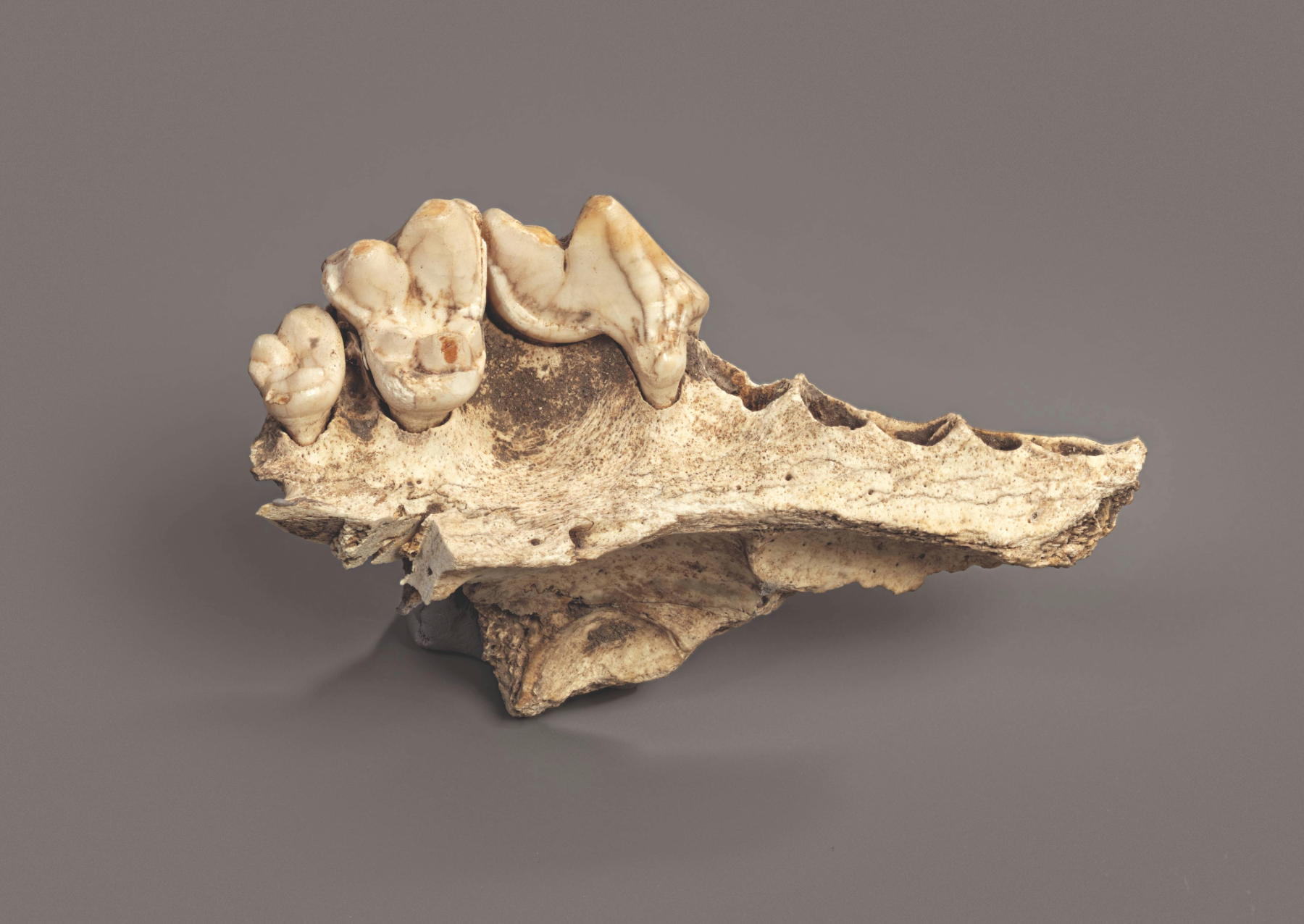
Using hybridization capture, they identified many early dogs. The oldest in the sample is 14,200 years old and was discovered at Kesslerloch cave in Switzerland in 1903. Nicknamed “Maxilla,” It is one of the oldest dogs ever confirmed by genetics, following a 15,800-year-old dog from Turkey.
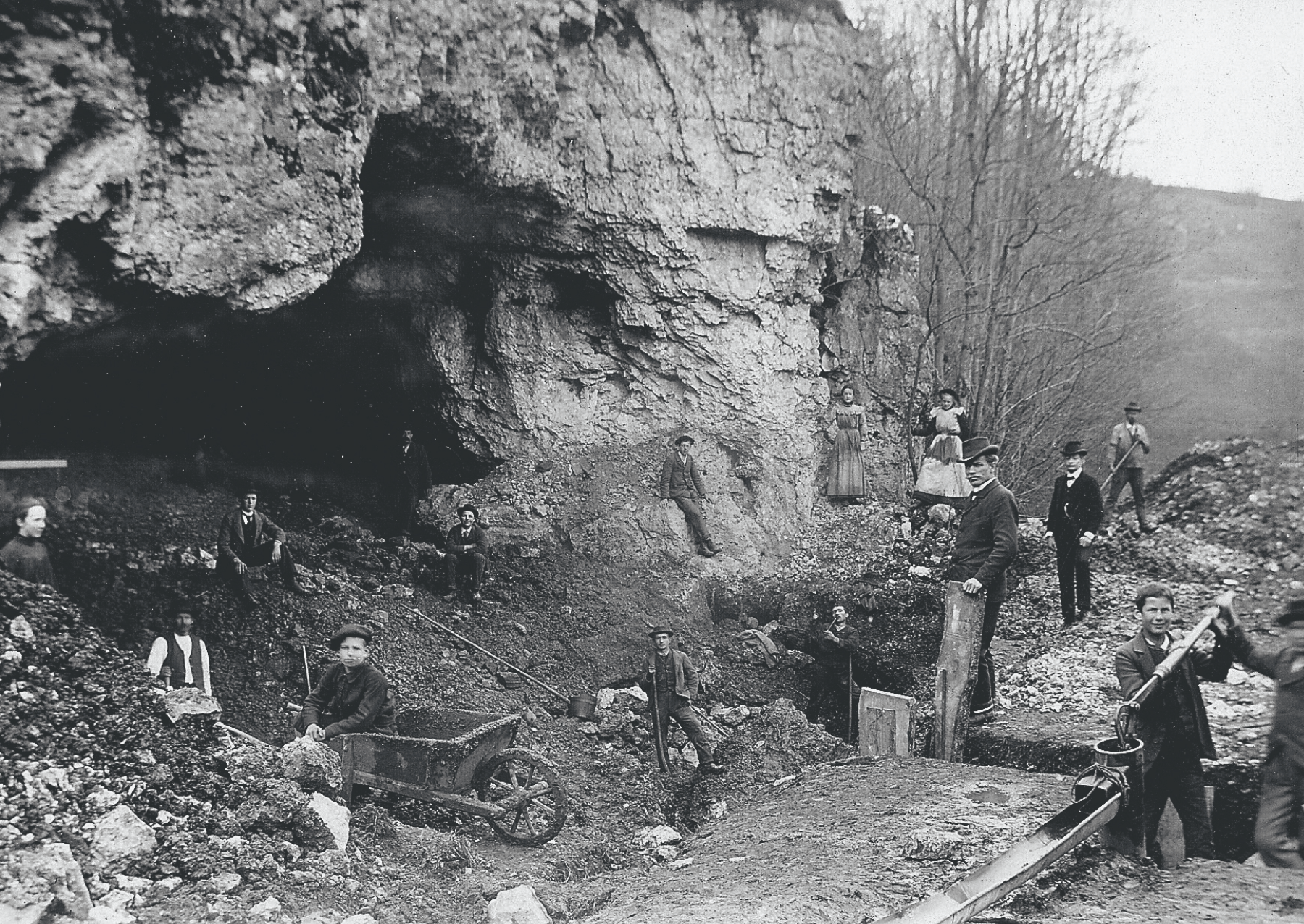
The 14,200-year-old Kesslerloch dog shared more genetics with European dogs than Asian dogs. This suggests that dogs were domesticated well before the birth of this particular dog, due to the time it would have taken for European and Asian dogs to become genetically different.
“Without using these advanced genetic tools, we wouldn’t be able to confidently distinguish dogs from wolves based on skeletal evidence alone,” added Anders Bergström, a study co-author and evolutionary geneticist University of East Anglia and former postdoctoral researcher at the Crick.
The first European farm dogs
The spread of farming in Europe was accompanied by a large migration of people from Southwest Asia. To understand the role dogs may have played during this transition, the team modeled the ancestry of European dogs as Neolithic farmers arrived on the continent. They saw that genetic changes in the dogs largely mirrored the changes occurring in humans, but to a smaller degree.
Based on their analysis, the team believes that dogs from local hunter-gatherer groups already living in Europe contributed to the genetics of dog populations that were already working alongside with farmers about 10,000 years ago.
“It’s fascinating that dogs living before the era of agriculture contributed substantially to the genetics of farming and present-day European dogs,” Skoglund added. “Dogs were clearly important to our ancestors, as the first farmers seem to have adopted previous hunter-gatherer dogs into their groups as they moved into Europe.”
Many dog domestication questions still remain and the team is still researching where and how canids spread across Europe. They believe that they were likely domesticated somewhere in Asia, and Bergström believes that, “every piece of evidence is a step forward in this journey.”
