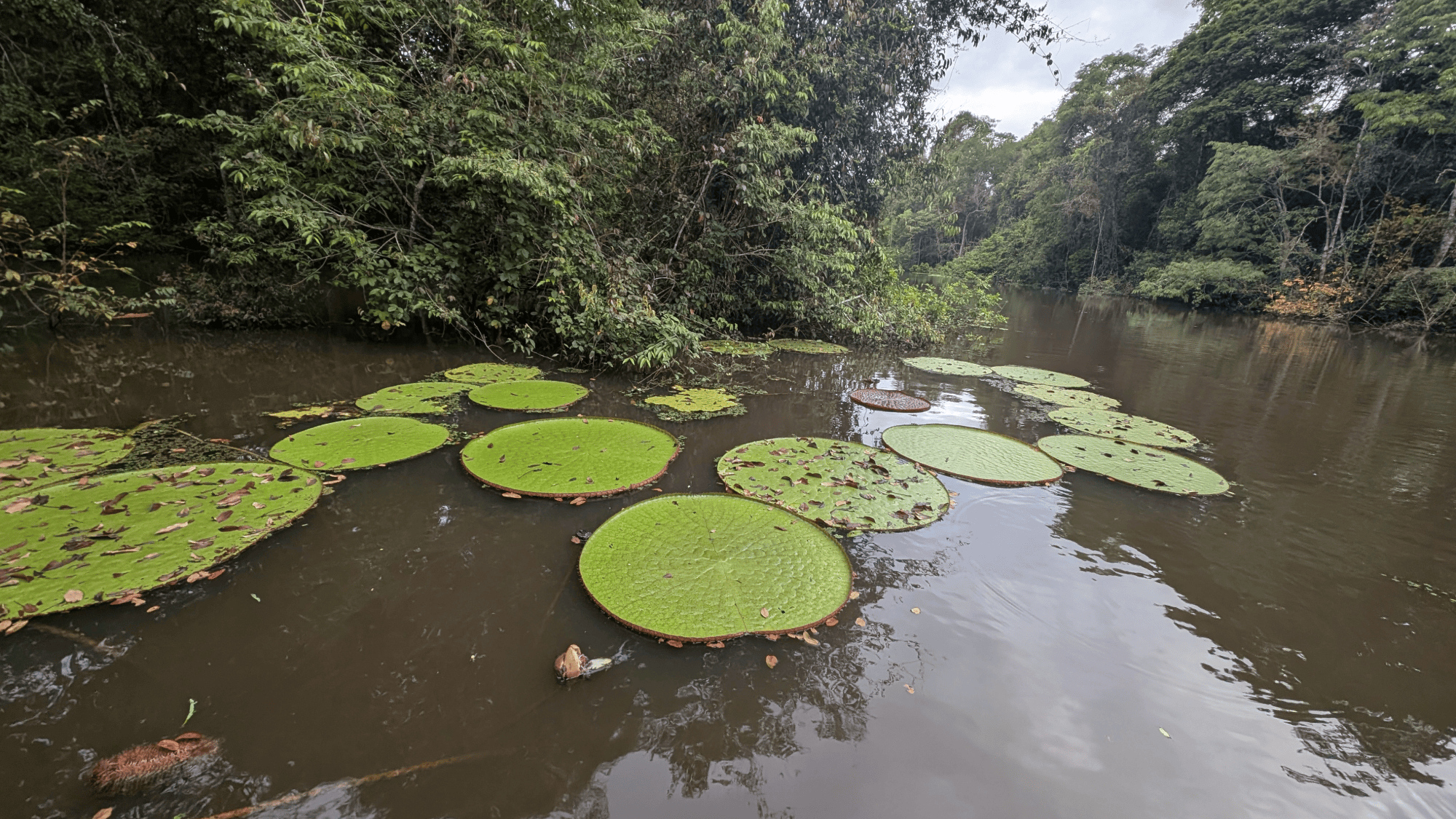
One cold December day in 2021, Colorado carnivorous plant grower Jeremiah Harris shared some pictures of wild Amazonian giant water lilies (Victoria amazonica) plants in the Inírida River in Guainía, Colombia to Instagram. There’s just one problem. No known Victoria water lily species grow there.
When water lily expert Carlos Magdalena saw the post on Instagram, he suspected a new plant species could be involved. To investigate the matter, he used satellite imagery to remotely search the Inírida River and its surrounding lakes and confirmed the presence of Victorias.
And yes, you can see these enormous plants from space. Victorias grow the world’s second largest single plant leaf.
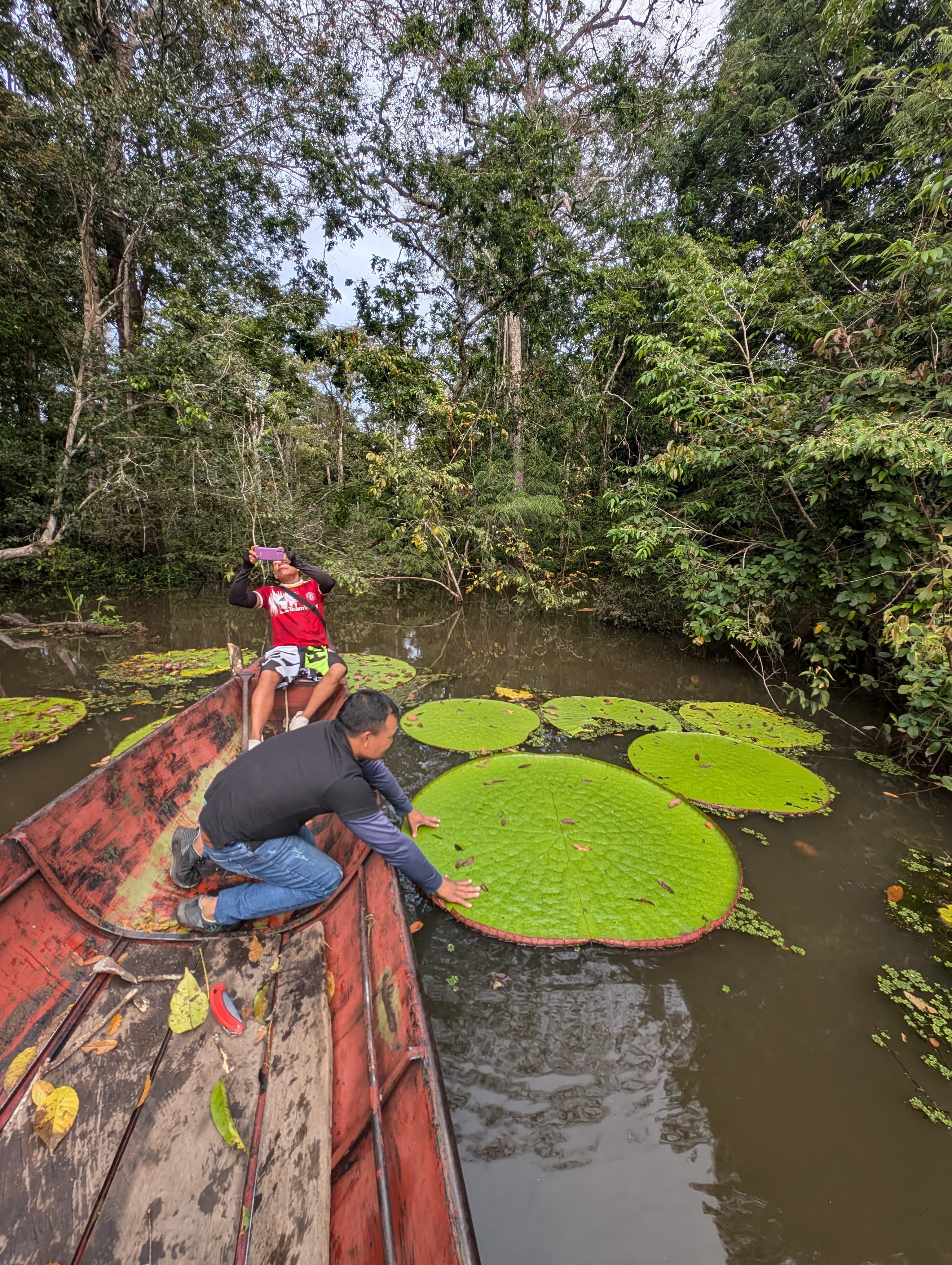
Magdalena is a botanical and scientific research horticulturist at the Royal Botanic Gardens, Kew in the U.K. Along with his colleagues, the team went on a five-day expedition to Inírida. The team included members of the Indigenous reserves del río Atabapo, one of whom had seen the lilies during his childhood.
However, the trip didn’t exactly go according to plan. By their last night, they had found only two water lily plants, neither of which had flowers. This was a problem, because botanists need a flower to differentiate species. As if that wasn’t bad enough, the water lilies they found seemed to be struggling with a late rainy season.
But when Magdalena described their situation to the expedition’s boat captain, Gustavo Melo, he said he knew where they could find more of this water lily. They didn’t have much time to do so, with the team’s flight back to Bogotá was at 9:00 a.m. the next morning. Thus at 1:00 a.m., Melo, a member of the Indigenous Tucano community, led them to a small lake. There, they found five more Victorias, one of which was blooming.
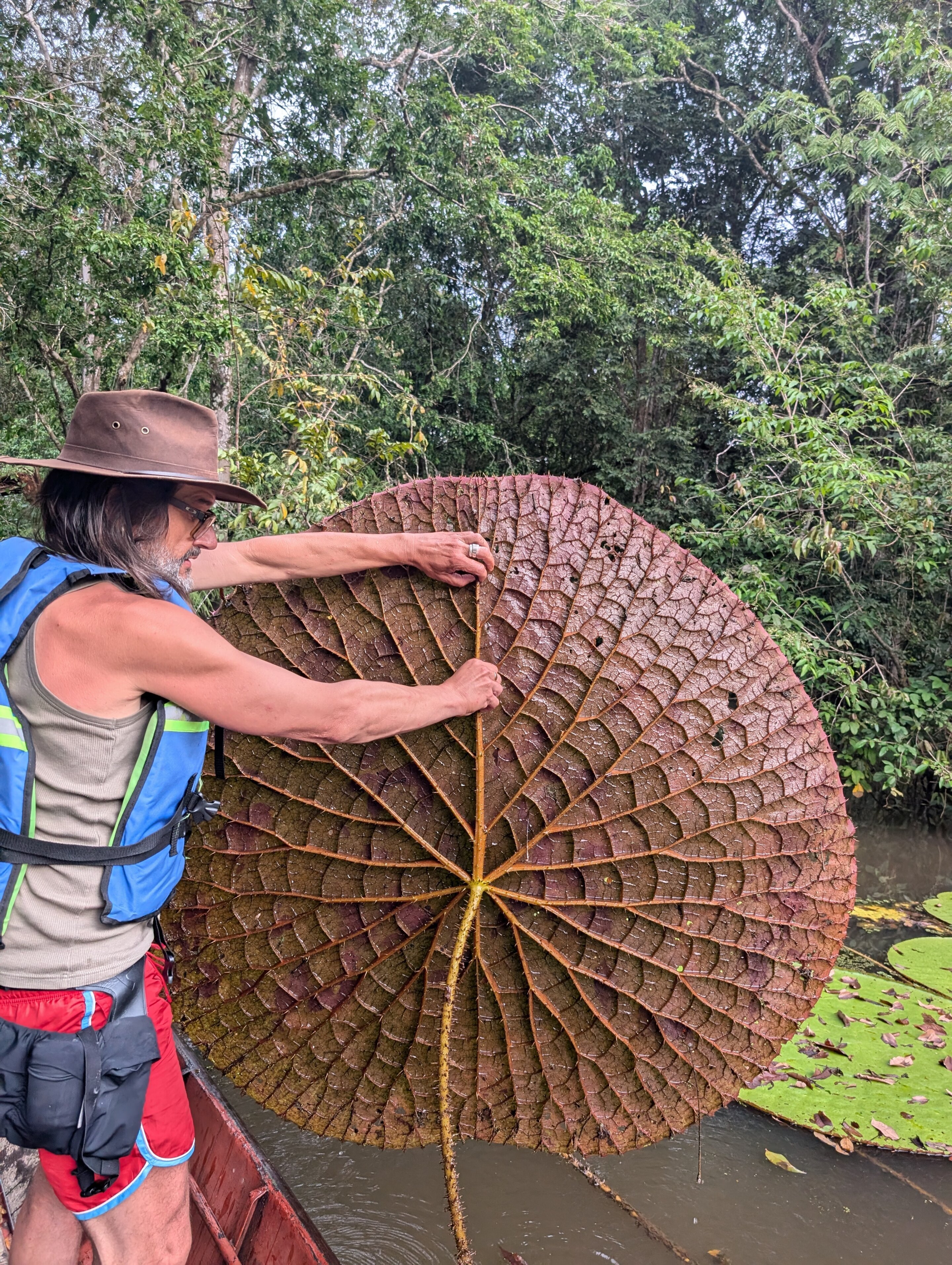
“This is one of those extraordinary stories where indigenous and horticultural knowledge with the help of social media and technology came together to uncover a truly extraordinary botanical achievement,” Magdalena said in a statement.
The researchers were able to collect what they needed to start the official scientific description of the new species: Victoria colombiana. They even managed to make that early flight. In their recent study published in the journal Phytotaxa, he and his colleagues also announced the discovery of another new Victoria species, Victoria mattogrossensis.
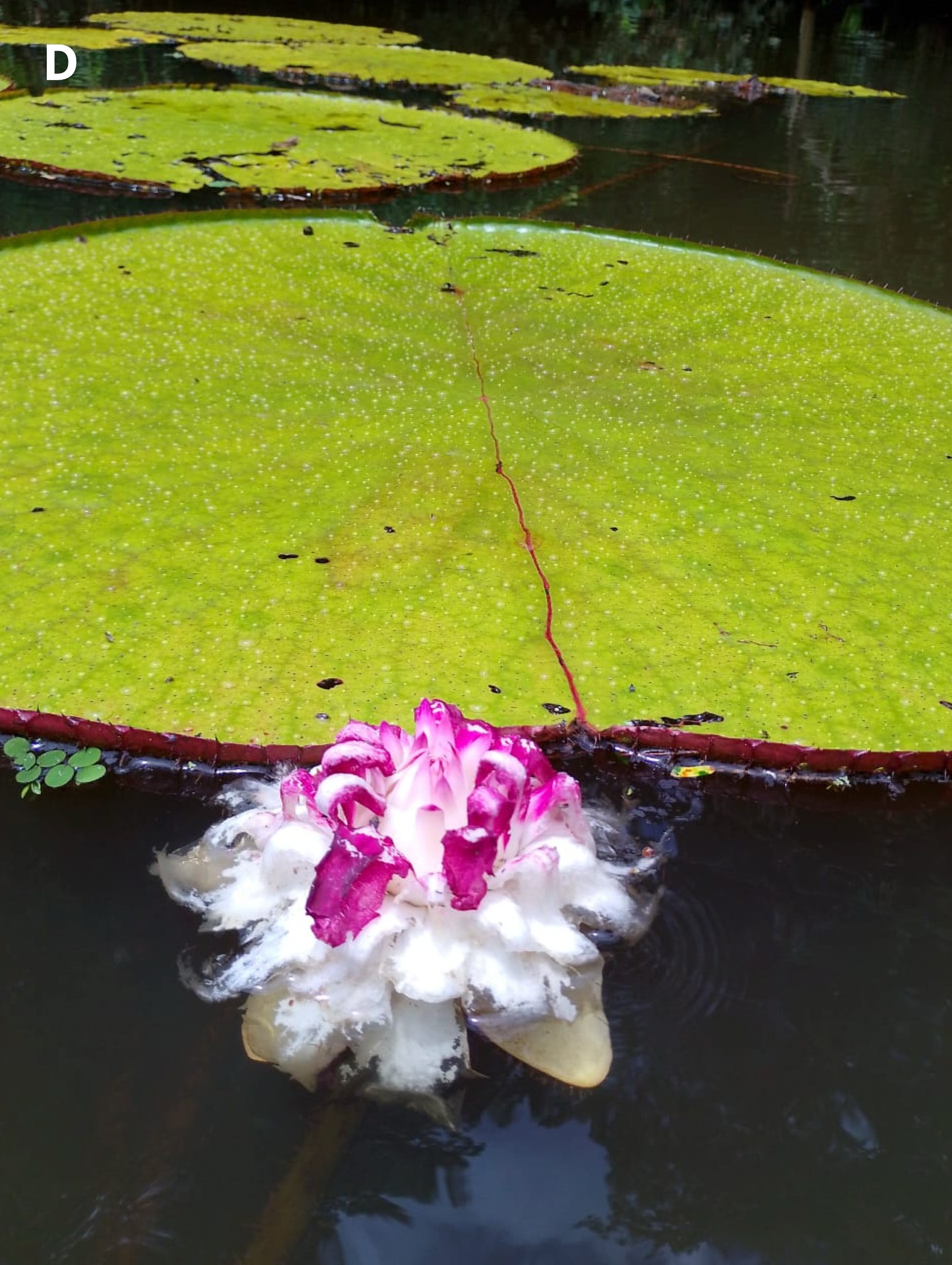
The team estimates that there are only between 30 and 50 wild V. colombiana plants, and is extremely vulnerable to extinction. They are currently working to get the plant officially categorized as Critically Endangered by the IUCN Red List.
“Now that we know this water lily exists, our responsibility is to understand it better and protect it. With so many plants in the wild threatened with extinction, we simply cannot wait any longer to take action,” Magdalena added. Experts are considering starting a naturalized population in a more accessible lake in Indigenous territory and researchers also are hoping to cultivate the species in Bogotà.