
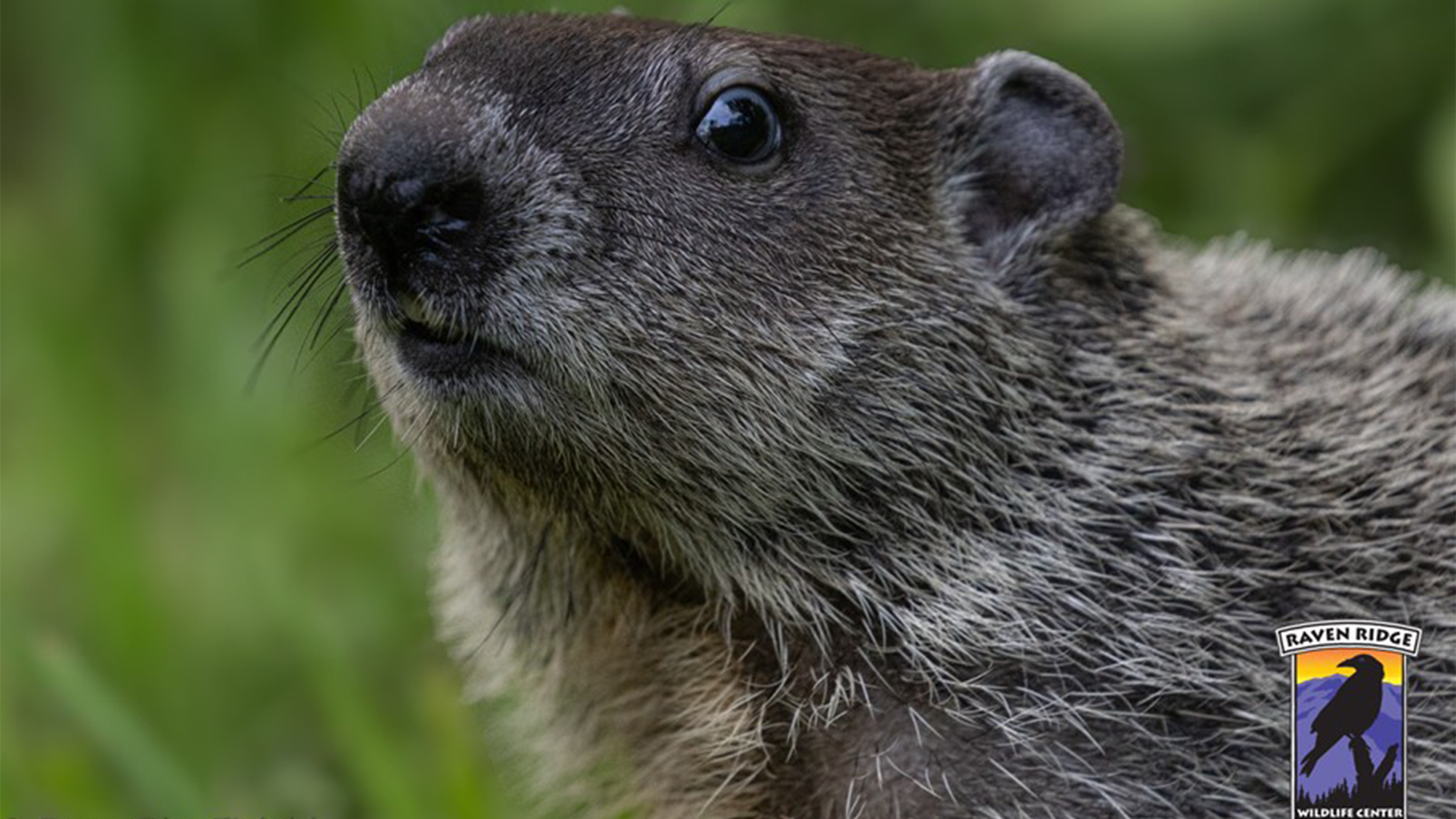
Three rescued groundhog (Marmota monax) siblings were joyfully released back into the wild. In April, the Raven Ridge Wildlife Center in Lancaster County, Pennsylvania, admitted the three kits (aka babies) after a vehicle collision killed their mother and they were found on the side of the road. According to a Facebook post by the wildlife center, the rodents were so small that the staff needed to feed them formula several times per day.
After four months of care, the baby groundhogs were healthy, grown, and ready for release. The wildlife center’s images show the siblings emerging from a maroon cage onto a stretch of grass, looking around with interest as they investigate their surroundings.
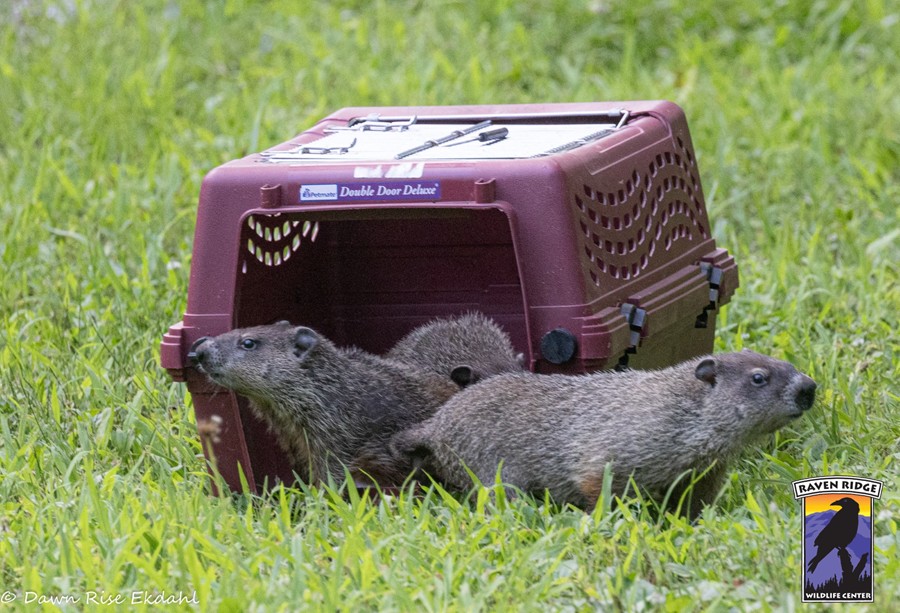
“It’s amazing to watch them as they explore their new environment, taking in all the sights, sounds, and smells,” reads the social media post. According to the wildlife center, people know groundhogs by a number of different names, such as “whistle pig,” “ground squirrel,” and “woodchuck,” which the English took from the Algonquin wucack meaning “digger.” The Algonquin are indigenous North American Algonquian-speaking people.
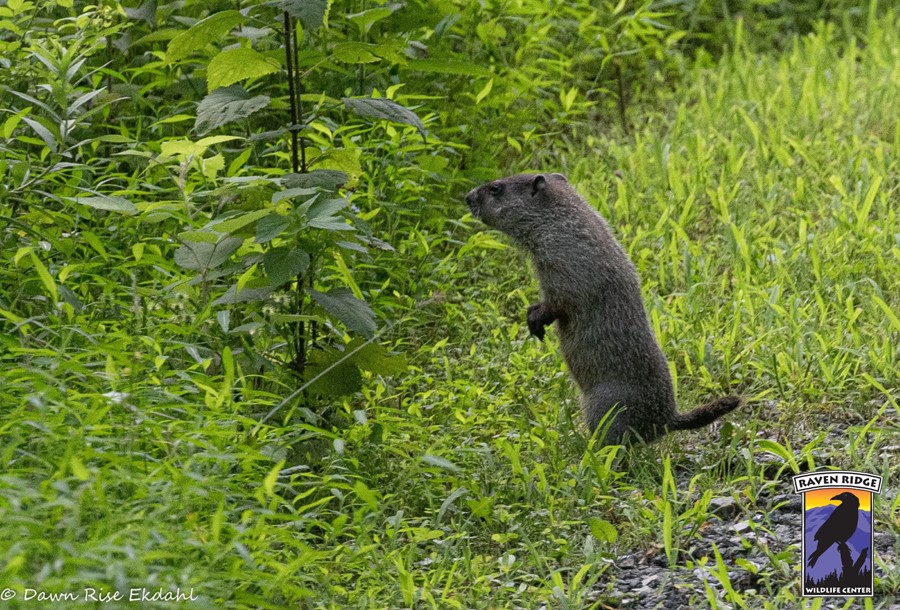
The word “digger” is faithful to the animal’s nature. These little diggers can build wide and deep, complicated burrows with several entrances, tunnels, and even distinct “bathroom” chambers, the wildlife center reported. That doesn’t mean they’re doomed to live their entire existence underground—they can also climb trees and swim, according to the post.
In the United States, groundhogs are most famous for their role on Groundhog Day, when the groundhog emerges from its burrow and predicts the weather for the following six weeks. If it sees its shadow, there will be six more weeks of winter weather. If it doesn’t, then spring is on its way. This folklorish event was first officially celebrated in Punxsutawney, Pennsylvania in 1887. Legend goes that the same groundhog, the now-famous Punxsutawney Phil, has been living and making predictions since then thanks to a magical potion.
“Although they are not the best predictors of weather, male groundhogs do emerge from their dens in early February,” reads the wildlife center’s social media post. “During this time, they wander around their 2- to 3-acre territories in search of female burrows. Research suggests that no mating occurs at this time; instead, these visits likely serve to help the animals become acquainted so that they can quickly begin breeding when they emerge for good in March.”
