
In 2025, Popular Science continued our mission to demystify our weird world for millions of readers. We debunked myths about baby birds and garbage patches. We answered your wildest questions—from how airplane toilets work to why you don’t remember all your dreams. And hopefully, we delivered stories that informed and entertained. Using a secret formula of traffic data, social activity, and curatorial instinct, we selected 26 stories that delighted you, dear reader, this year.
The radioactive ‘miracle water’ that killed its believers
In the 1920s, Radithor promised to cure everything from wrinkles to leukemia, but its unintended results were deadly.
Runes found in Canadian wilderness baffle archaeologists
Archaeologists remain baffled by a surprising, seemingly ahistorical find located deep in the Canadian wilderness. But after years of research, analysis, and historical corroboration, an interdisciplinary team has finally made their findings available to the public. Tucked away in a forest approximately 465 miles northwest of Ottawa, a massive slab of bedrock features a hand-etched rendition of the full Lord’s Prayer. But the religious text isn’t inscribed in French or English—it’s composed of over 250 symbols from the oldest known runic alphabet.
Prepping isn’t just for preppers anymore—it’s time to get a go-bag
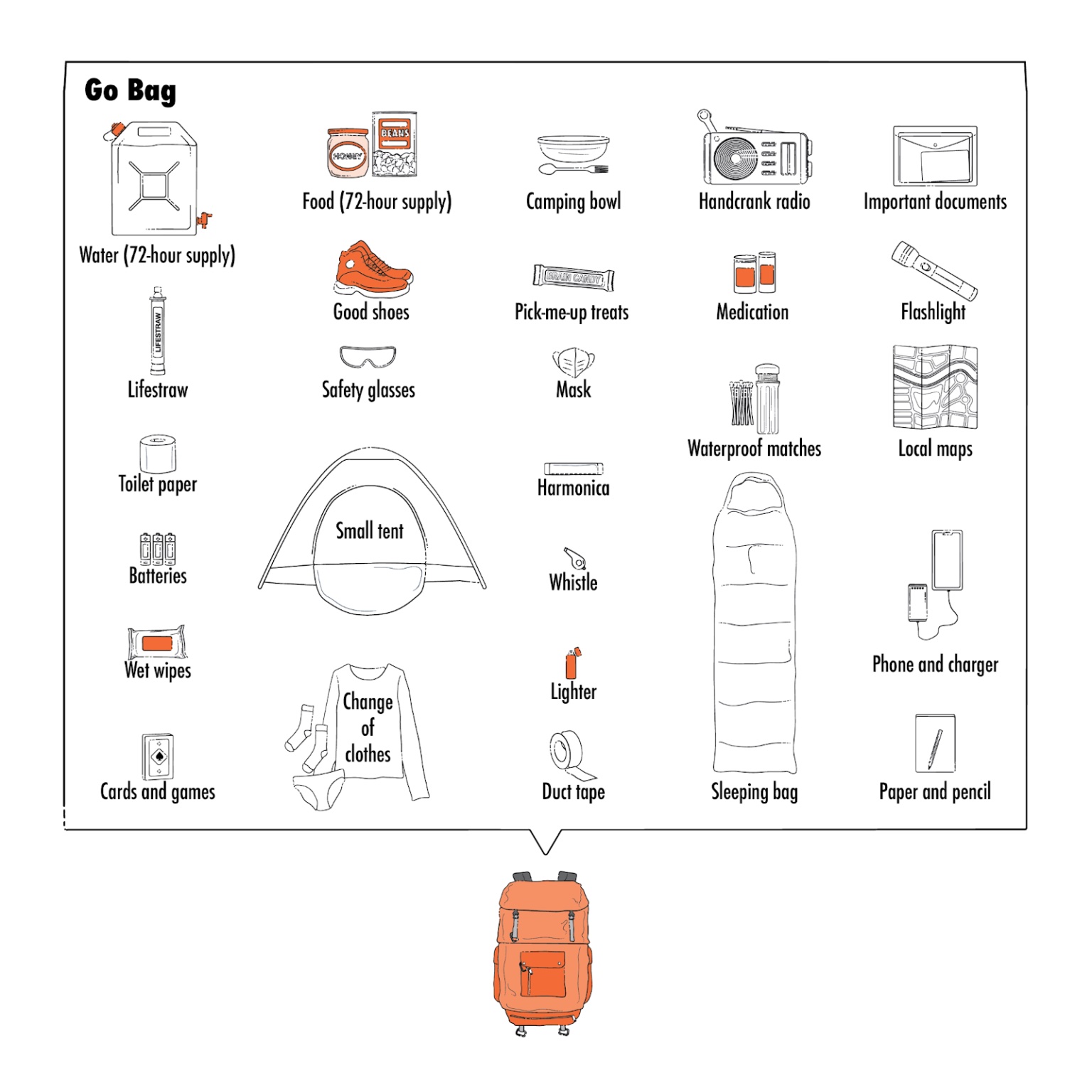
For most folks, the word “prepper” evokes an image of someone who’s got way too much time on their hands at best, and who spends way too much time following conspiracies on the Internet at worst. But while you might not want to fill a backyard bunker with canned food (or, frankly, need to), the truth is that you’re almost certainly overdue for a little prepping.
Man from uncontacted tribe emerges from rainforest, signals to villagers
Brazil’s Fundação Nacional dos Povos Indígenas (National Foundation of Indigenous Peoples, or Funai) estimates around 100 uncontacted Indigenous groups still live deep in the Amazon rainforest. But on February 12, a man from one of those communities decided to meet his neighbors.
14 outstanding images from the 2025 World Nature Photographer Awards
A playful polar bear. A helpless robber fly. And two hippos battling in golden light.
Robot bunnies deployed in Florida to fight invasive pythons

Researchers found a creative new solution to track down the snakes.
You’re actually not allowed to keep bird feathers you find on hikes—and it’s all thanks to two women who got really mad about hats
In 1886, ornithologist Frank Chapman went birdwatching in an uptown New York shopping district—but he wasn’t looking to spot living birds. He wanted to see how many different avians he could find on people’s hats.
He counted 542 hats adorned with parts from 174 different bird species. This wasn’t unusual: 19th-century women were obsessed with elaborate feathered hats featuring everything from woodpeckers and blue jays to egret plumes, vulture wings, and entire stuffed birds. Egret feathers were especially prized at $32 per ounce (twice the price of gold) because they only grow during nesting season. Hunters would massacre entire colonies during this vulnerable period, wiping out two generations at once.
Enter Harriet Hemenway and her cousin Minna Hall, two Boston socialites who read about the egret slaughter and decided enough was enough.
The Great Pacific Garbage Patch isn’t just a floating trash pile
Azure waves lapping against huge piles of built-up junk. Garbage mountains rising above the sea. A thick crust of filth coating the ocean’s surface. It’s easy to find striking images of the Great Pacific Garbage Patch (GPGP). The problem is that these pictures of the GPGP are misleading and obscure the truth about the content of the GPGP, its origins, and the threat it poses to our ocean life.
The U.S. tried permanent daylight saving time—and hated it
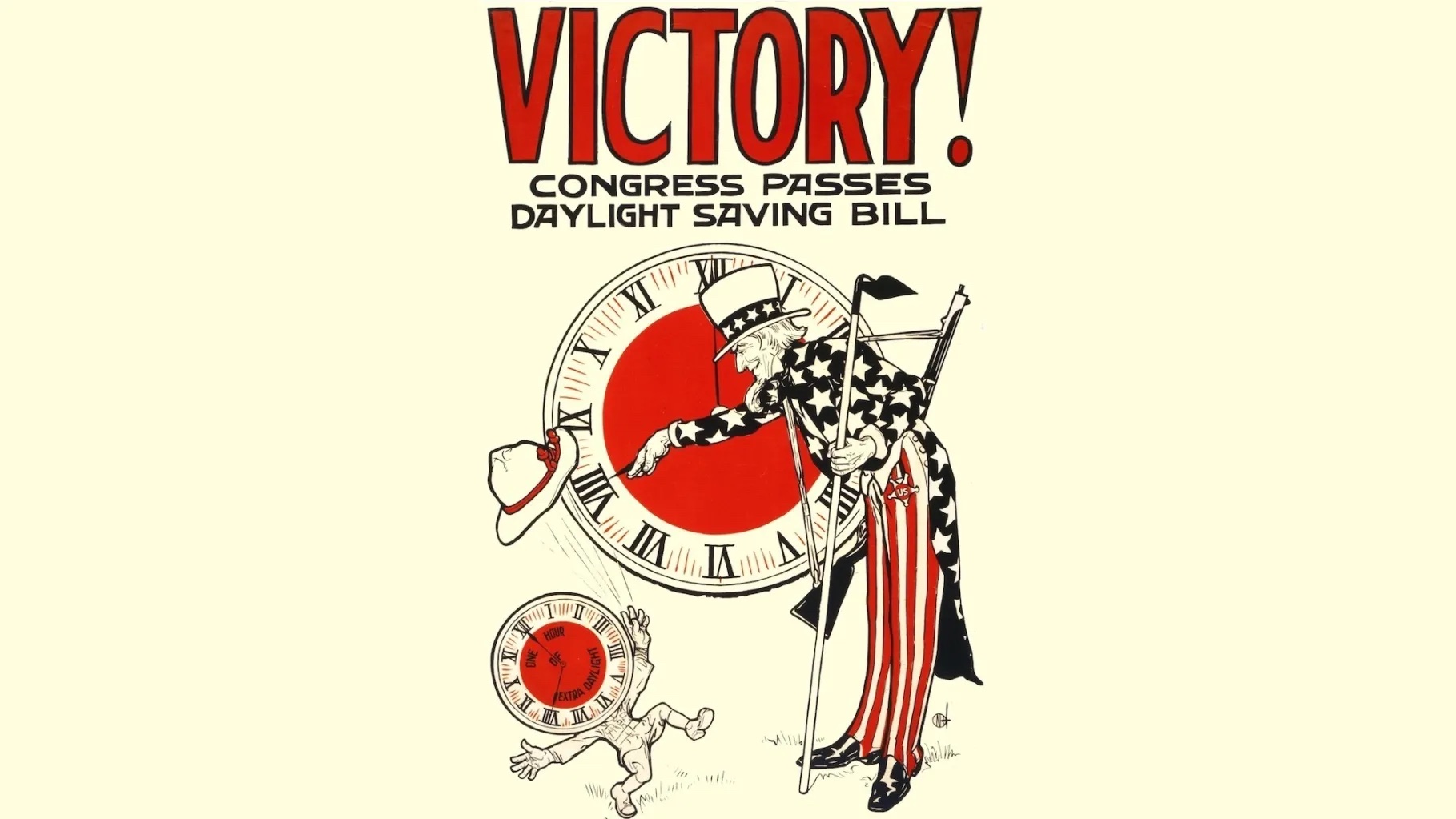
The consensus amongst sleep experts and researchers is that we’d be best served just dropping the whole idea of DST and returning to plain old standard time (“ST”) throughout the year. But there’s another possibility: What if it was daylight savings time all year round?
Well, that actually happened in the mid 1970s.
How do airplane toilets work?
The engineering is surprisingly simple and remarkably clever.
Know how to read cursive? The National Archives wants you.
The National Archives needs help from people with a special set of skills–reading cursive. The archival bureau is seeking volunteer citizen archivists to help them classify and/or transcribe more than 200 years worth of hand-written historical documents. Most of these are from the Revolutionary War-era, known for looped and flowing penmanship.
Fungus-infected zombie spiders discovered in Northern Ireland

While filming a documentary in Northern Ireland, a team of scientists discovered a new fungus that appears to manipulate spiders’ behavior–and turn them into “zombies.”
17 delightful Comedy Wildlife Photography Awards outtakes
Nature is cruel, majestic, and fascinating. Sometimes, it’s also a bit silly.
The Nikon Comedy Wildlife Photography Awards has released 17 previously unseen submissions to its 2024 competition that celebrate the lighter side of the animal kingdom. From an orangutan mother unfazed by her child’s antics to a brown bear cub face palming, these photos will make you say “relatable.”
130-year-old butter bacteria discovered in Danish basement
For over a century, simple lactic acid bacteria has been one of the most reliable additives to keep food and drinks safe. It goes in butter, cheese, and other dairy products to help extend their shelf life. Now, a team in Denmark has uncovered some of the preservation aid’s earliest examples. Their findings only come after a chance discovery hidden away in the bowels of a university basement.
Yellowstone employees recover over 300 hats from hydrothermal areas
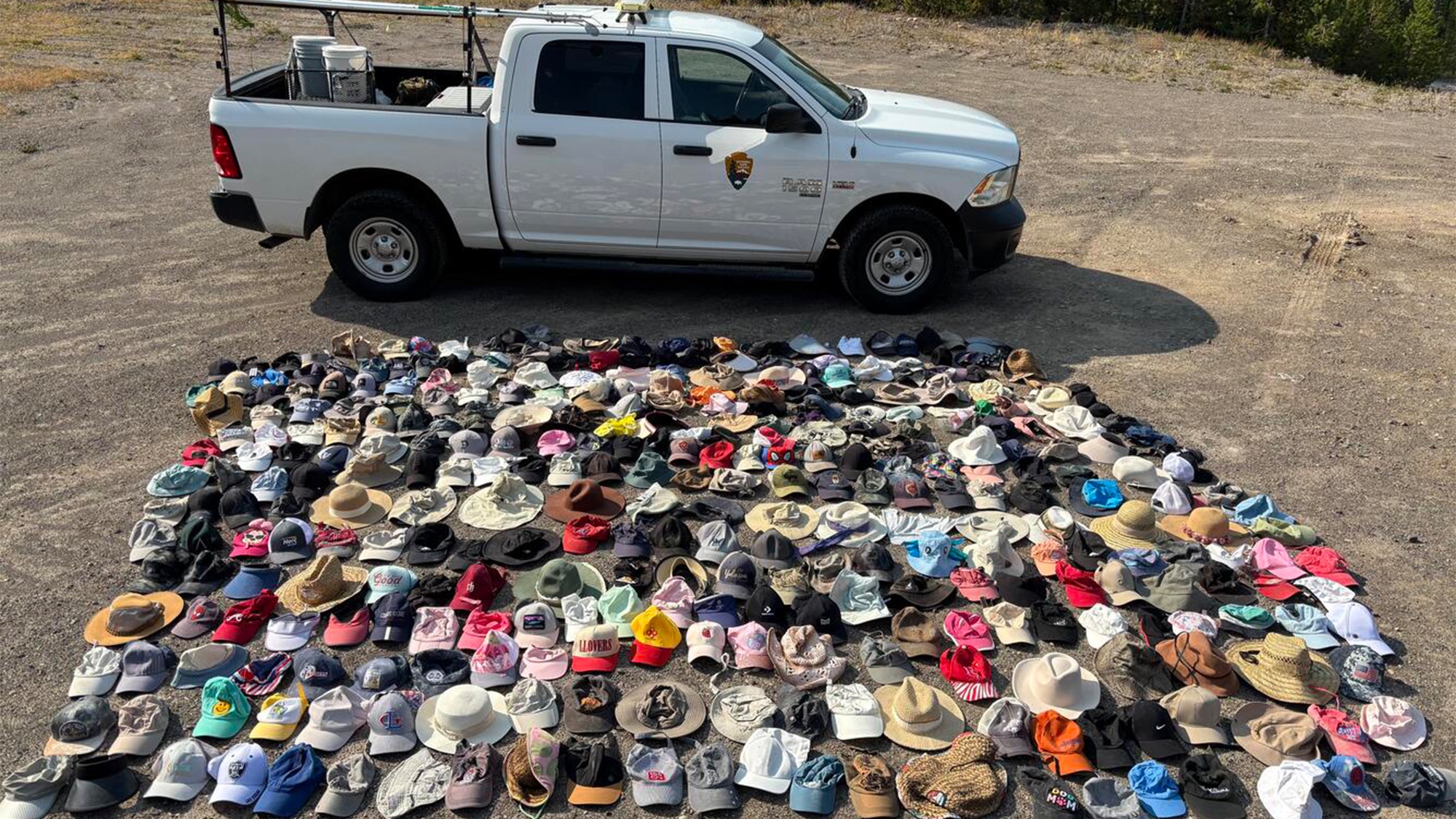
It’s a bird! No, it’s a plane! No, it’s your hat, ripped off your head by a gust of wind, spiraling off into the unknown. It’s happened to the best of us. The only thing left to do is purchase another one before your face gets sunburnt. Soon, the destiny of your former hat, along with everyone else’s, is far from mind—except for one special team at Yellowstone National Park.
So far this year, the National Park Service geologists at Yellowstone have recovered over 300 lost hats from hydrothermal areas.
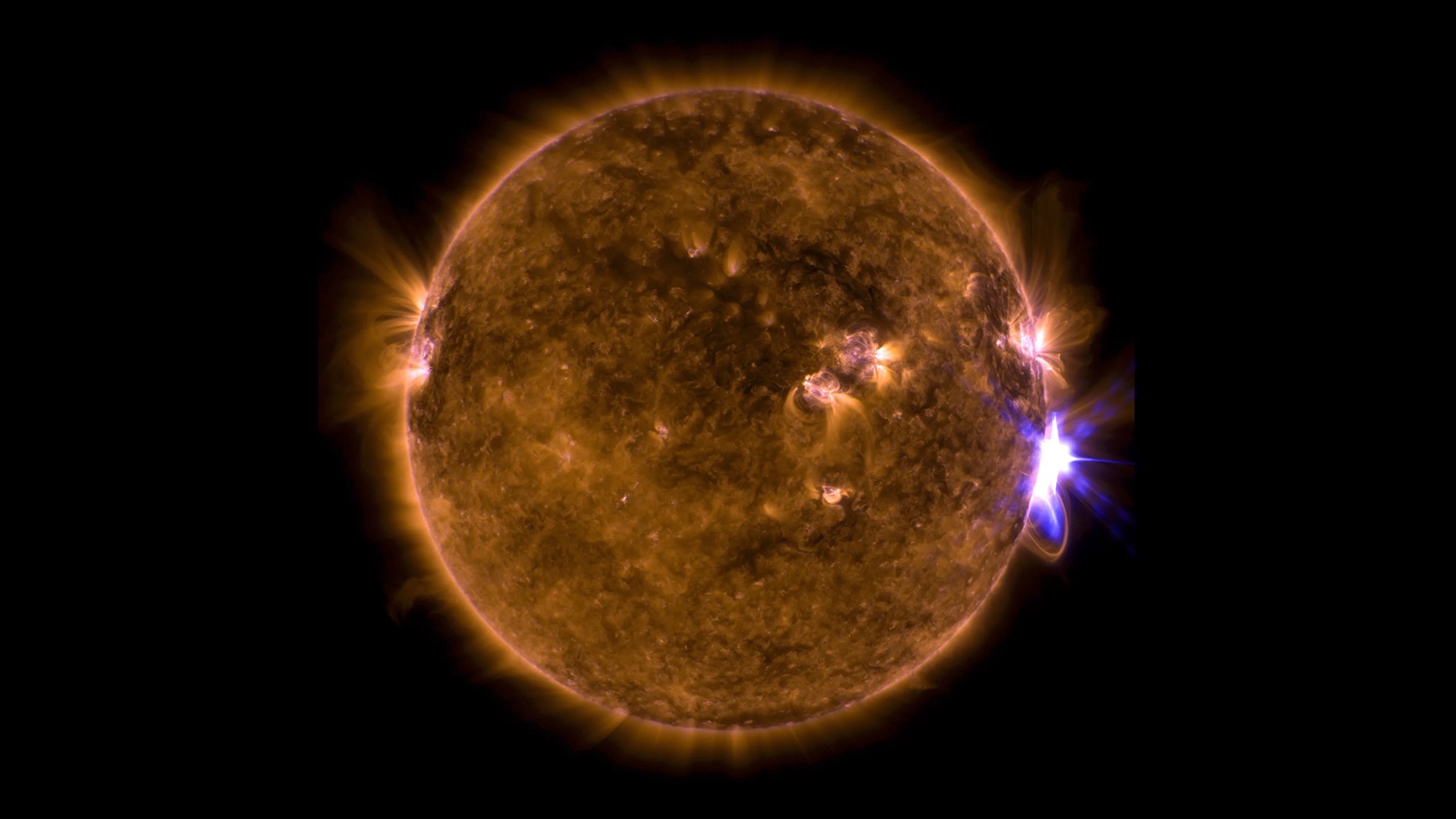
Could the Carrington Event happen again?
It happened in 1859. Today, it would be catastrophic.
Why 60 degrees in fall feels different than in the spring
Picking out what to wear during the fall or spring can be tough. It might be sweater weather in the morning, only to feel more like summer heat by lunchtime. Or temperatures may start out in winter’s biting chill and suddenly warm up. It can be difficult to see 60 or 65 degrees Fahrenheit during a morning forecast and accurately anticipate what that will even feel like. There is actually a meteorological and a biological reason why the same temperature can feel different depending on the season.
The 50 greatest innovations of 2025
At Popular Science, we’ve published our prestigious Best of What’s New list since 1988. Our enthusiasm for ground-breaking innovations dates back even further than that—all the way to May 1872. For 153 years, we’ve celebrated the science and technology that shapes our everyday lives and launches humanity forward.
NOAA needs help identifying car found in WWII shipwreck
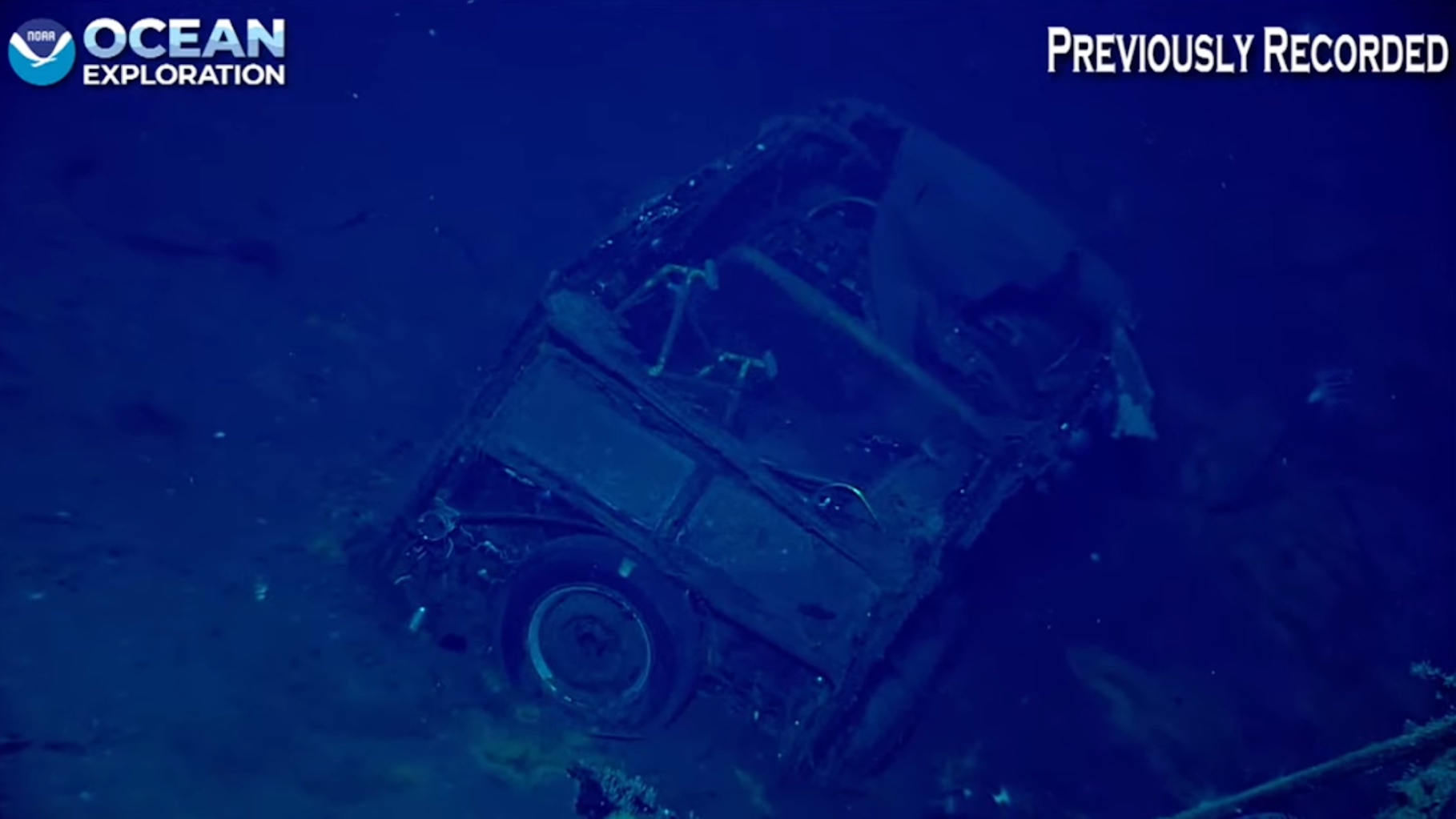
A World War II aircraft carrier sunk by Japanese forces contains an unexpected piece of cargo at the bottom of the Pacific Ocean: a mystery car. Now, NOAA researchers want the public’s help to identify the vehicle inside the remains of the USS Yorktown. The discovery was made on April 19 during a remotely operated deep water survey at the Papahānaumokuākea Marine National Monument.
Do infrared saunas work? What the science says.
If you wake up hungry and achy every morning, one man might have all the answers you need: Dr. John Harvey Kellogg. At the 1893 World’s Fair in Chicago, Kellogg, who is famous for creating Kellogg’s Corn Flakes, introduced the so-called Incandescent Electric-Light Bath. That innovation, which used electric bulbs as light therapy to apply heat to the body, laid the groundwork for the modern infrared sauna. The purported benefits of an infrared sauna offer plenty of promise—from limbering up our limbs to detoxifying our bodies—and the market is surging these days with expanding options inside wellness clinics and for the home. But can infrared saunas relax muscles, reduce stress, and detoxify?
Why does Air Force One take so long to replace? It’s not just bureaucracy.

From the outside, the president’s plane doesn’t look all that different from a commercial 747 jet, save the large “United States of America” text stretching along its side. The real differences are under the hood.
What to do if you find a baby bird out of its nest
It’s a myth that parents will reject a lost chick because of a human scent.
Why are airline seats so small? It all started in 1978.
Earlier this year, while boarding a flight out of Houston, Texas, I noticed my slightly overfilled, bulging backpack wouldn’t quite fit in the space between my feet. I bent down, trying to smoosh it into place—only to realize I couldn’t actually reach the cabin floor without my face slamming into the seat in front of me. For a brief, heart-racing moment, I was stuck, looking like a MythBusters crash dummy bracing for impact. Were airline seats always this cramped? Or had I just gotten that much bigger?
It turns out, I wasn’t alone. Nearly everyone I’ve spoken to since has had a similar thought. Plane seats, they argue, have definitely gotten smaller. Experts interviewed by Popular Science confirm that hunch: some seats are indeed shrinking, even as passengers are, on average, getting larger. Meanwhile, airlines are capitalizing on minimal seat-size regulations to pack more people into each flight. The result? Higher revenues for top carriers and supposedly cheaper tickets.
Is microwave cooking nuking all the nutrients?
Originally used for radar and other technologies, the power of microwaves was first harnessed specifically for heating food in 1947. By the late 1960s, commercial microwave ovens were small and inexpensive enough to become fixtures of the modern kitchen. And by the 1970s, scientists were starting to wonder just how this form of electromagnetic radiation might be affecting the food that it heated. Microwaving food produces different textures and flavors than other cooking methods. So what, if anything, happens to the nutrition in food when it gets nuked in your microwave oven?
Why don’t you remember all your dreams?
Whether you recall them or not, you likely dream nightly.
Buy a vintage military airplane for $25
Over a dozen vintage planes are currently scattered across an aircraft boneyard in northern Wyoming. If you can travel about 85 miles east of Yellowstone National Park to Big Horn County, relics such as a Lockheed P-2 Neptune could be yours for as low as $25—just don’t expect to fly away in any of your new purchases.
