
Love a perfectly boiled egg but full of simmering rage thinking about the cost of a fresh dozen? The solution might be to share your property with some treasured, feathered friends, but there’s a lot to consider before you set up your own egg production line. If you have the space and the inclination to raise your own chickens, that’s a good start … but only a start. It is possible, however, and not as daunting as you might think.
“Chickens are surprisingly low maintenance … until they’re not,” writes Anne Hinman of the Chicken Coop Company on their official blog. “While they don’t need constant attention, they do need a few daily and weekly chores to keep them happy, healthy, and laying. And the truth is, the best way to figure out what you’re willing to do — and how to make it easier — is by doing it.”
And to get started, first make sure it’s all legal. Check your local town ordinances to see if there are any restrictions in your neighborhood on raising chickens and, if so, if there are any regulations as to how many you are allowed to keep.
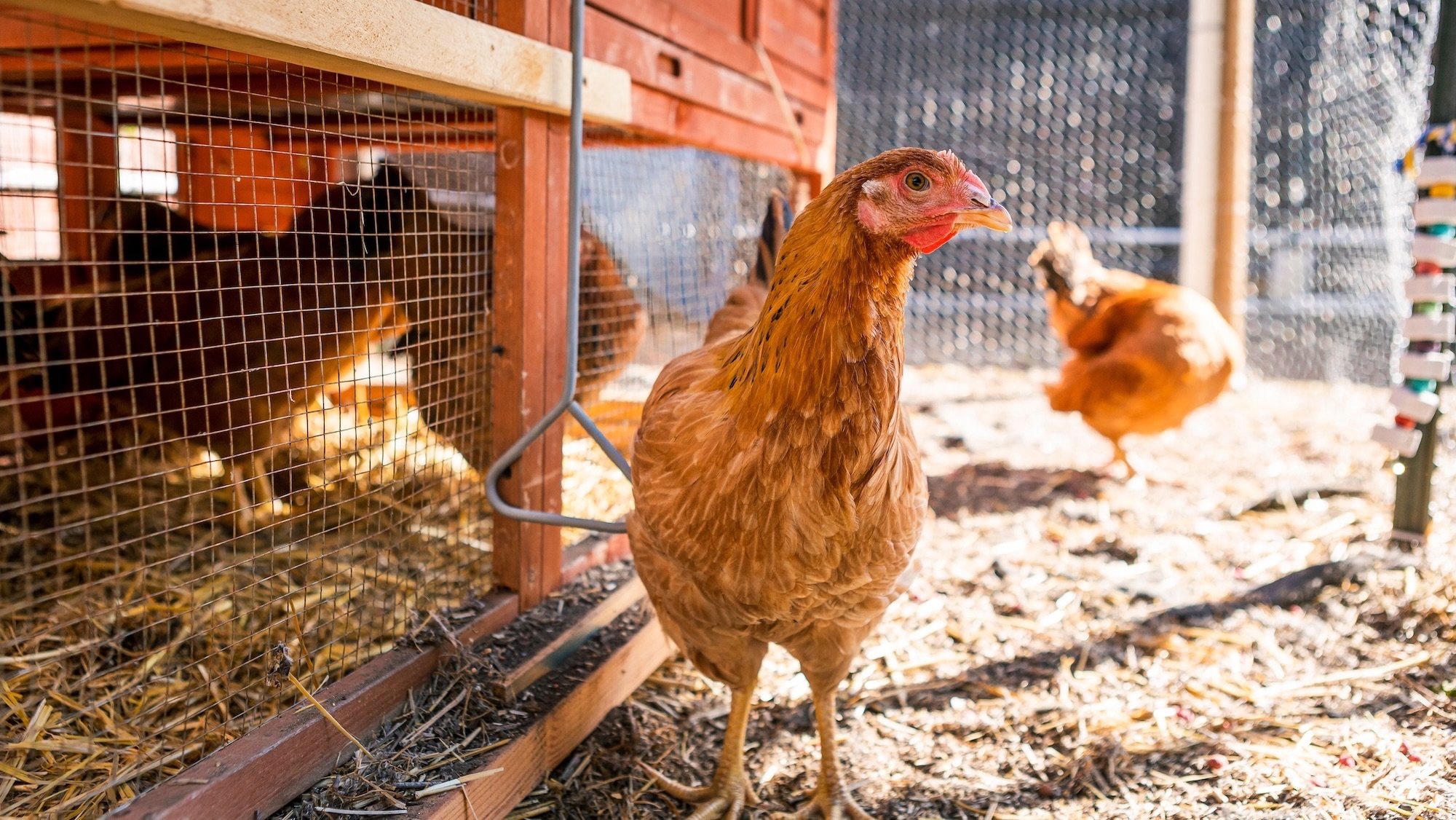
After that, you’ll want to assess your property to judge what size coop or containment area you’ll be able to safely and comfortably set up. A good rule of thumb is that the area must have space for a full-sized coop (big enough for you to stand in to retrieve eggs and shovel manure) or a henhouse (which can be smaller). The area has to hold a feeder and water containers, a roosting area, and a nest box for every three hens. And the structure has to be sturdy and protected enough to ward off predators.
According to the University of Missouri Extension, one medium-sized chicken needs at least 3 square feet of floor space inside the coop and 8-10 square feet outdoors. Since overcrowding can lead to disease, the more space you can give your chickens, the healthier they will be.
You also have to factor in cost. Of course, it all depends on whether or not you plan to build the structures yourself or hire labor, but considering materials, time, and all of that, you can expect to spend anywhere from $700 to $1,000 for a proper setup (or upwards of $2,000-$3,000 for automated, AI-enabled smart options). Not to mention you’ll be paying about $20 for a 50-pound bag of feed, which has a variable shelf life depending on how many chickens you have.

Other important things to keep in mind
- Chickens need food and water daily.
- Hens will lay eggs through spring and summer and into the fall, as long as they have 12 to 14 hours of daylight. You’ll probably be collecting eggs daily, or perhaps even twice a day.
- Manure shoveling is an all-year-round chore that must be done to ensure the safety and health of your chickens.
- And just like pets, if you go away on vacation, you’ll need to arrange for a sitter. Be warned that getting someone to tend to your flock may not be as easy as finding someone to walk your dog. It’s a lot more involved.
- Your coop or henhouse must be weatherproof to avoid soaking (and annoying) your chickens.
- Good ventilation is also important. The coop should be cool in the summer and warm in the winter without being overly damp, stuffy, or drafty. Not only will it impact the health of your chickens, but it can also promote mold growth and other issues that can harm the overall structure.
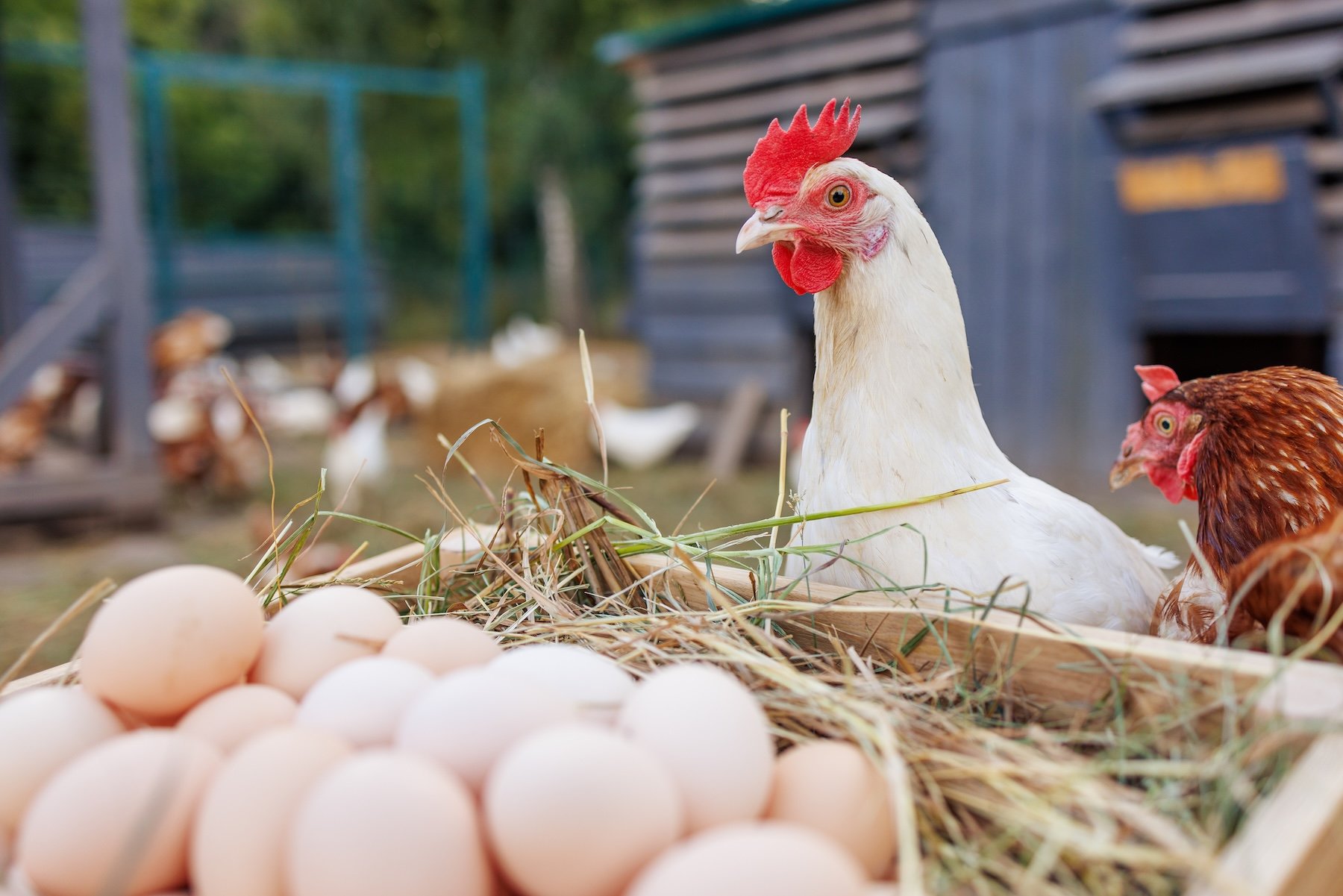
- Hens need nesting boxes where they can lay their eggs. As mentioned, one box for every three hens is recommended, but if you can fit more, even better.
- In addition to a clear, ventilated, and spacious coop, chickens need some outside area where they can run or even sleep without fearing predators (or running away). A good fence is vital.
And that should get you started! Of course, there are myriad resources online, such as the University of Minnesota Extension or even the Farmers’ Almanac, for more detailed and specific advice.
