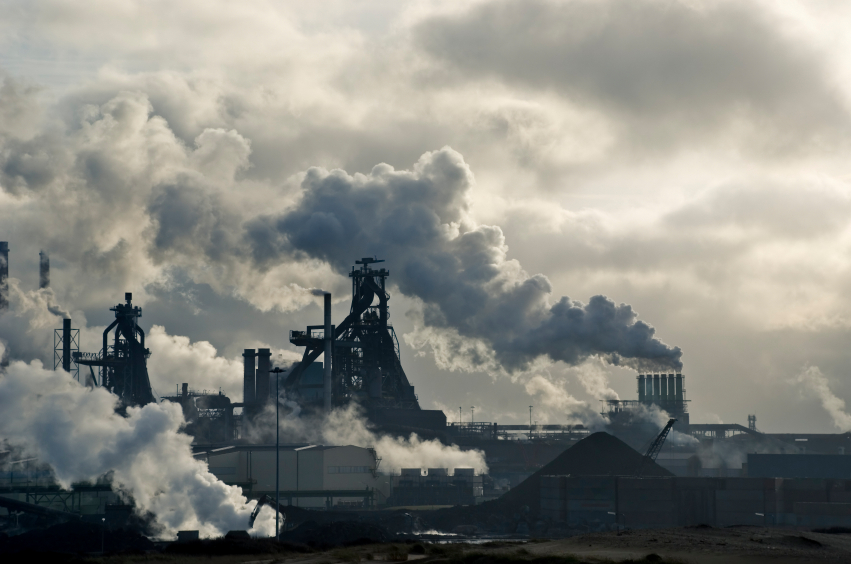
Five upcoming projects with potentially devastating environmental consequences
By Jason DaleyPosted 6.11.08 at 1:50 pm 10 Comments
<
IMAGE 1 OF 5
>
The Giant Coal Plant
Photo by iStockphoto
Wind energy, tidal energy, solar—the world is embracing large-scale green power. Oh wait, maybe we spoke too soon. Tata Mundra, the largest coal-fired energy plant built in decades, is going up in India with the help of a $450-million loan from the World Bank. The 4,000-megawatt coal plant will use relatively modern, efficient technologies to produce enough juice to help out 16 million people, but in the end, coal is coal—at full capacity, the plant will emit only 13 percent less carbon than a conventional coal-fired facility. On top of that, experts predict that up to 20 percent of the power generated will be lost to India’s poorly maintained electricity grid, negating any benefits of the plant’s technology and making it just another mammoth fossil-fuel incinerator.
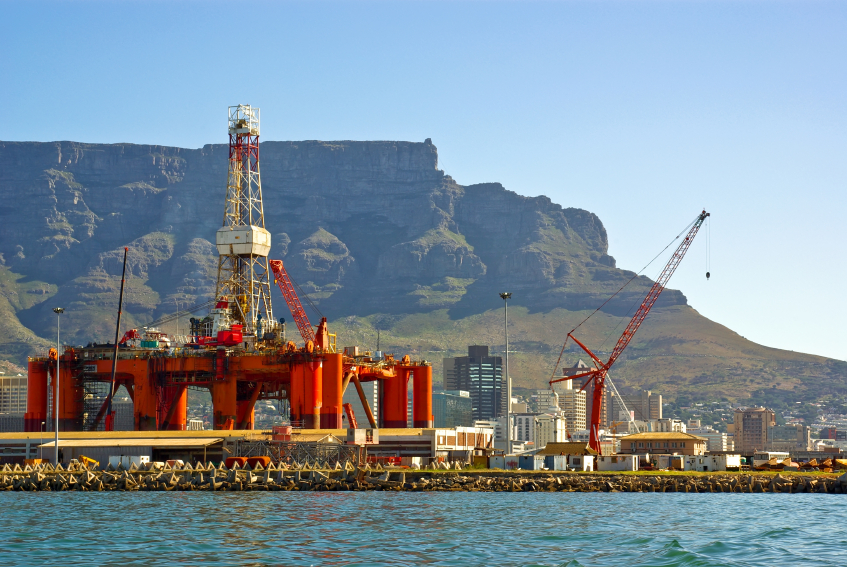
Here’s a brilliant idea to solve our energy solution: Drill into the unmapped ocean floor, and release a substance that could potentially destroy life as we know it. That’s what Japanese, American and Canadian researchers interested in methane hydrate could potentially do as they drill the seabed off the coast of Japan looking for frozen natural gas. The frozen crystals, also known as “flammable ice,” could help the island nation reduce its natural-gas imports. But deep-ocean drilling, an untested technology, could also trigger landslides or unintended hydrate releases. It’s thought that methane hydrate releases helped hasten warming periods during the time of the dinosaurs.
Your guide to the automated farming technologies, lab-grown meat, glowing bacteria, and sewage-to-electricity converters that will help vertical farming take off
If we don't remove the methane hydride deposits, they will explode and destroy life in the ocean. So to just leave them alone could destroy us. As for the coal-fired power plant, it should use plasma burners to burn thecoal more efficiently and produce solid carbon as most of the waste which can be used for building material. The bruners would be hot enough to burn water that would be mixed with coal dust. I prefer placing nuclear power plants in space so that if there are any problems, we can send them to the sun. Plasma igniters instead of conventional spark plugs could allow us to burn water as a fuel since they would be hot enough to break down water into hydrogen and oxygen. No need for fuel cells. Also, if my stacked flywheel storage system can kinetically store at least 100 watt-hours of energy per cubic inch of material, vehicles could travel hundreds of miles nonstop and only need to respin the flywheels for 10 or 15 minutes back up to speed. If my solar stack ideas work, both the photovoltaic and steam stacks, we could have major stack assemblies in desert regions producing enough electricity for entire countries. To avoid major damage and death caused by hurricanes, I would use fleets of pumper vessels that would chill ocean water with compressed oxygen and nitrogen and feed the water into tropical storms to keep them from forming into hurricanes. If we had had a fleet of 20 pumpers a few years ago, Katrina could have been destroyed and New Orleans could have been spared. Also, the fleet might have paid for itself by destroying just that one storm.
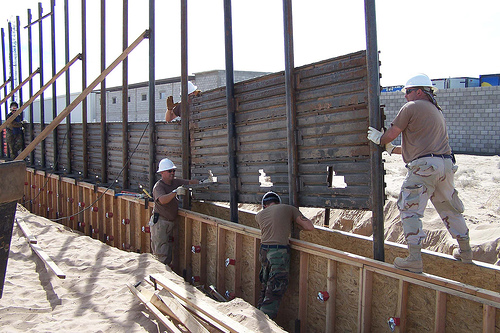
Your writer chose the 'scare' name instead of the more descriptive "habitat dividing" fence. Habitats are divided by many events, human activity and natural activity. Results are not always destructive. For instance, evolution often takes different paths--produces greater variety--when habitats are divided. Pathogens might also kept on one side or the other. Same for invasive species. Same for poachers. Plenty of habitat exists on both sides of the fence for the species you name to maintain viable populations. If they do or not, depends not on the fence but on the people and their governments on each side.
Any article on environmental change that mentions only bad results, is usually a propaganda piece and its writer erodes his or her own credibility and the credibility whatever relevant facts might also be recorded.
Wallace Kaufman
See: Invasive Plants by Kaufman and Kaufman (Stackpole Books, 2007); Coming Out of the Woods (Perseus Books 2001); No Turning Back (Basic Books, 1994)
The border fence a disaster? Yes it will be a disaster alright if we fail to build it. Typical of the enviro whackos, they are more worreid about some tiny critter not being able to cross the fence. We need to worry far more about the two legged varieties that bring in drugs, weapons etc. Let's not even think of any of the nasty diseases brought in by illegals such as drug resistant TB and many std''s etc... Build the fence and tell the greenies to take a long hike off of a short pier!
The editor of Popular Science needs to screen the text of such articles. This kind of article should not be the direction of Popular Science.
Nothing scientific was given in the article. If you went down the path of the article, it would seem to suggest people should not breathe air because they generate C02, should not eat because they excrement methane producing materials, should not use electricity because it means power plants are needed. Yes we need to be mindful of the resources and the planet God gave us and be good stewards of it, but this article is so far from being one of science that it is shameful to see it even represented from an American Company, let alone one with SCIENCE in its NAME.
David Scott 27 June 2008
David Scott
Development Engineer
Mining Truck Development
Komatsu America Corp.
Peoria, IL 61650
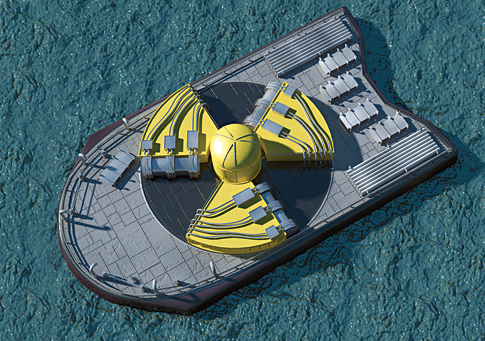
Maybe the writer of that article should look at nuclear submarines and call them environmentally dangerous. As long as the nuclear waste is held in a waterproof container that has a low corrosion rate it is safe. Even if the ship sinks, it will be possible to retrieve the waste later.
hoorganvisor,
that gas is so deep under the ocean that the water above it and the chilling temperatures cause it so that it realeses the littlest amount of methane.
only when we bring it to the surface does it become deadly
Comments
If we don't remove the methane hydride deposits, they will explode and destroy life in the ocean. So to just leave them alone could destroy us. As for the coal-fired power plant, it should use plasma burners to burn thecoal more efficiently and produce solid carbon as most of the waste which can be used for building material. The bruners would be hot enough to burn water that would be mixed with coal dust. I prefer placing nuclear power plants in space so that if there are any problems, we can send them to the sun. Plasma igniters instead of conventional spark plugs could allow us to burn water as a fuel since they would be hot enough to break down water into hydrogen and oxygen. No need for fuel cells. Also, if my stacked flywheel storage system can kinetically store at least 100 watt-hours of energy per cubic inch of material, vehicles could travel hundreds of miles nonstop and only need to respin the flywheels for 10 or 15 minutes back up to speed. If my solar stack ideas work, both the photovoltaic and steam stacks, we could have major stack assemblies in desert regions producing enough electricity for entire countries. To avoid major damage and death caused by hurricanes, I would use fleets of pumper vessels that would chill ocean water with compressed oxygen and nitrogen and feed the water into tropical storms to keep them from forming into hurricanes. If we had had a fleet of 20 pumpers a few years ago, Katrina could have been destroyed and New Orleans could have been spared. Also, the fleet might have paid for itself by destroying just that one storm.
1 out of 6 people found this comment helpfulfrom Harrisburg, OR
Your writer chose the 'scare' name instead of the more descriptive "habitat dividing" fence. Habitats are divided by many events, human activity and natural activity. Results are not always destructive. For instance, evolution often takes different paths--produces greater variety--when habitats are divided. Pathogens might also kept on one side or the other. Same for invasive species. Same for poachers. Plenty of habitat exists on both sides of the fence for the species you name to maintain viable populations. If they do or not, depends not on the fence but on the people and their governments on each side.
Any article on environmental change that mentions only bad results, is usually a propaganda piece and its writer erodes his or her own credibility and the credibility whatever relevant facts might also be recorded.
Wallace Kaufman
2 out of 4 people found this comment helpfulSee: Invasive Plants by Kaufman and Kaufman (Stackpole Books, 2007); Coming Out of the Woods (Perseus Books 2001); No Turning Back (Basic Books, 1994)
The border fence a disaster? Yes it will be a disaster alright if we fail to build it. Typical of the enviro whackos, they are more worreid about some tiny critter not being able to cross the fence. We need to worry far more about the two legged varieties that bring in drugs, weapons etc. Let's not even think of any of the nasty diseases brought in by illegals such as drug resistant TB and many std''s etc... Build the fence and tell the greenies to take a long hike off of a short pier!
3 out of 9 people found this comment helpfulThe border fence a disaster? Yes it will be a disaster alright if we fail to build it. Typical of the enviro whackos, they are more worreid about some tiny critter not being able to cross the fence. We need to worry far more about the two legged varieties that bring in drugs, weapons etc. Let's not even think of any of the nasty diseases brought in by illegals such as drug resistant TB and many std''s etc... Build the fence and tell the greenies to take a long hike off of a short pier!
0 out of 3 people found this comment helpfulWhat about the potential damage of the Japanese solar satellite. Everyone in the umbra could die.
the.nerd.herd.group.googlepages.com
0 out of 0 people found this comment helpfulWhat about the potential damage of the Japanese solar satellite. Everyone in the umbra could die.
the.nerd.herd.group.googlepages.com
0 out of 0 people found this comment helpfulThe editor of Popular Science needs to screen the text of such articles. This kind of article should not be the direction of Popular Science.
Nothing scientific was given in the article. If you went down the path of the article, it would seem to suggest people should not breathe air because they generate C02, should not eat because they excrement methane producing materials, should not use electricity because it means power plants are needed. Yes we need to be mindful of the resources and the planet God gave us and be good stewards of it, but this article is so far from being one of science that it is shameful to see it even represented from an American Company, let alone one with SCIENCE in its NAME.
David Scott 27 June 2008
David Scott
1 out of 2 people found this comment helpfulDevelopment Engineer
Mining Truck Development
Komatsu America Corp.
Peoria, IL 61650
from Fairfield, CT
Maybe the writer of that article should look at nuclear submarines and call them environmentally dangerous. As long as the nuclear waste is held in a waterproof container that has a low corrosion rate it is safe. Even if the ship sinks, it will be possible to retrieve the waste later.
2 out of 2 people found this comment helpfulfrom Fairfield, CT
Now thats just dumb...........
2 out of 2 people found this comment helpfulhoorganvisor,
1 out of 1 people found this comment helpfulthat gas is so deep under the ocean that the water above it and the chilling temperatures cause it so that it realeses the littlest amount of methane.
only when we bring it to the surface does it become deadly