It’s a fungi-filled world and we are just living in it. There are roughly 150,000 to 157,000 known species of fungi, and now there is a new giant species to add to that tally.
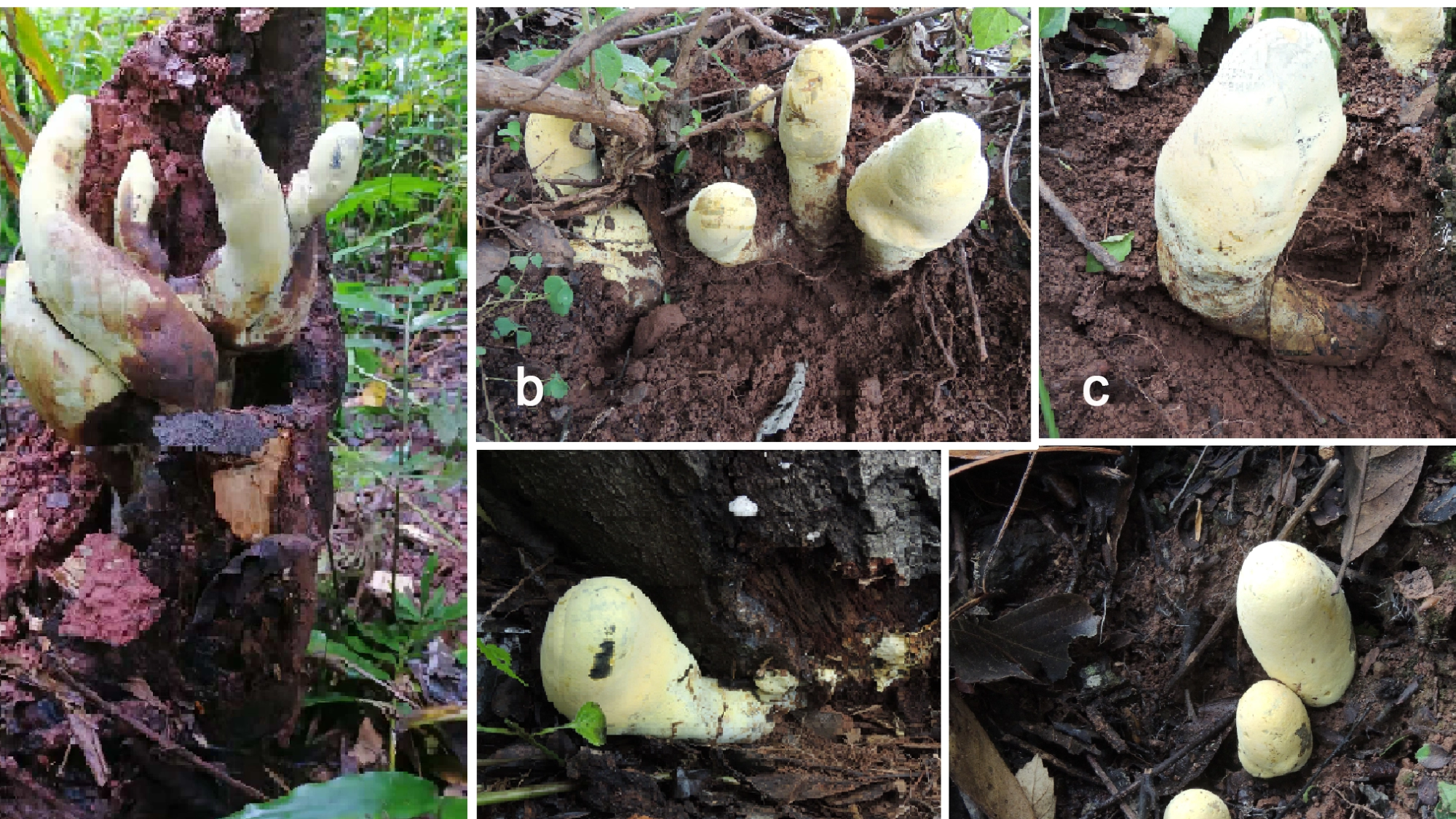
A team of scientists exploring the forests of Yunnan in southern China discovered the new fungus, which shows just how large these organisms can grow. The new species Dianjunus rex grows vertical fruiting bodies (the top part of the fungi that we usually see as a mushroom) that can grow as high as a foot (50 centimeters) and weigh close to five pounds (2.2 kilograms).
This new fungus is the largest known species within the phylum Ascomycota, the largest known phylum of fungi with over 64,000 known species. The new fungus is described in a study recently published in the journal Frontiers in Fungal Biology.
“This remarkable species represents a new fungal family, Dianjunaceae, and provides a rare window into the evolution of extreme fungal body forms,” Indunil C. Senanayake, a study co-author and mycologist at the Germplasm Bank of Wild Species of the Kunming Institute of Botany in China, said in a statement. “The discovery illustrates how much fungus biodiversity remains to be discovered in East Asian forests.”
The scientists spotted the fungus during fieldwork in the temperate coniferous forests near Damaidi and Yipinglang and in a tropical rainforest near Nanbang in southern China. They noticed large whitish fruiting bodies (called stromata) coming out of some fallen wood that belonged to an unknown species of Ascomycete fungus.
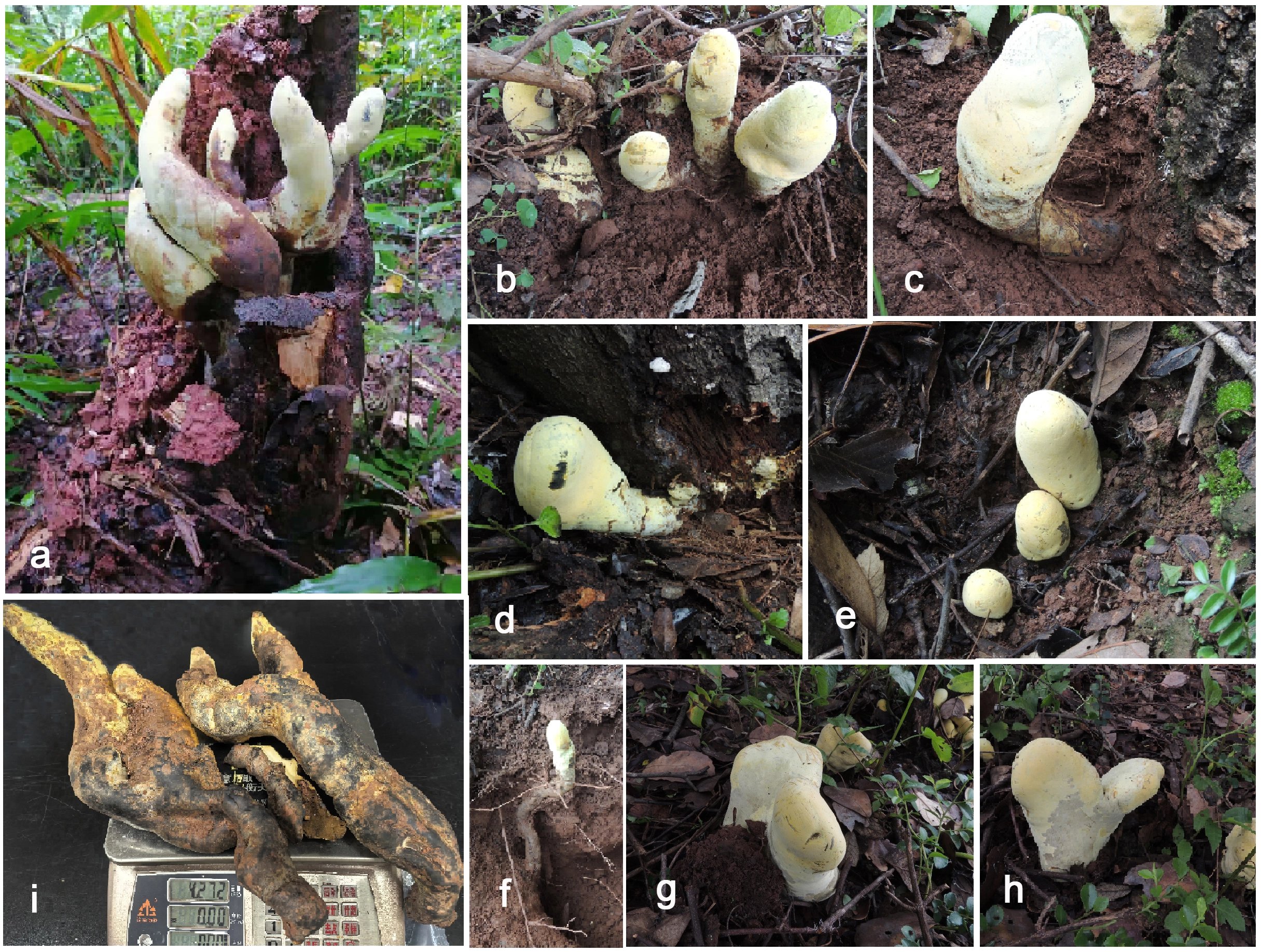
Ascomycetes don’t always sprout traditional mushrooms, but release their spores from tiny, sac-like structures inside or on the surface of such fruiting bodies instead. They typically grow on woody roots of Chinese cork oak trees.
The team collected the curious fruiting bodies, and grew spores back in the lab to study the fungus’ morphology and its genome. The genetic tests and a detailed study of its morphology revealed that the fungus is a new species, a new genus, and even a new family.
They named it Dianjunus rex (which the team calls D-rex for short), for its regal size and the ancient Dian kingdom. This ancient civilization in Yunnan reached its height during the second and first centuries BCE.
The team also found a connection to dinosaurs beyond its nickname which sounds like T. rex. It appears that this fungi family arose around 65 million years ago, or only one million years after the Cretaceous-Paleogene mass extinction event. This most famous of Earth’s mass extinctions wiped out the dinosaurs and countless other animals and plants.
“This timing raises an intriguing possibility. After the mass extinction, forests experienced dramatic changes, including the sudden availability of large amounts of dead plant material,” added Senanayake.
For fungi, this kind of environmental disruption may have created new ecological opportunities for it to fill.
As for its size, D-rex’ fruiting bodies grow about 20 to 30 centimeters taller than other Ascomycetes. The team thinks this size might help the wind disperse their spores better in dense forests. However, a large fruiting body like D-rex requires a lot of energy, so the strategy may have evolved if the ecological benefits outweighed the energy costs.
The team also believes that there are more fungi waiting to be discovered in subtropical China—we just need to keep looking.