

Around 1200 BCE, mankind began its shift away from bronze when a new metal showed its mettle. Iron would eventually become king, but the metal’s road to dominance is a bit muddled. Now, a new analysis of a 3,000-year-old smelting workshop in the Eastern European country of Georgia indicates that it was actually copper smelters experimenting with iron-rich rocks that may have sparked iron’s rise. The findings are detailed in a study published September 26 in the Journal of Archaeological Science.
Mixing minerals
The 3,000-year-old workshop called Kvemo Bolnisi is located in southern Georgia. The dig site was originally analyzed in the 1950s, when archeologists found an iron oxide mineral called hematite and a waste product of metal production called slag. The original excavators believed that the workshop must have been an early iron smelting site, based on those iron oxides.
However, instead of iron, the workers at Kvemo Bolnisi were smelting copper using iron oxide as a substance added to the furnace to increase the yield. This discovery adds weight to a long-discussed theory in archeology and anthropology that iron was actually invented by copper smelters. The team believes that ancient copper metalworkers actually experimented with iron-bearing materials in a furnace–a crucial step towards eventual iron smelting.
“Iron is the world’s quintessential industrial metal, but the lack of written records, iron’s tendency to rust, and a lack of research on iron production sites has made the search for its origins challenging,” Dr. Nathaniel Erb-Satullo, a study co-author and anthropological archeologist at Cranfield University in the United Kingdom, said in a statement. “That’s what makes this site at Kvemo Bolnisi so exciting. It’s evidence of intentional use of iron in the copper smelting process.”
According to Erb-Satullo, these metalworkers likely understood how the iron oxide that would eventually be used for smelling was a separate material and experimented with its properties in some kind of furnace.
“Its use here suggests that this kind of experimentation by copper-workers was crucial to development of iron metallurgy,” said Erb-Satullo
Why iron?
The Iron Age began in around 1200 BCE and lasted up until about 600 BCE. While it generally marked the beginning of widespread iron production, the metal itself wasn’t really a new discovery. Numerous artifacts made of iron dating back even earlier have been uncovered. An iron dagger with a gold and rock crystal hilt uncovered from the tomb of Egyptian king Tutankhamun is a watermark among those early iron discoveries.
However, the earliest iron objects were forged from metallic iron that was found in meteorites that had fallen to Earth from space. They were not extracted from iron ore through smelting, as they would be later. That rarity meant that iron was likely more valuable than gold at some points in human history.
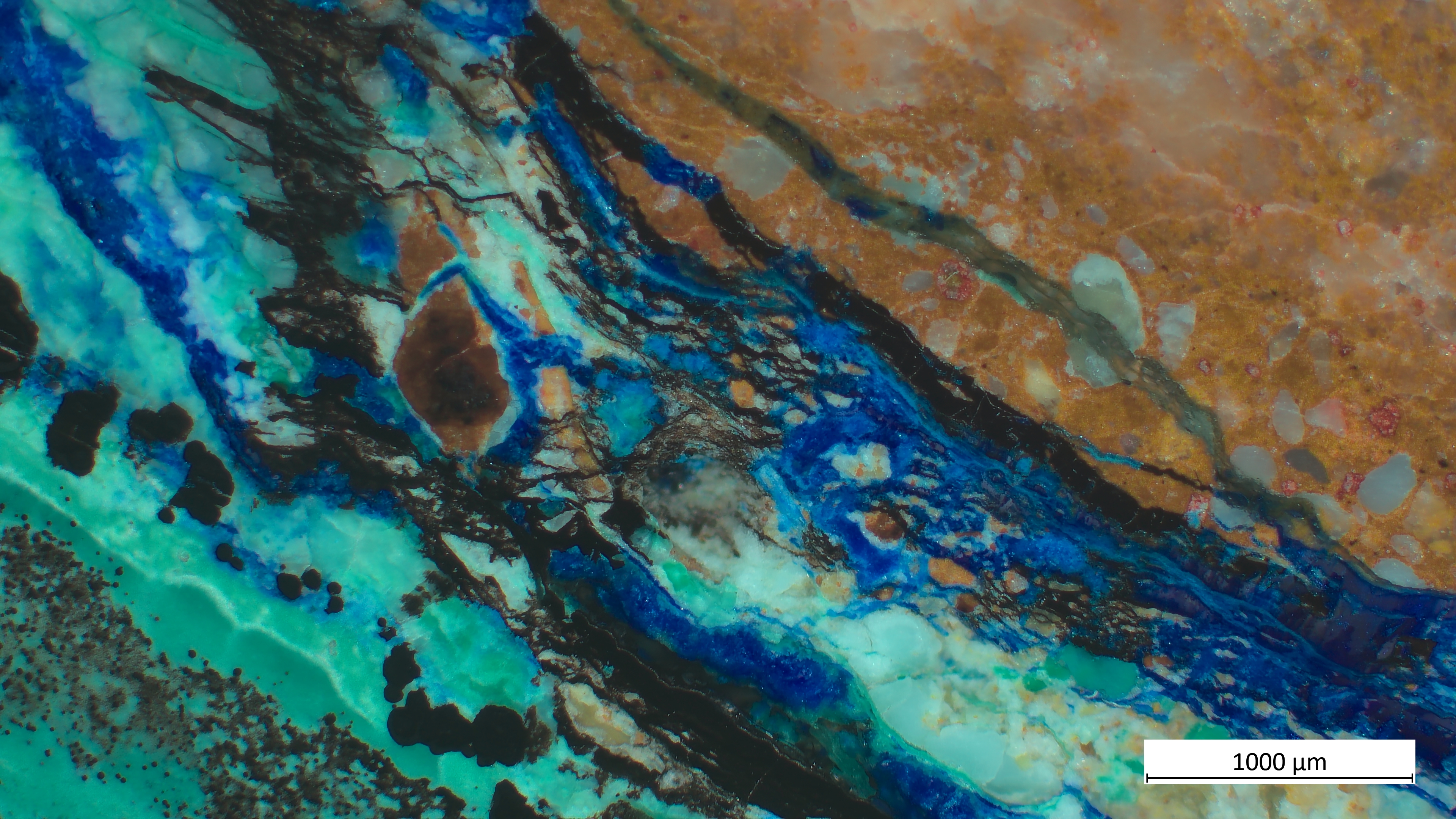
Once humans discovered that they could dig up iron ore–a naturally occurring rock that contains iron minearls–and smelt it, all of this changed. Iron itself is one of the most abundant elements on Earth, while naturally occurring iron metal is actually very rare. Extracting iron from iron ore and working it into tools and weapons is considered one of history’s biggest technological advancements.
Still, this transition from the Bronze Age into Iron Age was not exactly like turning a calendar page. It took hundreds of years, but working with iron gave rise to the powerful Assyrian and Roman armies and later the steel railroads and buildings of the Industrial Revolution.
“There’s a beautiful symmetry in this kind of research, in that we can use the techniques of modern geology and materials science to get into the minds of ancient materials scientists,” said Erb-Satullo. “And we can do all this through the analysis of slag—a mundane waste material that looks like lumps of funny-looking rock.”
