

Evidence uncovered in a field in Suffolk, England indicates that ancient humans intentionally harnessed fire more than 350,000 years earlier than previously believed. According to a British Museum-led study published on December 10 in the journal Nature, our Paleolithic Neanderthal ancestors utilized technology like hearths and campfires as much as 400,000 years ago.
“The implications are enormous,” British Museum project curator and study coauthor Rob Davis said in a statement. “The ability to create and control fire is one of the most important turning points in human history, with practical and social benefits that changed human evolution.”
The evolution of intentional fire use
Early hominins first started utilizing fire over one million years ago, but the instances were sporadic and subject to the environment around them. Without knowing how to create sparks using flint and stone materials, our forebearers likely relied on leveraging wildfires and other small flames created by natural events like lightning strikes. This has made it difficult to find evidence of early fires and determine when early humans made the leap from opportunistic to intentional flame wielders.
“Archaeological evidence for early fire use is limited and often ambiguous, typically consisting of associations between heated materials and stone tools,” the study’s authors wrote.
Nevertheless, understanding when and where this transition first occurred around the world is vital to seeing the bigger picture of human evolution. Producing fire at will would have necessitated social coordination and more complex divisions of labor within hominin communities. Sustained warmth would have improved survival rates, while also providing a way to craft stronger, more resilient tools. Meanwhile, cooked food was easier to digest and more nutritious, freeing crucial calories from the gut to fuel brain power. Simply put, the first humans to figure out fire flourished while their evolutionary competitors fell by the wayside.
In 2018, paleoanthropologists presented the first evidence of intentional firemaking by Neanderthals around 40,000 years ago uncovered at sites in northern France. But after decades of intermittent excavation work at a location known as the Barnham site in southern England, British Museum researchers say they are confident the timeline can be pushed back much, much further.

Iron pyrite’s potential
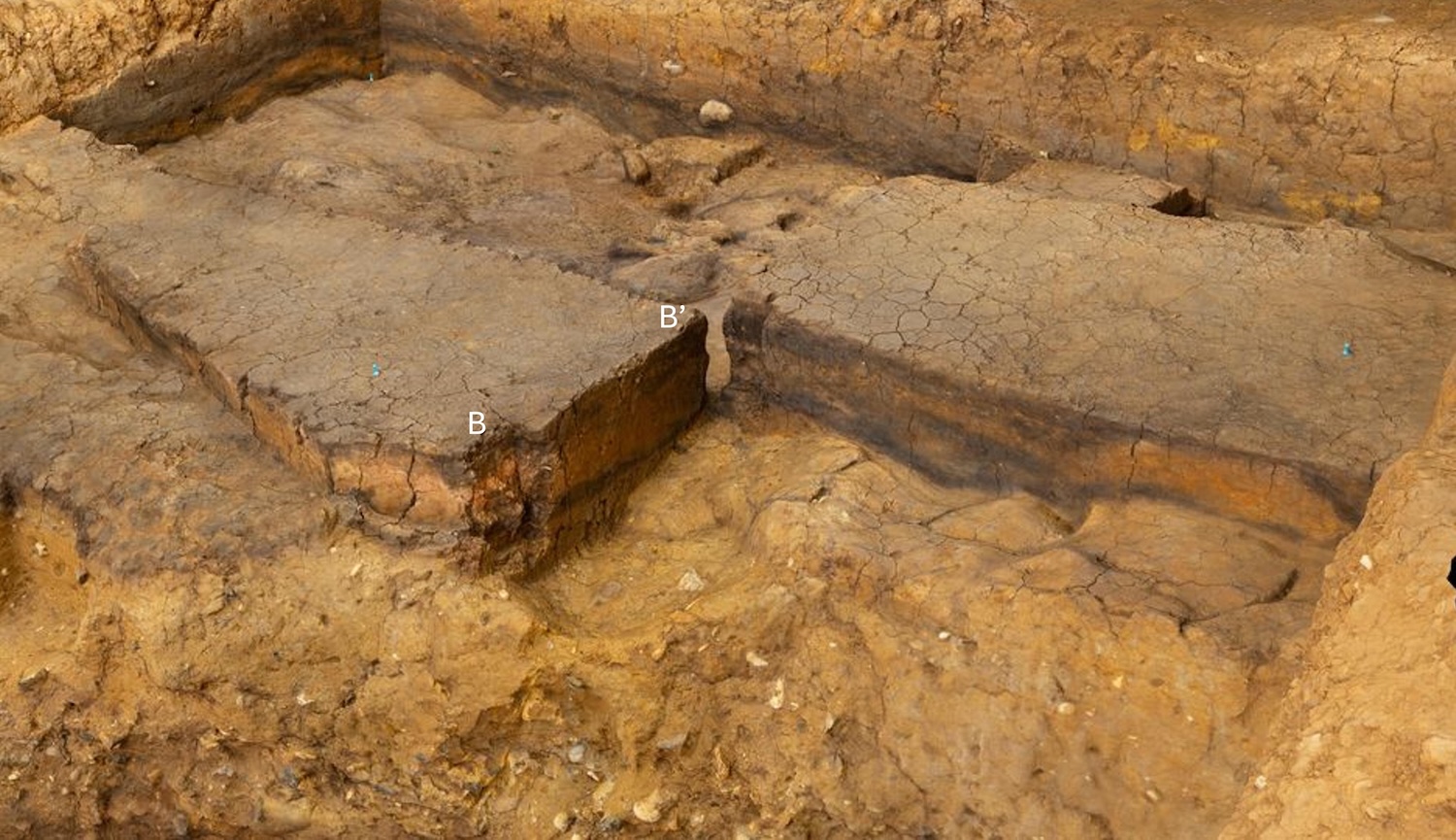
The team on this new study used geochemical analysis to confirm the location’s heated clay remnants weren’t the results of wildfires. Instead, the artifacts were created after exposure to temperatures over 1,292 degrees Fahrenheit (700 degrees Celsius) through repeated fire-use at the same location. This suggests that local early humans worked at a campfire or hearth on multiple occasions to manufacture their flint axes.
Further evidence comes from the iron pyrite uncovered at the site. The naturally occurring mineral creates sparks when struck against flint to make tinder. However, iron pyrite is not common to southern England. The team believes that the area’s hominins who understood pyrite’s utility sourced it elsewhere before bringing it to the Barnham site.
Although archaeologists have not recovered any hominin remains at Barnham, researchers believe the residents were probably early Neanderthals based on similarly aged fossil morphology taken from Swanscombe in Kent (about 100 miles south of the Barnham site) and at the Atapuerca site in northern Spain.
“It’s incredible that some of the oldest groups of Neanderthals had the knowledge of the properties of flint, pyrite, and tinder at such an early date,” said British Museum paleolithic collections curator and study coauthor Nick Ashton. “This is the most remarkable discovery of my career, and I’m very proud of the teamwork that it has taken to reach this groundbreaking conclusion.”
