
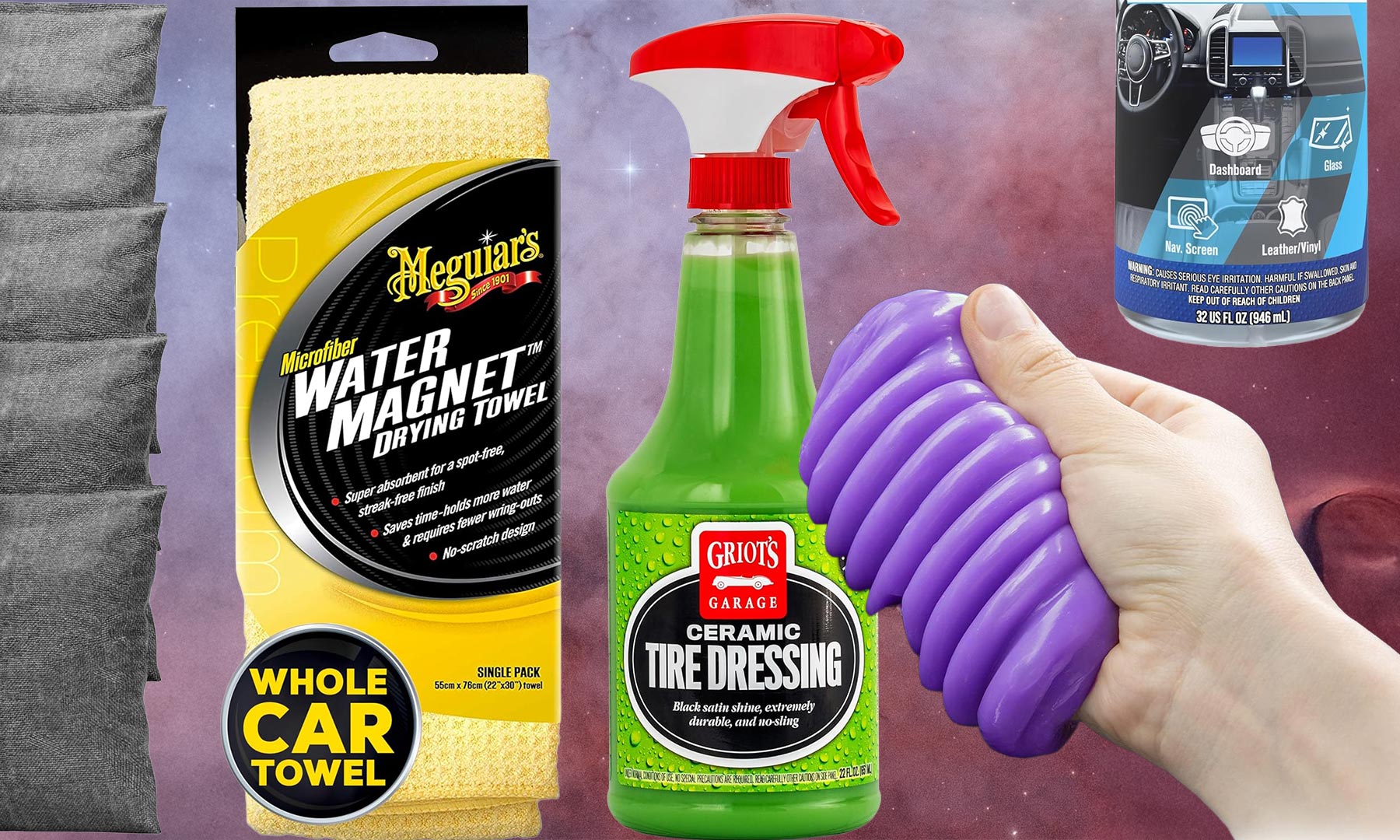
We may earn revenue from the products available on this page and participate in affiliate programs. Learn more ›
There’s a gap between cars that have been washed and a ride that’s actually clean. A trip through an automatic car wash removes surface crud but does nothing about brake dust bonded to your wheels, the oily film building up on your windshield’s interior, or the embedded grit that just begs passersby to write “wash me” with their finger. According to professional detailers, most paint damage is caused by the wrong tools used repeatedly. A chenille microfiber mitt costs $12. Having one is the difference between paint that looks good at 10 years and paint that looks tired at four. Here’s every product category you need, in the order you’d use them during a full wash session, along with specific picks for each.
We built this list by cross-referencing recommendations from a wide variety of sources, including input from a number of detailing pros and online resources like the Stoner Car Care detailing guide. Every product below was selected because it was personally recommended, shows up consistently across those sources, or addresses a specific technical problem typical.
Pre-wash: surface prep
Dragging a wash mitt across dry grit is one of the primary causes of swirl marks in clear coat. Before water or a cloth touches the car, blow loose debris off vent grilles, door jambs, side mirror housings, and trim gaps that a microfiber towel can’t reach regardless of how carefully you use it.
Air duster
Wolfbox MF100 Compressed Air Duster
Cordless electric duster, 190 MPH airflow, 6,000mAh battery
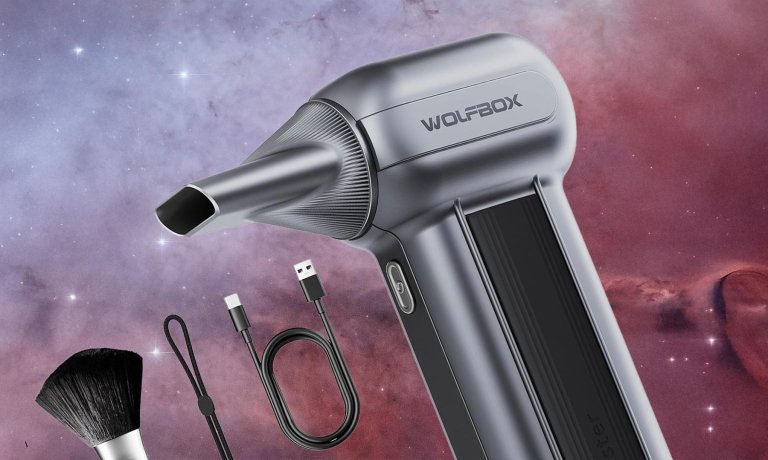
The MF100 runs a brushless motor at up to 150,000 RPM and delivers 190 MPH airflow at 70 CFM. That’s fast enough to clear dust from vent slats, blow debris out of door jambs, and pre-clean crevices around trim before the wash bucket comes out. It ships with five nozzle attachments and three speed settings. You don’t need full-blast all the time.
The built-in 6,000mAh battery is large enough to handle a full exterior blow-down without a recharge mid-session; runtime runs from about 10 minutes on the highest setting to 100 minutes on low. USB-C charging refills it in 2.5 hours. It’s priced at $105.99. The same unit works on keyboard cleaning, camera gear, and other electronics.
Washing
You’re going to need a pair of buckets for this process: one bucket filled with soapy water, a second with plain rinse water. After each panel, dunk the mitt in the rinse bucket and agitate it before reloading with soap. This keeps grit from cycling back into your wash solution and scratching paint on the next pass. A grit guard insert traps sediment below the water line so the mitt doesn’t pick it back up.
Car wash soap
Chemical Guys Mr. Pink Super Suds Car Wash Soap
See It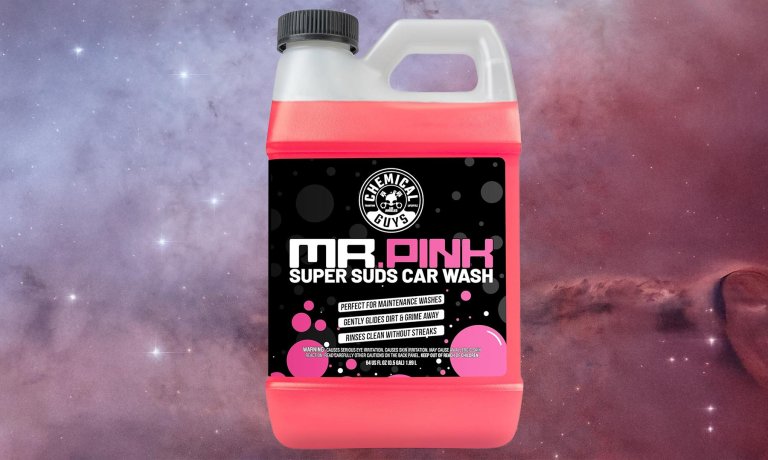
Car wash soap’s job is to lift and lubricate: encapsulate dirt particles so the mitt carries them away without dragging them across the paint. Mr. Pink’s pH-balance prevents it from attacking existing wax or ceramic coatings the way alkaline cleaners do. Dish soap seems like it will work, but it strips the clear coat’s protective layer the same way it cuts grease off a skillet. A 16-oz bottle makes roughly 10 full wash buckets. It’s safe on glass, rubber, and trim, so overspray isn’t a concern.
Wash mitt
Chemical Guys Chenille Microfiber Premium Scratch-Free Wash Mitt
See It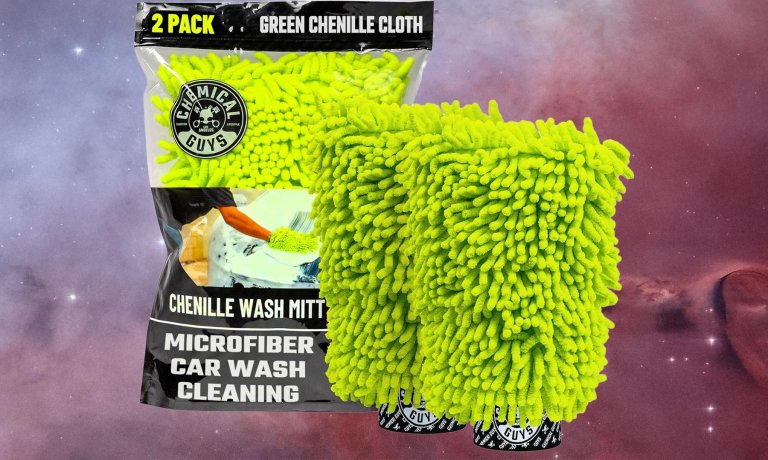
A standard sponge holds dirt particles at its face and drags them against the paint. Chenille microfiber mitts work differently: the long, finger-like fibers trap and pull grit up into the pile, away from the paint surface. The chenille construction also holds more soapy water per pass than a flat sponge. Wash the mitt in warm water after each use and let it air dry. Machine drying mats the fibers and degrades their ability to trap grit safely.
Wheels & tires
Do the wheels before the body panels. Wheel cleaners are aggressive, and overspray or runoff onto freshly cleaned paint creates extra work. Brake dust made of iron particles and adhesive residue from brake pads bonds to wheel finishes quickly and becomes harder to remove the longer it sits between washes.
Wheel cleaner
Sonax Wheel Cleaner Full Effect
See It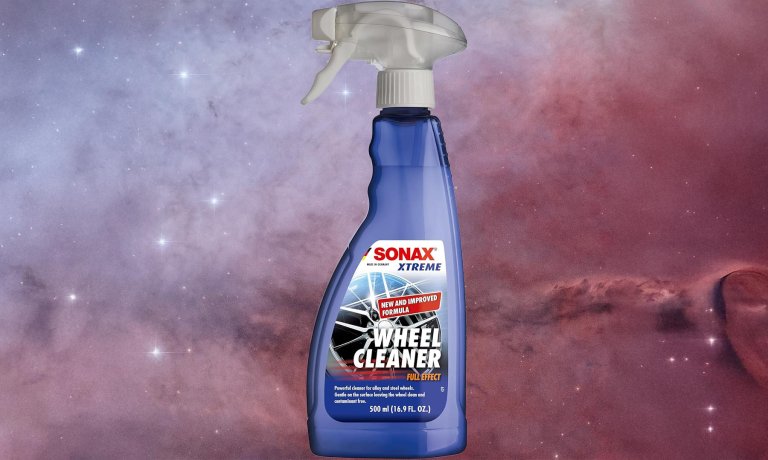
Cheaper wheel cleaners use acid to dissolve brake dust; acid-based formulas etch the coatings on alloy and chrome wheels over time. Sonax Full Effect is pH-neutral and lifts brake dust through an iron-reactive chemical process rather than acid etching. It sprays fluorescent green and turns red as it reacts with ferrous particles, so you can see it working. Apply it to a cool, dry wheel, let it dwell 3 to 5 minutes, agitate with a dedicated wheel brush, and rinse. It’s safe on clear-coated, powder-coated, chrome, alloy, and painted finishes. Keep a specific wheel brush to pick up metallic brake dust particles that will scratch paint if you use the same tool on the body.
Tire dressing
Griot's Garage Ceramic Tire Dressing
See It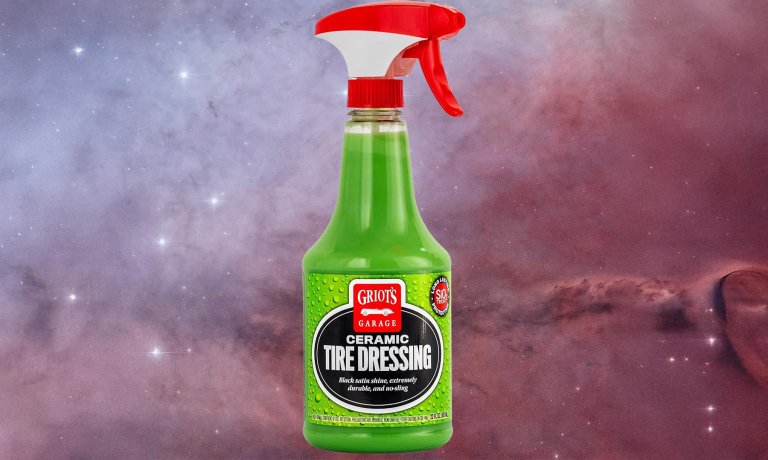
Silicone-based tire dressings sling off the tire at highway speed, landing on body panels and brake components. Griot’s Ceramic Tire Dressing uses an SiO2-infused formula that bonds to the rubber surface rather than sitting on top of it. It dries to a deep satin finish and repels water, UV, and contaminants for several weeks between applications, not just until the next wash. Apply it with a foam applicator to a clean, dry tire; let it tack for a few minutes before driving. It’s also safe on exterior plastic trim.
Drying
Letting a car air-dry leaves water spots in the form of mineral deposits left behind as water evaporates. Dry the car immediately after the final rinse, working from the roof down.
Drying towel
Meguiar's Water Magnet Microfiber Drying Towel
22×30-inch waffle-weave microfiber, holds 8x its weight in water
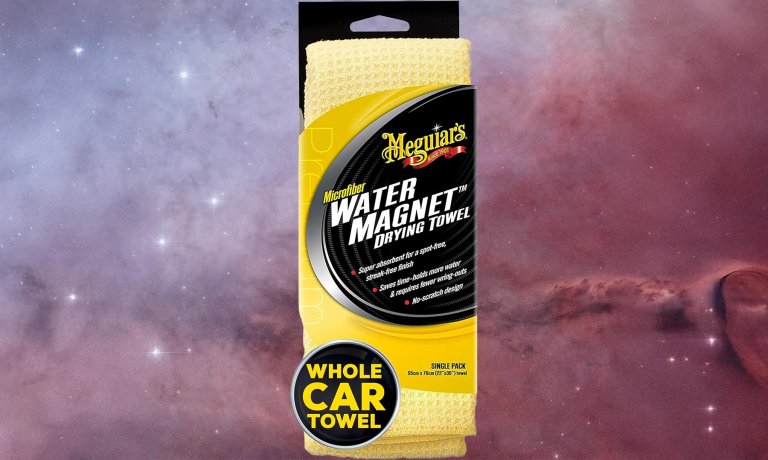
At 22×30 inches, this waffle-weave cloth covers large panel sections in a single pass. Lay it flat against the surface and pull it toward you rather than scrubbing. Fold it as it absorbs water to keep a dry face in contact with the paint. Wash drying towels separately from applicators or rags that may have wax residue on them; a contaminated drying towel streaks.
Paint decontamination
A clay bar removes embedded surface contaminants that soap can’t touch including iron fallout from brake dust, industrial pollution, rail dust, and tree sap residue that has bonded to the clear coat. The test: after washing, pull a plastic bag over your hand and run it across a panel. If the paint still feels gritty or rough, the surface needs clay. According to Automoblog’s detailing guide, claying before waxing produces measurably better adhesion and longevity from the wax layer.
Clay bar
Meguiar's Smooth Surface Clay Kit
See It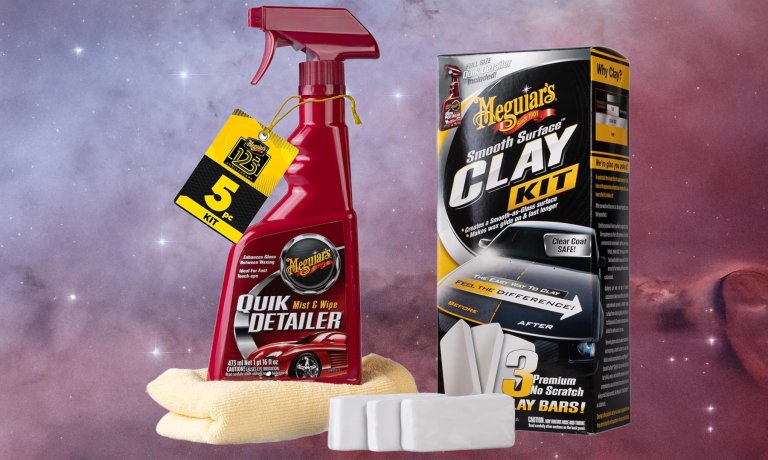
Clay requires lubricant spray. Work in small sections (roughly 18 square inches), moving the bar in overlapping linear passes rather than circles. Fold the clay frequently to expose a clean face. The Meguiar’s kit includes a detailer spray that doubles as the clay lubricant. Clay the car two to three times per year, or whenever the paint fails the plastic-bag test. Always follow with wax or sealant as claying strips existing protection along with the contaminants.
Paint protection
Wax fills minor surface imperfections, adds gloss, and creates a UV-protective layer over the clear coat. Our pros recommend paste or liquid wax over spray wax, which doesn’t provide the same depth of protection. Carnauba wax produces a warmer, deeper shine than synthetic sealants; synthetic lasts longer but doesn’t look as good. For most drivers, carnauba applied two to three times per year is sufficient.
Wax
Meguiar's Gold Class Carnauba Plus Premium Paste Wax
Natural carnauba wax, includes foam applicator and microfiber cloth
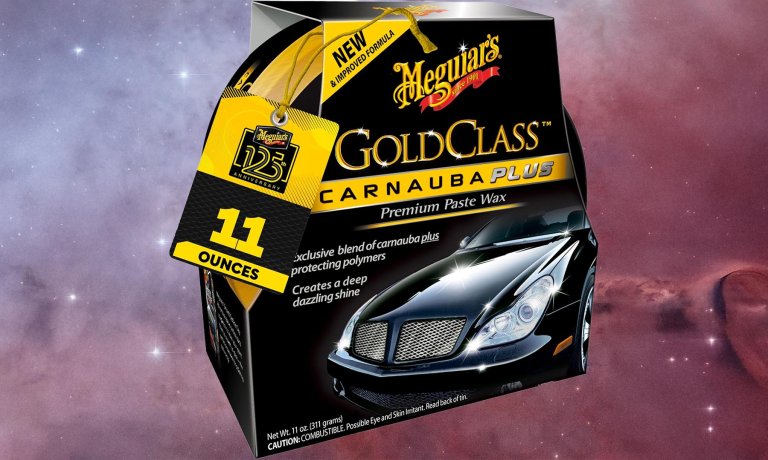
Apply in thin, overlapping circular passes to a cool, clean, clay-prepped surface in the shade. Let the wax haze over the course of 5 to 10 minutes, then buff off with a clean microfiber towel. One coat is standard; a second coat adds marginal additional protection but can fill in fine scratches more effectively. Don’t apply in direct sun or on a warm surface because the wax will dry too fast and become difficult to remove cleanly. For anyone using a dual-action polisher, liquid wax applies more evenly than paste. For hand application, paste is easier to control.
Glass
Interior glass accumulates a hazy film from off-gassing plastics and vinyl. You’ve probably noticed it on your windshield when driving toward the sun. Most household glass cleaners contain ammonia and degrade window tint film and dry out rubber seals around the glass over time. Use a dedicated automotive glass cleaner on both interior and exterior surfaces.
Glass cleaner
Stoner Invisible Glass Cleaner
Ammonia-free, streak-free, safe for tinted windows
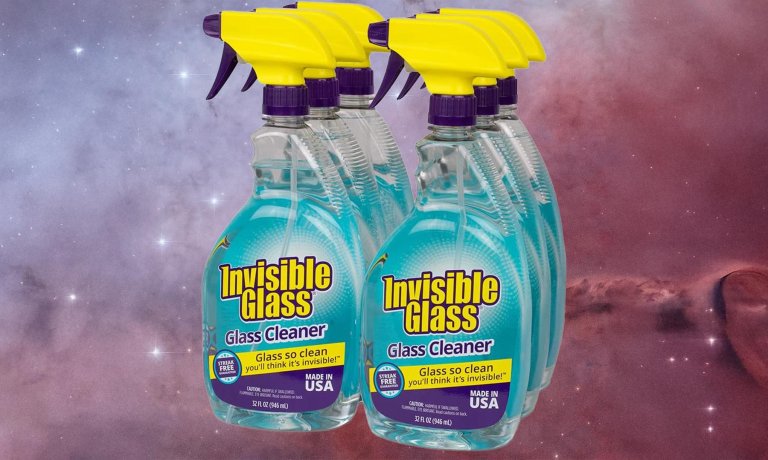
Ammonia-free formula that leaves no residue on interior or exterior glass. For the tricky interior windshield, spray the cleaner onto a folded microfiber towel rather than directly onto the glass. Use a circular motion first to break up the film, then horizontal strokes to clear any remaining streaks. Spraying directly onto a hot windshield in sun can cause the solution to flash before it has time to work.
Interior
Interior cleaning breaks into three jobs: removing debris with a vacuum, cleaning surfaces with a dedicated interior cleaner, and getting into the crevices that neither tool reaches.
Vacuum
Black+Decker Max Flex BDH2020FL Handheld Vacuum
Flexible motorized hose, reaches under seats and seat-back gaps
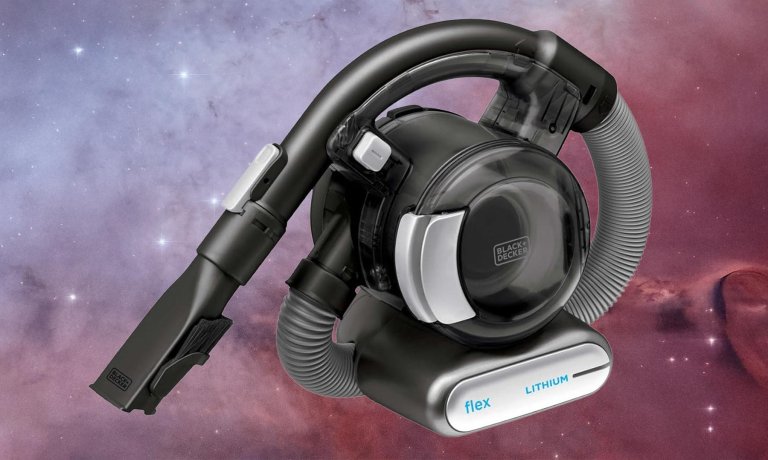
Many guides pick this as a top choice for in-car vacuuming, specifically for the flexible hose attachment that gets under seats and into the gap between the seat back and cushion where crumbs and pet hair concentrate and a rigid nozzle can’t reach. The motorized brushroll agitates carpet fibers to lift embedded debris that suction alone won’t move. Charge it at home before a cleaning session rather than running it off the car’s 12V outlet to save yourself time in the long run.
Interior cleaner
Chemical Guys Total Interior Cleaner & Protectant
Safe for plastic, vinyl, leather, rubber, and fabric; includes UV inhibitor
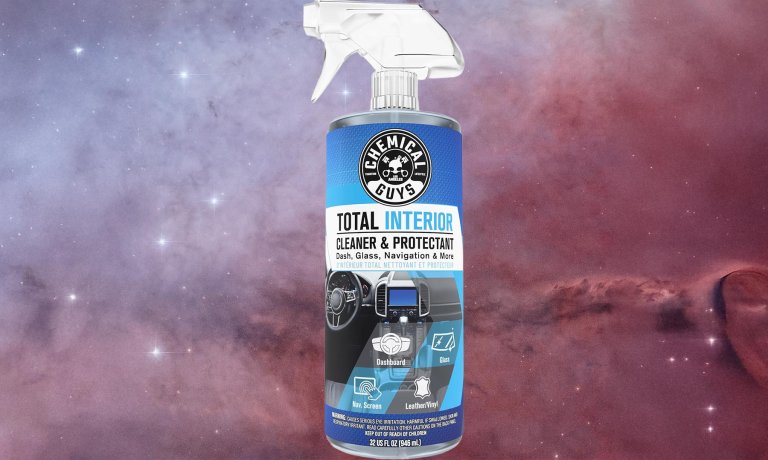
A dedicated interior cleaner does two things an all-purpose wipe doesn’t: it cuts through the oily skin-contact residue that builds up on steering wheels, door pulls, and armrests, and it leaves a UV inhibitor that slows the fading and cracking of plastic and vinyl. Spray it onto a microfiber towel rather than directly onto screens, instrument clusters, or electrical components. If you have leather seats, supplement this with a dedicated leather conditioner like Weiman’s premoistened leather wipes; leather needs conditioning with natural oils that a general interior cleaner doesn’t provide.
Crevice cleaning
Ticarve Cleaning Gel
Grabs debris from vents, cup holders, and narrow trim gaps
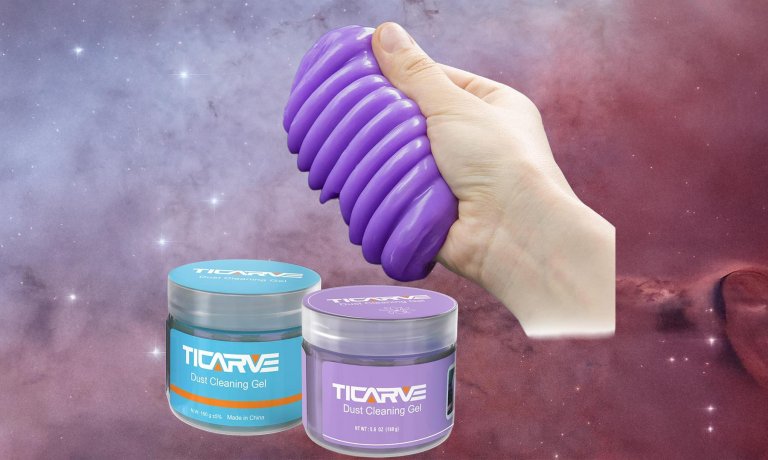
Vent slats, cup holder bases, and the gaps around gear selectors and center console controls are difficult to clean with a cloth or vacuum nozzle. This gel compound is pressed into the space and peeled away, pulling out dust and crumbs in the process. At roughly $7, it’s worth keeping in the glove box for regular use rather than saving only for full detail sessions.
Odor control
Breathe Green Bamboo Charcoal Bags (9-Pack)
Fragrance-free activated charcoal, absorbs odors and moisture passively
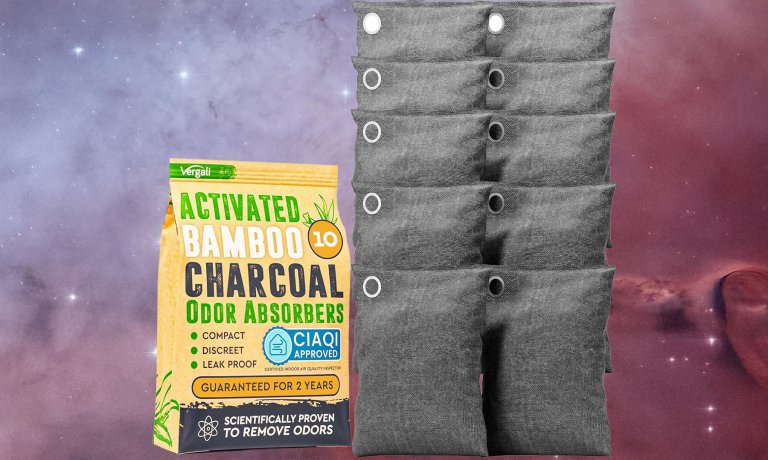
Spray air fresheners mask odors; activated charcoal absorbs them chemically. For persistent smells, charcoal bags are more effective, and they’re fragrance-free. Place one bag under each front seat. They work for roughly two years before saturating; reactivate them periodically by leaving them in direct sunlight for a few hours. I use this specific model in my car as well as my storage unit where I keep a lot of vintage clothing.
How to build a cleaning routine
You don’t need to run through all of this every time you wash the car. Most professional detailers organize car care into tiers. A practical framework: weekly or after heavy use, pre-blow with the air duster, then do a full two-bucket wash and dry immediately. Monthly, add wheels and tire dressing plus a quick interior vacuum. Two to three times per year, do the full sequence that includes a wash, clay, wax as well as the full interior clean including surfaces, vents, and glass. Annually, inspect glass for mineral water spot buildup, check wiper blades for streaking, and assess whether the paint needs light polishing before the next wax application.
