
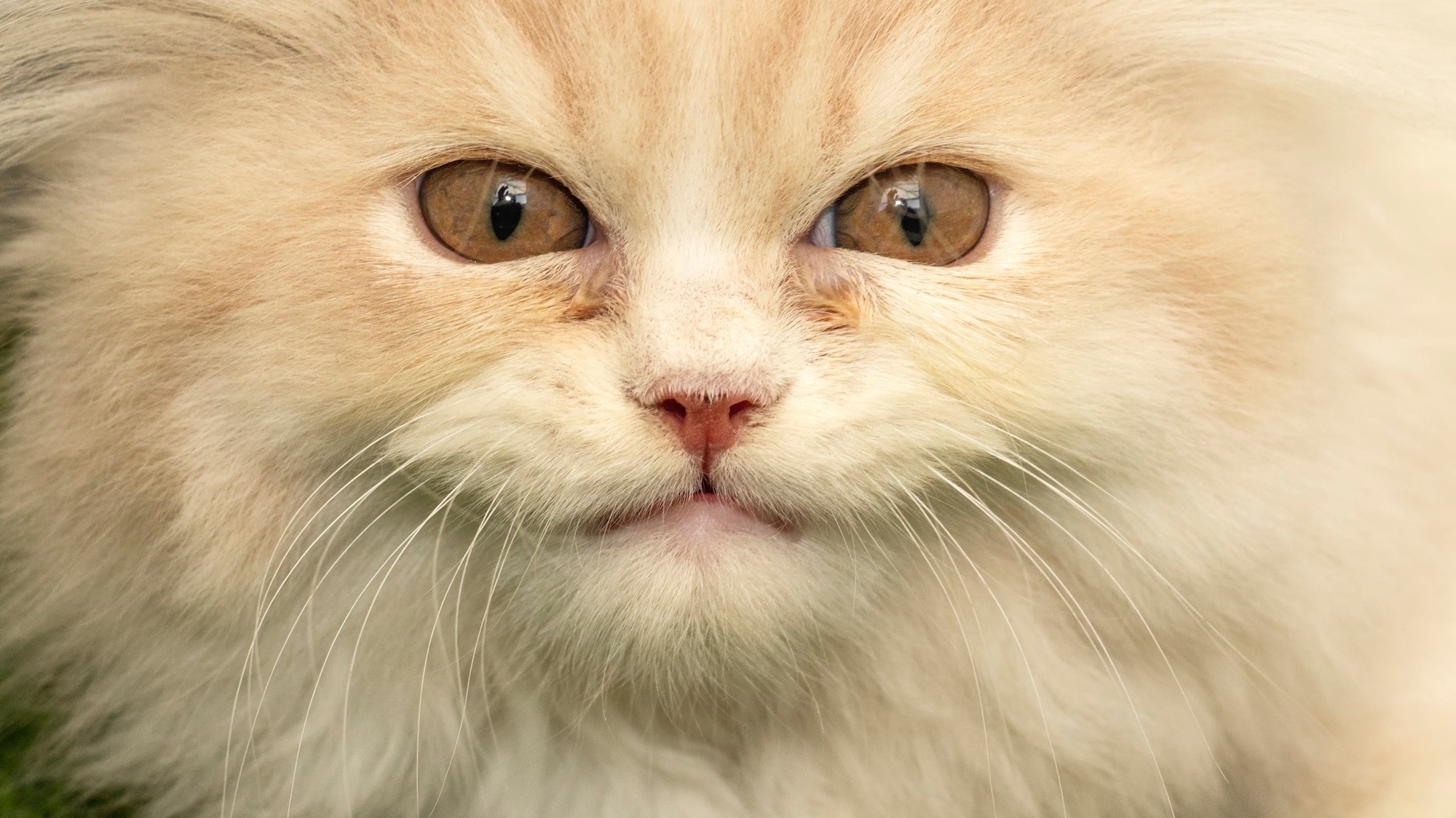
Mira, my cat, does not care about television. She likes sitting on my lap while I watch TV, she just doesn’t care about what’s on it.
I thought she never would. Turns out I was just watching the wrong things. There are thousands of popular YouTube videos just for cats. I tried one of these on my TV recently, and Mira was interested. I wasn’t expecting that.
But what are cats looking for in a TV show? And is there any science behind the things they find interesting? Let’s explore that, then I’ll tell you a few of my cat’s favorite YouTube channels.
The science of cat TV
I mentioned in my article about alcohol myths that my favorite ever scientific study involved a bunch of Germans getting drunk. I now have a second favorite: cats watching television.
The 2008 study, published in Applied Animal Behaviour Science by researchers at Queen’s University in Belfast, involved 125 cats at a rescue shelter—67 males, 58 females, all healthy. The cats were left alone with screens. Some screens were blank, as a control. There were also screens showing three sets of videos: the first, humans doing human things; the second, inanimate objects like billiard balls in movement; the third, traditional cat prey like fish, birds, and mice running across the screen.
The videos of humans doing human things, it turns out, are roughly as interesting to cats as the blank screen. Inanimate objects in motion did a little better. But the big winner, perhaps unsurprisingly, involved prey “performing naturalistic behaviours” like moving and feeding.
“These types of animals appear to be inherently interesting to a predatory species such as the domestic cat,” the study concludes, adding that leaving the TV on to such programming could potentially have “enrichment potential” for animals in a shelter environment.
But cats, it turns out, are not natural binge-watchers. The study found that “the amount of attention that the cats directed towards the television monitors decreased significantly across the 3 hours of daily presentation,” with interest dropping off drastically after the first hour.
Regardless, this study suggests that cats can enjoy watching television—if you find the right videos. So I decided to try to find them.
Try these channels with your cat
My research didn’t take long. It turns out there are a bunch of channels out there dedicated to keeping your cat entertained. I tried out several in an extremely un-scientific process, putting on a few videos and seeing what Mira responded to.
Her favorite videos were from Paul Dinning, whose YouTube channel has around 1800 videos made specifically for an animal audience. There’s a real focus on birds along with the occasional mouse and squirrel, and the settings are always beautiful. Mira and I recommend this one.
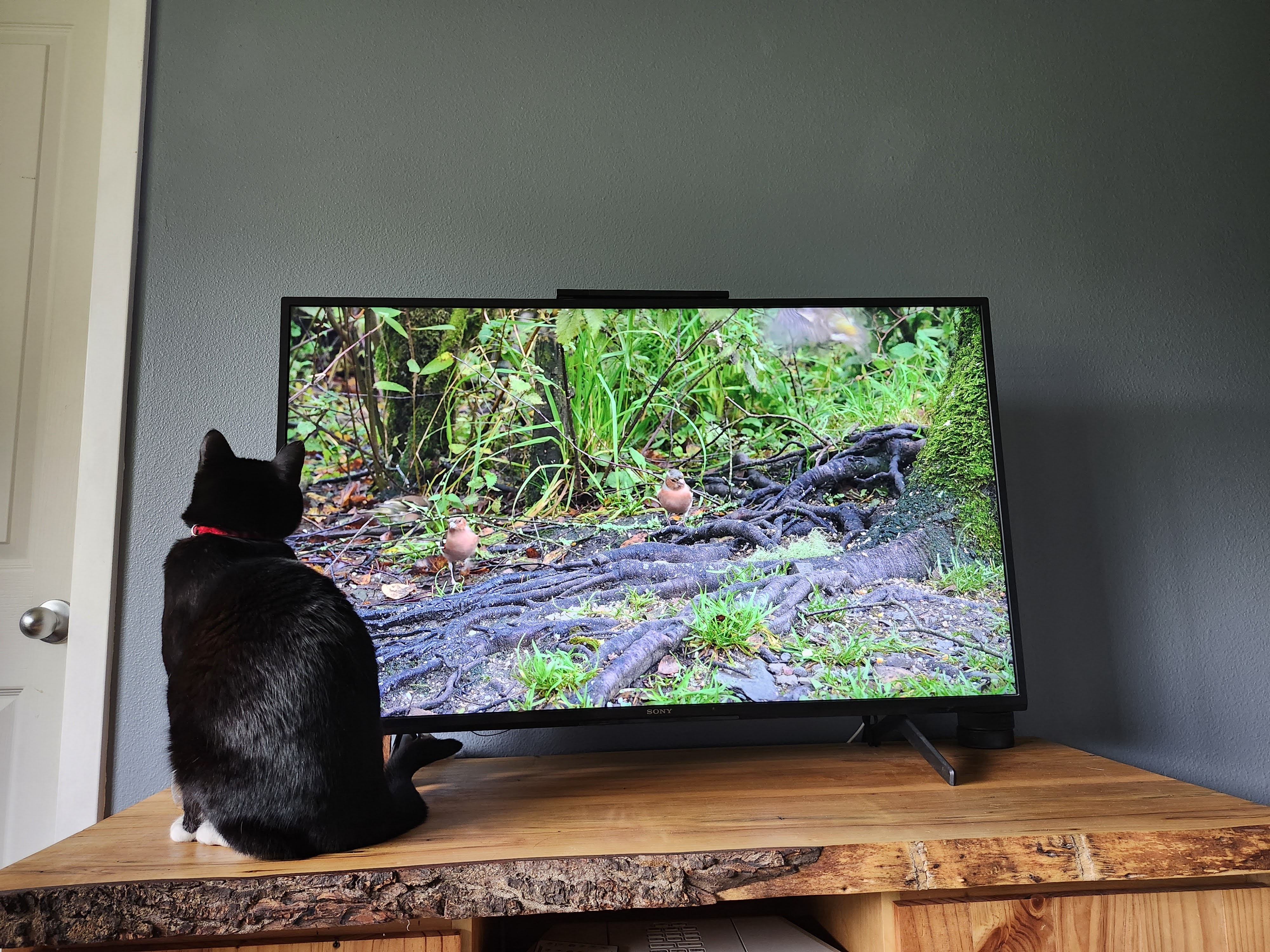
Another solid choice is Birder King, which has around 270 videos. The couple of videos I put on for Mira seemed to keep her interest. Most of these videos are over five hours long, so you can turn them on for your cat before you leave on an errand. The channel also offers five “live” streams, which theoretically will keep playing for days after you leave.
Another channel Mira enjoyed was Handsome Nature, which has around 2800 videos of Canadian landscapes with various animals. There are videos and playlists specifically for cats, making it easy to find something your feline will enjoy.
All the above channels are focused on nature footage, but that’s just one genre of videos for cats I found. The other are animated films, typically involving objects moving in a way that’s designed to get a cat’s attention (think laser pointer). TV Bini and Cat Games are two of the more popular channels in this lane.
These videos aren’t peaceful to leave on in the background—they’re frantic. I personally hated them. Mira—apparently a feline cinephile—seemed to agree and left the room when left on. Your cat may be less sophisticated than mine, so give those channels a chance if your cat isn’t interested in the natural videos.
