
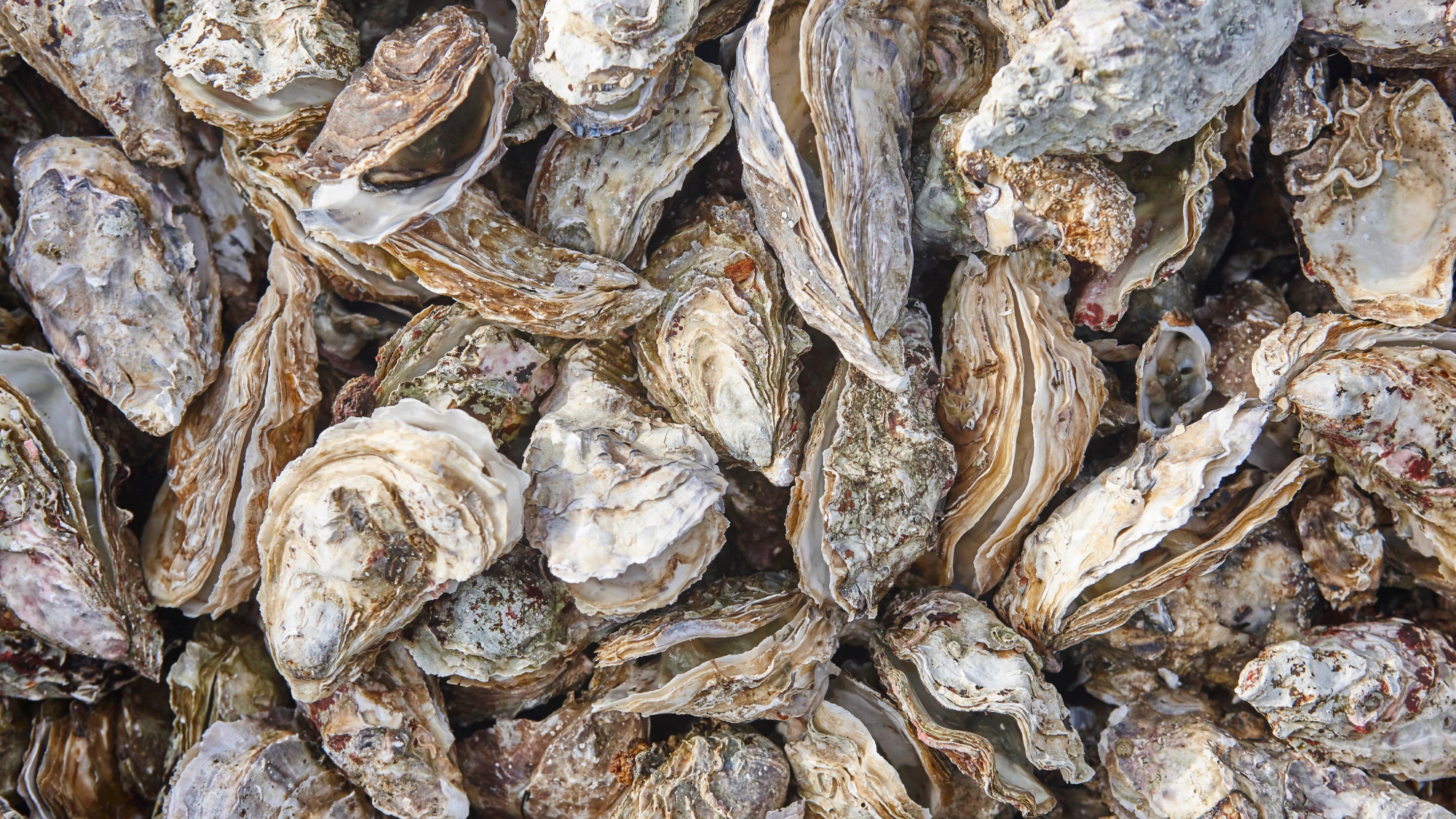
Oyster larvae that grow in water with traces of common drugs such as cocaine, ketamine, and fentanyl are slower swimmers that appear more stressed. This new research indicates that the common drugs do have an effect on oyster larvae that are found in contaminated water. The results were presented this week at the Society for Risk Analysis’ annual conference and published in the journal Scientific Reports.
All sorts of pharmaceuticals, from pain relievers to illegal drugs, can make it into the water supply via human excretion, manufacturing plants, or if they are flushed down the toilet. While that water does go through wastewater treatment, pharmaceuticals can pass right through. One multi-year study from the United States Geological Survey found that wastewater near pharmaceutical manufacturing facilities had 10 to 1,000 times higher concentrations of pharmaceuticals than other wastewater.
To better understand the toxicity of these materials in saltwater environments, a team from the University of Massachusetts Lowell studied three commonly detected psychoactive drugs on the larvae of farmed Eastern oysters. They looked at fentanyl (a synthetic opioid), ketamine (an anesthetic drug), and benzoylecgonine (a byproduct of cocaine), to see how the drugs affect swimming and survival on young oysters.
For over two weeks, the three-day-old larvae were exposed to concentrations of the drugs similar to what they might experience in a natural, saltwater setting. Some of the larvae were also exposed to higher concentrations of the different drugs for 12 hours at a time, and the team measured stress biomarkers within their genes.
After two weeks of exposure, survival declined across the board. The cocaine byproduct benzoylecgonine was responsible for the greatest drop in survival rate (62 to 76 percent lower than normal). The larvae that were exposed to ketamine had significantly decreased swimming speeds, and many completely stopped moving. Their swimming motions also changed, with those exposed to fentanyl swimming in a more circular pattern.
The team also spotted changes in the expression of four stress biomarker genes (mapk14, hsp70, sod1, and gst). The larvae exposed to benzoylecgonine had a seven-fold increase in sod1 expression after four hours. This increase indicates that the oyster larvae were responding to stress.
Oysters in particular are vital for their role in aquaculture, as storm barriers, and in helping clean out polluted waterways. In one day, an oyster can filter up to 50 gallons of water, making their health vital to a watershed’s cleanliness. According to the team, these findings highlight the need for more ecological risk assessment for these contaminants in marine ecosystems to better protect oysters and other crucial organisms.
