
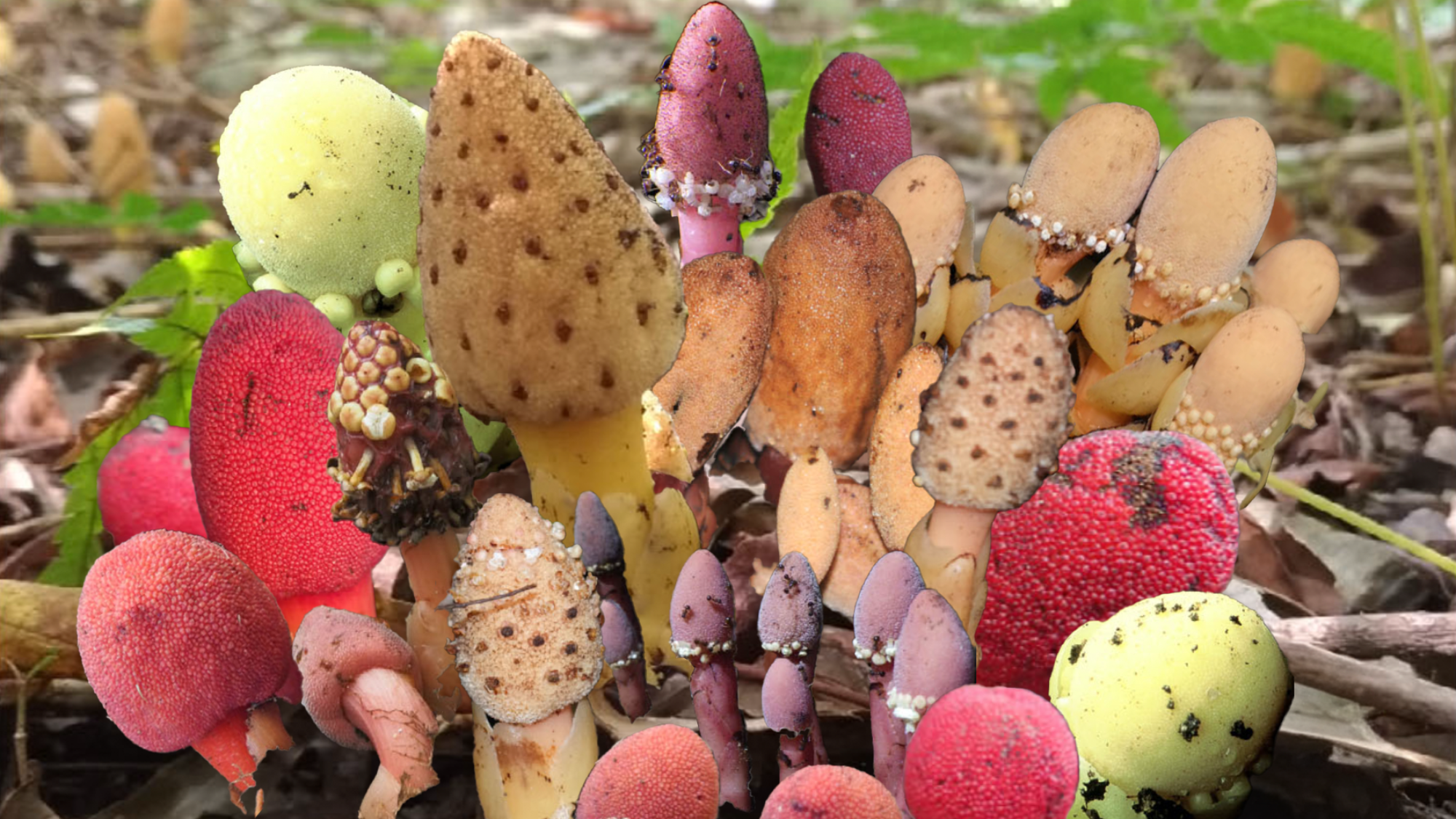
Photosynthesis. Learning how plants use the sun and water to make their own food is a staple of biology class and makes life on Earth possible. Still, not all of the over 300,000 known plant species are food-producing powerhouses that reproduce sexually. Instead, plants like those in the genus Balanophora are asexual parasites. These alien-esque plants challenge the very foundations of plant biology.
“My long-standing aim is to rethink what it truly means to be a plant,” Kenji Suetsugu, a botanist at Kobe University in Japan, said in a statement. “For many years I have been fascinated by plants that have abandoned photosynthesis, and I want to uncover the changes that occur in the process.”
Suetsugu is the co-author of a study recently published in the journal New Phytologist that dives into the world of these asexual parasites. Balanophora species are considered an extreme example of non-green plants that feed off the roots of others. They mostly live underground and are found in tropical regions across Africa, South Asia, and Southeast Asia. In the mountains of Taiwan and Japan, they grow at the base of mossy trees, often looking more like a mushroom. The plants have the smallest flowers and seeds in the world and only come up during the flowering season from July through October.
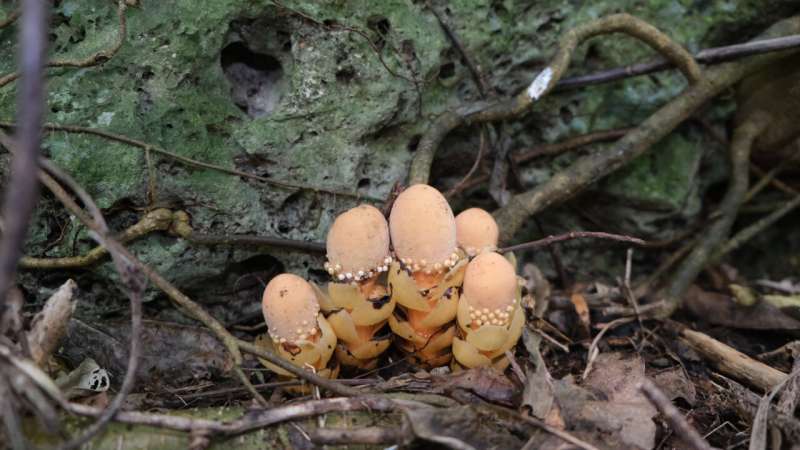
Some Balanophora species do reproduce sexually, while others are exclusively asexual. However, it is still unclear how changes in the plants’ genomes affect their ecology and reproduction. For this new study, Suetsugu and his partners at the Okinawa Institute of Science and Technology analyzed three main components of Balanophora evolution. They needed to understand how the plants of that group whose genes have changed for asexual behavior relate to each other. Then, they looked to see how these genes modified the part of a plant’s cell that works like a solar panel and absorbs sunlight in green plants called plastids. Finally, they need a better picture of how reproduction fits into their ecology.
According to Suetsugu, the biggest challenges were simply finding the plants. “These plants are rare, patchy and often restricted to steep, humid forests. But years of experience with studying Balanophora both in the lab and in field studies, as well as long-standing relationships with local naturalists made this project possible,” he said.
They found that Balanophora plants have an extremely limited plastid genome, where green plants absorb sunlight. This reduction in genetic material likely happened in their common ancestor, before the plants diversified into several different species. Most parasitic plants tend to lose genes in theirr plastids as they become more reliant on their host plants. However, even though Balanophora are completely dependent on their host trees for food, they still have some plastids.
“It is exciting to see how far a plant can reduce its plastid genome, which at first glance looks as though the plastid is on the verge of disappearing,” said Suetsugu. “But looking more closely we found that many proteins are still transported to the plastid, showing that even though the plant has abandoned photosynthesis, the plastid is still a vital part of the plant’s metabolism.”
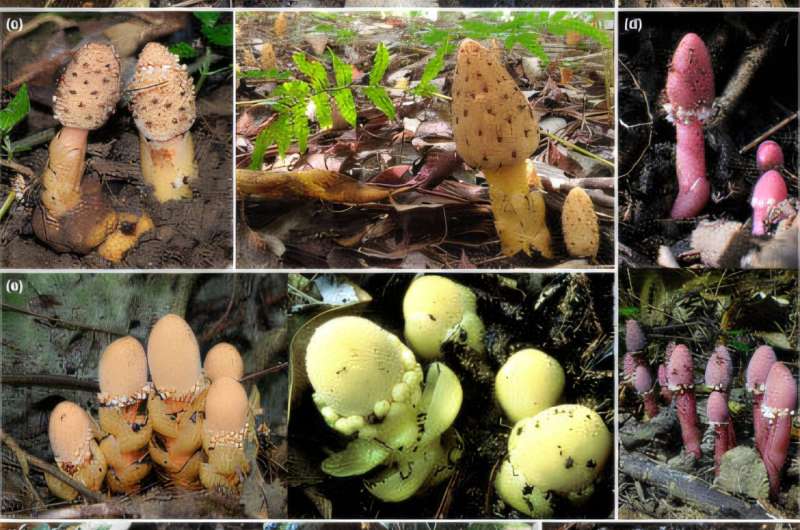
As far as their asexual reproduction, that likely evolved multiple times in the group. The plants possibly evolved the additional ability to create seeds without fertilization early on in their evolution and it was an advantage as they colonized the archipelago spanning from mainland Japan via the island of Okinawa further south to to Taiwan.
“Over the past decade I have studied Balanophora pollination and seed dispersal where camel crickets and cockroaches play an unexpected role, but I also noticed that asexual seed production often ensured reproduction when mates or pollinators are scarce,” explained Suetsugu.
Eventually, asexual reproduction might have become permanent in some Balanophora species.
In future work, the team hopes to connect these results with more biochemical data to see what the Balanophora plastids actually produce that creates food and how they help sustain these parasitic plants as they grow within their host’s roots.
“For someone who has spent many hours observing these plants in dark, humid forests, seeing their story unfold at the genomic level is deeply satisfying,” Suetsugu concluded.
