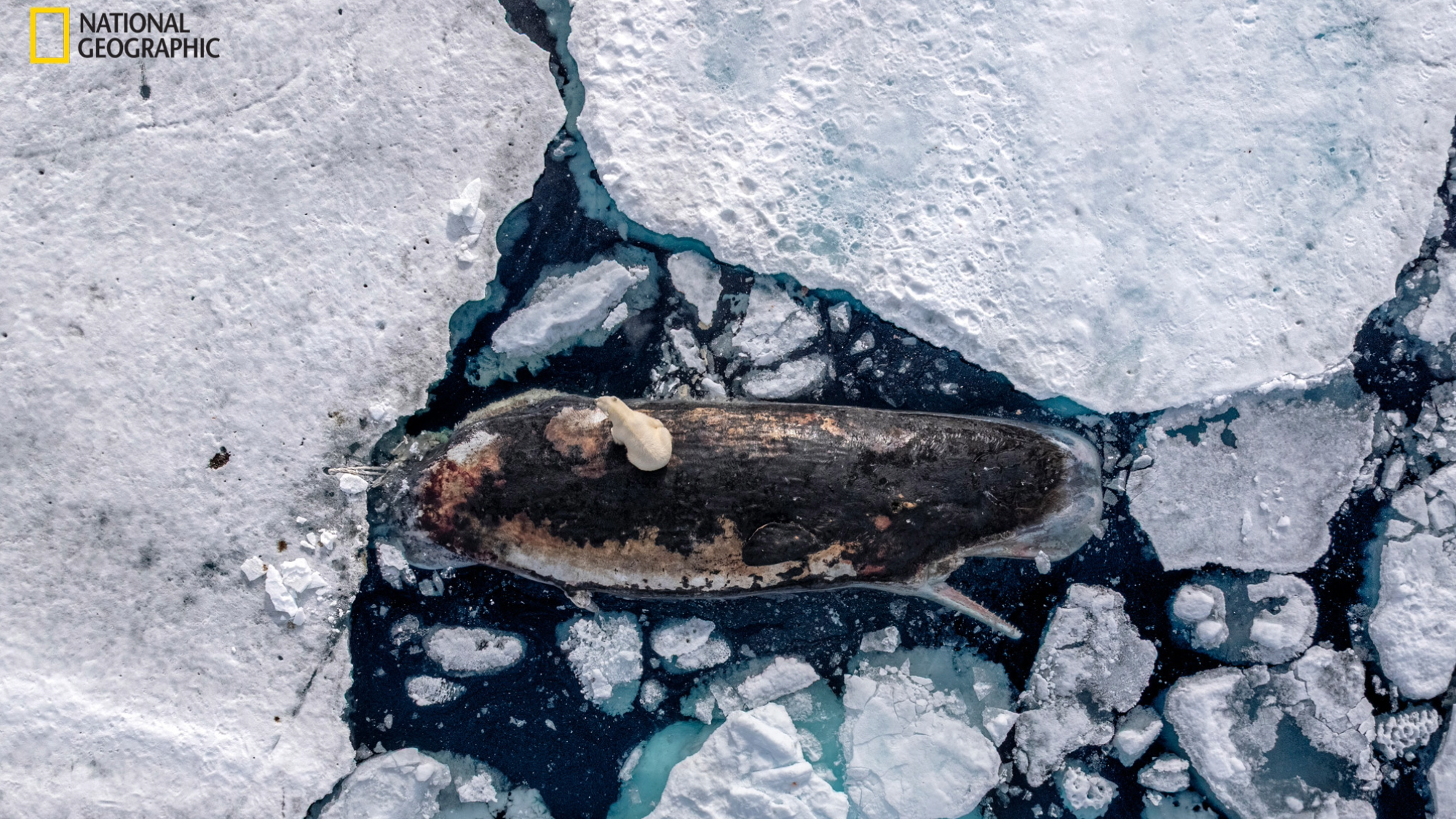
A sperm whale floats amid shards of polar pack ice, dead and decomposing, mouth hanging open. When photographer Roie Galitz captured the scene with a drone, the image was so arresting that it took a moment to notice the hungry female polar bear stretching her jaw to break through the whale's leathery skin. Galitz was leading a photography expedition along Norway's Svalbard archipelago when he spotted a blackened blob floating on the horizon. As the icebreaker drew close, he could see (and smell) that the blob was a massive decaying carcass releasing an occasional exhalation of noxious gas, "like a big air cushion." The encounter raised a curious question: What was a sperm whale doing here? The species prefers temperate climes, but as Arctic waters warm, some whales are moving beyond their traditional range. Strong currents and winds might also have pushed it north, a happy surprise for both Galitz and the bear, which worked hard for the feast. "You can see she's trying to get in and get through, but the hide is just so thick."
Photo by Roie Galitz
Get the Popular Science daily newsletter💡
Breakthroughs, discoveries, and DIY tips sent six days a week.
A jaguar that snuck up on a photographer trying to spot an armadillo, a polar bear sitting on a sperm whale, and more take center stage in this year’s Pictures of the Year from National Geographic.
“Pictures of the Year is a project that is always inspiring and thought-provoking,” said Nathan Lump, editor-in-chief of National Geographic. “Each year, our photographers and editors sift through thousands of images, searching for those rare moments that stop us in our tracks. Individually, these photographs speak to beauty, fragility, and wonder. Taken together, I see a collective sense of urgency — a call to preserve what’s in danger of being lost, as well as a reminder of the poetic beauty to be found in carrying on, in daring to dream of a better future.”
A sample of this year’s incredible photographs are listed below (Click to expand images to full screen.) For more on this story visit natgeo.com/photos.
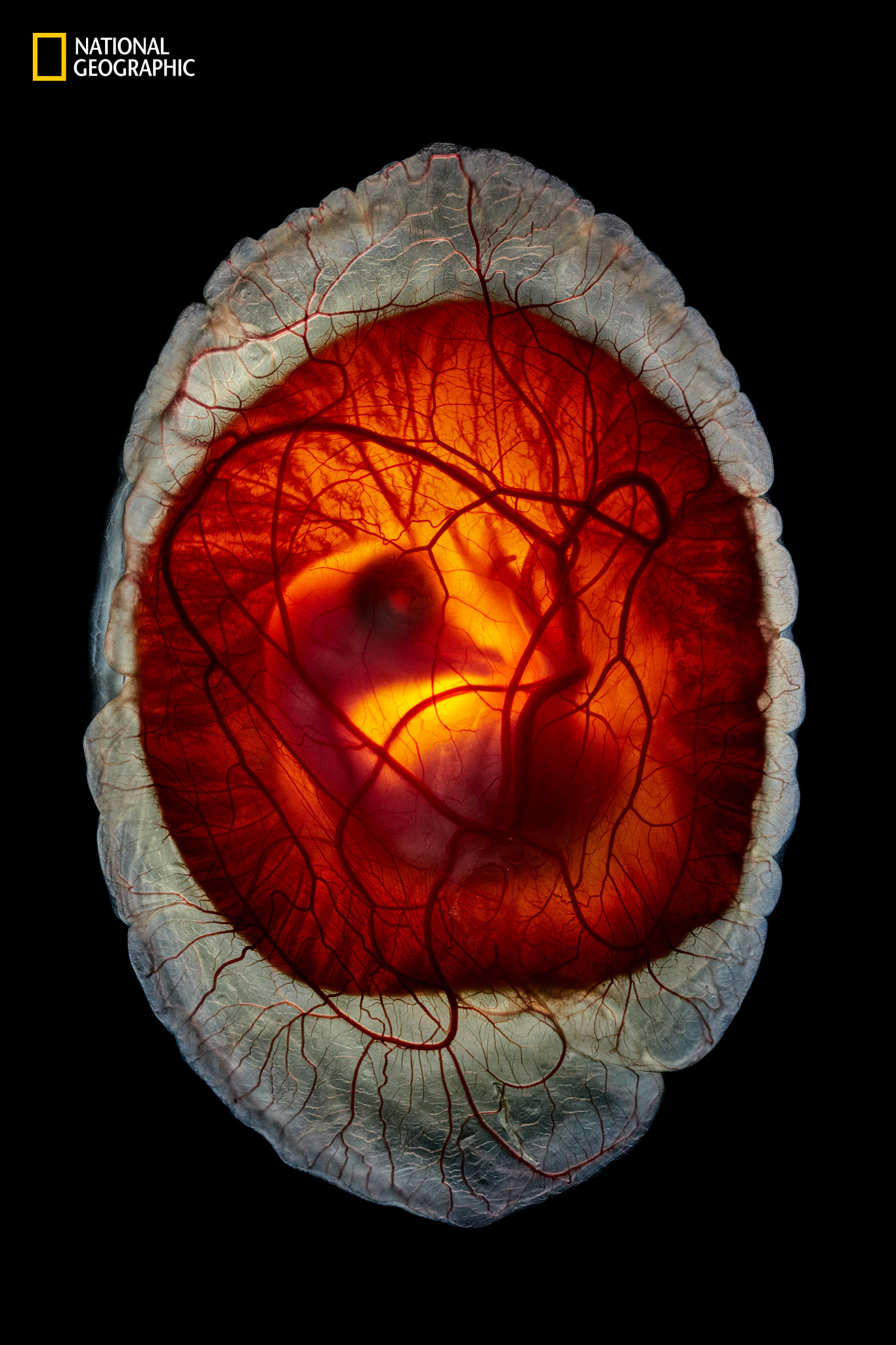
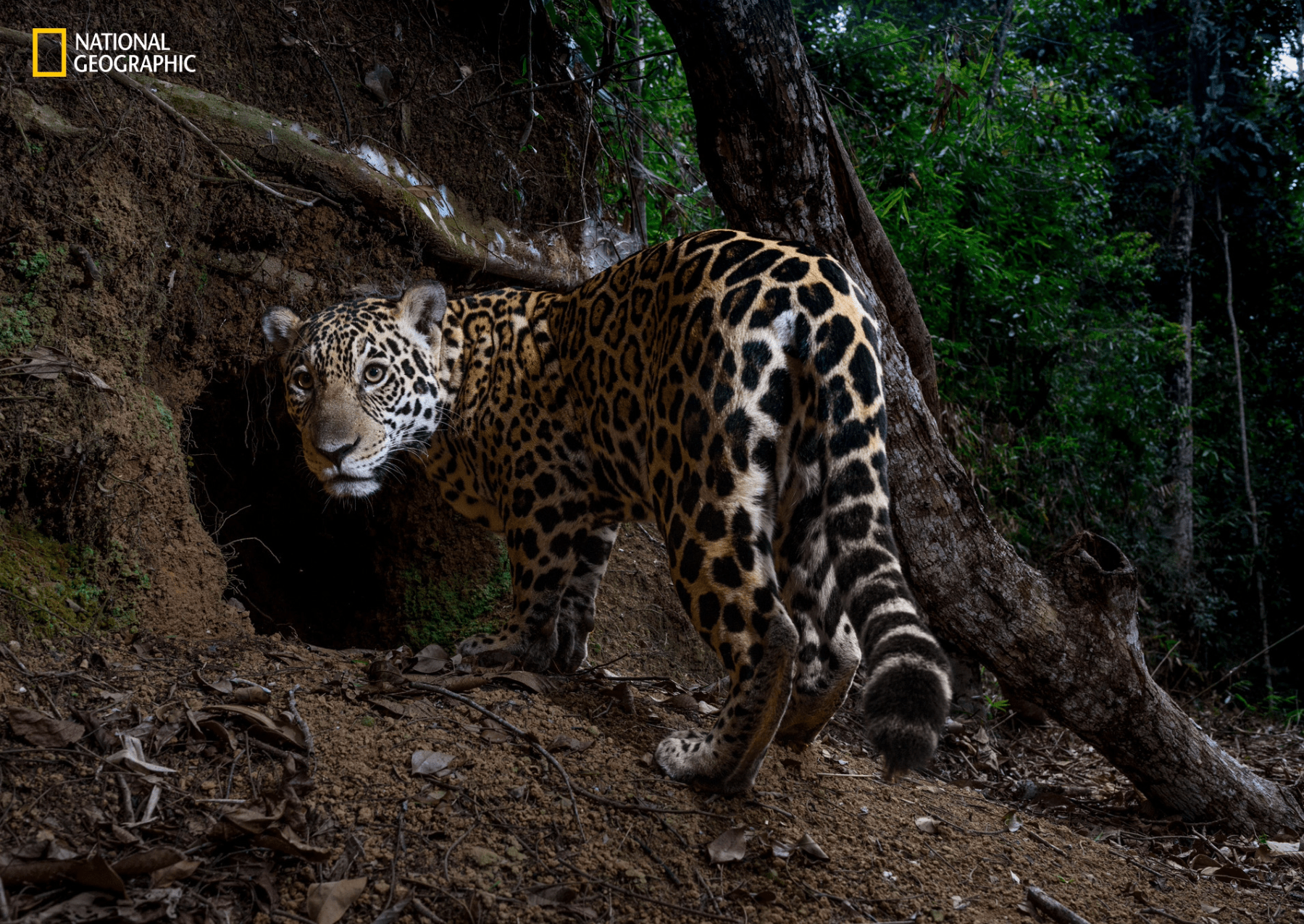
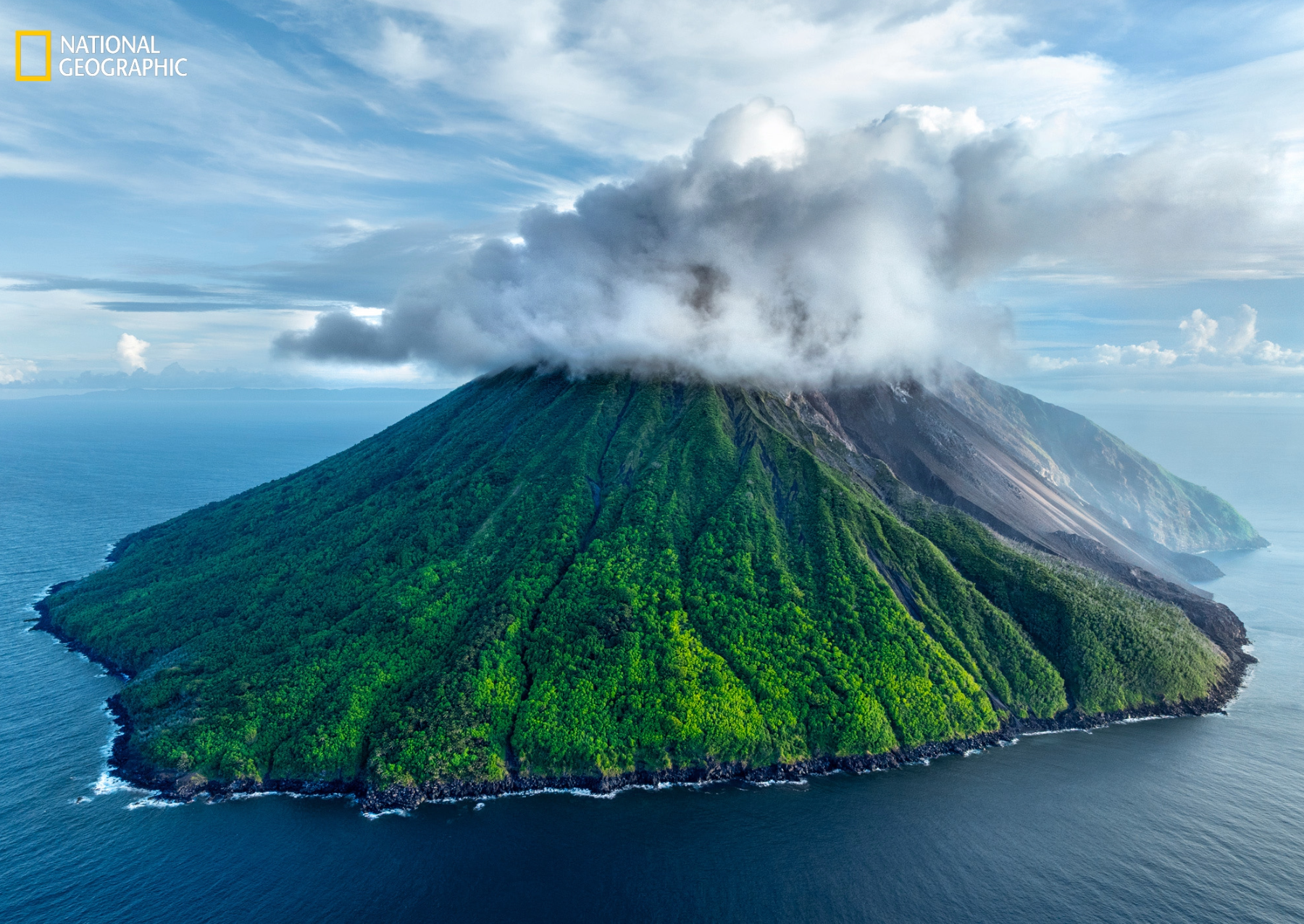
Diego Paredes, standing on the saddle Diego Paredes, standing on the saddle of his horse, Lobuno, surveys a formerly bustling trade route that cut through this picturesque valley in northern Argentina. With his brother Hugo, Diego takes pride in the new life they bring to the land by leading educational horseback tours with their company, Renaciendo Costumbres (Reviving Traditions). Image: Photo by Natalis Favre.For years, photographer Anand Varma has attempted to document when an egg yolk can still be seen but a bird form has clearly emerged. He experimented by incubating embryos in artificial shells before finally capturing the transformation at 12 days old. Varma separately raised some embryos to chicks, which he donated to people in the community. Image: Photo by Anand Varma.While monitoring the burrow of a rare giant armadillo in Brazil’s Atlantic Forest, photographer Fernando Faciole came face-to-lens with a different vulnerable animal: the jaguar. Severe deforestation has decimated the population here, and today fewer than a dozen jaguars may remain in the state park where Faciole took this image. Image: Photo by Fernando Faciole. The Solomon Islands are home to some of the most diverse coral reefs on the planet. Earlier this year, the island nation pledged to preserve 59 million acres of its marine waters—including the seas surrounding this lush isle–which make up part of a vital aquatic region called the Coral Triangle that spans six countries and contains 76 percent of the world’s coral species. Image: Photo by Manu San Félix.The cover of National Geographic’s 2025 Pictures of the Year. Image: National Geographic