
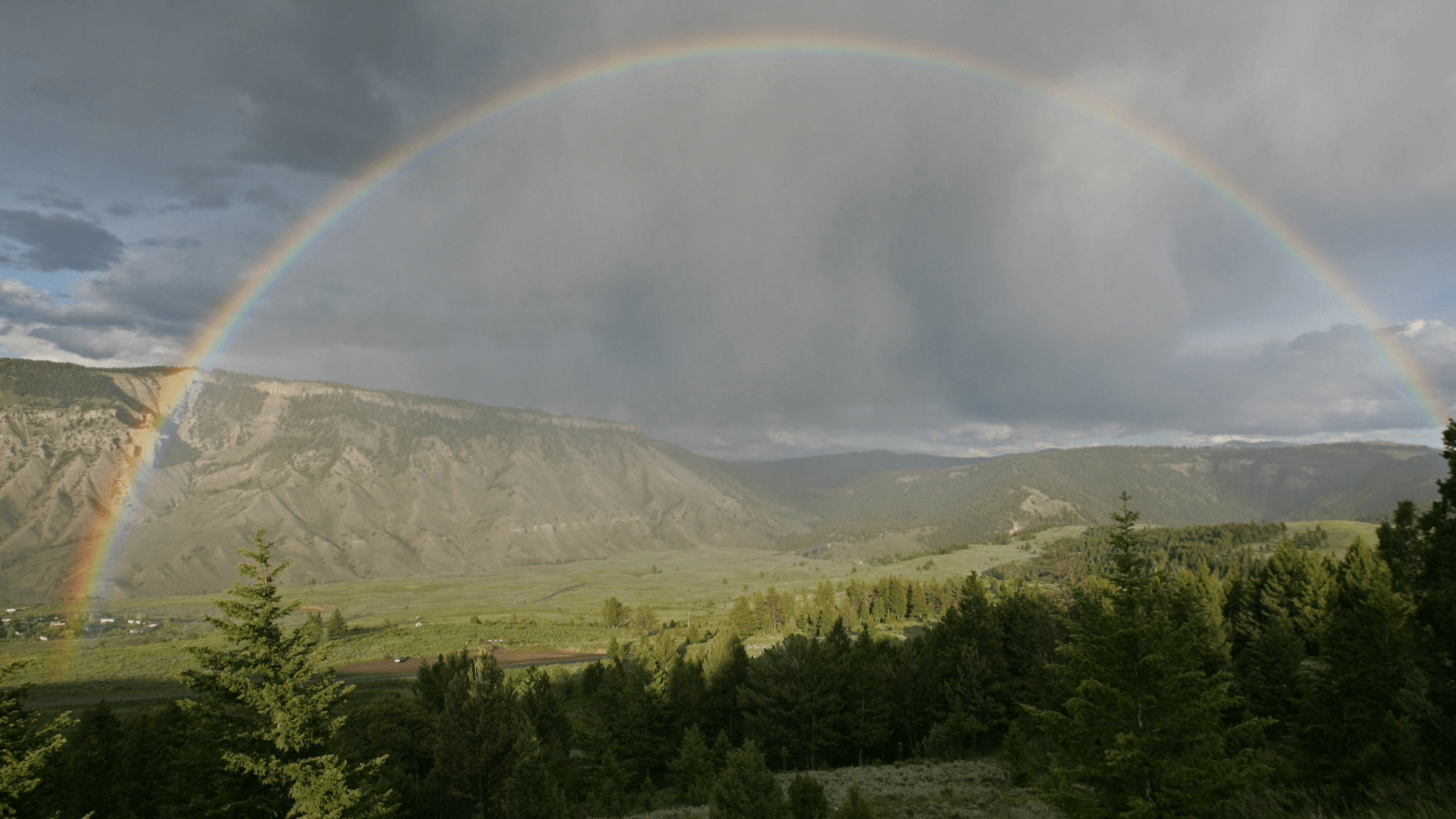
Last year, 4.8 million people ventured to Yellowstone National Park, one of the most famous of our nation’s “best ideas.” And it’s not surprising why. The park, spread across 2.2 million acres and three states, includes half of Earth’s active geysers, the Grand Canyon of the Yellowstone River, and stunning wildlife.
Ahead of the 2026 summer tourist season, Yellowstone National Park recommends following these 10 steps for making the most out of your visit. And remember what not to do when visiting any national park and to hold on to your hat.
No reservations
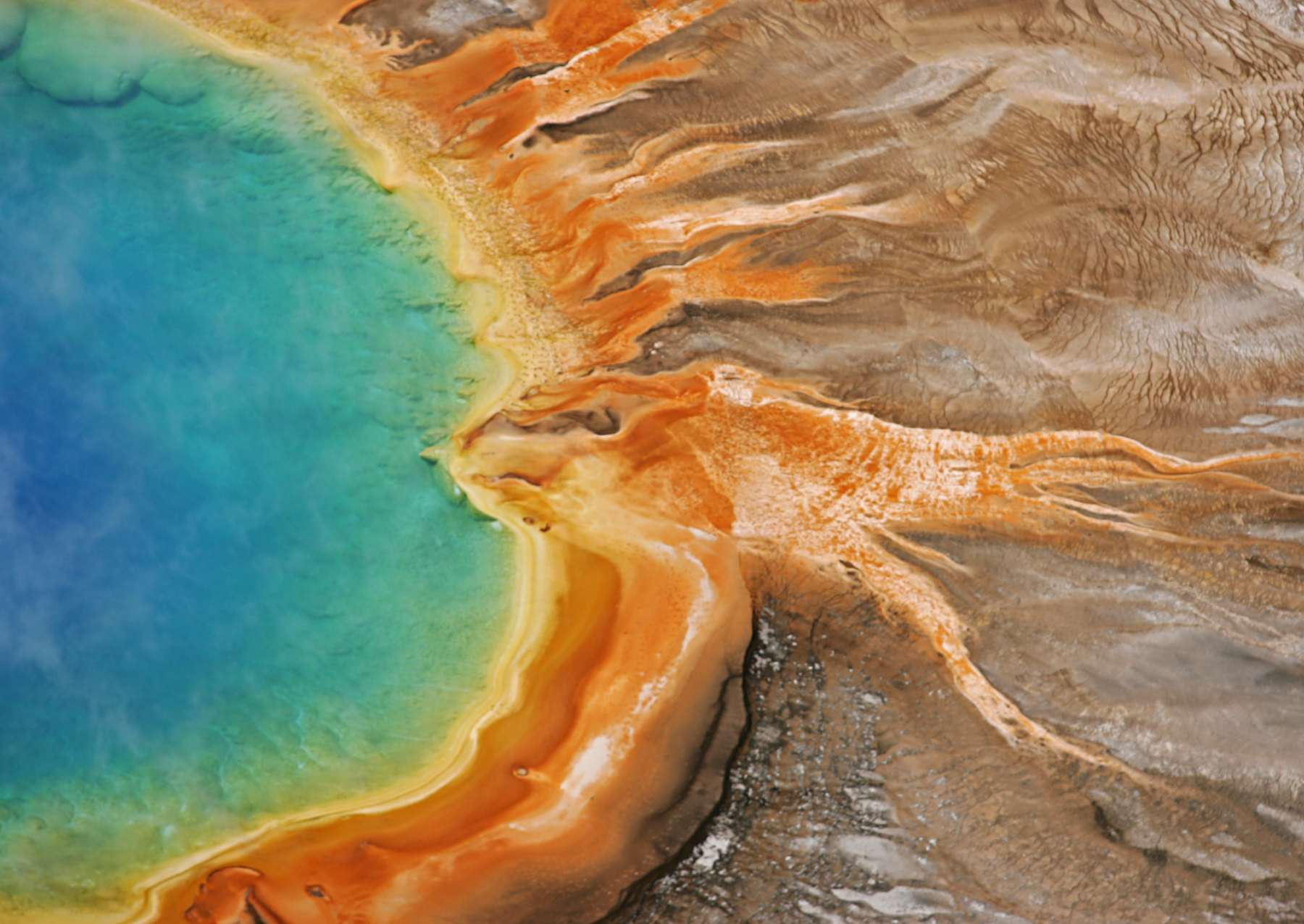
Unlike a trendy new restaurant or theme park, Yellowstone does not require a reservation to enter. Visitors just need a park entrance pass. However, it’s important to remember that the summer is very busy, so bring your patience along with that bear spray and be ready for crowds and lines at entrances.
Check road status
Most of Yellowstone’s park roads are open to personal vehicles in mid-April and will close in early November. Still, weather may temporarily close roads, so use Yellowstone’s website and app to check the status of park roads before arriving.
Plan, plan, plan
As with any popular tourist attraction, it pays to plan. While the park does not require reservations to enter, campgrounds and lodging do. Visitors often need to book well in advance, and operating hours and service levels may change with little notice. Check before you go for the latest on fishing permits, current weather, places to go, etc.
Give wildlife lots of space
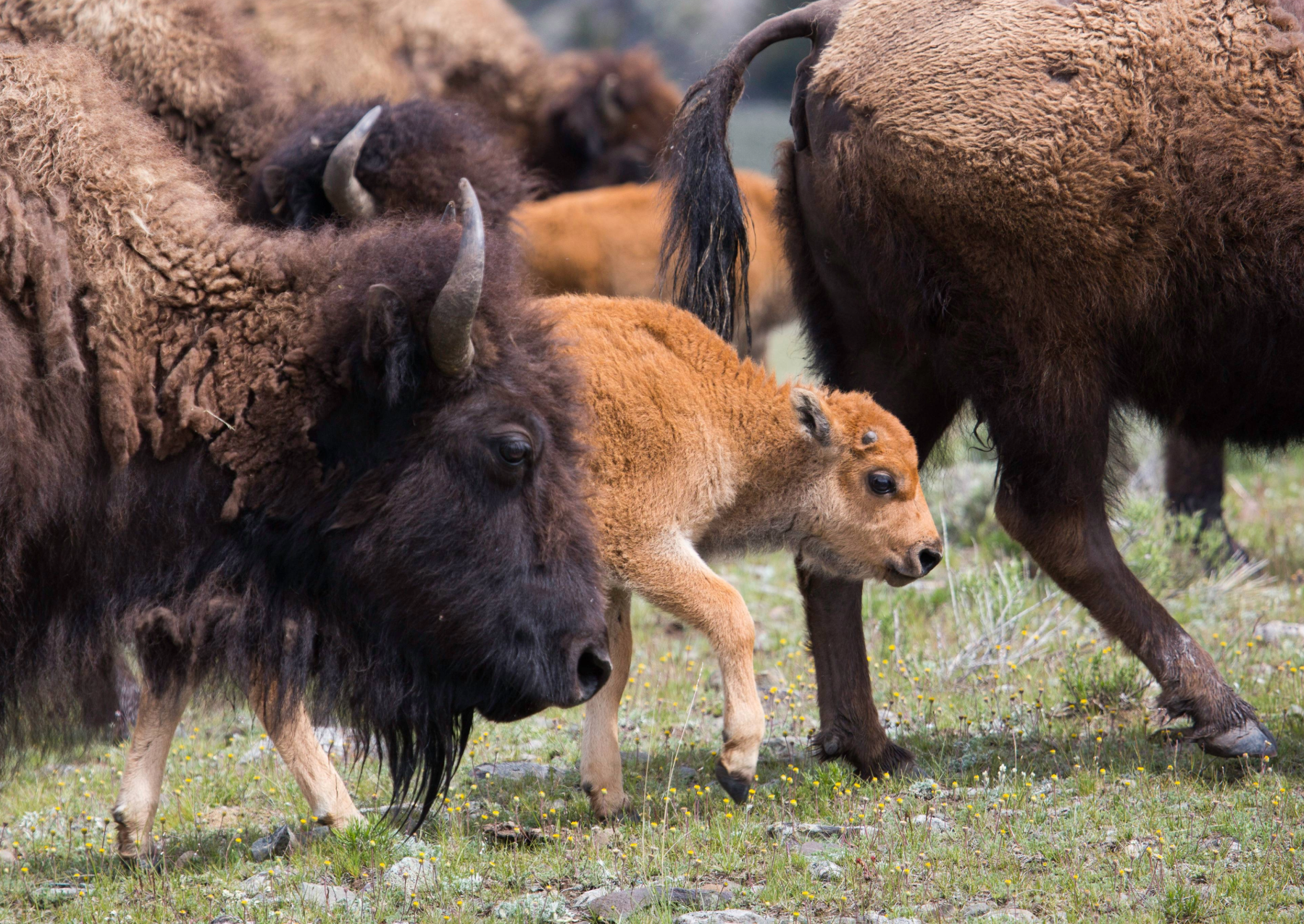
Yellowstone’s wildlife are one of the park’s biggest draws. But remember that wild animals are dangerous if you get too close. You must respect safety regulations and view them from a safe distance. Always maintain a minimum of 100 yards from predators like bears, wolves, and cougars and 25 yards from all other animals, including bison and elk. Also, all of Yellowstone is bear country, so carry bear spray and know how to use it before you go. You should also review how to watch wildlife safely and travel safely while in bear country.
Be a responsible driver (and parker)
Observe all of the posted speed limits and use the designated pullouts to watch wildlife, take pictures, and let other cars pass you. Also, do not stop your vehicle in the middle of the road. When pulling over, be sure to park with all four of your vehicles tires fully to the right of the white line.
Boardwalks are your friends
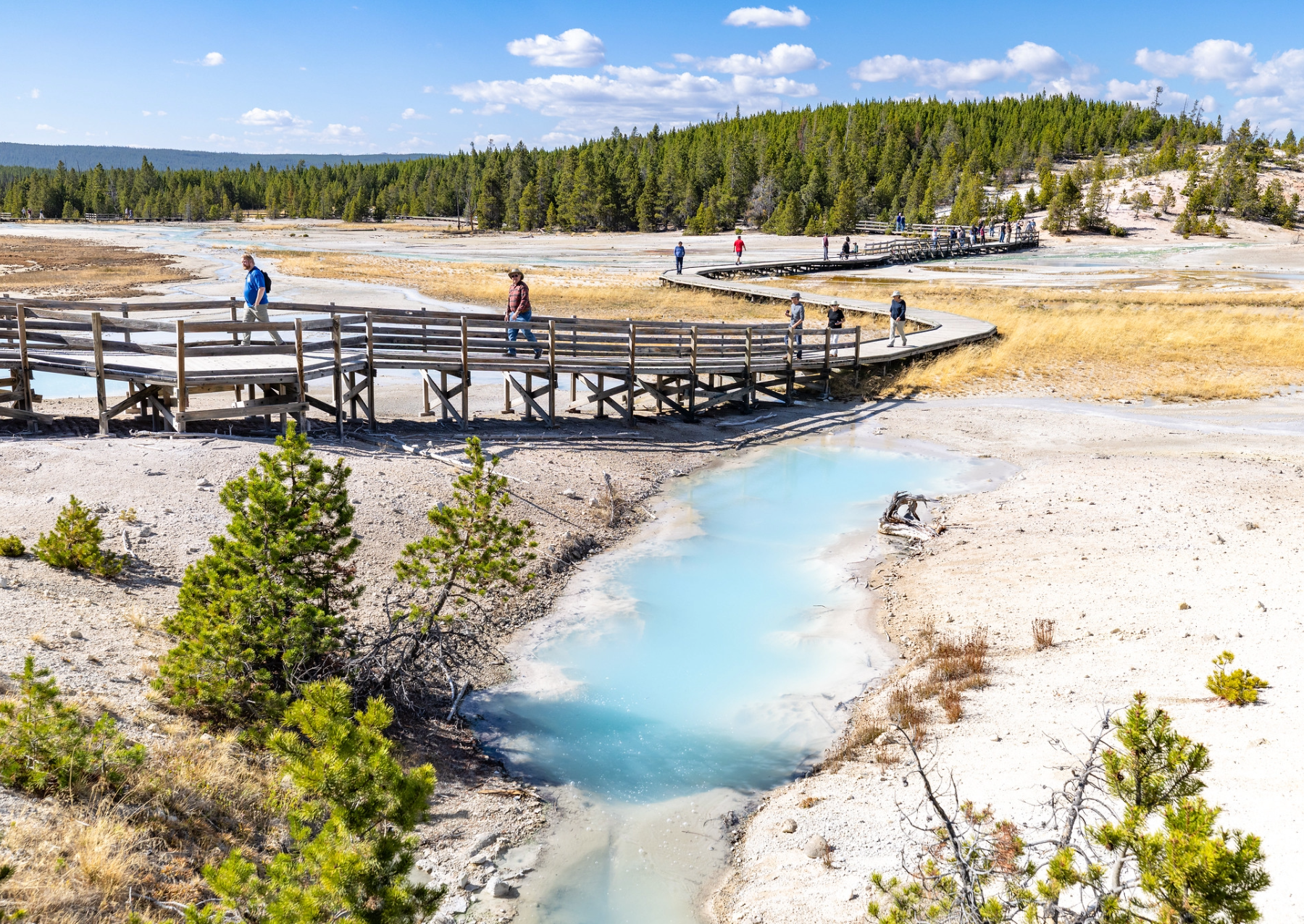
Please keep on the park’s boardwalks. People have been severely injured or even killed after stepping off of them into thermal areas. Here, the thin, fragile ground can suddenly give way, and visitors risk falling directly into scalding hot springs. The springs can reach temperatures of over 200 degrees Fahrenheit.
Unplug, but remember the app
Download the free National Park Service app (and all of the offline content) before you arrive in the park. The app has interactive maps, tours of park places, on-the-ground accessibility information, and more that can help enhance your visit.
Expect limited connectivity
That said, don’t be surprised if you can’t receive calls or texts, even in the few areas of the park that may have cell reception. This is why it is important to remember to download that map before entering the park.
Prepare for all kinds of weather
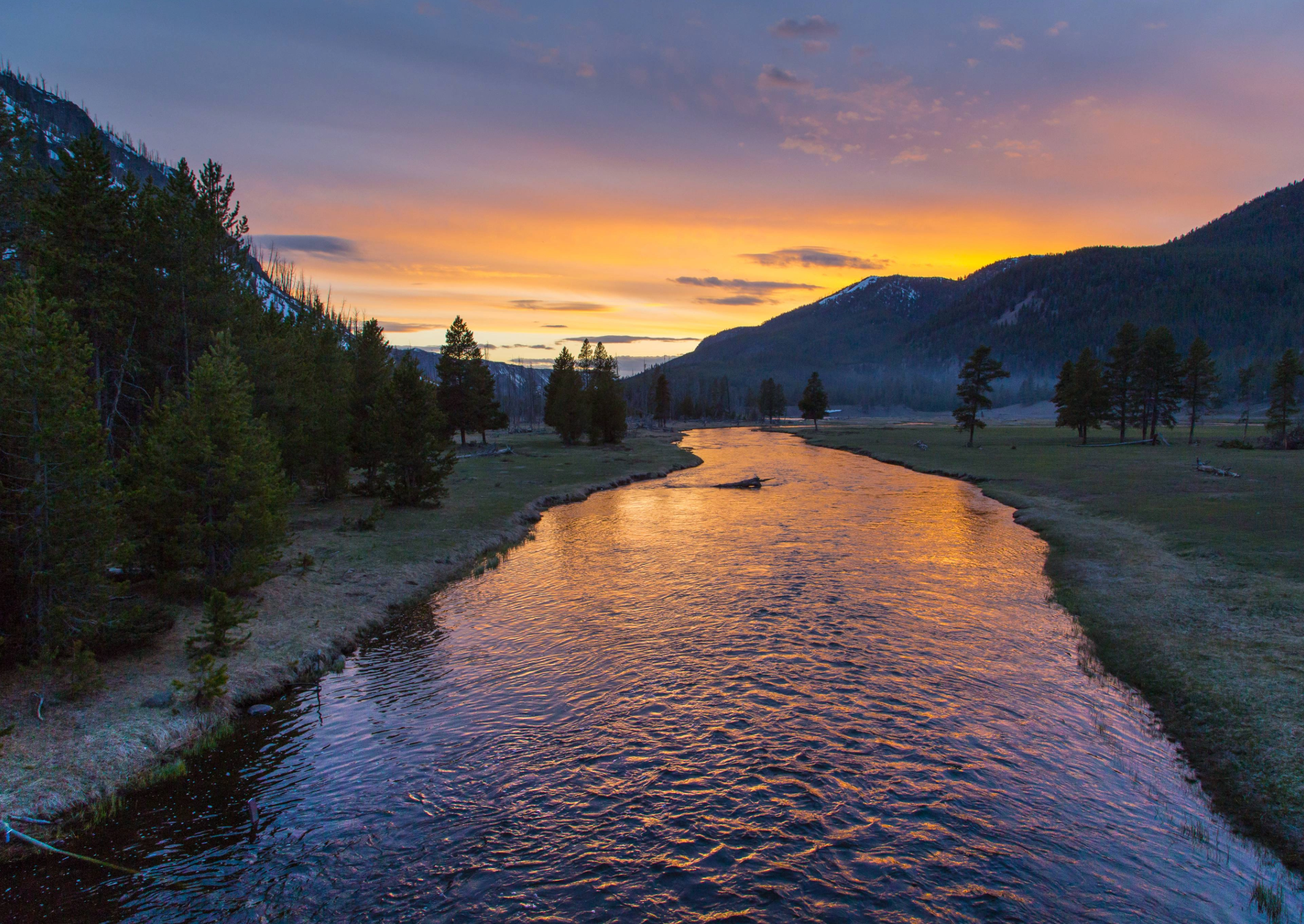
Yellowstone’s weather is unpredictable. You can expect big temperature swings, rain, or even snow during every month of the year. Make sure you have a warm jacket, rain gear, and several layers. You should also check current weather conditions before arrival. .
Branch out
Consider attending a ranger program, exploring the Yellowstone Tribal Heritage Center, or participating in the free Junior Ranger program are extra ways to make the most out of your trip.
