
We may earn revenue from the products available on this page and participate in affiliate programs. Learn more ›
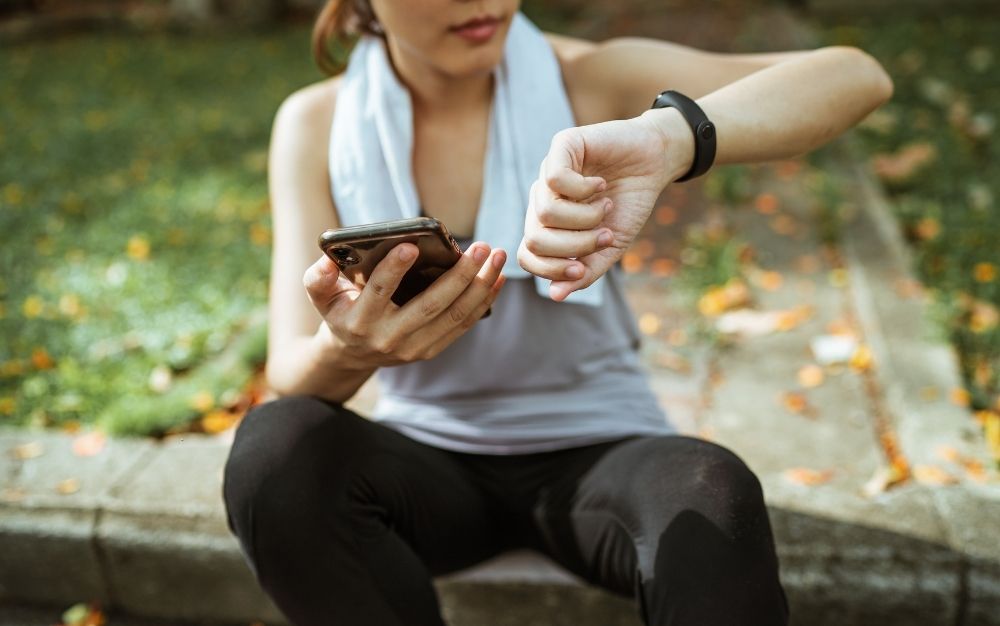
This spring, Apple Watches reached some of their lowest prices ever on Amazon. A likely culprit? Competition. A lot of shoppers are realizing that the best budget smartwatch could be just as useful as a more expensive model—if they home in on finding one with the features that suit their needs. Whether you’re in the market for the best fitness tracker or a wrist gadget with robust features like GPS, there’s a cheap smartwatch out there for you. From the step-counting Fitbit Inspire 2 to the pint-sized Garmin Vivofit Jr. 2, we’ve rounded up a list of the best budget smartwatch options you can put around your wrist without having to pay in installments.
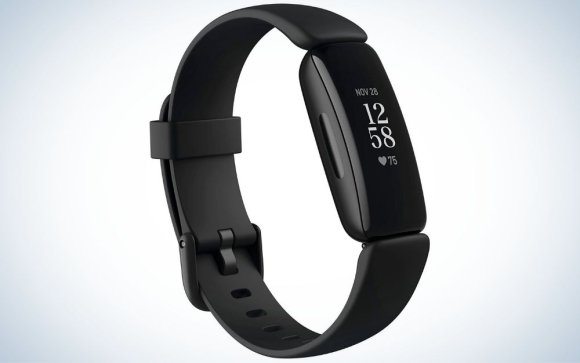
- Best for fitness buffs: Fitbit Inspire 2
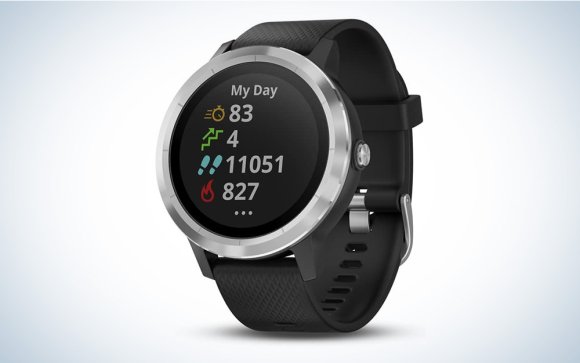
- Best for roving offline: Garmin Vivoactive 3
- Best for the fashion conscious: Willful Smartwatch
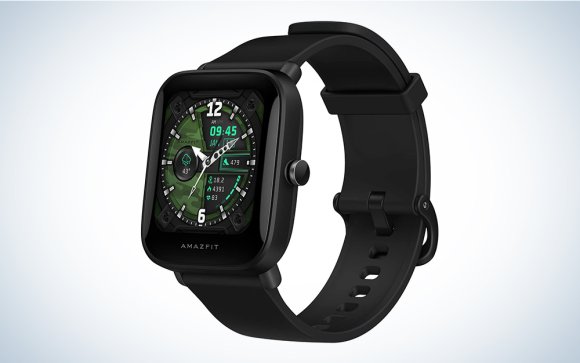
- Best for most situations: Amazfit Bip U Pro
- Best for kids: Garmin Vivofit Jr. 2
What to consider when shopping for the best budget smartwatch
The key to picking a smartwatch is focusing on how, where, when, and why you plan to use it. Features, sizes, styles, and uses vary greatly from brand to brand and even from device to device. Before you pull the trigger on a new smartwatch, review precisely how it will fit your specific needs.
Will you use it as a fitness tracker?
The best fitness trackers have come a long way since the days of dots measuring your daily step total. Even a cheap fitness tracker can supply data ranging from heart rate to mileage pace, calories burned to distance covered, sleep scores to stress levels. An ideal fitness tracker will be comfortable (silicon bands are common) and waterproof. After all, your activity of choice may be swimming or paddling—many budget fitness trackers are equipped to monitor such exercises—and you need a tracker that can withstand water.
Do you need advanced features like mobile payments?
More versatile smartwatches can, of course, track health data, too, but upping the size also gets you a bigger feature set. Are you hoping to use it to control your music? Tap to make a payment? Display your texts? This is all possible in the best budget smartwatches, but they may not all be available in a single device. So make your priority list, and go from there.
Do you want it to work without your phone?
Just as GPS can help you get anywhere you need to go, budget smartwatches from companies like Garmin are built to monitor your active lifestyle no matter where you wander. Want to listen to a five-hour playlist while on a hike? Additions like onboard storage and GPS let devices work even when there’s no cell tower in sight.
What device do you want to pair it with?
Once you’ve narrowed down the style of smartwatch that works for you, make sure it will be compatible with your phone. If you want more detailed health analytics and the ability to receive calls and other alerts, apps are essential complements. Nearly every offering will work with iOS and Android apps, but be sure to check compatibility.
Will a kid be the main person using it?
Sometimes a little extra motivation can go a long way, especially with kids. A smartwatch may feel like a toy to them—and, let’s face it, it kind of is—but the included activities just might make them more active. Since kids are still developing their sense of responsibility, shopping for the best cheap smartwatches is a wise move. Even budget smartwatch options can keep track of your kid’s movement—or whereabouts if it’s equipped with GPS. Colorful bands and color screens will also keep your kid happy.
Do you care how it looks?
Even when shopping for the best budget smartwatch, you have every right to expect to find something that’s as stylish as it is practical. Colorful band options and metallic trims around the watch face can go a long way toward making even a cheap smartwatch a desirable fashion accessory. But that doesn’t mean your smartwatch won’t have brains, too.
How much battery life do you need?
Longevity is the final key. Some watches have replaceable batteries that can last a year. Others have rechargeable cells that can run for several days or even several weeks. If you’re the kind of person who always forgets your USB cord, or who will constantly be running battery-draining apps, factor battery life heavily into your smartwatch buying.
The best budget smartwatches
The wearable landscape is a crowded place, but deciding what feature is most important to you—from fitness tracking to GPS for backcountry trekking—is the fastest way to winnow the field. Once you identify your No. 1 goal, additional things like killer design or mobile payments are gravy.
Best for fitness buffs: Fitbit Inspire 2
Modes That Motivate
See It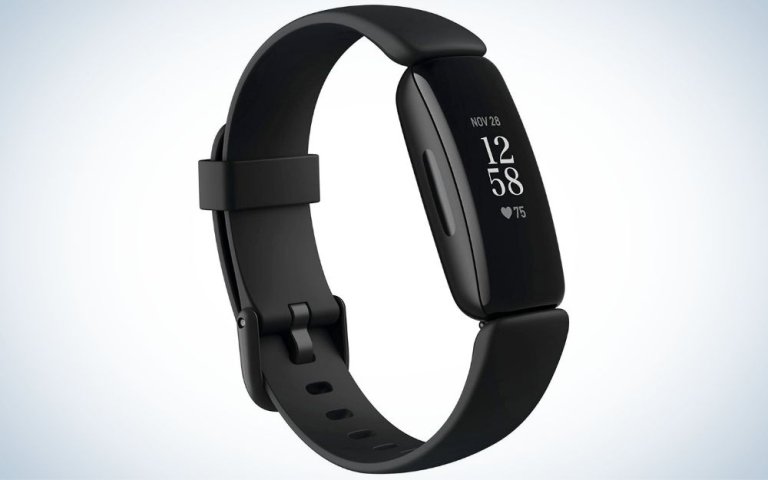
If seeing your heartrate climb in real-time motivates you to run a little faster, or if reviewing a full report on last night’s sleep encourages you to get to bed a little earlier, the Fitbit Inspire 2 could get you on track to better health. This best budget smartwatch offers challenges and milestone badges on your weekly pursuits of 150 heart-pumping minutes, whether you want to burn those calories in the pool or on the trail.
At night, it’ll measure your light, deep, and REM sleep. It can then assign a score that tells you just how recuperating your slumber was. Call, text, and calendar alerts sent to this Bluetooth-connected, full-featured but cheap fitness tracker mean you don’t have to take a break from work when you’re on the go. And with a lithium-ion battery that lasts 10 days per charge, the Fitbit Inspire 2 maintains as much energy as you do even as it works 24/7 to monitor your heart rate.
Best for roving offline: Garmin Vivoactive 3
Pay and Play
See It
With 15 preloaded sports apps—including running, cycling, yoga, and swimming—and smart notifications when paired with a smartphone app (compatible with iOS 12 or higher and Android 6.0 or higher), the Garmin Vivoactive 3 lets you stay on top of it all. Featuring Garmin Pay for contactless transactions, downloadable apps, thousands of custom watch faces and fields, plus fitness and stress monitoring, the Vivoactive 3 GPS smartwatch is great for the workday and the weekend warrior. There’s also a model sold with onboard music storage for phone-free listening. The watch can even keep an eye on how equipped you are to handle stress based on your VO2 max, heart rate variability, sleep, and recent activity. The battery lasts a week in smartwatch mode. It can last nearly two weeks in GPS mode, which tracks activity details without the need for a phone connection.
Best for the fashion conscious: Willful Smartwatch
Fashionable, Functional
See It
Yes, those attractive people in the gym who somehow look even more attractive when sweating on the treadmill may be annoying. But with the Willful Smartwatch, you can capture a little bit of their mojo. The matte band, in color options like plum, is beautiful. The watch face is sleek, and the smartwatch itself can track nine sports, including mountaineering and dynamic cycling. This IP68-rated watch can survive being submerged in up to a meter of water for 30 minutes. Plus it’s dust-tight. Built-in sensors automatically track your heart rate, and it can monitor everything you want to know about your workout. That includes everything from calories burned to miles run. Pair the watch with a smartphone app (compatible with iOS 8.0 and higher and Android 4.4 and higher), and you can keep tabs on incoming calls, monitor social media alerts, and switch up the music in your earbuds.
Best for most situations: Amazfit Bip U Pro
You’ll Love Sporting It
See It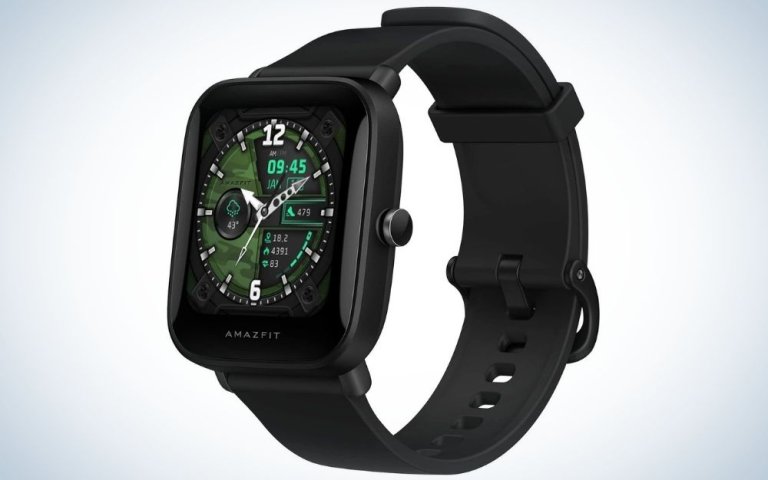
No, it’s not an Apple Watch. But you might fool your friends if they don’t look too closely. You can certainly awe them with the watch’s ability to track dozens of sports—from rowing to rope skipping to cricket. And as a GPS smartwatch, you can retrace your jogging route. You can also use the watch to set alerts, track your sleep, and even talk to Alexa, which is built in. If you mistakenly ask for Siri, we’ll understand.
Best for kids: Garmin Vivofit Jr. 2
Fitness Can Be Fun
See It
Your kids are likely to love the customizable color screen and Disney themes. You’ll enjoy the ability to set reminders for chores and homework. And you’ll both like how the smartwatch encourages activity: Achieve movement goals, and the wearer unlocks new Disney-themed adventures and games. The Garmin Vivofit Jr. 2, compatible with iOS 12 and higher and Android 6.0 and higher, has a replaceable battery that can last a year.
FAQs
The best cheap smartwatches are definitely worth it. They don’t, however, typically come packed with quite the same array of features. For instance, it’s hard to find a budget smartwatch equipped with a microphone to answer a call. But if you’re looking for something that will track your activity and keep you alerted to messages coming in, a budget smartwatch can more than deliver.
It’s hard to pin down exactly which brand of smartwatch is best. If you’re after a top-of-line fitness tracker, Fitbit is hard to beat, while Garmin can offer great versatility. Meanwhile, Amazfit is pumping out powerful watches that look and act like more expensive counterparts. At the end of the day, finding the best budget smartwatch for you is about finding the watch that has the features you will find most helpful.
Amazingly, there are a lot of great smartwatch options for under $100. But if pressed to choose one, we’d have to say the AmazFit Bip is pretty, well, amazing—especially for the cost. With more than 60 sport modes; notifications from calls, texts, and other apps; and the ability to monitor health details like blood oxygen levels, it really rises to the top.
Related: Feed that smartwatch a healthy amount of data with one of the best home gyms.
The final word on shopping for the best budget smartwatch
Finding the best budget smartwatch is really a style choice. Are you looking for a smartwatch that does it all—from health monitoring to email alerts? Or are you really focused on fitness? Once you know whether you are in the market for a cheap fitness tracker or the best cheap smartwatch, you can look for the features that matter. Battery life and phone compatibility are key, but also don’t neglect what’s going to make you happy. Whether a GPS smartwatch is more your speed or listening to music is more your jam will determine the kinds of features you need to prioritize when shopping for the best budget smartwatch.
