
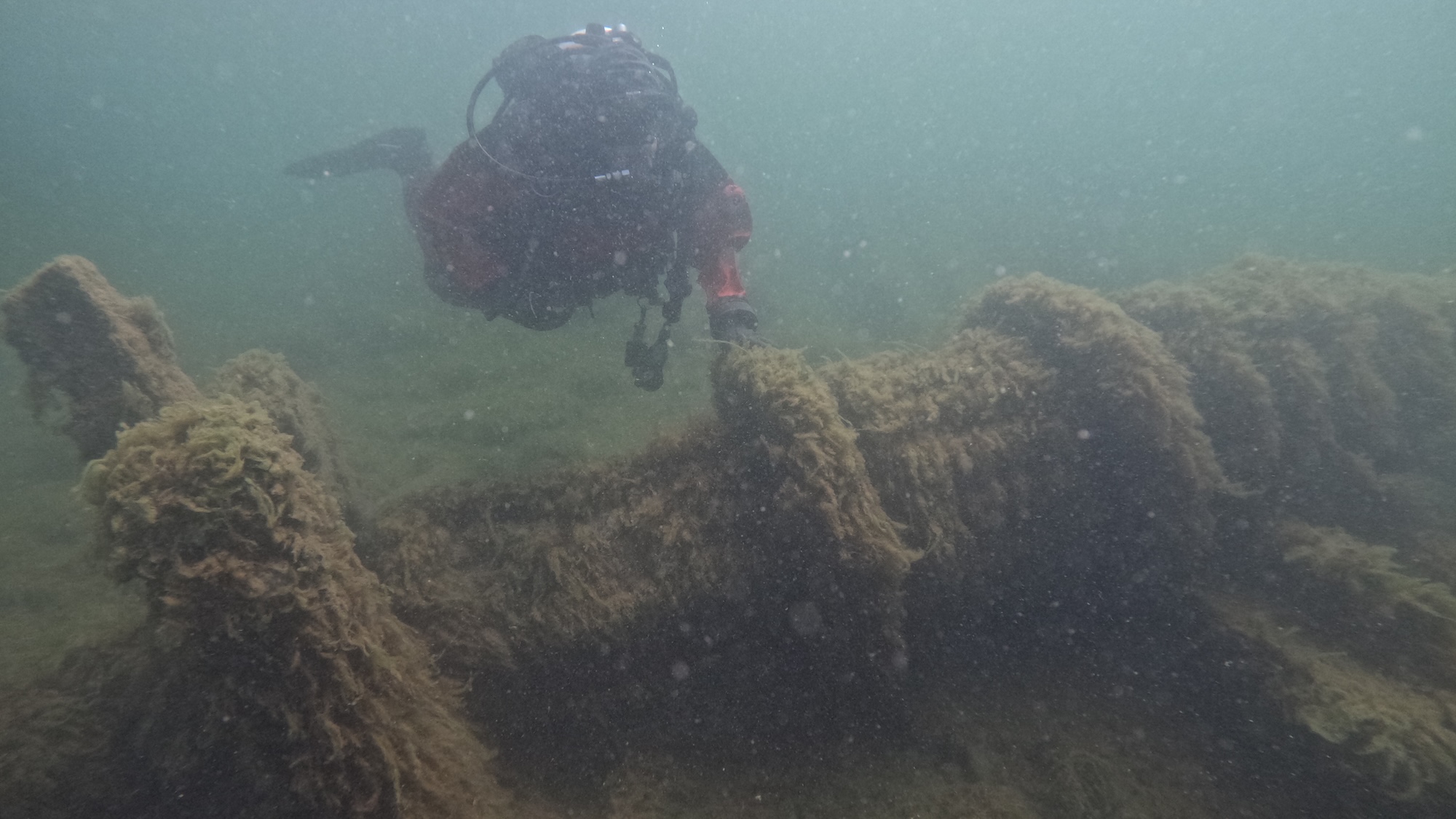
A Great Lakes tour guide recently discovered the remains of a massive, 138-year-old shipwreck near the northernmost tip of the Door County Peninsula in eastern Wisconsin. After noticing an inexplicable smudge on a satellite image of the region, Door County Adventure Rafting owner Matt Olson set off on a boating excursion to Lake Michigan’s Rowleys Bay armed with diving gear, sonar, and a waterproof camera. He then splashed into the murky water, and soon confirmed that the photo’s small discoloration represented something much larger.
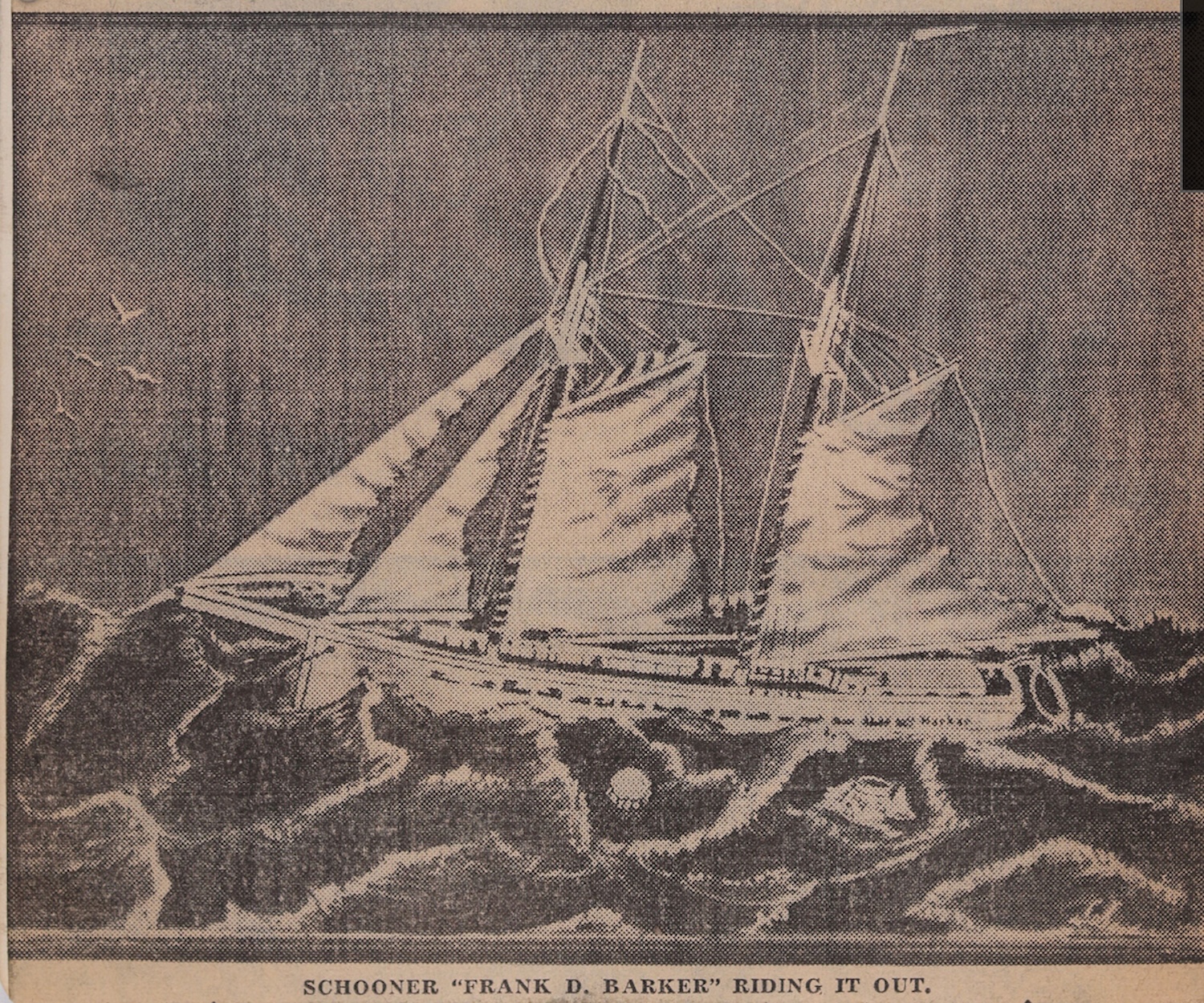
Olson shared his find with marine archaeologists at the Wisconsin Historical Society, who confirmed his suspicions: The wreck was the long-lost SV Frank D. Barker, a two-masted shipping vessel that offers a stark example of why most boats try to avoid the bay at all costs.
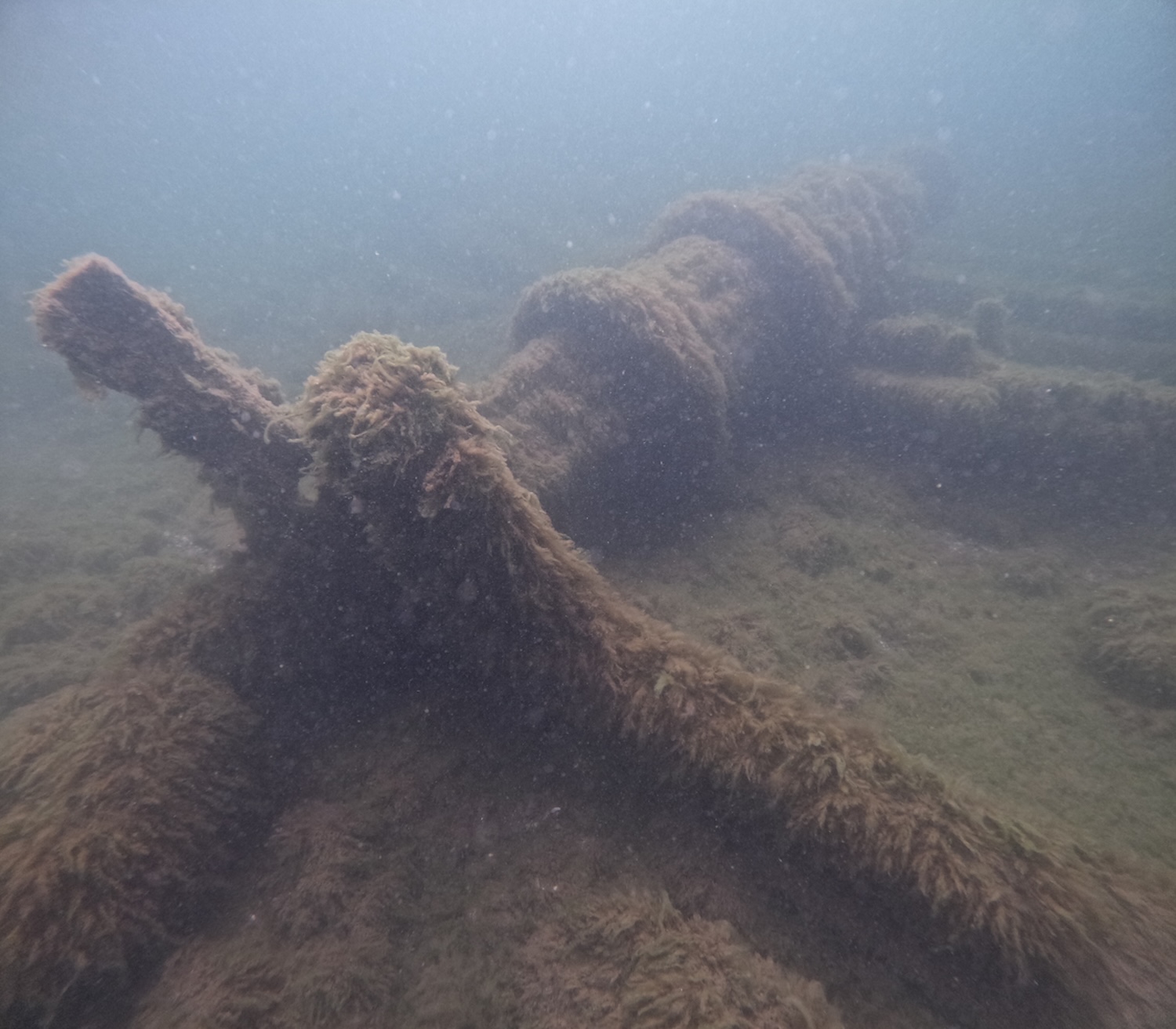
“It’s over 130 feet long,” he told Wisconsin Public Radio (WPR) on August 25. “When I saw how massive the wreck was, I was like, ‘How could no one have come across this at any point in time?’”
The answer is likely to do with just how the vessel wound up 24 feet below the lake’s surface in the first place. Rowleys Bay is punctuated by Barker Shoal, a limestone outcropping made even more dangerous thanks to the comparatively shallow waters.
The 137-foot-long Barker had been in service for 20 years when it set out for the town of Escanaba, Michigan, on October 1, 1887. The crew intended to reach the port to receive a load of iron ore, but ran into foul weather and foggy conditions that sent them off-course. At some point, the Barker struck the shoal and began taking on water. However, unlike so many other Great Lakes maritime disasters, everyone managed to escape and make it to nearby Spider Island, where they waited out the weather.
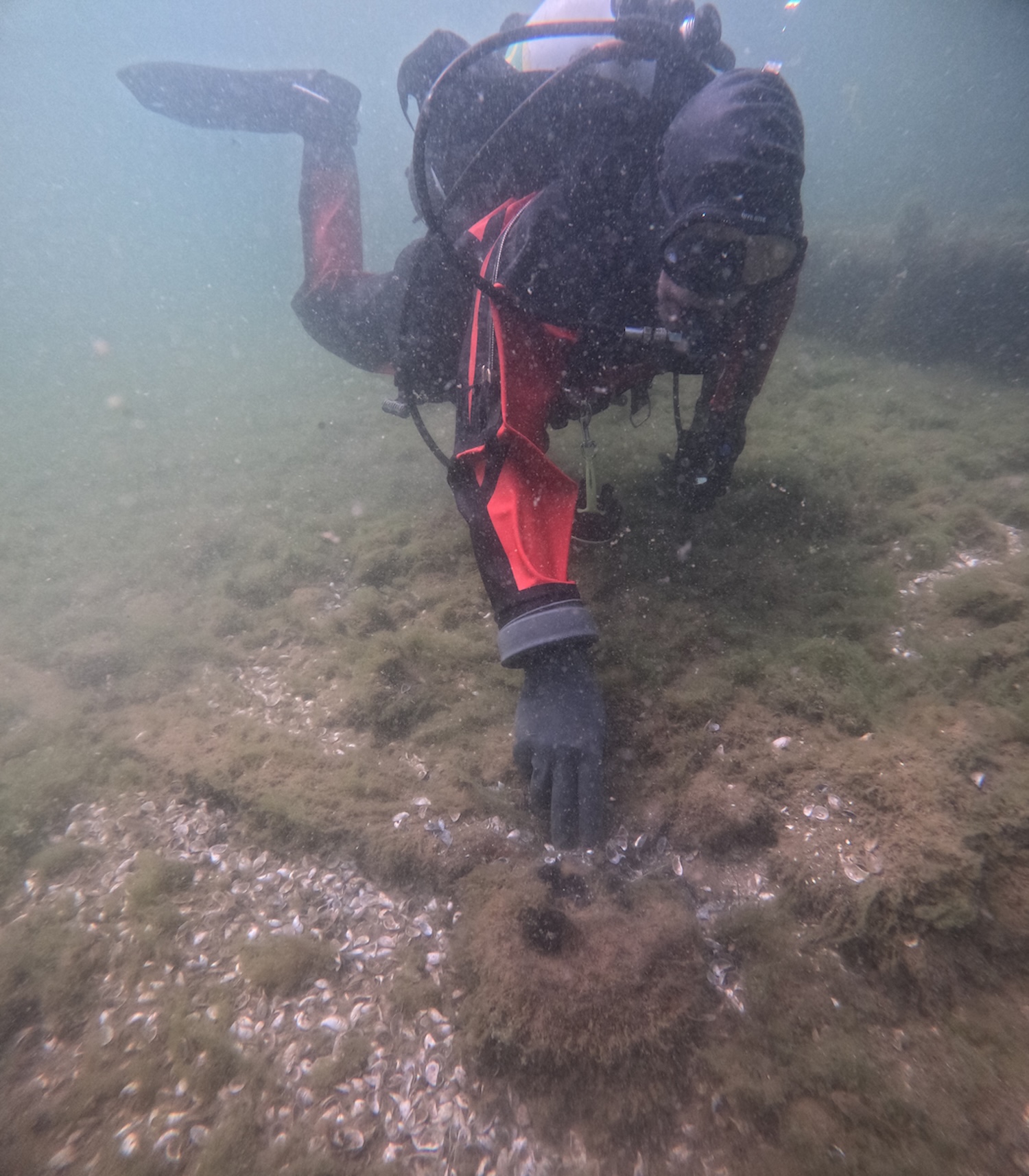
Salvage teams tried locating the sunken ship multiple times over the next year, but never found the ship valued at around $250,000 when adjusted to today’s dolalrs. Meanwhile, the outcropping itself acquired the name Barker Shoal, mostly likely in reference to the ill-fated boat. Given its actual final resting place, historians now believe no one initially found the wreck thanks to inaccurate newspaper reporting at the time, which attributed the sinking closer to Spider Island. But now that they know exactly where it is, experts wasted no time in checking it out for themselves.
“It’s like a football field filled with oak,” maritime archaeologist Tamara Thomsen told WPR. “The entire ship is sort of filleted open, and a lot of the deck machinery is still there. It’s just really amazing.”
Thomsen described the site as looking like a puzzle with the pieces laid out in front of them.
“Everything is there… the sides have split open but you can, in your mind, kind of put it back together.”
The Wisconsin Historical Society is currently planning further expeditions to the Barker in the hopes of adding the shipwreck to the National Register of Historical Places. Its exact location will remain undisclosed for the time being in order to protect it against potential looters and treasure seekers.
“There’s a lot of interesting things potentially on this shipwreck, and it would be a shame if it got pillaged by people looking for souvenirs,” Olson said.
As for the tour guide, this makes for his third shipwreck discovery. In 2024, Olson found a schooner called the Grey Eagle that sank in 1869, as well as another schooner named Sunshine the year before.
