
Freezer burn is bad enough when it comes to ice cream, but the tiny, jagged ice crystals pose problems for much bigger issues than ruining your dessert. If frozen for too long, ice particles begin to break down the cellular structures in biologically derived medications, like the cancer treatment Trastuzumab. The life-saving medication is made from monoclonal antibodies that target the HER2 gene that is often amplified during early-stage breast cancers.
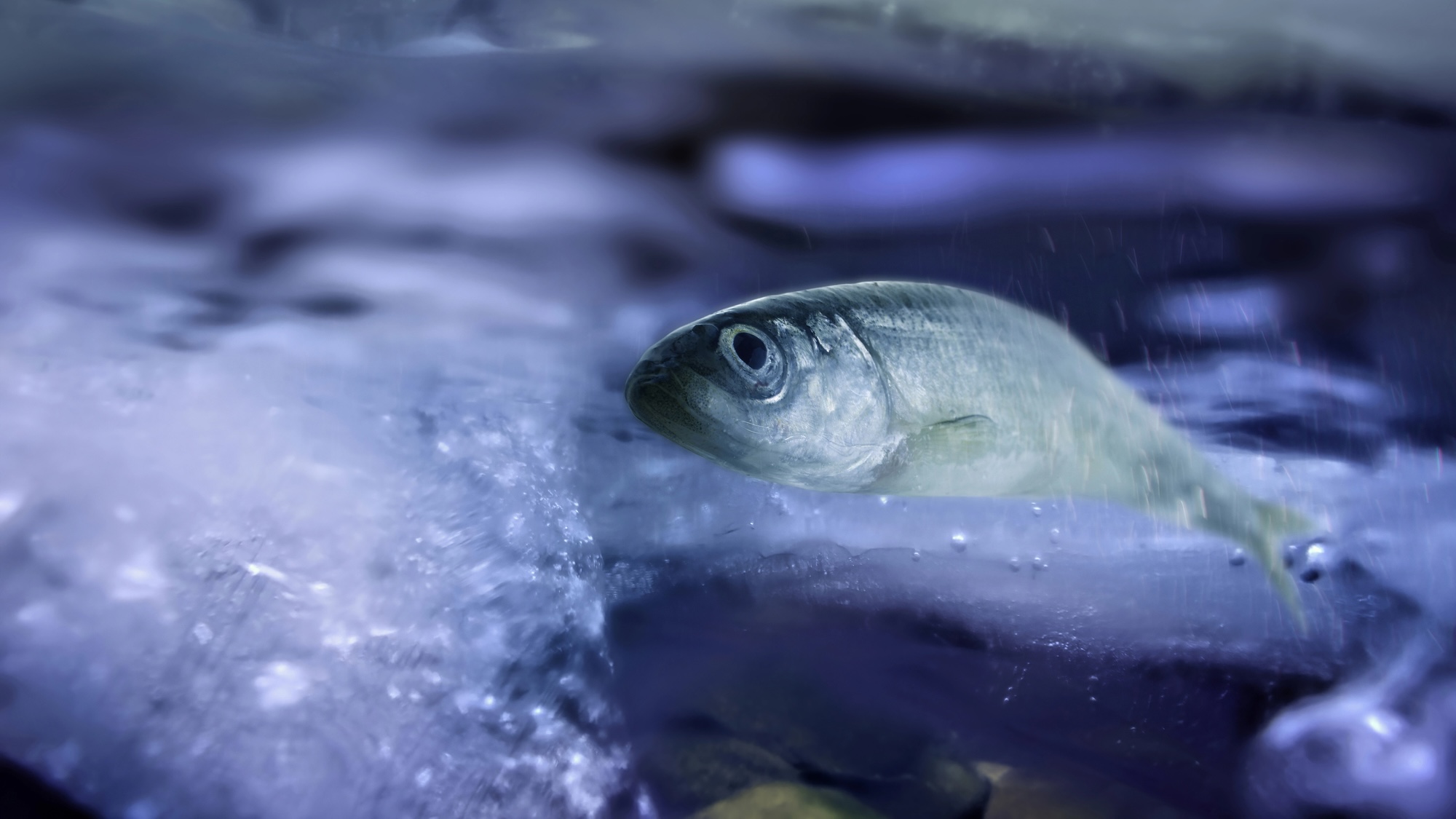
However, the same frigid temperatures that degrade important drugs like Trastuzumab aren’t a problem for polar fish. Millions of years of evolution have supplied species like the Arctic cod (Boreogadus saida) with certain proteins that prevent their blood from congealing as they swim through the icy water. For years, researchers have unsuccessfully tried to harness these polypeptides’ antifreezing properties, but directly extracting the compounds from fish is simply too costly and not scalable. But according to a National Science Foundation-funded study published in the journal Advanced Materials, researchers at the University of Utah may have finally cracked the polar cod code.
“Best of all, we make these mimics entirely using chemistry—no fish or cells required,” biochemical engineer and study co-author Thomas McParlton said in a statement.
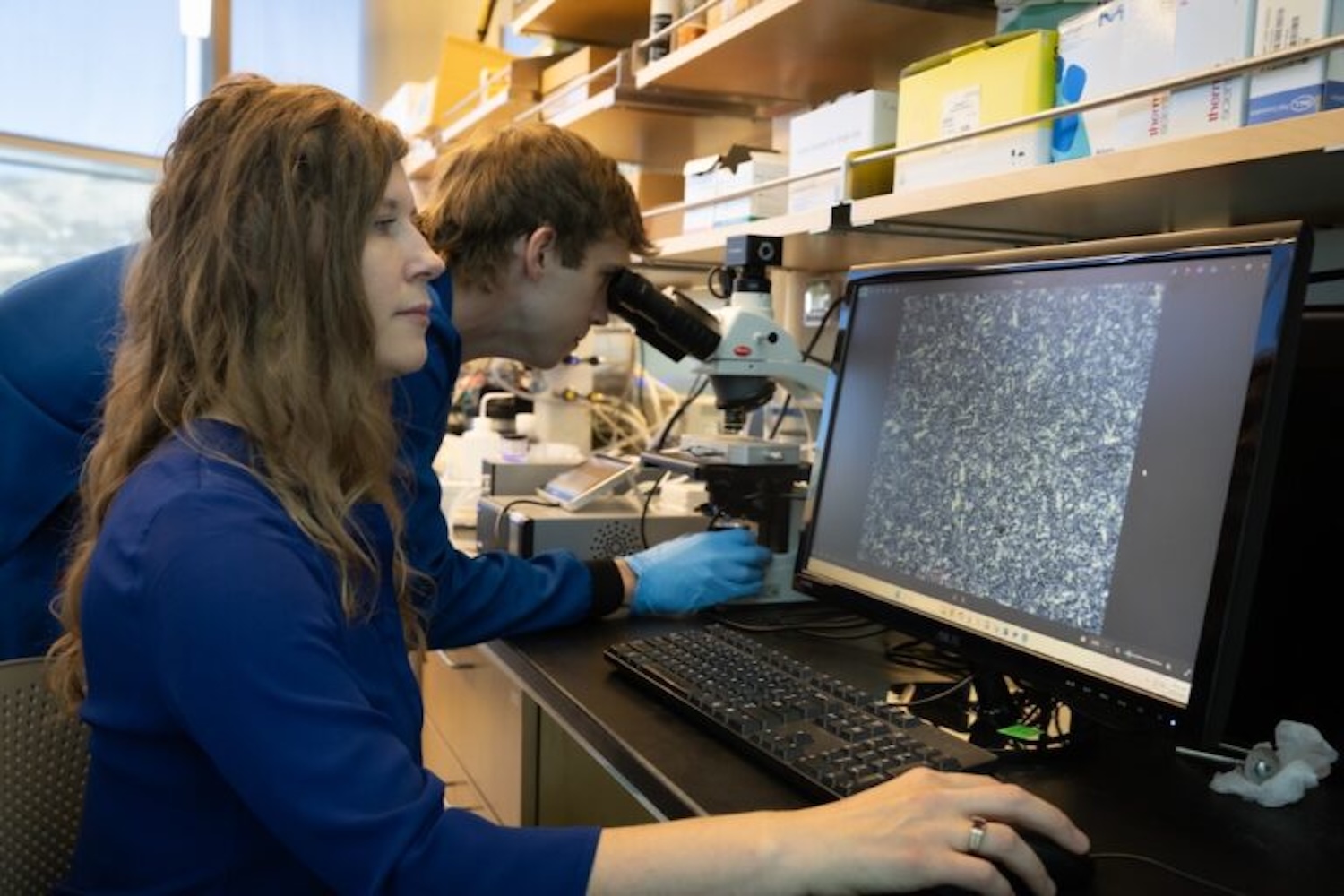
The team’s breakthrough builds on their previous work that identified the possible chemical and physical components responsible for the fish protein’s freeze resistant proteins. With those properties in hand, researchers then experimented with taking away any unnecessary molecular sections so that only the anticoagulant aspects remained.
“Ultimately, we simplified the structure to only the parts we thought were required for antifreeze activity, which makes production less complicated and expensive,” study co-author Jennifer Kramer explained. “Despite those changes, this study showed that our mimics bind to the surface of ice crystals and inhibit crystal growth, just like natural antifreeze proteins.”
To test their lab-made polypeptides, Kramer, McParlton, and their colleagues turned to that most pernicious of freezer burn victims: ice cream. After adding the polypeptides, the dessert could withstand temperatures as low as -4 degrees Fahrenheit before degrading. When it came to Trastuzumab, the cancer medication endured as the thermometer plummeted down to -323 degrees Fahrenheit.
However, any artificial fish blood protein is only as good as it is safe.. There’s a good reason why engine antifreeze made from ethylene glycol isn’t found in the frozen food section, after all. For their second stage tests, the team showed that their creation is both non-toxic to human cells, but also digestible. The polypeptides are even resistant to reheating, a major aspect in overall food production.
Beyond medicine and food, the new synthetic additive may also have uses elsewhere.
“The antifreeze polypeptides reported here are prepared from ultracheap materials in a relatively expedient and green manner, rendering them attractive for broad applications in biomedicine, foods, agriculture, coatings and more,” the study’s authors wrote.
With their most recent discoveries now published, the team is now working on patenting their creation. From there, it’s only a matter of scaling up its manufacture to meet the much-needed demand. No fish required.
