
Even though many parts of the northeastern United States have seen surges of summer temperatures, it’s technically still spring in the Northern Hemisphere, which means many animals are having babies.
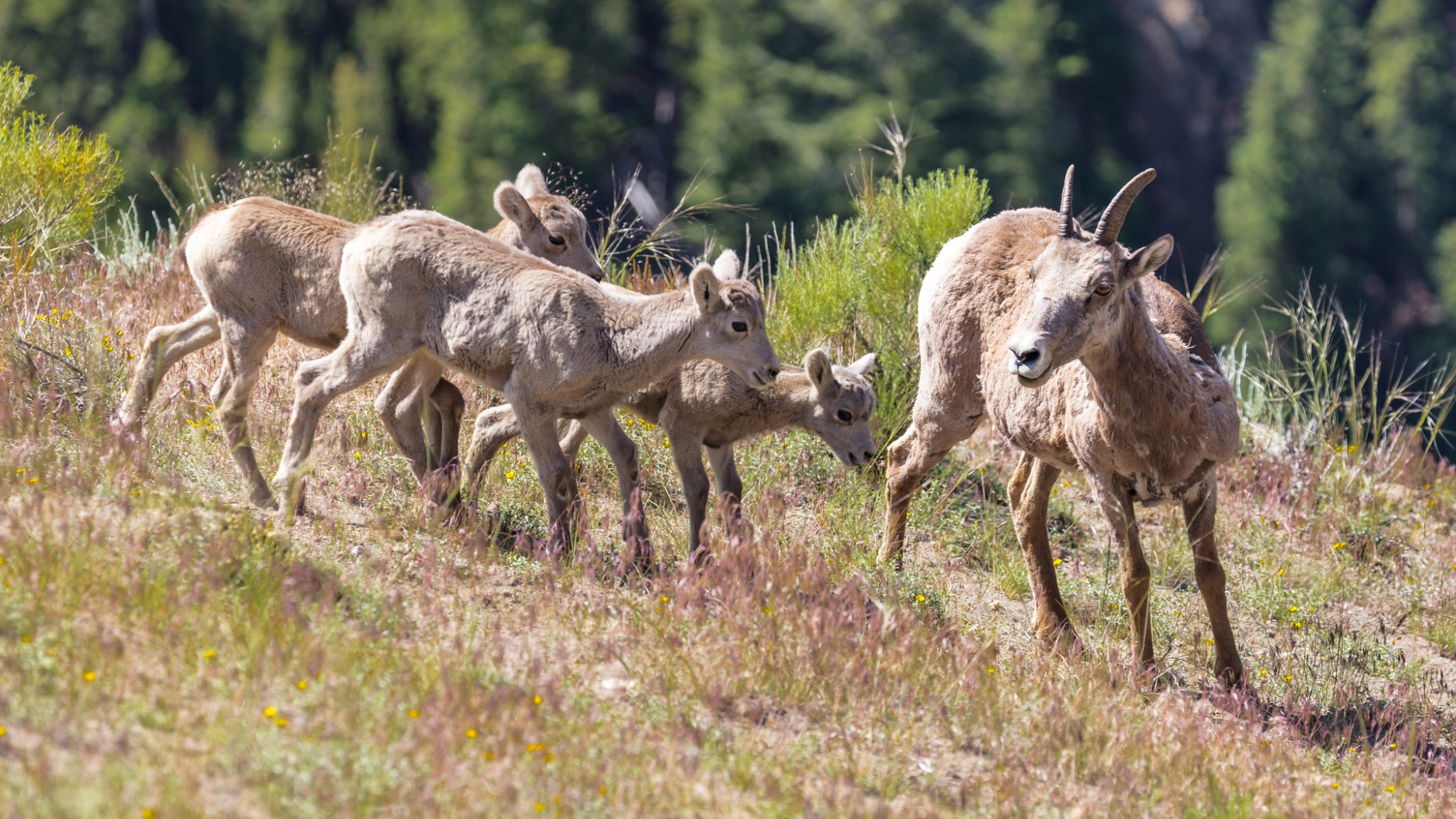
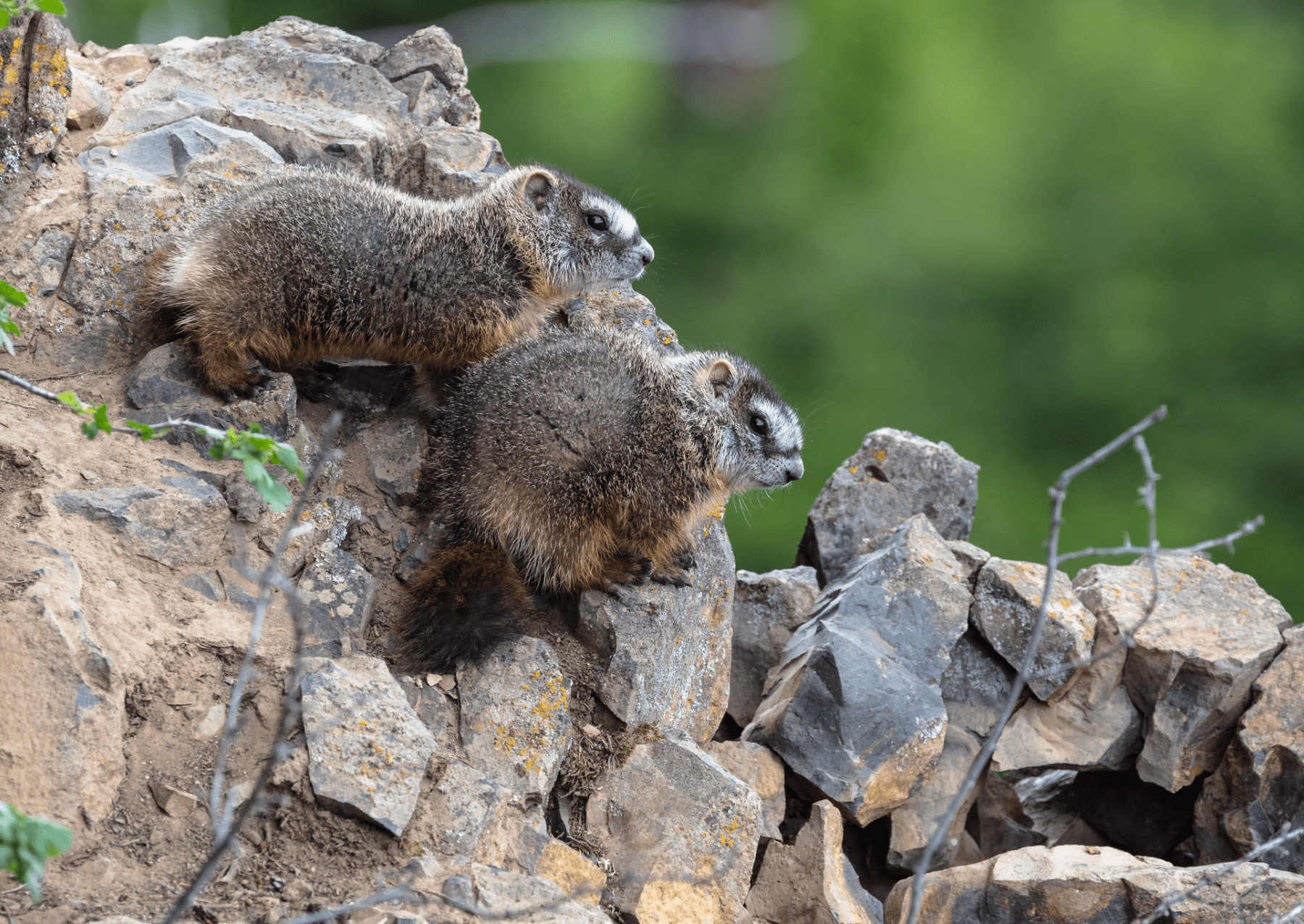
That’s true also at Yellowstone National Park, which is home to everything from moose and black bears to river otters and gophers. In a recent social media post, the popular park highlighted some particularly adorable young’uns, including a young bison, black bear, yellow-bellied marmot, three bighorn sheep, an elk, and two pronghorns.
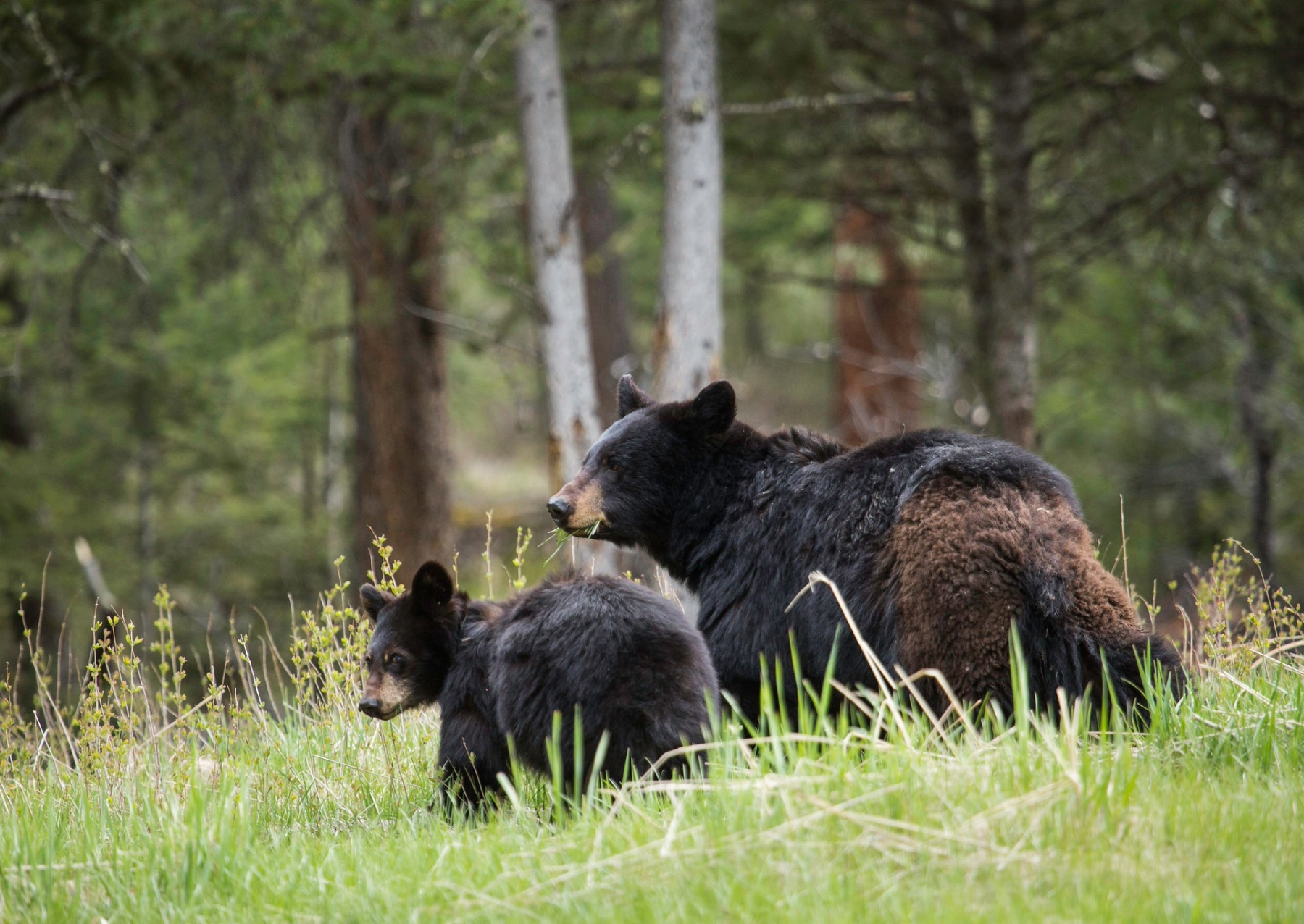
“As cute and fuzzy as they are, remember to give wildlife room and use a zoom,” the park wrote. “Always maintain a distance of at least 100 yards (91 m) away from bears, wolves, and cougars and at least 25 yards (23 m) away from all other animals, including bison and elk. Get a closer look by using binoculars, a spotting scope, or zoom lens.”
As always, listen to Yellowstone park rangers on this for your own well-being. However, if you run into a baby animal on its own in a more suburban or urban setting, it may be best to get involved. For example, acting quickly is best with baby opossums (Didelphis virginiana) and baby squirrels.
Opossums are pretty lousy mothers. It’s typically not possible to reunite baby opossums with their mothers, because when they fall off her back, she usually continues on her way without them. If you find one or more opossum babies by themselves, call a wildlife hospital or a licensed wildlife rehabber.
As for baby squirrels, they sometimes fall out of their nests. If you find one and 12 hours later the mother hasn’t come to get it yet, pick it up and call a wildlife rehabilitator, New England Wildlife Center Program Founder Greg Mertz has previously told Popular Science. A video by the same wildlife center has a hilariously wacky but serious tip: try to get a baby squirrel back to its mother by elevating it in a basket (to keep predators away) and playing baby squirrel noises from YouTube (to attract the squirrel mom).
Certainly do not try this with a bear cub.
