
Though Komodo Dragons (Varanus komodoensis) live only on a few Indonesian islands—including the aptly named island of Komodo—they’re pretty famous reptiles. That’s because they are the largest and heaviest lizards in the world, growing up to eight to ten feet long and weighing between 100 and 150 pounds on average. With a forked tongue, long claws, and a strong venomous bite, they certainly live up to their mythological name.
However, Komodo Dragons aren’t invincible. In fact, they’re currently endangered. Climate change and human activities including agricultural expansion, have reduced their wild populations to just an estimated 1,400 adults. The birth of Komodo dragon hatchlings are thus always a cause for celebration, even when they are born in a zoo’s breeding program.

Komodo dragon hatchlings
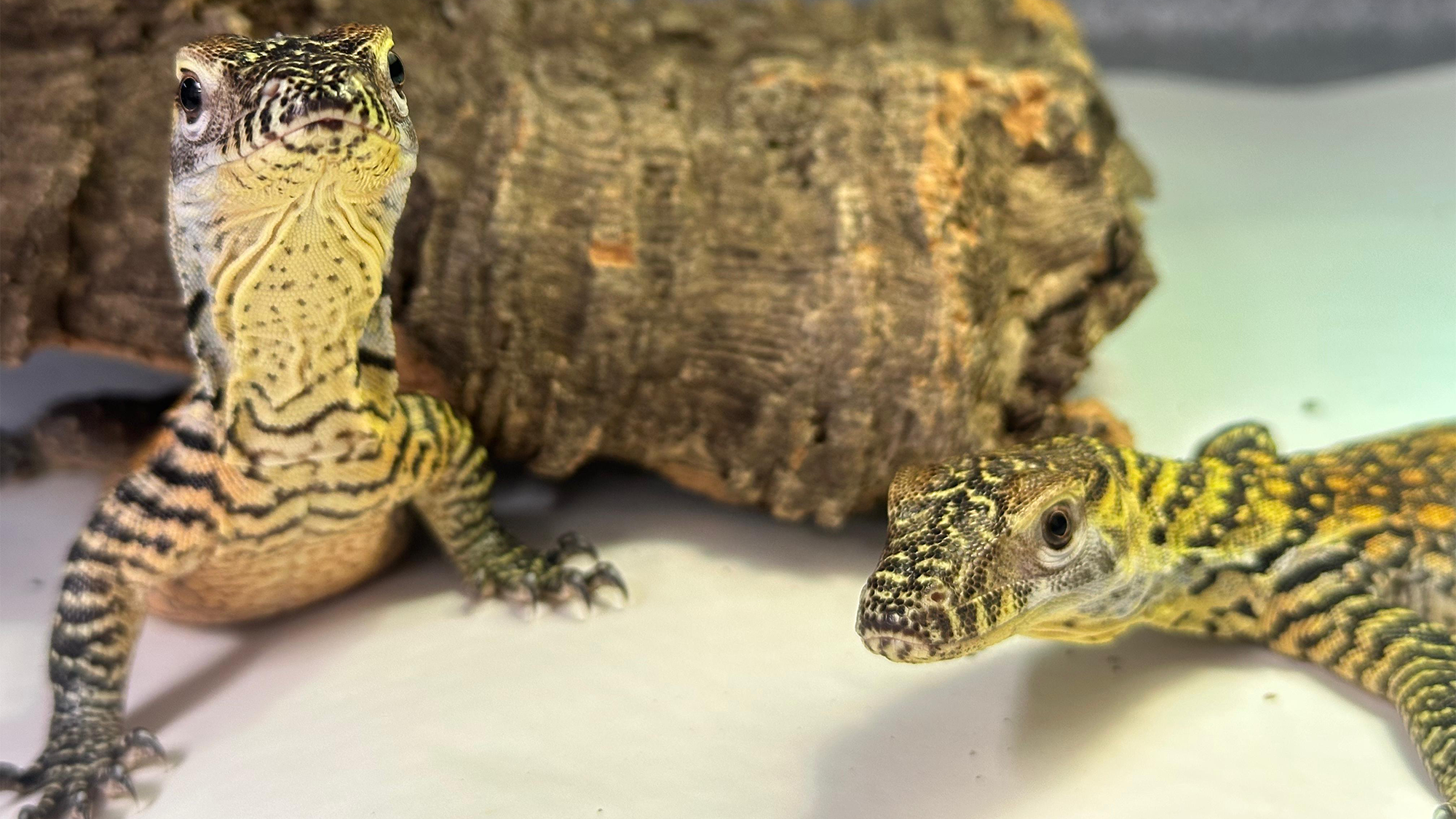
ZooTampa at Lowry Park in Tampa, Florida has just announced the second hatching of Komodo dragons in the zoo’s almost century-long history. The parents—15-year-old mother Aanjay and 14-year-old father Titus—produced two Komodo dragon babies, which began hatching on September 7.
“Komodo dragons are one of the planet’s most fascinating species, and these hatchlings represent a hopeful future for the species,” Dan Costell, curator of herpetology at ZooTampa, said in a statement. “They will serve as wonderful ambassadors for their wild counterparts as they help us raise awareness about conservation needs.”
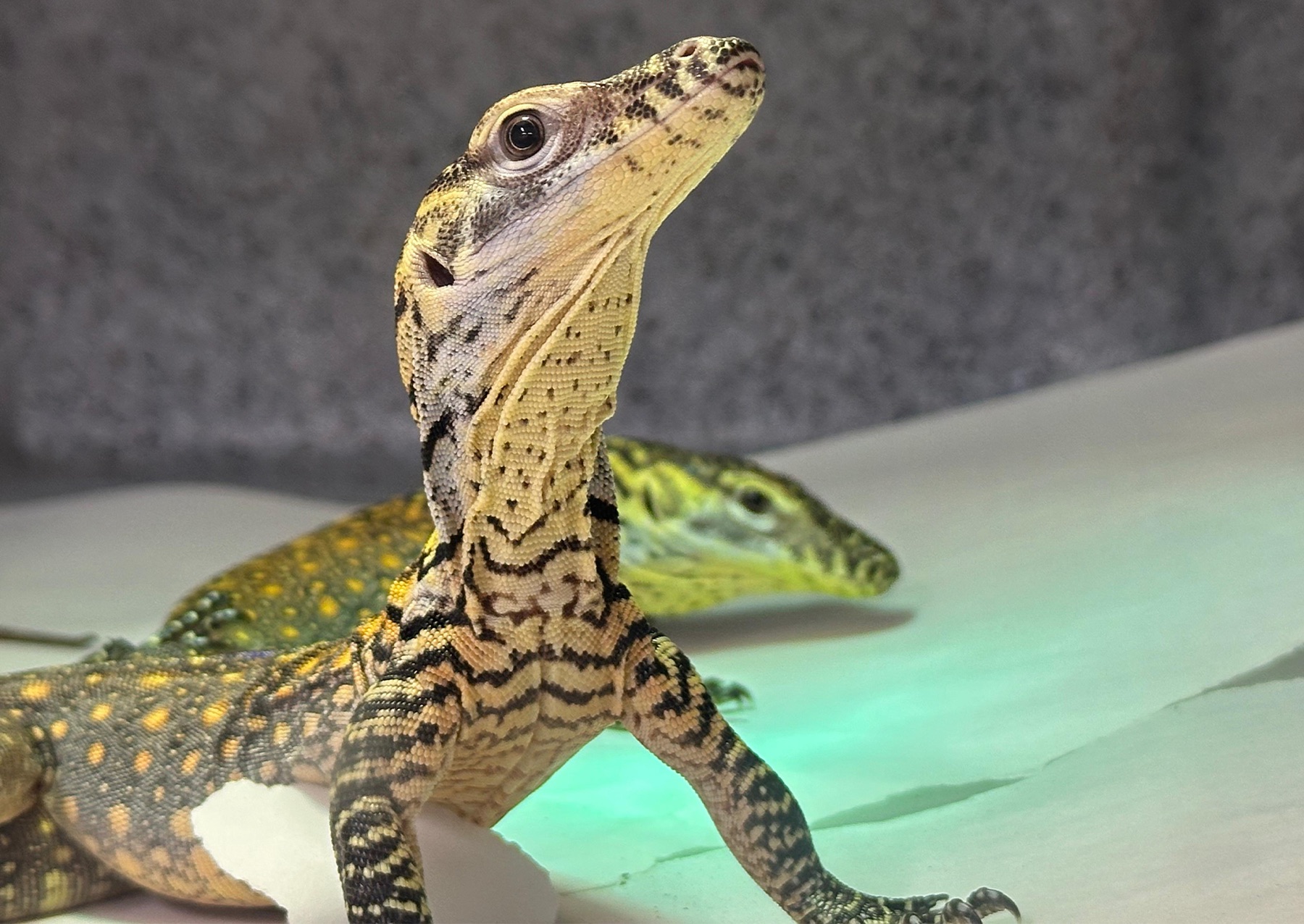
One hatchling is a female and the other is a male Each sibling is around 10 inches long and weighs about 100 grams, more or less equivalent to a stick of butter. During their nine-month-long incubation period, the zoo’s staff kept an eye on the eggs to ensure proper development, and were even able to identify their sex before they hatched thanks to blood samples from the eggs.
“At ZooTampa, we work hard to ensure we are protecting endangered species and helping to contribute to their survival through building sustainable populations,” said Chief Zoological Officer Chris Massaro. “We are proud to continue our contributions to the Komodo Dragon population with the two newest hatchlings.”
The zoo’s new babies are scheduled to make their first public appearance later this fall. But until then, they will continue growing behind closed doors.
