
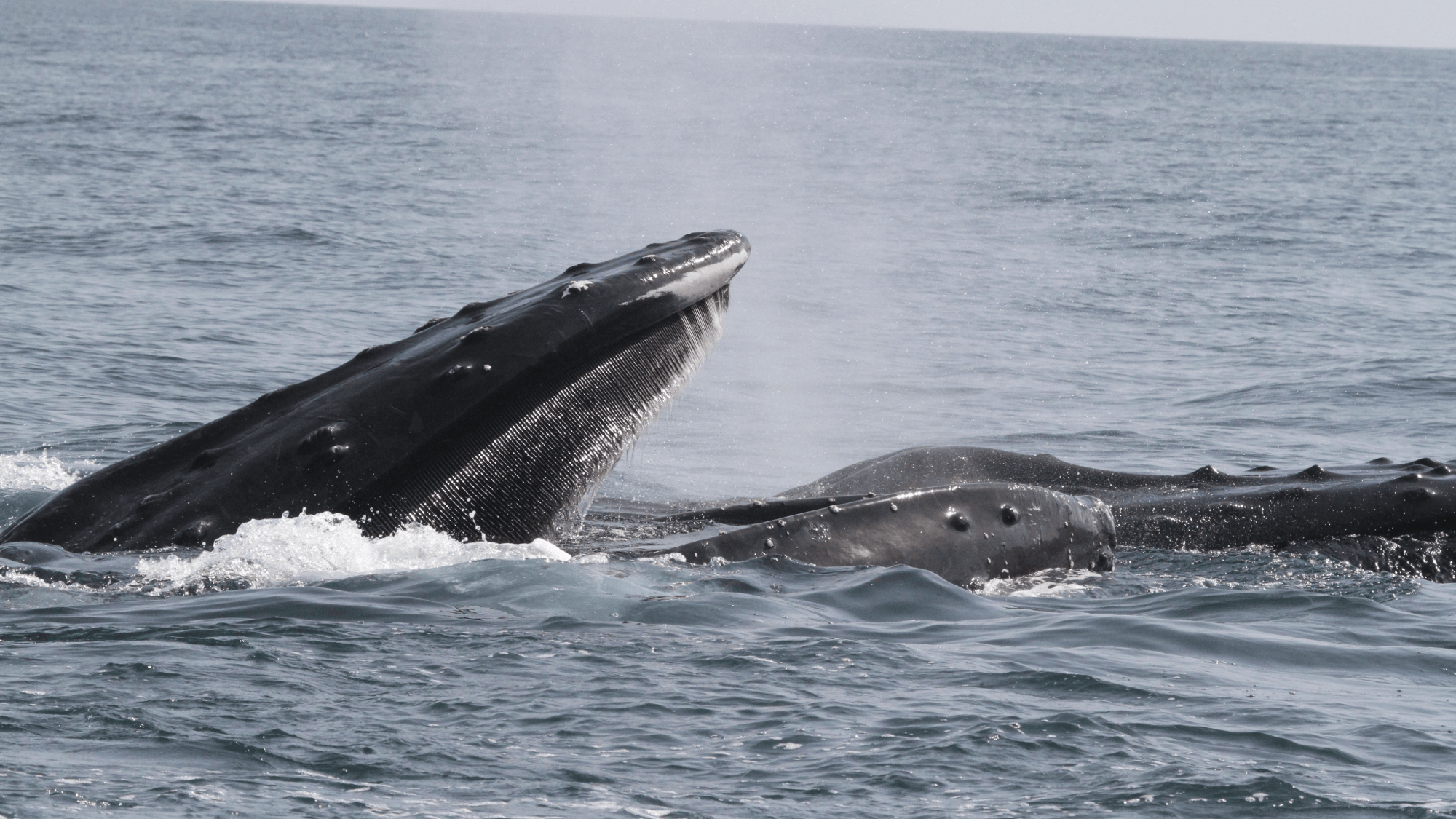
Humpback whales (Megaptera novaeangliae) are known for one of the longest migrations of any mammal. However, not all of them travel thousands of miles across oceans to feed and breed. The unique Arabian Sea humpback whale population stays in their tropical and subtropical waters all year long. Does this mean they should be categorized as their own subspecies? New research says yes.
An international team of scientists compared genetic samples from Arabian Sea humpback whales with samples from humpback whale populations around the world, working with DNA from a total of 2,285 humpback whales.They found significant genetic differences between the Arabian Sea population and the three other humpback whale subspecies of the North Atlantic, North Pacific, and Southern Hemisphere.
These results, published in the journal Frontiers in Marine Science, suggest very limited gene flow between Arabian Sea humpbacks and the others. The Arabian Sea population also has the lowest genetic diversity from the studied ocean regions. Ultimately, the team’s findings provide further evidence that the population should be classified as its own subspecies, Megaptera novaeangliae indica.
“Arabian Sea humpback whales have long been an enigma to the scientific community. Their ecology is unlike that of any other known humpback whale population, and this new genetic work represents an important milestone in understanding how that uniqueness developed,” Ana Rita Amaral, a study co-author and a researcher at the Wildlife Conservation Society, says in a statement. “The results clearly indicate the Arabian humpback whales have followed their own evolutionary trajectory for tens of thousands of years and support their recognition as a distinct subspecies.”
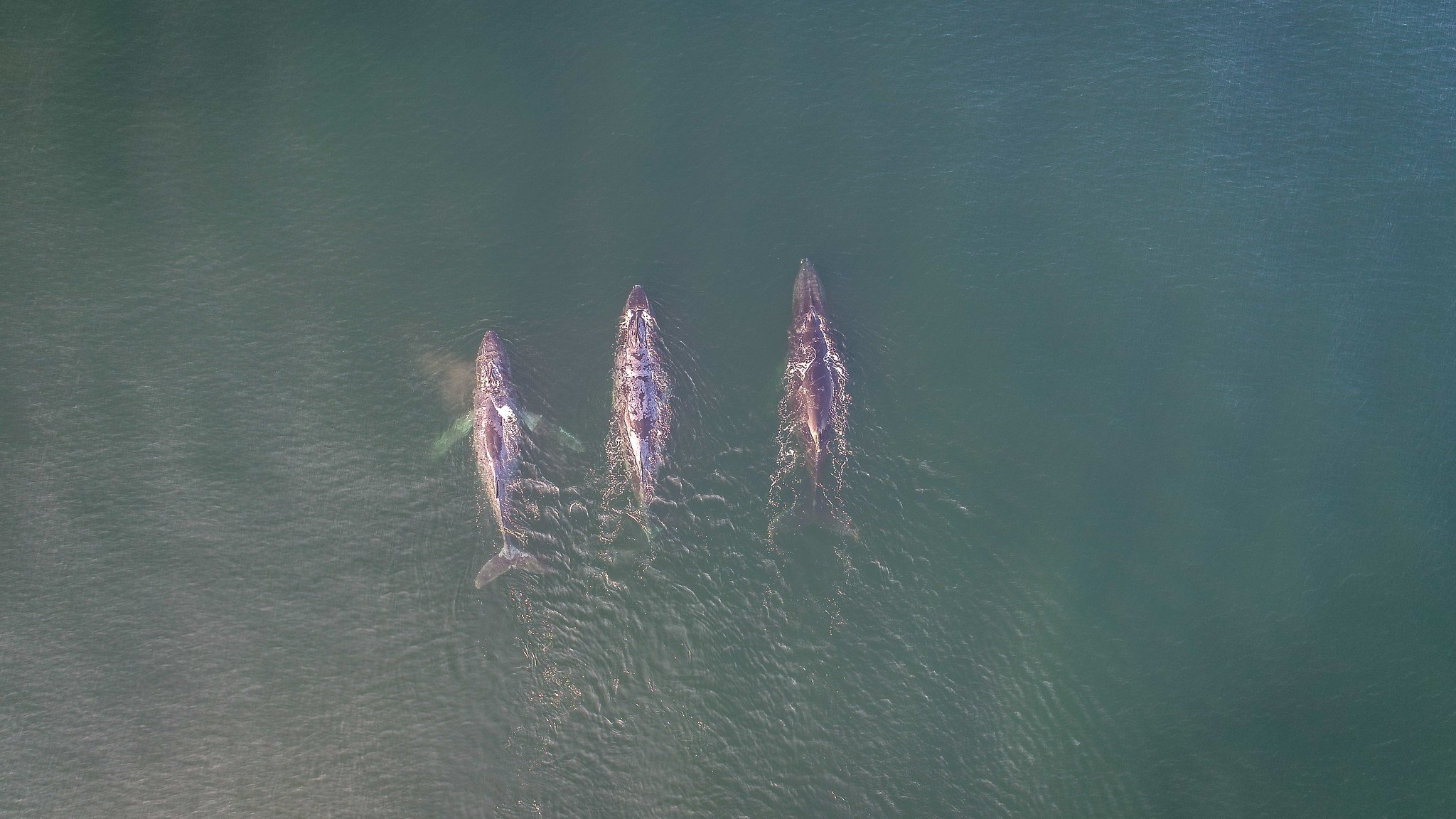
Arabian Sea humpback whales don’t make long seasonal migrations like their counterparts in the Atlantic and Pacific, and they also emit a distinct song that researchers have only detected in the Arabian Sea. They are also the only known humpback whale population where every member eats and mates in the same geographic area. Amaral and her colleagues estimate that their lineage parted ways with the other humpbacks tens of thousands of years ago.
The team also investigated historic DNA from a whale collected near Basra, Iraq, initially named “Megaptera indica” in 1883. The specimen was then reclassified Megaptera novaeangliae (the current species name for all humpback whales). The recent morphological and genetic analyses verified that the animal was a humpback whale closely related today’s Arabian Sea humpback whales, bolstering the proposed subspecies name Megaptera novaeangliae indica. However, the recognition is ultimately up to the Society for Marine Mammalogy’s Taxonomy Committee.
The team also highlights that their uniqueness also makes Arabian Sea humpbacks particularly vulnerable. The population is small, and doesn’t seem to have increased over the past two decades. In fact, Arabian Sea humpback whales are classified as Endangered by the IUCN Red List.
“The growing body of research on Arabian Sea humpback whales has given Oman an increasingly clear understanding of both the importance of this population and the pressures it faces,” added Aida Al Jabri, a co-author of the study from the Environment Authority of Oman. “This evidence is now helping us move from scientific understanding towards practical conservation action.”
