

Happy International Polar Bear Day! For 21 years, conservation nonprofit Polar Bears International has celebrated these vulnerable bears with a day of conservation action and learning.
Right now, polar bear moms are tending to their newborn cubs across the Arctic, and preparing to emerge from their dens to begin raising their young on the ice. This first spring represents the most at-risk time of a polar bear’s life. On average, fewer than half of cubs will reach adulthood.
One person who has seen that crucial time in a young bear’s life first-hand is award-winning wildlife photographer Daniel J. Cox. He has been photographing nature in all of its glory for over 40 years and helped create the Arctic Documentary Project and collaborates with Polar Bears International.
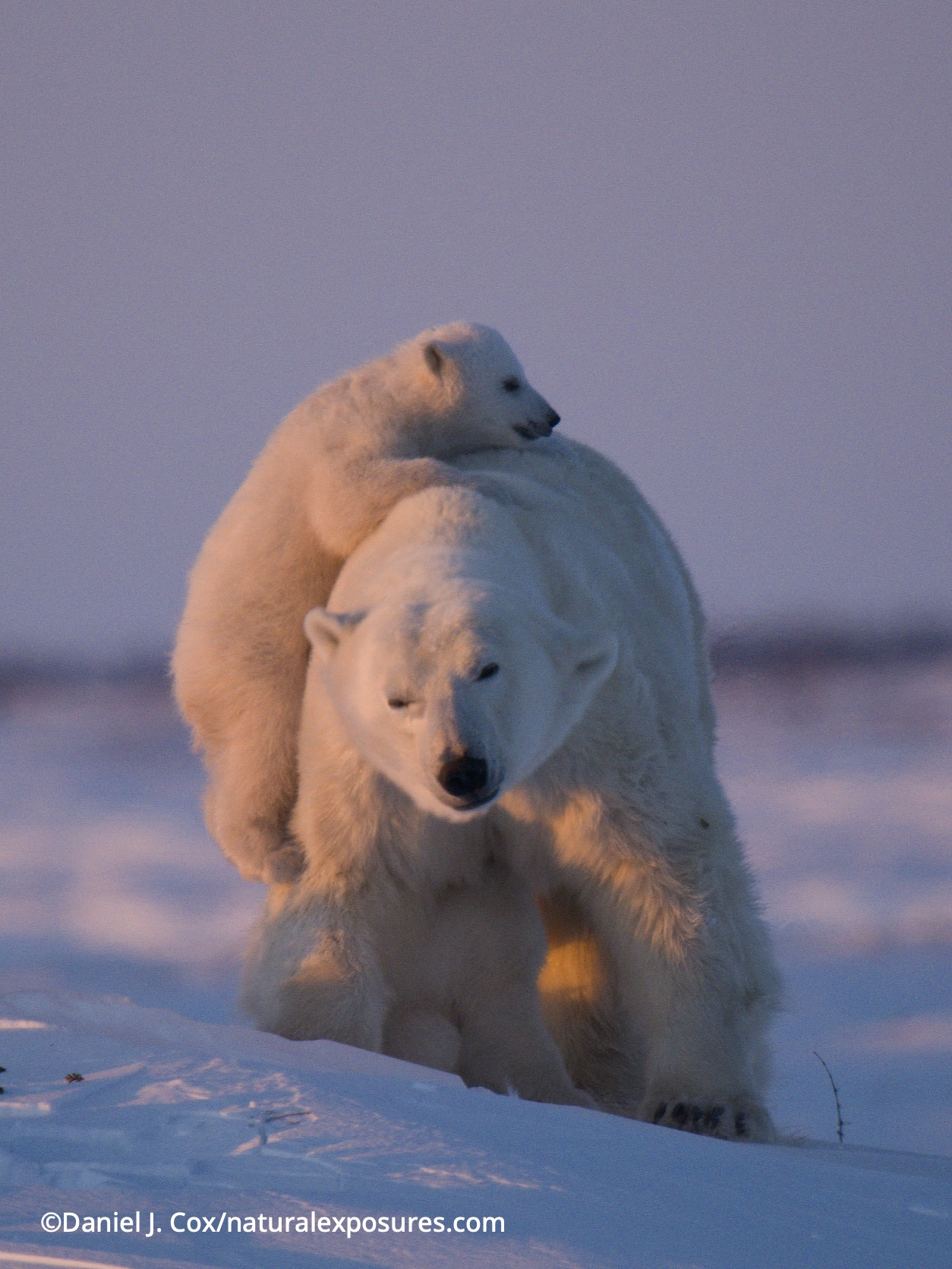
“Polar bears are compelling creatures for many reasons. First and foremost is their size. They are the largest land carnivores on Earth and the apex predator in the Arctic,” Cox tells Popular Science. “My fascination with polar bears was inspired by my work with black bears as a young photographer. Educating myself about black bears sparked my interest in all bears. But it was the amazing adaptations polar bears evolved that kept me fascinated by this species of bear for so many years.”
Browse through some of his exciting polar bear photographs below. (Click to expand images to full screen.)
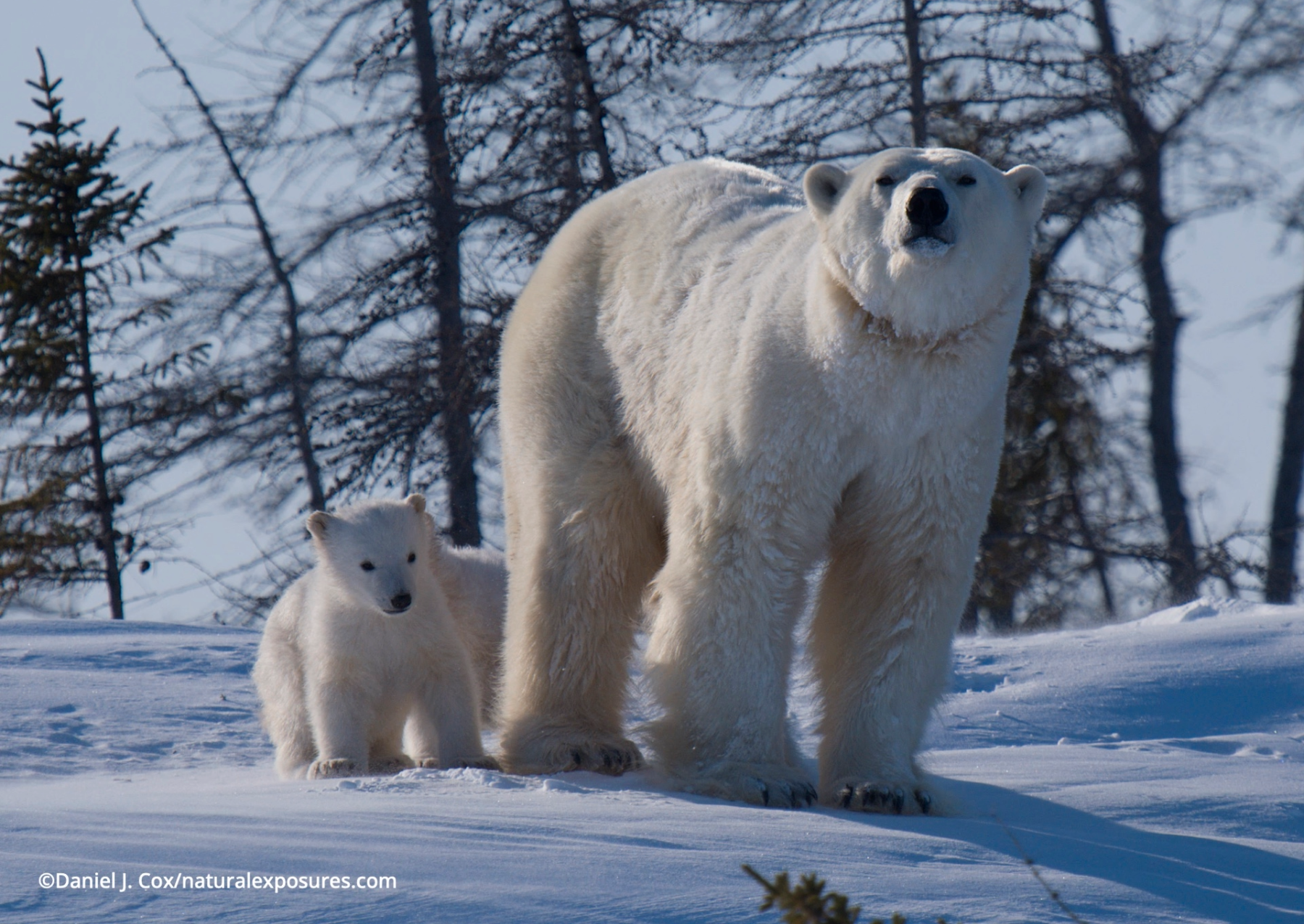
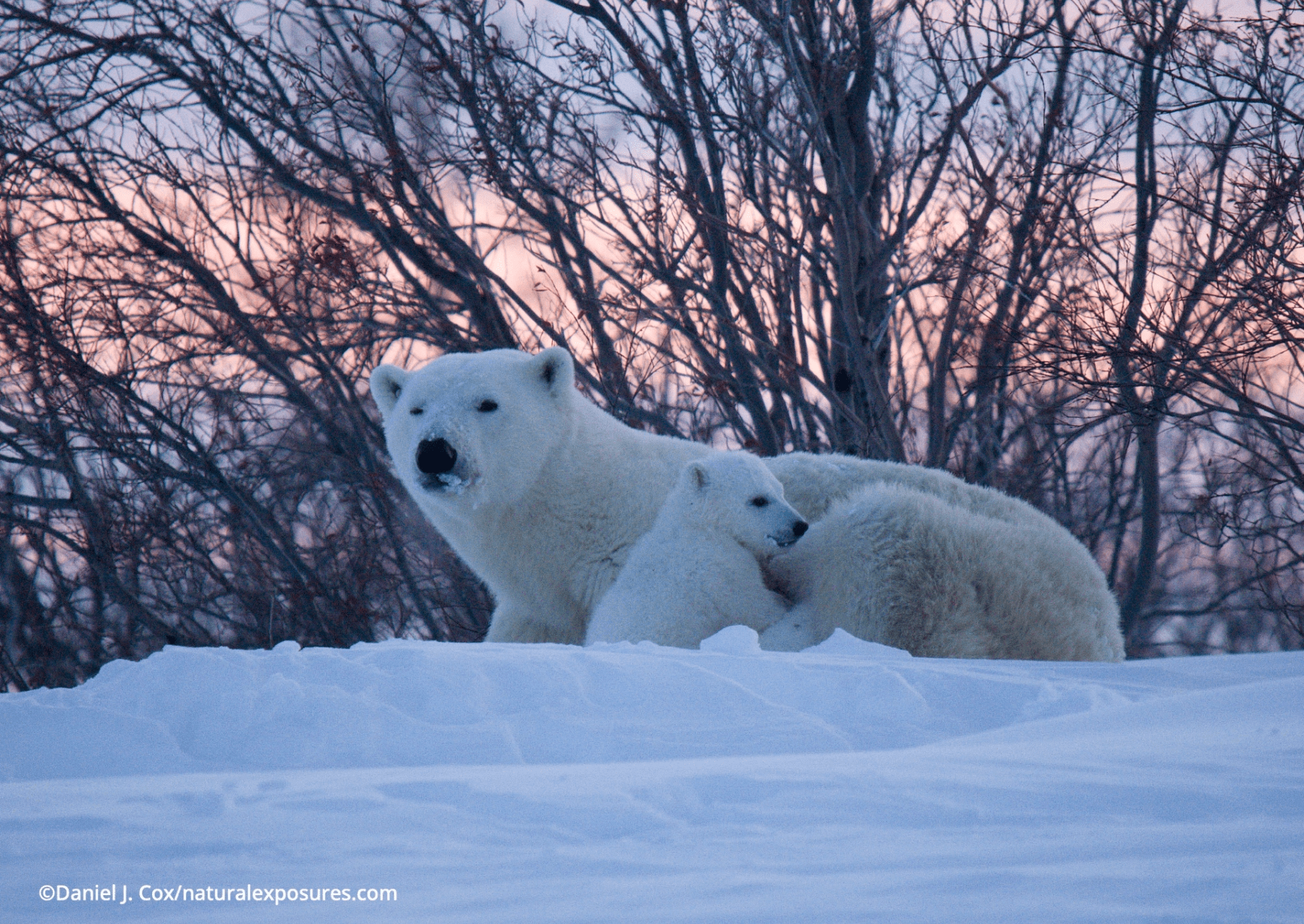
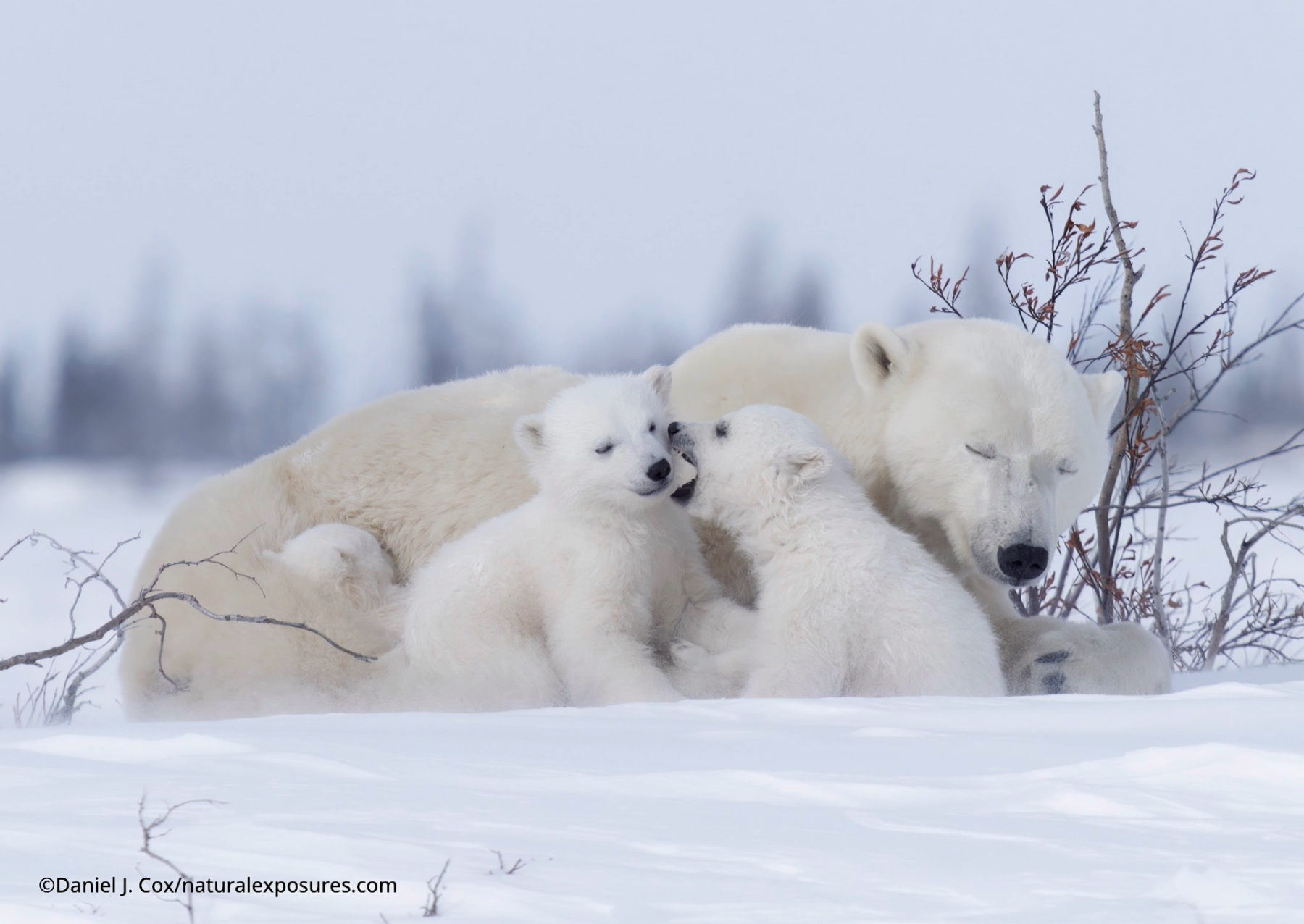

Polar bears are also incredible swimmers, and can literally swim for days at a time. The longest recorded swim was over 426 miles and that strength comes out during motherhood. “Mother polar bears can survive without eating anything substantial for nearly eight months,” Cox says. “Her fast is normal when she comes off the ice as a pregnant female, then enters the den to give birth.”
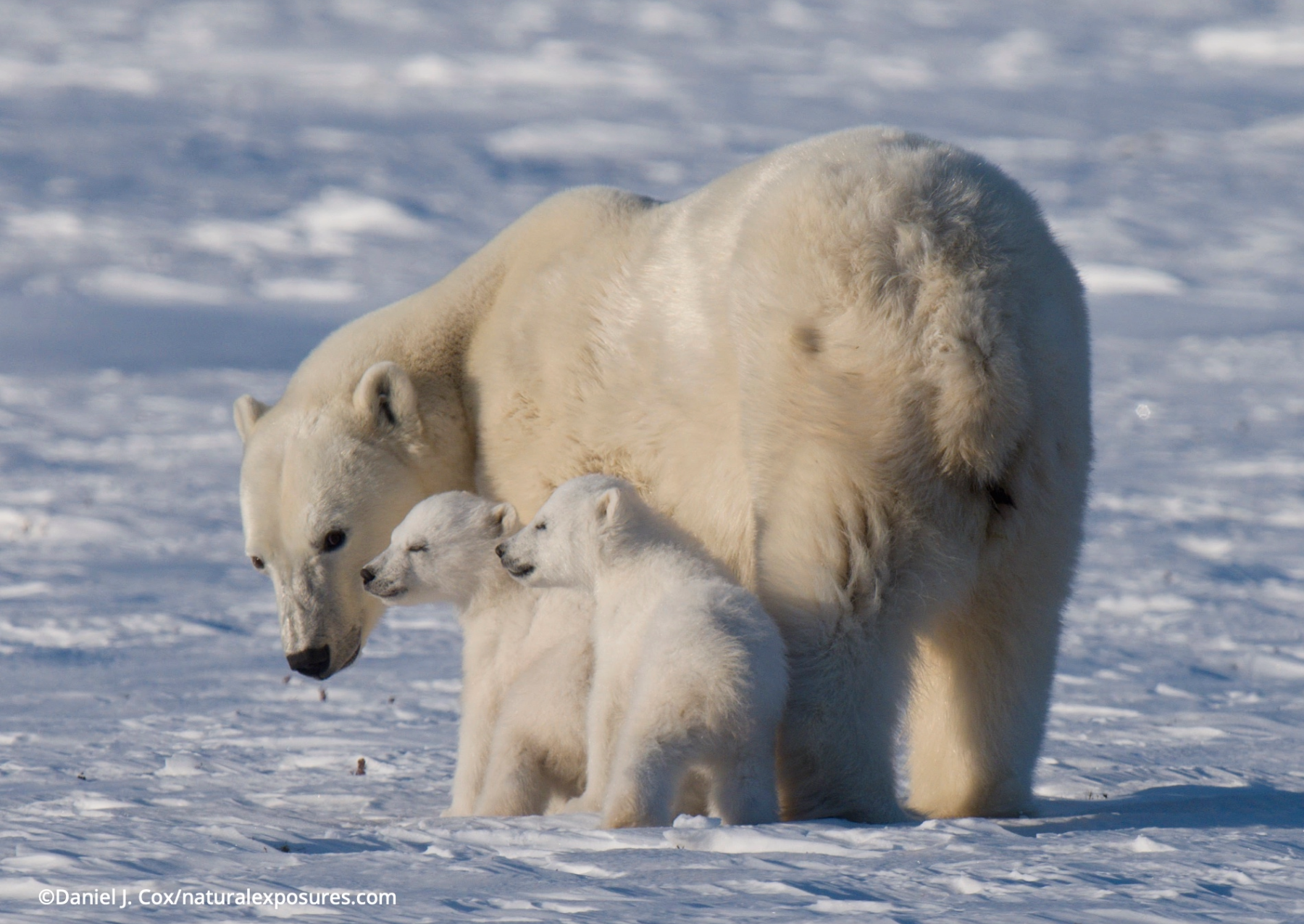

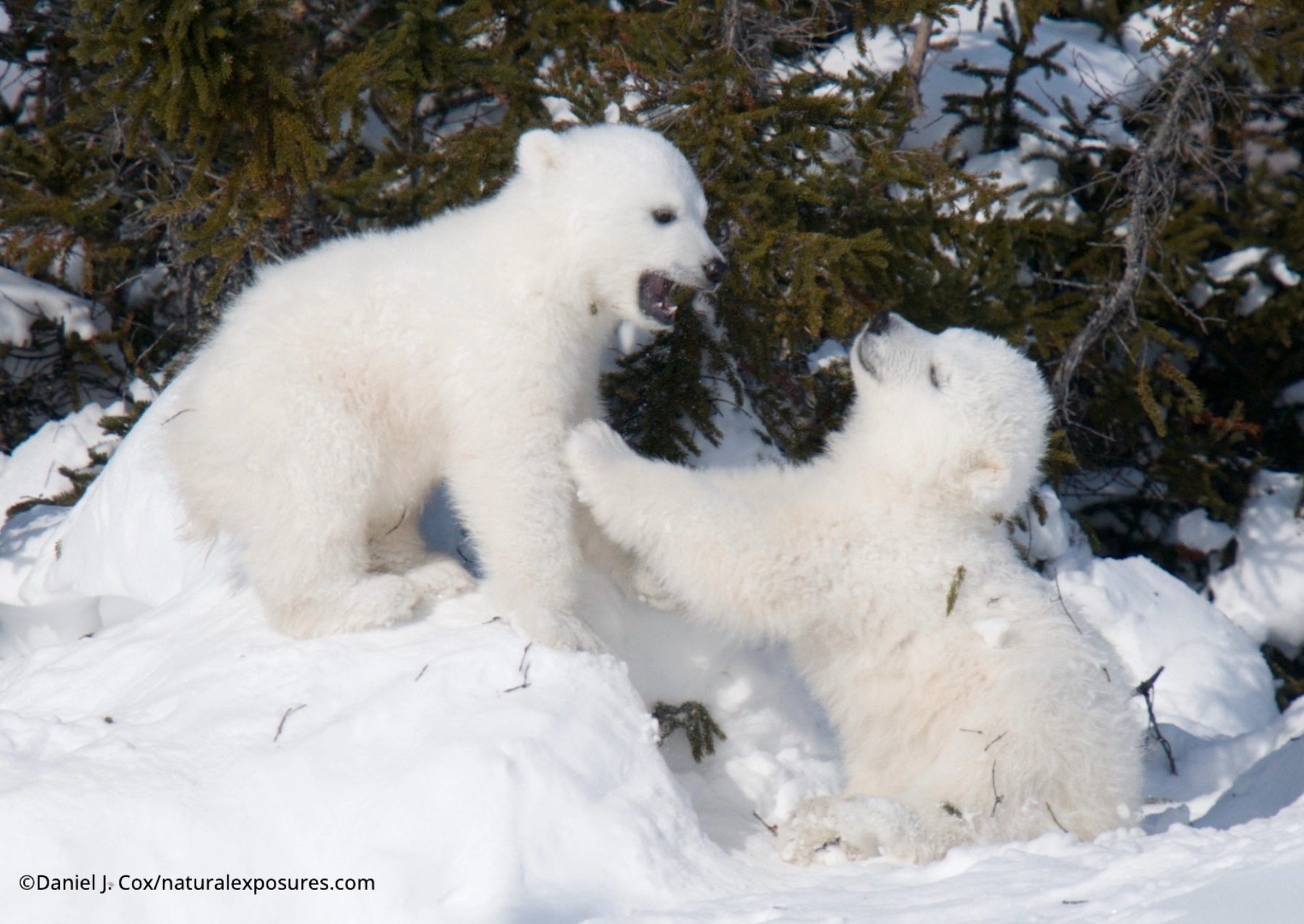
Part of the challenge in polar bear photography lies in the extreme cold temperatures that the animals thrive in. “I’ve found it imperative to work with local guides to get out onto the land in special vehicles that provide warmth and safety,” says Cox. “Traveling and working in temperatures as cold as -50F is not just difficult; it can be dangerous. Thankfully, even the mother polar bears don’t typically venture out of their dens when it’s that cold, but -20 or even -30 is not an issue for polar bears.”
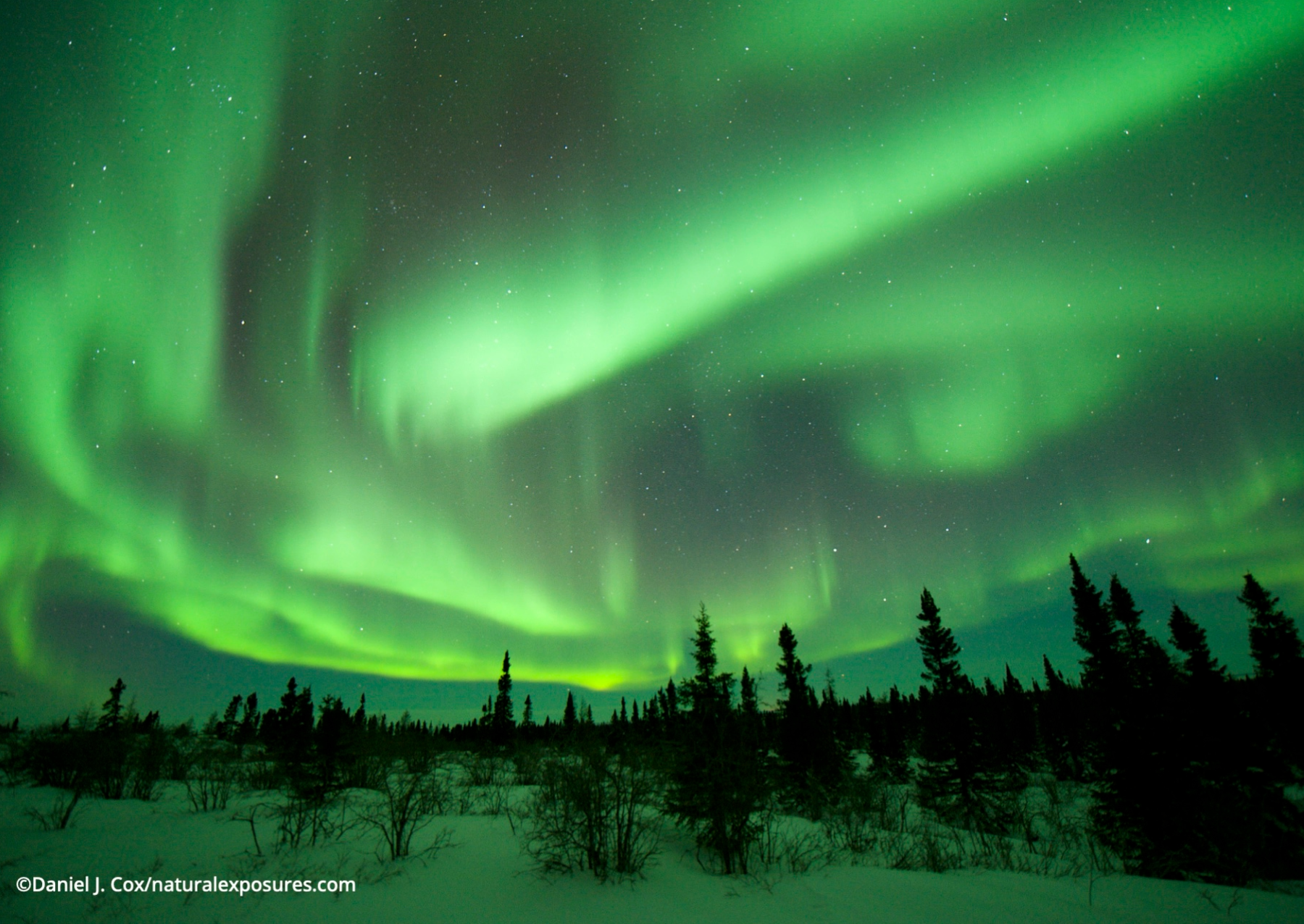
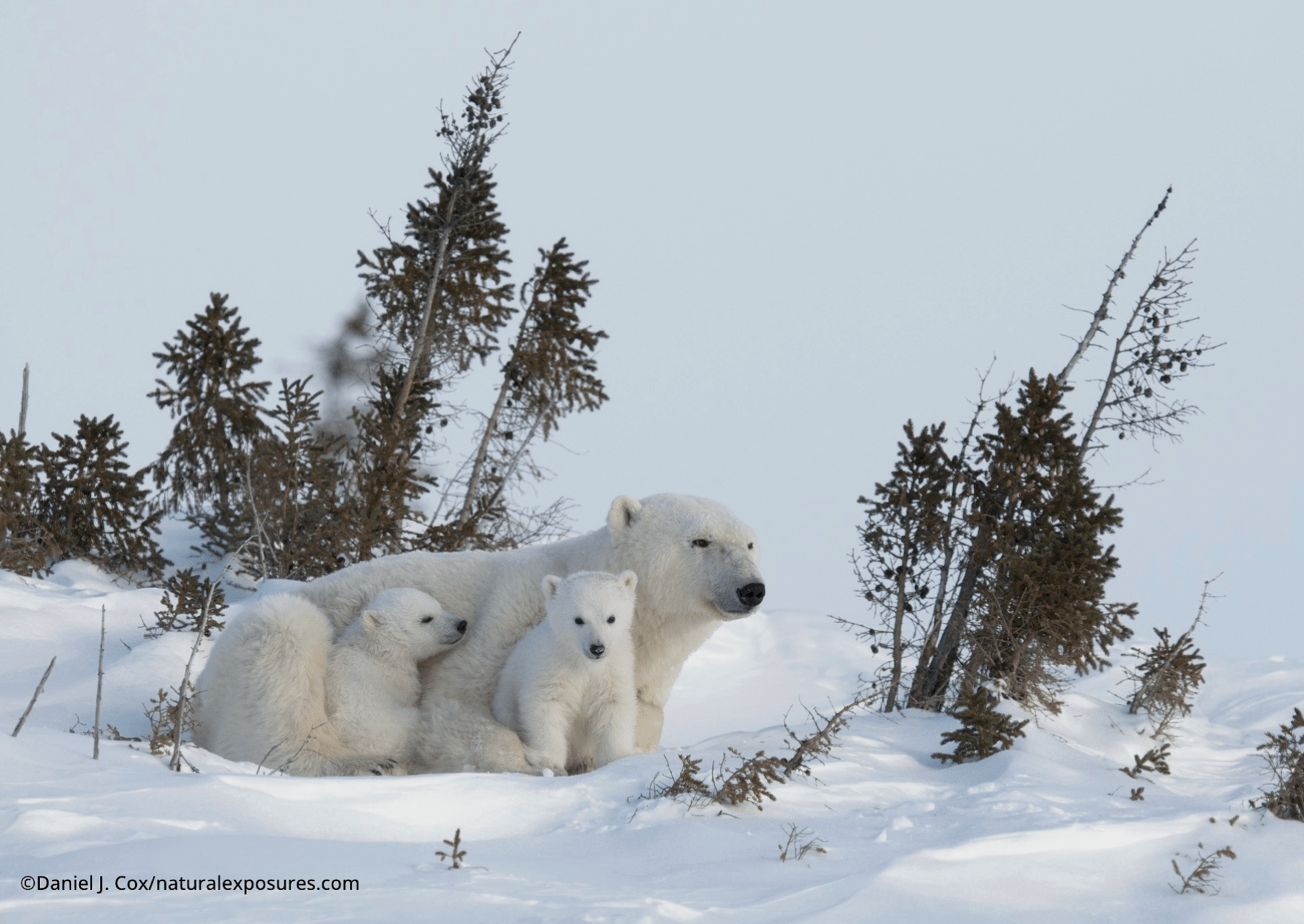
On International Polar Bear Day, Polar Bears International is encouraging people to take part in live scientist chats, check out their northern lights live cam, and track polar bear moms across Hudson Bay. To track the mother bear who adopted a cub this winter, follow bear X33991 on the tracker.
